A Painting Of A Group Of People And A Horse Art

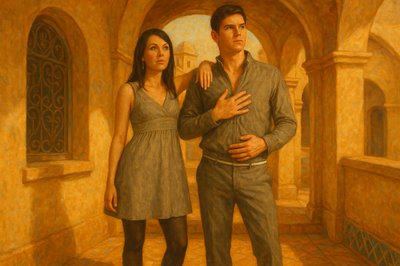
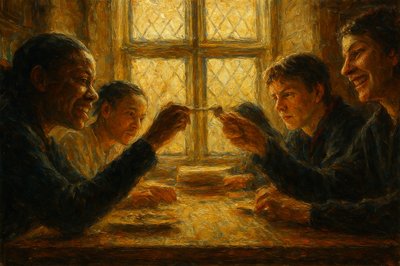
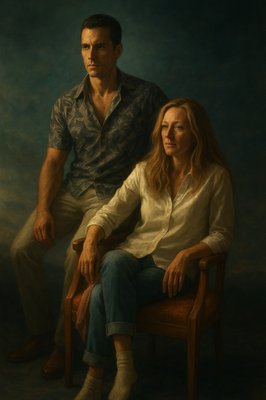
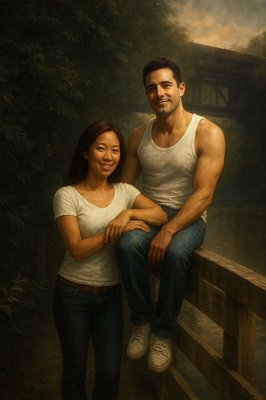
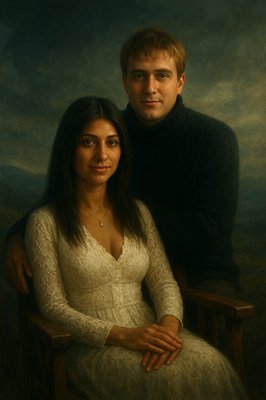
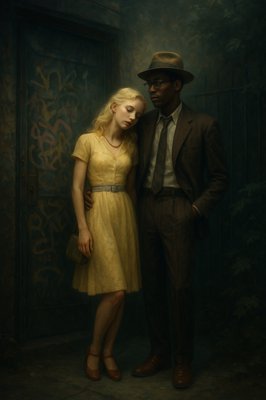
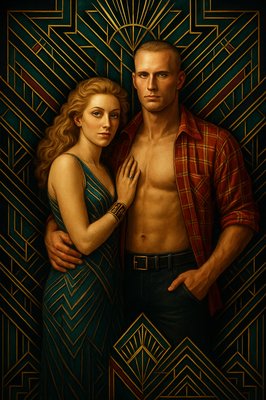
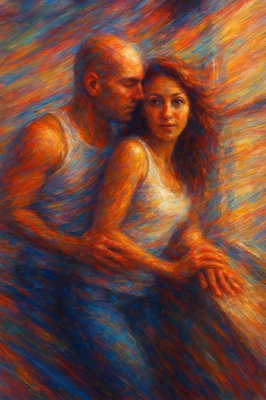
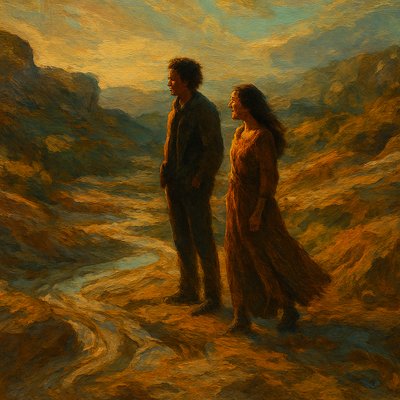
portrait of two people together
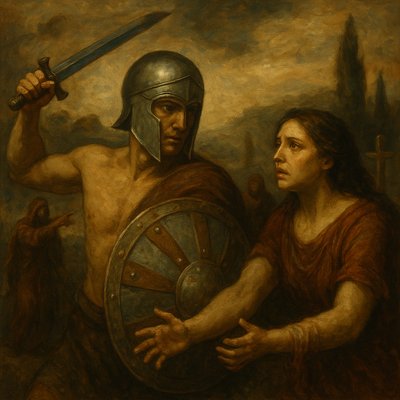
Valkyrie on winged horse
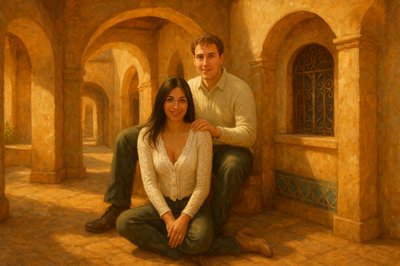
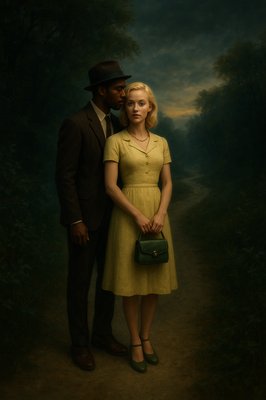
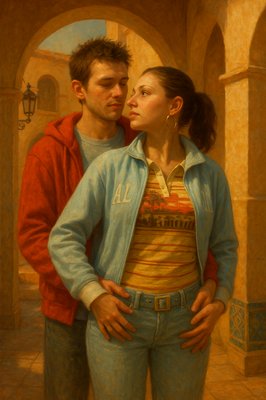
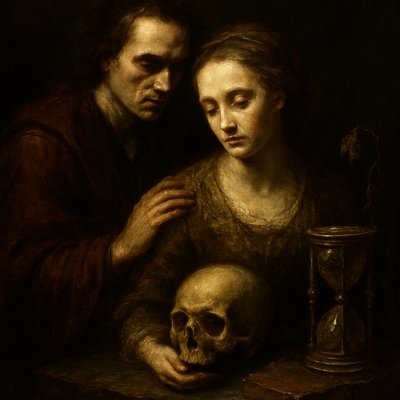
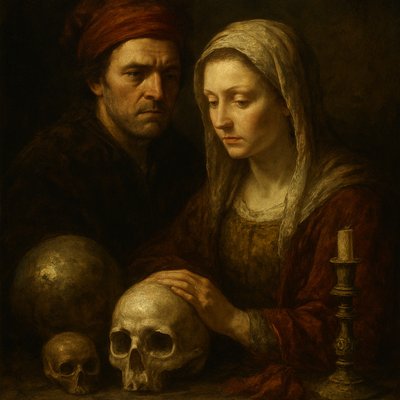
portrait of two people together
house with front view
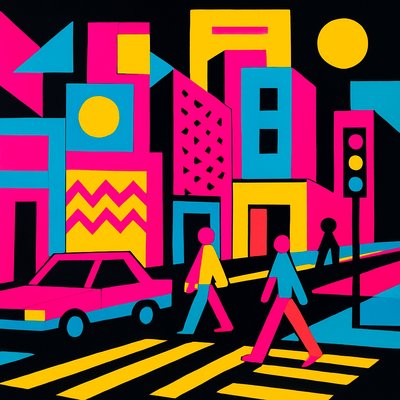
urban street with city activity
a tree in nature
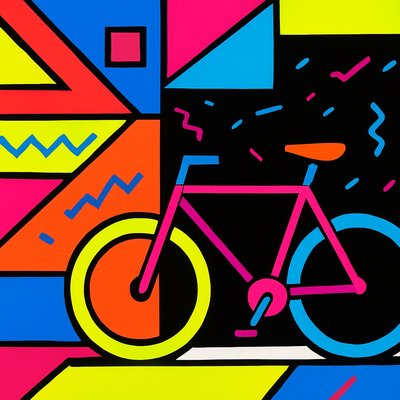
bicyle resting against a wall
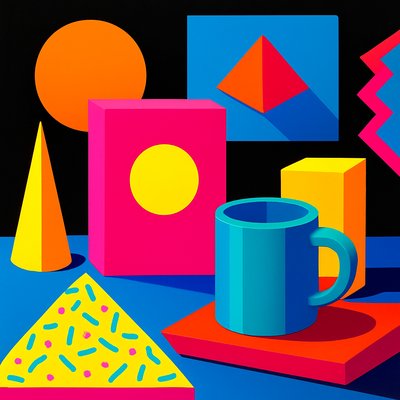
still life with everyday objects
wide landscape with natural scenery
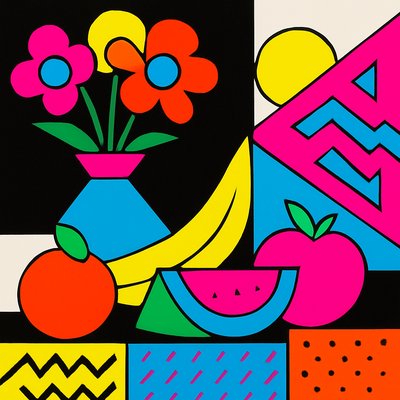
still life arrangement of fruits and flowers
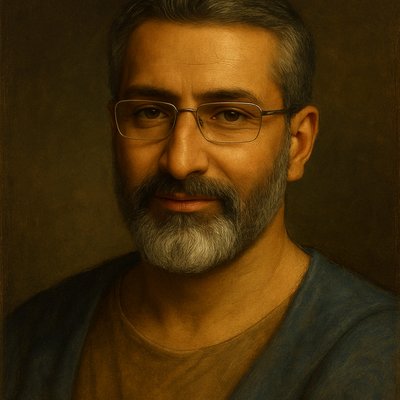
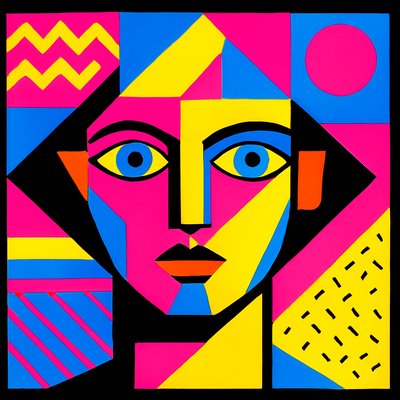
portrait of a person with expressive eyes
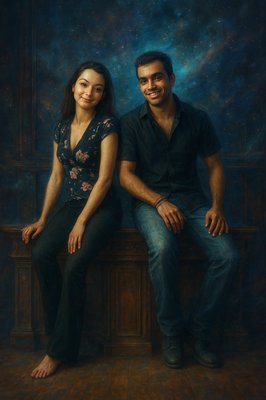
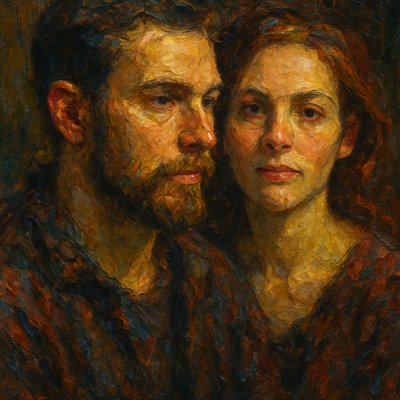
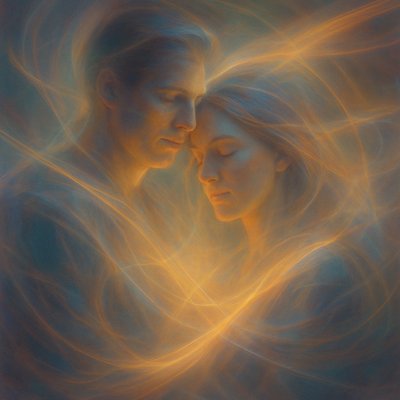
portrait of two people together
A majestic and inspiring depiction of the Crazy Horse National Memorial, captured from a slightly elevated, wide-angle perspective that emphasizes its immense scale and ongoing construction. The colossal carving of Crazy Horse on his war pony is the dominant feature, shown in its current state of detailed progress, with the iconic outstretched arm and pointing finger prominent against the rugged Black Hills. Visible elements of the carving process, such as scaffolding, construction equipment (subtly integrated), or evidence of rock removal, are present, highlighting the monumental effort and generations of work involved. The surrounding landscape of the Black Hills is an integral part of the composition, with pine forests, granite formations, and the vast, open sky providing a dramatic and respectful setting. The lighting is strong and clear, perhaps mid-morning or late afternoon sun, casting dramatic shadows that define the contours of the mountain and the carving. The atmosphere conveys a sense of enduring tribute, cultural pride, determination, and the sheer scale of human endeavor dedicated to honoring a legendary figure. The artistic style is a highly realistic, detailed landscape painting or photograph, emphasizing grandeur and reverence
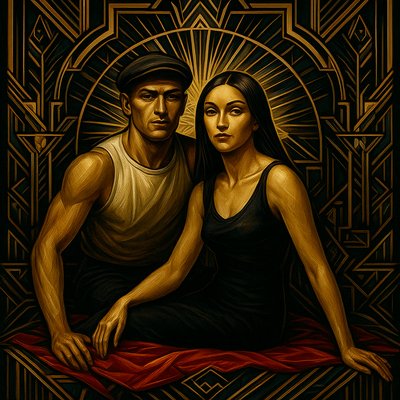
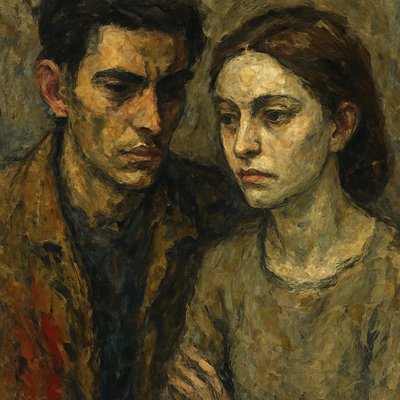
portrait of two people together
The Wizard of Oz Scarecrow, looking surprised and slightly alarmed, as a group of winged flying monkeys descends rapidly from the sky towards him, their taloned feet reaching out. The scene is set in a vibrant, slightly fantastical field with a yellow brick road visible in the distance. Emphasize dynamic motion and the contrast between the playful yet menacing monkeys and the innocent Scarecrow
A breathtaking forest clearing at winter twilight, filled with deep emerald pines and soft ambient mist. At the center of the scene stands an extraordinary Christmas tree—its entire form cleverly created by living horses. Dozens of horses of various sizes and colors stand arranged in a perfect triangular formation from wide base to narrow peak, their bodies forming the layered silhouette of a lush holiday tree. Each horse is positioned with elegant precision so their necks, flowing manes, and arched backs mimic the contours of branches. The base layer features large, sturdy draft horses, chestnuts and bays, standing shoulder to shoulder like the lower boughs. Mid-levels transition to sleek Arabians, palominos, and black stallions, their manes fanned outward like sweeping tree limbs. Near the top, smaller ponies and miniature horses form the upper taper, culminating in a single snow-white miniature horse standing proudly at the peak, glowing with soft magical light like a star.

The horses are adorned with delicate festive accents: strands of golden fairy lights draped across their bodies, pine-needle wreath garlands resting on their necks, tiny crystal ornaments clipped lightly to their manes, and subtle silvery frost sparkling on their coats. Each horse’s breath forms soft clouds in the chilly air. Snow gently falls through shafts of moonlight filtering between towering firs. The forest floor is blanketed with untouched white snow, except for the circle of hoofprints surrounding the living tree. Fireflies and bioluminescent particles drift among the trees, adding a mystical glow. Mood is grand, magical, cinematic, hyper-realistic with extreme detail, crisp textures of fur, snow, and pine, volumetric lighting, dramatic shadows, ultra-high resolution, enchanted winter atmosphere.

Camera & Style cues:
– Wide-angle lens, low camera angle looking slightly upward
– Cinematic depth of field
– Hyper-detailed photorealism
– Soft moonlit color palette with warm golden highlights
– 8K clarity, high dynamic range, deep contrast
– Slight ethereal glow for a magical holiday feel
A breathtaking forest clearing at winter twilight, filled with deep emerald pines and soft ambient mist. At the center of the scene stands an extraordinary Christmas tree—its entire form cleverly created by living horses. Dozens of horses of various sizes and colors stand arranged in a perfect triangular formation from wide base to narrow peak, their bodies forming the layered silhouette of a lush holiday tree. Each horse is positioned with elegant precision so their necks, flowing manes, and arched backs mimic the contours of branches. The base layer features large, sturdy draft horses, chestnuts and bays, standing shoulder to shoulder like the lower boughs. Mid-levels transition to sleek Arabians, palominos, and black stallions, their manes fanned outward like sweeping tree limbs. Near the top, smaller ponies and miniature horses form the upper taper, culminating in a single snow-white miniature horse standing proudly at the peak, glowing with soft magical light like a star.

The horses are adorned with delicate festive accents: strands of golden fairy lights draped across their bodies, pine-needle wreath garlands resting on their necks, tiny crystal ornaments clipped lightly to their manes, and subtle silvery frost sparkling on their coats. Each horse’s breath forms soft clouds in the chilly air. Snow gently falls through shafts of moonlight filtering between towering firs. The forest floor is blanketed with untouched white snow, except for the circle of hoofprints surrounding the living tree. Fireflies and bioluminescent particles drift among the trees, adding a mystical glow. Mood is grand, magical, cinematic, hyper-realistic with extreme detail, crisp textures of fur, snow, and pine, volumetric lighting, dramatic shadows, ultra-high resolution, enchanted winter atmosphere.

Camera & Style cues:
– Wide-angle lens, low camera angle looking slightly upward
– Cinematic depth of field
– Hyper-detailed photorealism
– Soft moonlit color palette with warm golden highlights
– 8K clarity, high dynamic range, deep contrast
– Slight ethereal glow for a magical holiday feel
A breathtaking forest clearing at winter twilight, filled with deep emerald pines and soft ambient mist. At the center of the scene stands an extraordinary Christmas tree—its entire form cleverly created by living horses. Dozens of horses of various sizes and colors stand arranged in a perfect triangular formation from wide base to narrow peak, their bodies forming the layered silhouette of a lush holiday tree. Each horse is positioned with elegant precision so their necks, flowing manes, and arched backs mimic the contours of branches. The base layer features large, sturdy draft horses, chestnuts and bays, standing shoulder to shoulder like the lower boughs. Mid-levels transition to sleek Arabians, palominos, and black stallions, their manes fanned outward like sweeping tree limbs. Near the top, smaller ponies and miniature horses form the upper taper, culminating in a single snow-white miniature horse standing proudly at the peak, glowing with soft magical light like a star.

The horses are adorned with delicate festive accents: strands of golden fairy lights draped across their bodies, pine-needle wreath garlands resting on their necks, tiny crystal ornaments clipped lightly to their manes, and subtle silvery frost sparkling on their coats. Each horse’s breath forms soft clouds in the chilly air. Snow gently falls through shafts of moonlight filtering between towering firs. The forest floor is blanketed with untouched white snow, except for the circle of hoofprints surrounding the living tree. Fireflies and bioluminescent particles drift among the trees, adding a mystical glow. Mood is grand, magical, cinematic, hyper-realistic with extreme detail, crisp textures of fur, snow, and pine, volumetric lighting, dramatic shadows, ultra-high resolution, enchanted winter atmosphere.

Camera & Style cues:
– Wide-angle lens, low camera angle looking slightly upward
– Cinematic depth of field
– Hyper-detailed photorealism
– Soft moonlit color palette with warm golden highlights
– 8K clarity, high dynamic range, deep contrast
– Slight ethereal glow for a magical holiday feel
A breathtaking forest clearing at winter twilight, filled with deep emerald pines and soft ambient mist. At the center of the scene stands an extraordinary Christmas tree—its entire form cleverly created by living horses. Dozens of horses of various sizes and colors stand arranged in a perfect triangular formation from wide base to narrow peak, their bodies forming the layered silhouette of a lush holiday tree. Each horse is positioned with elegant precision so their necks, flowing manes, and arched backs mimic the contours of branches. The base layer features large, sturdy draft horses, chestnuts and bays, standing shoulder to shoulder like the lower boughs. Mid-levels transition to sleek Arabians, palominos, and black stallions, their manes fanned outward like sweeping tree limbs. Near the top, smaller ponies and miniature horses form the upper taper, culminating in a single snow-white miniature horse standing proudly at the peak, glowing with soft magical light like a star.

The horses are adorned with delicate festive accents: strands of golden fairy lights draped across their bodies, pine-needle wreath garlands resting on their necks, tiny crystal ornaments clipped lightly to their manes, and subtle silvery frost sparkling on their coats. Each horse’s breath forms soft clouds in the chilly air. Snow gently falls through shafts of moonlight filtering between towering firs. The forest floor is blanketed with untouched white snow, except for the circle of hoofprints surrounding the living tree. Fireflies and bioluminescent particles drift among the trees, adding a mystical glow. Mood is grand, magical, cinematic, hyper-realistic with extreme detail, crisp textures of fur, snow, and pine, volumetric lighting, dramatic shadows, ultra-high resolution, enchanted winter atmosphere.

Camera & Style cues:
– Wide-angle lens, low camera angle looking slightly upward
– Cinematic depth of field
– Hyper-detailed photorealism
– Soft moonlit color palette with warm golden highlights
– 8K clarity, high dynamic range, deep contrast
– Slight ethereal glow for a magical holiday feel
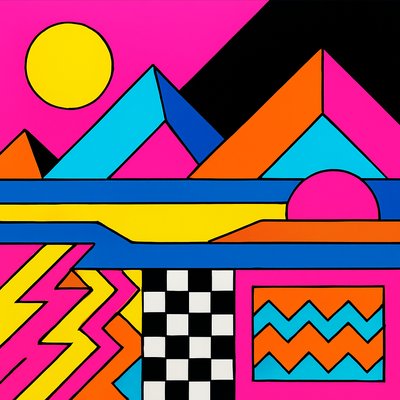
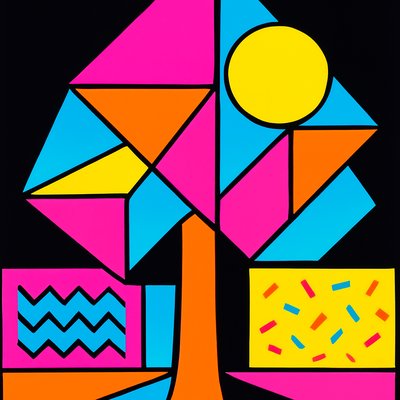
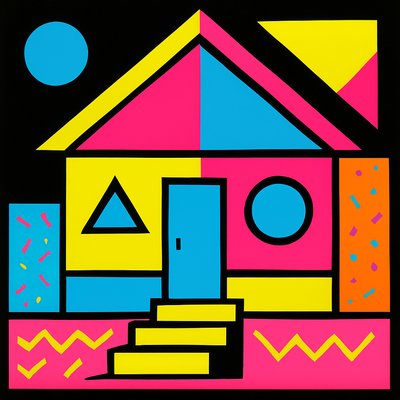
Neo-Geo Art Style Style Transfer Example
animal standing in natural pose
serene landscape with mountains and water
Seabiscuit vs. War Admiral (The Gaze)

    A hyper-realistic, high-resolution photograph capturing the apex of the 1938 match race between Seabiscuit and War Admiral.

    Focus: The composition is tight, showing both horses running neck-and-neck, dominating the frame. The camera angle is side-on and slightly low, emphasizing their size and muscle. The critical focus is on the space between the horses' heads as they are running stride for stride.

    Details: War Admiral (the dark bay) should show determination and slight surprise, with his head stretched out. Seabiscuit (the smaller bay) should display his characteristic "game" look—intense, focused, and seemingly looking directly into War Admiral's eyes (or toward his rival). Both jockeys (Red Pollard or George Woolf for Seabiscuit; Charles Kurtsinger for War Admiral) are visible, leaning low and urging their mounts on.

    Atmosphere: The light should be bright but slightly diffused, suggesting an autumn afternoon at Pimlico. Dust and track debris are kicked up behind them, blurred slightly by the horses' tremendous speed. The image must convey the raw power, intense rivalry, and the exact moment when the smaller horse asserts his dominance.

    Style: Cinematic photography, realistic texture, sharp focus on the horses' eyes and muscle definition.
Seabiscuit vs. War Admiral (The Gaze)

    A hyper-realistic, high-resolution photograph capturing the apex of the 1938 match race between Seabiscuit and War Admiral.

    Focus: The composition is tight, showing both horses running neck-and-neck, dominating the frame. The camera angle is side-on and slightly low, emphasizing their size and muscle. The critical focus is on the space between the horses' heads as they are running stride for stride.

    Details: War Admiral (the dark bay) should show determination and slight surprise, with his head stretched out. Seabiscuit (the smaller bay) should display his characteristic "game" look—intense, focused, and seemingly looking directly into War Admiral's eyes (or toward his rival). Both jockeys (Red Pollard or George Woolf for Seabiscuit; Charles Kurtsinger for War Admiral) are visible, leaning low and urging their mounts on.

    Atmosphere: The light should be bright but slightly diffused, suggesting an autumn afternoon at Pimlico. Dust and track debris are kicked up behind them, blurred slightly by the horses' tremendous speed. The image must convey the raw power, intense rivalry, and the exact moment when the smaller horse asserts his dominance.

    Style: Cinematic photography, realistic texture, sharp focus on the horses' eyes and muscle definition.
Seabiscuit vs. War Admiral (The Gaze)

    A hyper-realistic, high-resolution photograph capturing the apex of the 1938 match race between Seabiscuit and War Admiral.

    Focus: The composition is tight, showing both horses running neck-and-neck, dominating the frame. The camera angle is side-on and slightly low, emphasizing their size and muscle. The critical focus is on the space between the horses' heads as they are running stride for stride.

    Details: War Admiral (the dark bay) should show determination and slight surprise, with his head stretched out. Seabiscuit (the smaller bay) should display his characteristic "game" look—intense, focused, and seemingly looking directly into War Admiral's eyes (or toward his rival). Both jockeys (Red Pollard or George Woolf for Seabiscuit; Charles Kurtsinger for War Admiral) are visible, leaning low and urging their mounts on.

    Atmosphere: The light should be bright but slightly diffused, suggesting an autumn afternoon at Pimlico. Dust and track debris are kicked up behind them, blurred slightly by the horses' tremendous speed. The image must convey the raw power, intense rivalry, and the exact moment when the smaller horse asserts his dominance.

    Style: Cinematic photography, realistic texture, sharp focus on the horses' eyes and muscle definition.
Seabiscuit vs. War Admiral (The Gaze)

    A hyper-realistic, high-resolution photograph capturing the apex of the 1938 match race between Seabiscuit and War Admiral.

    Focus: The composition is tight, showing both horses running neck-and-neck, dominating the frame. The camera angle is side-on and slightly low, emphasizing their size and muscle. The critical focus is on the space between the horses' heads as they are running stride for stride.

    Details: War Admiral (the dark bay) should show determination and slight surprise, with his head stretched out. Seabiscuit (the smaller bay) should display his characteristic "game" look—intense, focused, and seemingly looking directly into War Admiral's eyes (or toward his rival). Both jockeys (Red Pollard or George Woolf for Seabiscuit; Charles Kurtsinger for War Admiral) are visible, leaning low and urging their mounts on.

    Atmosphere: The light should be bright but slightly diffused, suggesting an autumn afternoon at Pimlico. Dust and track debris are kicked up behind them, blurred slightly by the horses' tremendous speed. The image must convey the raw power, intense rivalry, and the exact moment when the smaller horse asserts his dominance.

    Style: Cinematic photography, realistic texture, sharp focus on the horses' eyes and muscle definition.
whimsical little horse, intricate details, watercolor-dream mood, gentle movement in the mane and tail, expressive eyes, cinematic depth and color
Painting exploring the relationship between people and land in the art style of Antipodeans --v 6.1
whimsical little horse, intricate details, watercolor-dream mood, gentle movement in the mane and tail, expressive eyes, cinematic depth and color
Palm-sized mythical horse figurine, anatomically correct with gentle pose and calm expression, subtle wings, minimalist fantasy style, whimsical and serene, soft studio lighting with shallow depth of field, plain background, limited colors, high but restrained detail tiny spirit horse
portrait of two people together
The Wizard of Oz Scarecrow, looking surprised and slightly alarmed, as a group of winged flying monkeys descends rapidly from the sky towards him, their taloned feet reaching out. The scene is set in a vibrant, slightly fantastical field with a yellow brick road visible in the distance. Emphasize dynamic motion and the contrast between the playful yet menacing monkeys and the innocent Scarecrow
Palm-sized mythical horse figurine, anatomically correct with gentle pose and calm expression, subtle wings, minimalist fantasy style, whimsical and serene, soft studio lighting with shallow depth of field, plain background, limited colors, high but restrained detail tiny spirit horse
"A historically accurate depiction of a Ghost Dance, focusing on the late 19th-century context, specifically around 1890-1891. The scene shows Lakota (Sioux) or Northern Paiute people (specify one or include elements of both, but avoid anachronisms) participating in the ceremony.

Setting: A vast, open prairie or high desert landscape, under an expansive sky. The time of day could be dusk or night, with a prominent moon or stars, or a bright, clear day. Avoid overtly spiritual or ethereal elements like floating spirits unless explicitly requested for a later, more symbolic iteration. The focus should be on the earthly ceremony.

Participants: A circle of men, women, and children, hand-in-hand, moving in a slow, rhythmic shuffle or circular motion. Their faces show a mixture of devotion, hope, and determination. Some may have expressions of trance or deep concentration.

Attire:

    Ghost Dance Shirts/Dresses: Emphasize the unique Ghost Dance shirts and dresses, which were typically made of muslin or canvas. These garments should feature painted designs such as stars, crescents, birds (especially eagles or crows), buffalo, human figures, or crosses. The designs should appear hand-painted, not mass-produced.

    Hair and Adornments: Participants should have braided hair or wear it long. Some may wear feathers (e.g., eagle or hawk feathers) in their hair. Minimal traditional adornments, as the focus was often on the Ghost Dance shirt itself. Avoid overly elaborate or Hollywood-esque depictions of war bonnets unless relevant to a specific individual and context.

    Footwear: Moccasins or bare feet.

Action/Atmosphere:

    The dancers are moving in a counter-clockwise circle, with a central figure or a small group often leading.

    The overall mood is one of earnest prayer and communal spiritual effort. The dance should convey a sense of hope for renewal and the return of the old ways, rather than aggression or despair.

    There might be a central pole or small fire as a focal point, around which the dance takes place.

    Avoid any signs of direct conflict or violence; the Ghost Dance itself was a non-violent spiritual movement.

Specific Considerations for Accuracy:

    Wovoka's Influence: The teachings of Wovoka (the Northern Paiute prophet) emphasized peace, hard work, and the return of the buffalo and deceased ancestors. The scene should subtly reflect this hopeful, redemptive spirit.

    Regional Variations: If focusing on Lakota, consider their specific interpretations, which sometimes included more imagery related to their warrior traditions on the shirts, but still within the peaceful framework of the dance.

    Respectful Portrayal: Ensure the depiction is respectful and avoids any stereotypical or caricatured representations of Indigenous people. Focus on their human dignity and spiritual sincerity.
portrait of two people together
in the style of John Atkinson Grimshaw,
bird’s‑eye view, camera looking downward from a moderate height over hot air balloons rising steadily and moving with the wind through clear blue skies,
subtle curvature of the landscape visible below,
rich jewel‑tone reds, teals, and golds catching warm natural sunlight, realistic wind‑driven motion, natural directional flow, a hillside overlook below with small groups of people watching the balloons, holding umbrellas for shade, wearing Victorian‑style clothing,
long tailored coats, layered skirts, high collars,
grounded composition, realistic atmospheric depth, cinematic painterly