A Man With His Hands In His Pockets Art

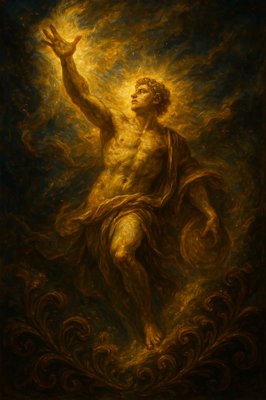
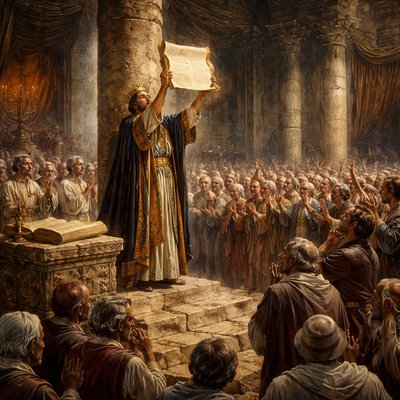
a painting of a man with a crown on his head
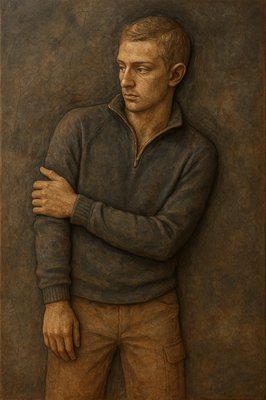
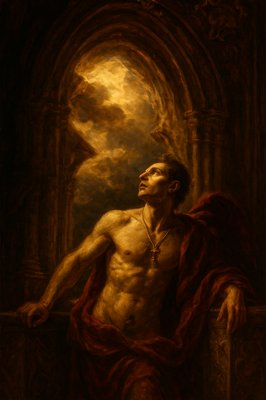
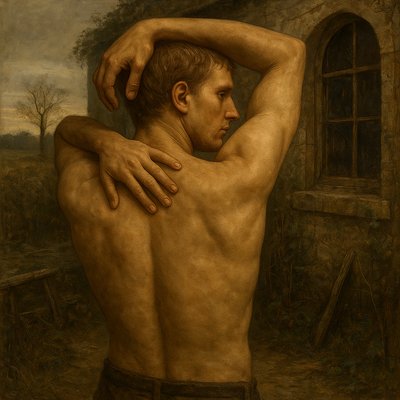
a painting of a man with his arms crossed
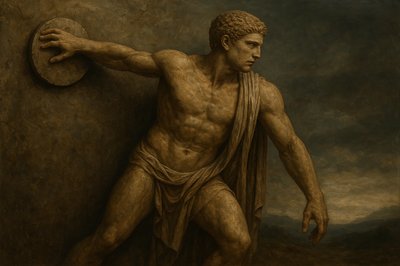
a painting of a man with a disc in his hand
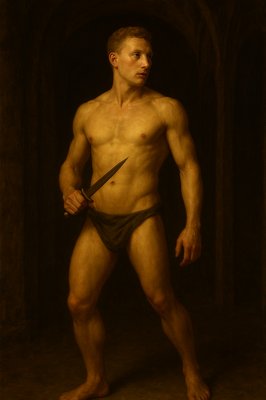
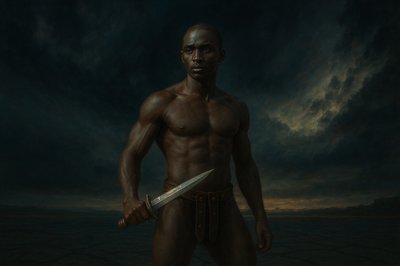
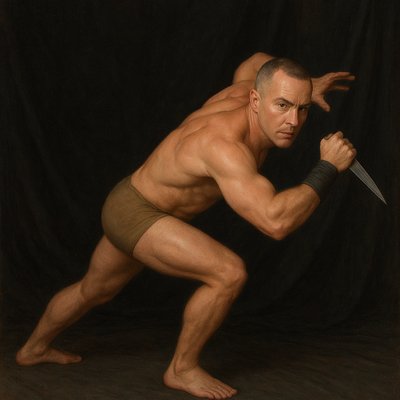
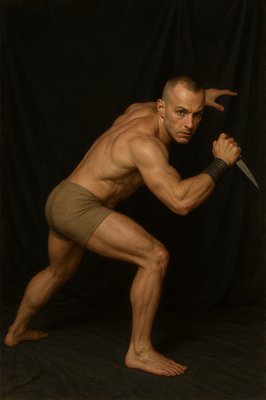
a painting of a man with a knife in his hand
a painting of a man with his arms crossed
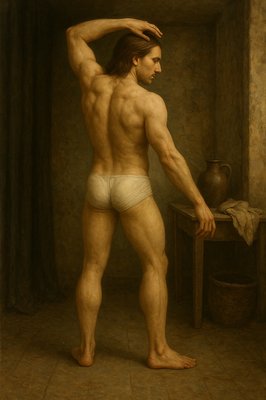
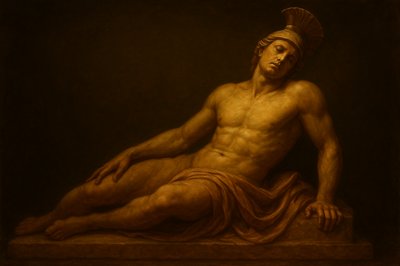
a statue of a man with a towel on his head
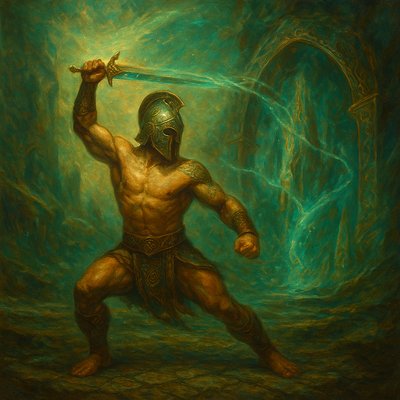
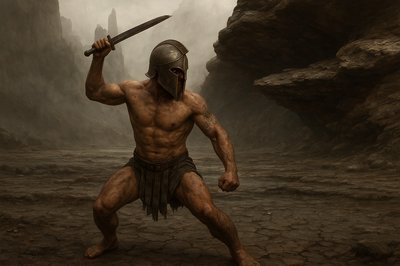
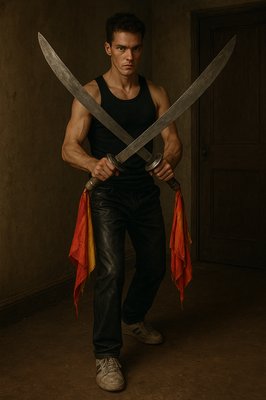
a painting of a man with a sword in his hand
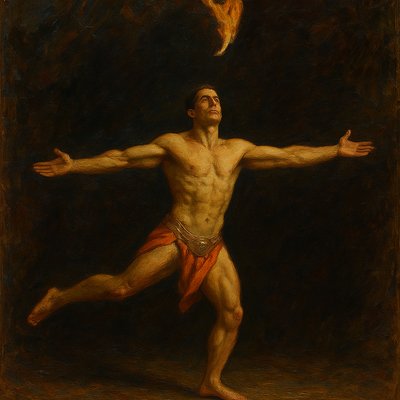
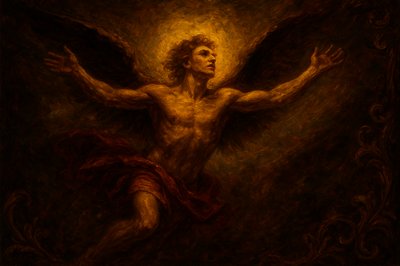
a painting of a man with his arms outstretched
a painting of a man with a knife in his hand
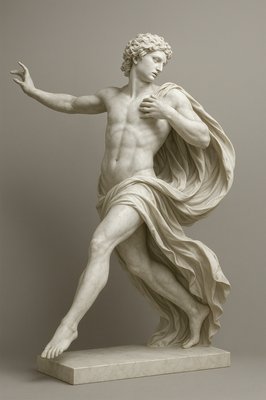
a statue of a man with a ball in his hand
a painting of a man with his arms outstretched
a man is walking in the rain with his reflection in the water
a painting of a man with a sword in his hand
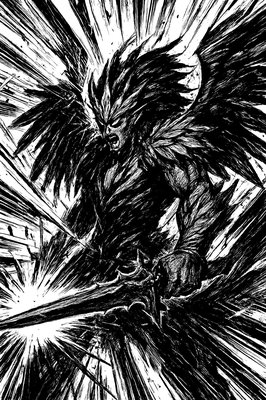
a drawing of a man with a sword in his hand
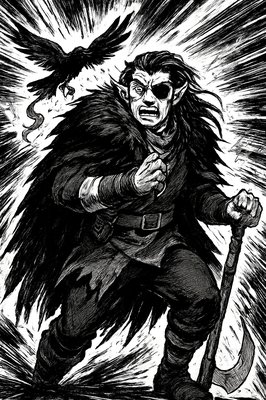
a drawing of a man with a bird on his shoulder
a drawing of a man with a sword in his hand
an old man with a stethoscope in his hand
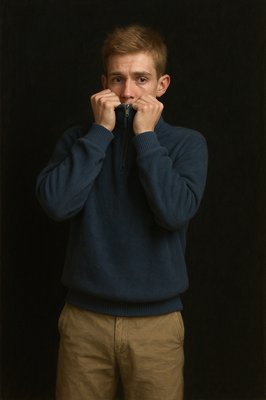
a man in a blue sweater covers his mouth with his hands
Volume 1 – Chapter 1: “Running Away”

Story Points:

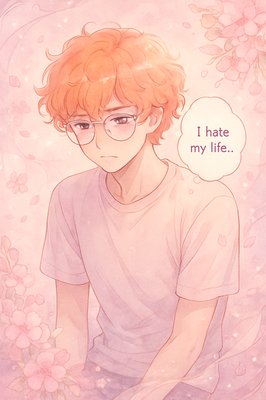
Ji Hun is bored and unhappy with his life in the band “Forever.” Inner thoughts reveal his frustration and desire to escape.

He decides to run away; changes his appearance with a ginger curly wig and glasses to hide his identity.

Ji Hun sneaks out, but security guards notice him and start chasing him.

While running, he accidentally bumps into Min Joon, a girl with long curly black hair, wearing a hoodie and baggy jeans. They fall on the ground.

Min Joon helps him up and insists on taking him to her home to relax.

She offers him tea and biscuits; they start talking. Ji Hun lies and says his name is “Jin” and that he is an accountant.

He notices posters of his band “Forever” in her room and realizes she is a fan. Min Joon praises Ji Hun’s voice, making him shy.

Ji Hun talks about never enjoying life; Min Joon promises to teach him how to enjoy life.

Ji Hun hesitates, worried about being recognized, but she reassures him. He agrees to go with her.

Min Joon prepares to take him outside, setting up the transition to Chapter 2 (car ride and amusement park).

Page/Panel Flow Suggestions:

Pages 1–3: Ji Hun’s frustration, morning in the band dorm, decision to escape.

Pages 4–5: Ji Hun changing disguise.

Pages 6–8: Running and being chased by security guards.

Pages 9–12: Collision with Min Joon, first meeting.

Pages 13–16: Min Joon taking him home, tea and biscuits scene.

Pages 17–20: Conversation about Ji Hun’s unhappiness, Min Joon promising to show him joy.
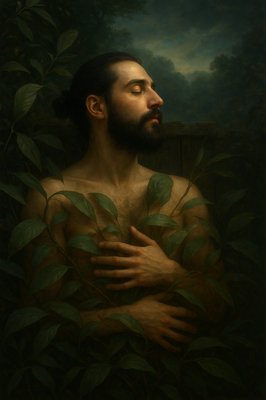
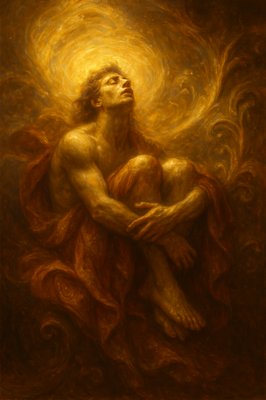
Gesture isn’t always movement — sometimes it’s the stillness that speaks. The warmth of peace, the weight of His hands, and the quiet breath of the Word alive within me.
The First approached the elephant, and happening to fall against his broad and study side, at once began to bawl; God bless me! But the elephant is very like a wall!
It was six men of Indostan to learning much inclined, who went to see the elephant, though all of them were blind, that each by observation might satisfy his mind.
Seabiscuit vs. War Admiral (The Gaze)

    A hyper-realistic, high-resolution photograph capturing the apex of the 1938 match race between Seabiscuit and War Admiral.

    Focus: The composition is tight, showing both horses running neck-and-neck, dominating the frame. The camera angle is side-on and slightly low, emphasizing their size and muscle. The critical focus is on the space between the horses' heads as they are running stride for stride.

    Details: War Admiral (the dark bay) should show determination and slight surprise, with his head stretched out. Seabiscuit (the smaller bay) should display his characteristic "game" look—intense, focused, and seemingly looking directly into War Admiral's eyes (or toward his rival). Both jockeys (Red Pollard or George Woolf for Seabiscuit; Charles Kurtsinger for War Admiral) are visible, leaning low and urging their mounts on.

    Atmosphere: The light should be bright but slightly diffused, suggesting an autumn afternoon at Pimlico. Dust and track debris are kicked up behind them, blurred slightly by the horses' tremendous speed. The image must convey the raw power, intense rivalry, and the exact moment when the smaller horse asserts his dominance.

    Style: Cinematic photography, realistic texture, sharp focus on the horses' eyes and muscle definition.
Seabiscuit vs. War Admiral (The Gaze)

    A hyper-realistic, high-resolution photograph capturing the apex of the 1938 match race between Seabiscuit and War Admiral.

    Focus: The composition is tight, showing both horses running neck-and-neck, dominating the frame. The camera angle is side-on and slightly low, emphasizing their size and muscle. The critical focus is on the space between the horses' heads as they are running stride for stride.

    Details: War Admiral (the dark bay) should show determination and slight surprise, with his head stretched out. Seabiscuit (the smaller bay) should display his characteristic "game" look—intense, focused, and seemingly looking directly into War Admiral's eyes (or toward his rival). Both jockeys (Red Pollard or George Woolf for Seabiscuit; Charles Kurtsinger for War Admiral) are visible, leaning low and urging their mounts on.

    Atmosphere: The light should be bright but slightly diffused, suggesting an autumn afternoon at Pimlico. Dust and track debris are kicked up behind them, blurred slightly by the horses' tremendous speed. The image must convey the raw power, intense rivalry, and the exact moment when the smaller horse asserts his dominance.

    Style: Cinematic photography, realistic texture, sharp focus on the horses' eyes and muscle definition.
Seabiscuit vs. War Admiral (The Gaze)

    A hyper-realistic, high-resolution photograph capturing the apex of the 1938 match race between Seabiscuit and War Admiral.

    Focus: The composition is tight, showing both horses running neck-and-neck, dominating the frame. The camera angle is side-on and slightly low, emphasizing their size and muscle. The critical focus is on the space between the horses' heads as they are running stride for stride.

    Details: War Admiral (the dark bay) should show determination and slight surprise, with his head stretched out. Seabiscuit (the smaller bay) should display his characteristic "game" look—intense, focused, and seemingly looking directly into War Admiral's eyes (or toward his rival). Both jockeys (Red Pollard or George Woolf for Seabiscuit; Charles Kurtsinger for War Admiral) are visible, leaning low and urging their mounts on.

    Atmosphere: The light should be bright but slightly diffused, suggesting an autumn afternoon at Pimlico. Dust and track debris are kicked up behind them, blurred slightly by the horses' tremendous speed. The image must convey the raw power, intense rivalry, and the exact moment when the smaller horse asserts his dominance.

    Style: Cinematic photography, realistic texture, sharp focus on the horses' eyes and muscle definition.
Seabiscuit vs. War Admiral (The Gaze)

    A hyper-realistic, high-resolution photograph capturing the apex of the 1938 match race between Seabiscuit and War Admiral.

    Focus: The composition is tight, showing both horses running neck-and-neck, dominating the frame. The camera angle is side-on and slightly low, emphasizing their size and muscle. The critical focus is on the space between the horses' heads as they are running stride for stride.

    Details: War Admiral (the dark bay) should show determination and slight surprise, with his head stretched out. Seabiscuit (the smaller bay) should display his characteristic "game" look—intense, focused, and seemingly looking directly into War Admiral's eyes (or toward his rival). Both jockeys (Red Pollard or George Woolf for Seabiscuit; Charles Kurtsinger for War Admiral) are visible, leaning low and urging their mounts on.

    Atmosphere: The light should be bright but slightly diffused, suggesting an autumn afternoon at Pimlico. Dust and track debris are kicked up behind them, blurred slightly by the horses' tremendous speed. The image must convey the raw power, intense rivalry, and the exact moment when the smaller horse asserts his dominance.

    Style: Cinematic photography, realistic texture, sharp focus on the horses' eyes and muscle definition.
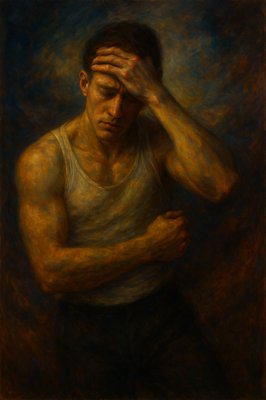
a painting of a man holding his head
a man holding a basketball in his right hand
a man holding a pair of scissors in his right hand
A visceral, raw, and highly texturally detailed conceptual artwork. In the center, three crude wooden crosses are silhouetted against a dark, stormy, indigo sky. The central figure, Christ, is "numbered" among two criminals, but his face is bathed in a faint, unseen celestial glow that the others lack. A massive, heavy, shadowy cloak, made of thousands of tiny, interwoven dark figures and faces (representing "the sin of many"), is visibly draped over his shoulders, weighing him down. Below the crosses, the stormy sky is breaking, revealing a sliver of intense golden dawn, hinting at the "portion with the great" yet to come. Symbolic, poignant, high contrast.“Therefore will I divide him a portion with the great, and he shall divide the spoil with the strong; because he hath poured out his soul unto death: and he was numbered with the transgressors; and he bare the sin of many, and made intercession for the transgressors.” (Isaiah 53:12, KJV)
A cinematic, hyper-realistic wide shot of six valiant biblical warriors, the sons of Tola, standing as "heads of their father’s house" in an ancient Levantine desert landscape. In the center, Uzzi is a massive, muscular commander clad in bronze armor, incongruously wielding a modern tactical Uzi submachine gun with gold engravings. Surrounding him are his brothers: Rephaiah holding a staff entwined with healing herbs; Jeriel standing atop a massive foundation stone looking toward heaven; Jahmai enveloped in a warm, protective golden aura; Jibsam Holding a detailed censer releasing fragrant incense smoke.; and Shemuel in a posture of listening, hand to his ear as if hearing a divine whisper. In the background, a vast army of 22,600 soldiers stretches to the horizon under the golden sun of King David’s era. Epic composition, dramatic chiaroscuro lighting, intricate leather and metal textures, 8k resolution, ArtStation style.
“And he made his grave with the wicked, and with the rich in his death; because he had done no violence, neither was any deceit in his mouth.” (Isaiah 53:9, KJV)
Create a hyper-realistic image with slight surreal elements and extreme detail of a medieval battlefield viewed from a worm's eye perspective, looking up at a fierce warrior in full plate armor, including a visored helmet that obscures his face, standing in a defensive battle stance with a gleaming longsword raised in one hand and a sturdy shield emblazoned with glowing cross emblems in the other, his armor radiating ethereal light from intricate cross motifs.
And they shall amerce him in an hundred shekels of silver, and give them unto the father of the damsel, because he hath brought up an evil name upon a virgin of Israel: and she shall be his wife; he may not put her away all his days. 
(Deuteronomy 22:19 KJV)
Gesture isn’t always movement — sometimes it’s the stillness that speaks. The warmth of peace, the weight of His hands, and the quiet breath of the Word alive within me.
A highly detailed steampunk fantasy reimagining of Émile Renouf's "The Helping Hand" (1881), where an elderly fisherman with a weathered face, bushy mustache, brass-rimmed goggles perched on his forehead, a leather apron adorned with gears and pouches of tools, and a tricorn hat fitted with a small steam whistle, reaches out to assist a wide-eyed young girl in a frilly Victorian dress modified with corseted bodice, puffed sleeves of oil-stained fabric, and tiny mechanical bird brooch. They stand together in a compact, riveted iron rowboat propelled by a hissing steam engine at the stern, with exposed copper pipes, whirring pistons, and a propeller churning the ethereal, mist-shrouded waves of a fantastical ocean dotted with floating clockwork islands and distant airships billowing smoke. The pair collaboratively hauls a massive, enchanted fishing net woven with glowing aether filaments and brass weights, teeming with bioluminescent mechanical fish hybrids—scales of etched metal and fins like unfolding fans—symbolizing intergenerational ingenuity and wonder. Render in intricate digital art style blending Victorian engraving precision with fantastical whimsy, warm sepia tones accented by burnished golds, verdigris greens, and sparks of arcane blue energy, dramatic chiaroscuro lighting from a setting sun filtered through industrial haze, ultra-detailed textures on leather, rust, and fabric, cinematic composition with dynamic tension in their clasped hands
Create a hyper-realistic image with slight surreal elements and extreme detail of a medieval battlefield viewed from a worm's eye perspective, looking up at a fierce warrior in full plate armor, including a visored helmet that obscures his face, standing in a defensive battle stance with a gleaming longsword raised in one hand and a sturdy shield emblazoned with glowing cross emblems in the other, his armor radiating ethereal light from intricate cross motifs.
"Oliver, a human-sized, bipedal tabby cat with a trench coat and fedora, stands under the dim, atmospheric lighting of the original Grand Canyon Xanterra Lodge lobby. The scene is shot in classic film noir style, with strong contrasts between light and shadow, creating dramatic silhouettes and long, exaggerated shadows. Rain streaks down the large lobby windows, reflecting the neon glow from outside. He gestures with one paw towards an unseen check-in desk, his expression a mix of polite welcome and guarded cynicism. The texture of his fur is visible, adding to his rugged, lived-in appearance. Guests, depicted as blurred, indistinct figures, mill about in the background, their faces obscured by shadow or distance. The overall mood is mysterious, slightly melancholic, and undeniably stylish, capturing the essence of a bygone era."

“And he made his grave with the wicked, and with the rich in his death; because he had done no violence, neither was any deceit in his mouth.” (Isaiah 53:9, KJV)
"A dramatic, full-body portrait of Arnold Schwarzenegger as a Steampunk Terminator, standing powerfully in a richly detailed Victorian-era workshop. Arnold's iconic Terminator face is visible, with a glowing red eye, partially obscured by an intricate, metallic eyepatch and visible cybernetic components around his neck and face. He wears a heavy, dark brown leather duster coat over a tailored waistcoat and trousers, all adorned with brass buckles, gears, and leather straps. His left arm is a formidable steampunk prosthetic, crafted from polished brass, copper, and exposed gears, ending in a massive, Gatling-gun-like weapon integrated into the forearm. His right hand wears a finely detailed leather glove with metallic accents. The background of the workshop is filled with vintage machinery, pressure gauges, steam pipes, exposed brick walls, and the soft glow of gas lamps. Smoke or steam gently drifts through the air, adding to the atmospheric industrial setting. The overall aesthetic is gritty, sophisticated, and perfectly blends the sci-fi elements of the Terminator with the intricate mechanical beauty of steampunk