A Man In A Blue Sweater Covers His Mouth With His Hands Art

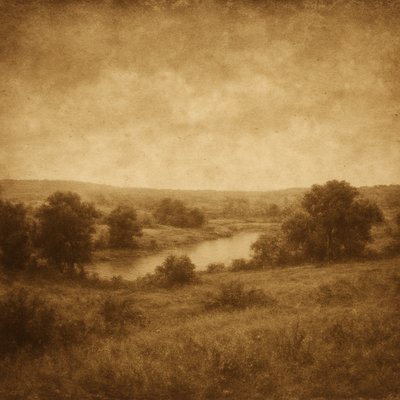
wide landscape with natural scenery
A beautiful young woman with fair skin, light brown hair styled in a braid, and rosy cheeks stands outdoors in front of a rustic stone and ivy-covered building. She is wearing a simple, practical light brown dress with an apron-style overlay, suggestive of a farm setting. Her right arm is extended, and she is wearing a dark leather glove on her hand, upon which a messenger pigeon has just landed. The pigeon is a classic racing pigeon type, with iridescent green and purple neck feathers, and it has its wings slightly spread as if in the act of landing or adjusting. A small message capsule or scroll is clearly visible attached to one of its legs. The woman looks slightly upwards and to the right with a soft, warm expression, her lips slightly parted, as if acknowledging the pigeon or looking towards the message. In the background, to the right, is a picturesque green landscape under a bright sky with scattered clouds, featuring rolling hills, a small, distant stone building, and what appears to be an old cannon or piece of artillery, hinting at a historical wartime context. The overall lighting is warm and natural, creating a serene yet significant atmosphere.
A historically accurate and atmospheric depiction of the signing of the Mayflower Compact aboard the ship in November 1620. The scene is set in the dimly lit, cramped cabin of the Mayflower, with the ship's timbers and rigging subtly visible, conveying the challenging conditions of the voyage. A simple table or chest serves as the signing surface. The primary focus is on a small group of the last individuals signing the document: specifically, the indentured servants (or 'strangers' not directly part of the Separatist congregation) approaching or at the table. Their expressions show a mix of weary determination, understanding of the necessity, and perhaps a hint of quiet apprehension or resignation to this new social contract, given their status. They are dressed in the plain, practical clothing typical of 17th-century commoners and laborers. Figures of prominent Pilgrims or 'Saints' (like William Bradford or John Carver) are visible in the background, observing the proceedings with a sense of gravity and leadership, but they are not the central focus. The lighting is low and warm, perhaps from a lantern, creating a chiaroscuro effect that highlights the faces of the signers. The atmosphere conveys the momentousness of the act under difficult circumstances, the diverse composition of the group, and the early seeds of self-governance in a new world. The artistic style is a realistic, historically detailed oil painting, capturing the solemnity and human element of this pivotal historical moment."

Masterpiece of Japanese fantasy illustration, ultra-detailed, refined high-end aesthetic, majestic horse as a Shōgatsu New Year symbol, complete and graceful form, body adorned with intricate traditional Japanese motifs inspired by kimono textiles and Edo-period patterns, including seigaiha waves, asanoha geometry, and subtle sakura accents, delicate gold leaf and fine metallic ink tracing contours, ultra-fine linework with hand-inked precision, standing against a minimal washi-paper background in soft ivory with muted crimson and ink-black accents, flowing mane and tail with elegant, elongated motion conveying calm strength and forward momentum, mid-shot, front-facing composition, balanced use of negative space, refined textile-like textures, quiet ceremonial atmosphere, 8K resolution, hyper-detailed yet painterly rendering, museum-quality illustration, subtle gold calligraphy text at top reading “2026 年 馬” with a smaller inscription “謹賀新年”, in the style of Japanese ink illustration blended with contemporary fantasy art, delicate line-art, restrained color palette, timeless and elegant
Figure studies for altarpiece
wide landscape with natural scenery
animal standing in natural pose
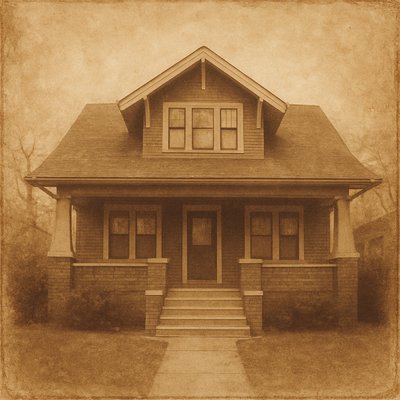
house with front view
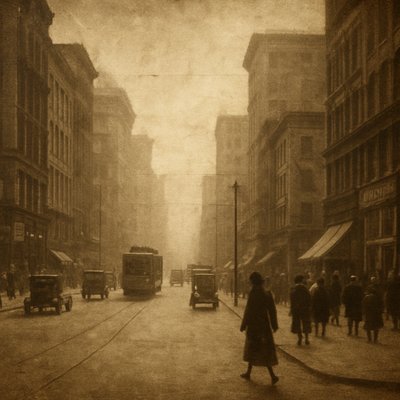
New York City
Bipolar self-portrait
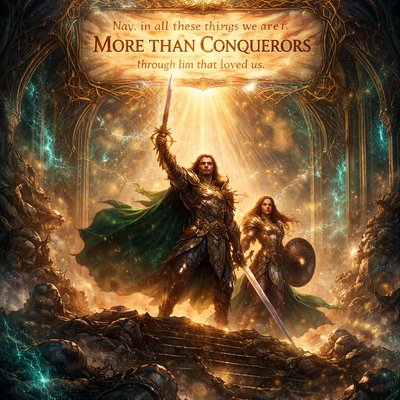
John 14:6 Jesus addressing His disciples at the last supper
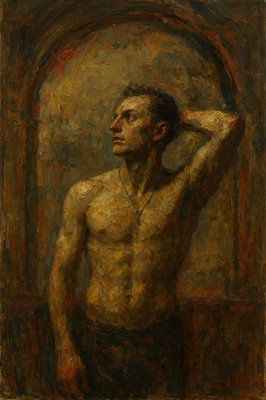
portrait of a person with expressive eyes
Library of memories
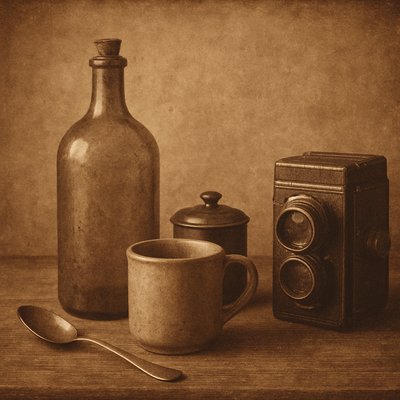
still life with everyday objects
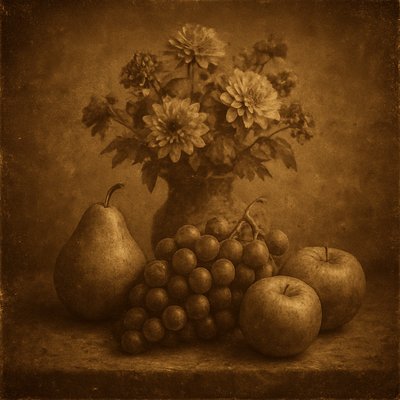
still life arrangement of fruits and flowers
wide landscape with natural scenery
New European Painting Style Style Transfer Example
Oxidation Gradient Metalwork Style Transfer Example
portrait of two people together
This sounds like a wonderfully whimsical and festive image! Combining the classic pumpkin head with a burst of candy and unique carving will make for a very creative Halloween or autumn piece.

Here's a prompt for a Happy Pumpkin Head Figure with Candy Bursting Out for ArtStyles.com:

Happy Pumpkin Head with Candy Burst Prompt

"A cheerful and fantastical figure with a large, glowing jack-o'-lantern for a head. The pumpkin's face is carved with a distinctly happy, friendly, wide-mouthed smile and joyful eyes. Instead of traditional jagged cuts, the facial features (eyes, nose, mouth) are intricately carved with elegant, swirling, vine-like patterns, giving it a whimsical and artistic look. The pumpkin head emits a warm, inviting orange glow from within.

Dramatically bursting and cascading out of the very top of the pumpkin's head is an overflowing abundance of vibrant, colorful Halloween candy. This candy explosion includes individually wrapped chocolates, lollipops, jelly beans, candy corn, and various brightly colored sweets, all tumbling outwards in a joyous, sugary fountain.

The figure itself has a rustic, scarecrow-like body, perhaps dressed in tattered but festive autumn-colored clothing (e.g., burlap, plaid, or warm browns and oranges), standing in an autumnal setting. The background could feature a gently lit pumpkin patch, fallen autumn leaves, or a soft, blurred evening sky. The lighting is warm and enchanting, highlighting the pumpkin's glow and the glossy sheen of the candy. The overall mood is one of festive joy, playful magic, and autumnal abundance."whimsical illustration, vibrant autumn colors, detailed candy textures, glowing effects, playful character design, festive atmosphere
An awe-inspiring and whimsical scene featuring Willy Wonka's Great Glass Wonkavator, soaring high above Louisiana and ascending into a fantastical sky. The Wonkavator itself is a magnificent, multi-directional glass elevator, transparent and sparkling, with Willy Wonka (in his iconic purple coat and top hat), and several anthrpomorphic cats in stylish New Orleans clothing clearly visible and enjoying the ride inside. The interior of the Wonkavator shows intricate, whimsical control panels. The Wonkavator is depicted in mid-flight, having just burst through the factory roof or rising above the clouds. Below it, the fantastical landscape of the Bayou and various whimsical buildings from the city of New Orleans. Beyond is the ocean. The lighting is bright and magical, emphasizing the glass's transparency and the vibrant colors of the world below and beyond. The overall mood is one of boundless adventure, limitless possibilities, and pure, joyful fantasy."
still life with everyday objects
portrait of two people together
serene landscape with mountains and water
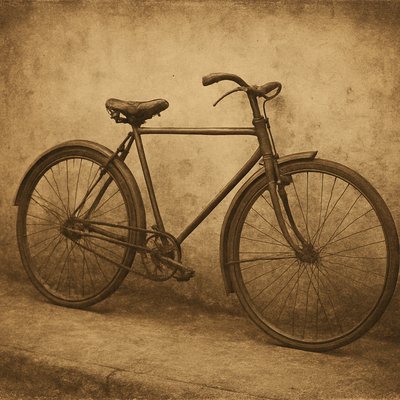
bicyle resting against a wall
A historically accurate and atmospheric depiction of the signing of the Mayflower Compact aboard the ship in November 1620. The scene is set in the dimly lit, cramped cabin of the Mayflower, with the ship's timbers and rigging subtly visible, conveying the challenging conditions of the voyage. A simple table or chest serves as the signing surface. The primary focus is on a small group of the last individuals signing the document: specifically, the indentured servants (or 'strangers' not directly part of the Separatist congregation) approaching or at the table. Their expressions show a mix of weary determination, understanding of the necessity, and perhaps a hint of quiet apprehension or resignation to this new social contract, given their status. They are dressed in the plain, practical clothing typical of 17th-century commoners and laborers. Figures of prominent Pilgrims or 'Saints' (like William Bradford or John Carver) are visible in the background, observing the proceedings with a sense of gravity and leadership, but they are not the central focus. The lighting is low and warm, perhaps from a lantern, creating a chiaroscuro effect that highlights the faces of the signers. The atmosphere conveys the momentousness of the act under difficult circumstances, the diverse composition of the group, and the early seeds of self-governance in a new world. The artistic style is a realistic, historically detailed oil painting, capturing the solemnity and human element of this pivotal historical moment."
An awe-inspiring and whimsical scene featuring Willy Wonka's Great Glass Wonkavator, soaring through the sky and beyond the confines of the chocolate factory. The Wonkavator itself is a magnificent, multi-directional glass elevator, transparent and sparkling, with a middle aged Willy Wonka (wearing his iconic top hat, purple coat, and bowtie) and a young Victorian well dressed lady looking out with expressions of joy, wonder and excitement. The interior is filled with intricate buttons and levers for controlling its magical flight. The Wonkavator is depicted in mid-flight, perhaps bursting through the factory roof or ascending above the clouds. Below it, the fantastical landscape of the Chocolate Factory is visible – chocolate rivers, edible gardens, candy cane trees, and various whimsical buildings. Beyond the factory, a stunning, imaginative sky unfolds, perhaps with floating candy clouds, distant fantastical landmarks, or even glimpses of outer space and planets. The lighting is bright and magical, emphasizing the glass's transparency and the vibrant colors of the world below and beyond. The overall mood is one of boundless adventure, limitless possibilities, and pure, joyful fantasy."
A koi pond seen from above, orange and white koi fish swimming among lily pads, clear water with subtle ripples, fallen cherry blossom petals floating on the surface, dappled sunlight
Wabi-Sabi Kintsugi Painting Style Transfer Example
portrait of two people together
The constellation Leo the Lion with its decans, Hydra, the Raven and Crater, the cup poured out
serene landscape with mountains and water
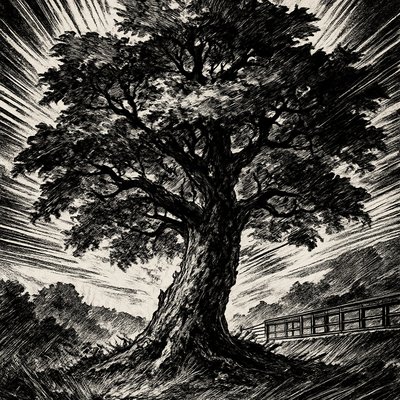
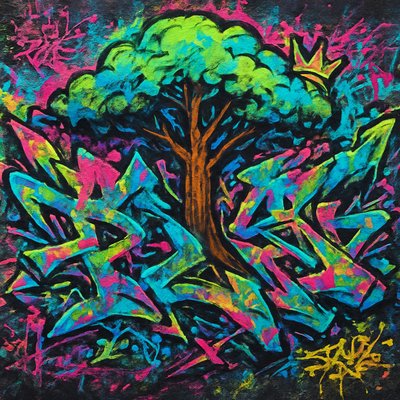
a tree in nature
still life with everyday objects
Triumphal procession with spoils of war
still life arrangement of fruits and flowers
Postmodernism Art Style Style Transfer Example
An awe-inspiring and whimsical scene featuring Willy Wonka's Great Glass Wonkavator, soaring high above Louisiana and ascending into a fantastical sky. The Wonkavator itself is a magnificent, multi-directional glass elevator, transparent and sparkling, with Willy Wonka (in his iconic purple coat and top hat), and several  cats in stylish New Orleans clothing clearly visible and enjoying the ride inside. The interior of the Wonkavator shows intricate, whimsical control panels. The Wonkavator is depicted in mid-flight, having just burst through the factory roof or rising above the clouds. Below it, the fantastical landscape of the Bayou and various whimsical buildings from the city of New Orleans. Beyond is the ocean. The lighting is bright and magical, emphasizing the glass's transparency and the vibrant colors of the world below and beyond. The overall mood is one of boundless adventure, limitless possibilities, and pure, joyful fantasy."