A Man Doing A Handstand In The Middle Of A Field Art

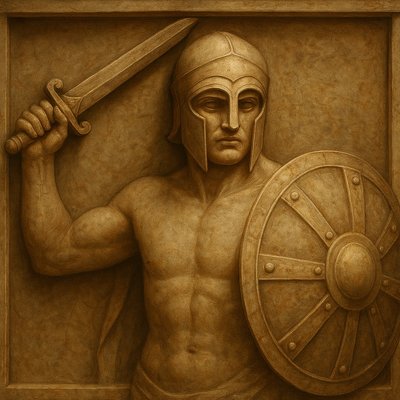
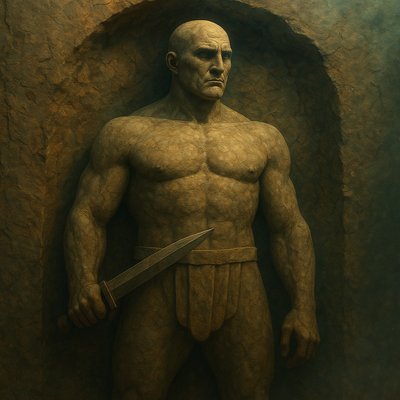
a statue of a man holding a sword and a shield
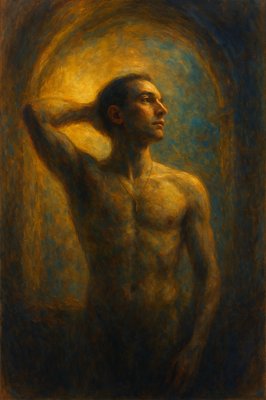
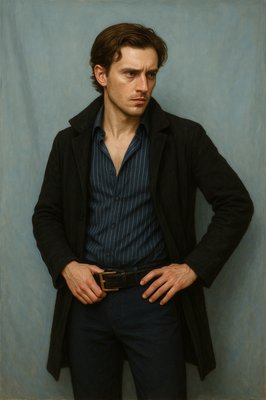
a painting of a man with his hand on his head
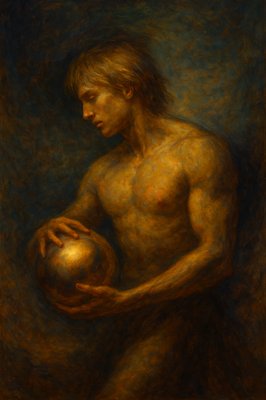
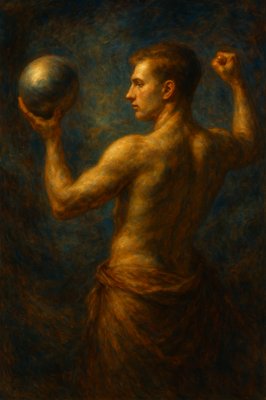
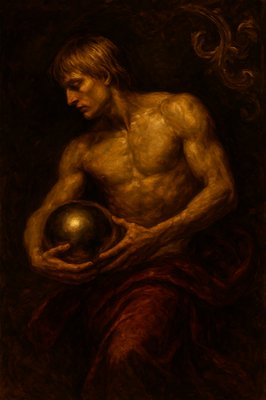
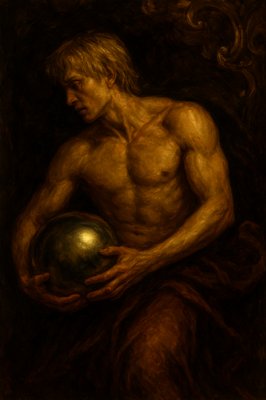
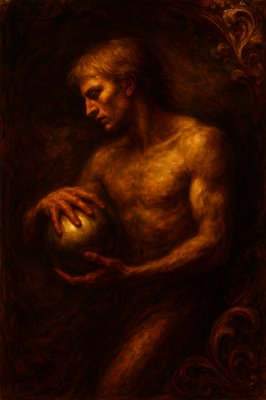
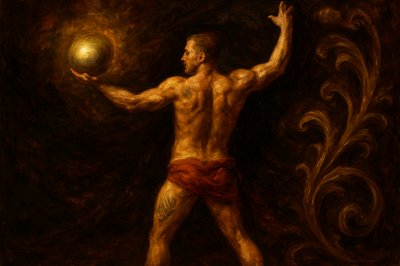
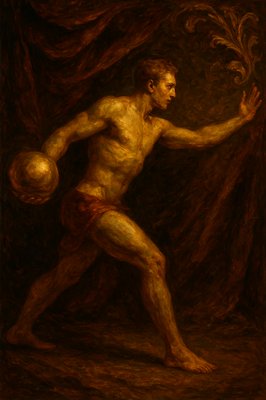
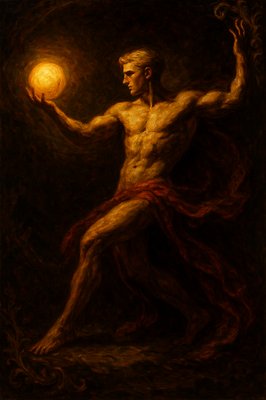
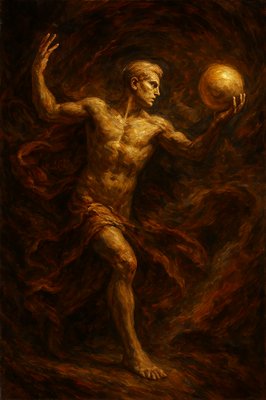
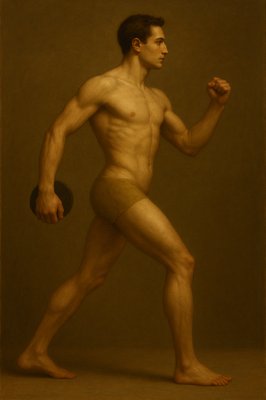
a painting of a man holding a ball
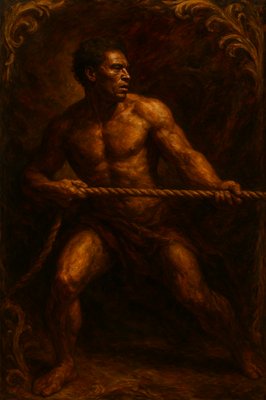
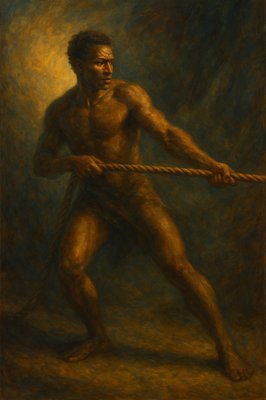
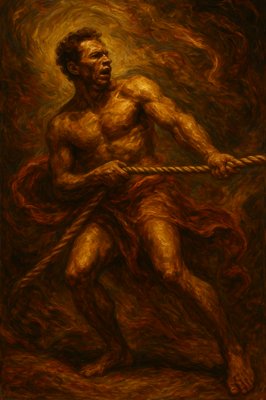
a painting of a man holding a rope
a painting of a man holding a ball
a painting of a man holding a rope
a painting of a man holding a ball
a statue of a man holding a sword and a shield
a painting of a man holding a ball
bicyle resting against a wall
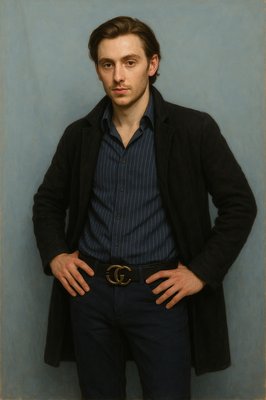
a man with his hands in his pockets
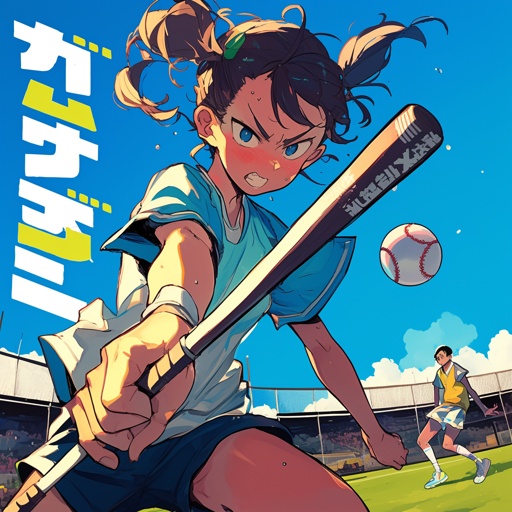
Sports manga depicting a crucial game moment in the art style of Manga --niji 6
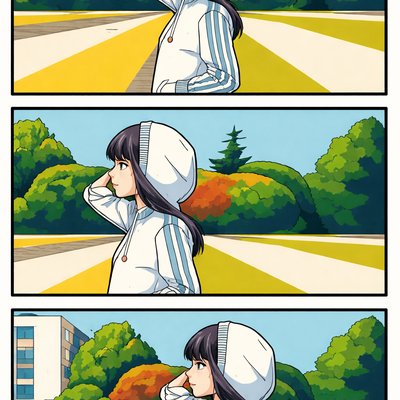
a comic strip with a woman in a white jacket
animal standing in natural pose
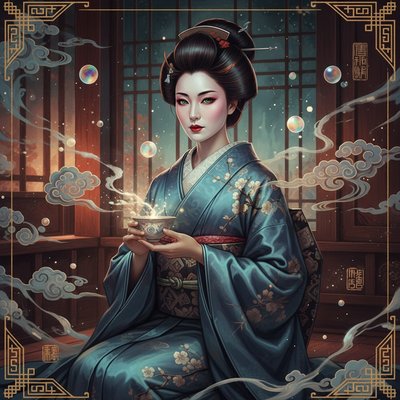
Cinematic Film Style, Traditional Japanese Ukiyo-e Influence, a regal and incredibly poised portrait of the geisha Mameha (inspired by Michelle Yeoh). She is seated in a refined, dimly lit wooden teahouse, her posture perfectly upright and elegant. She wears a heavy silk kimono in peaceful, sophisticated colors like slate blue and silver, with delicate hand-painted motifs of plum blossoms. Her face is a "mask" of white traditional makeup, featuring sharp red lips and wise, observant eyes that convey deep intelligence. She is in the middle of a ritual, perhaps holding a delicate porcelain tea bowl with perfectly choreographed hands. The lighting is soft and atmospheric, catching the shimmer of her silk and the intricate details of her high, lacquered hairstyle adorned with a single, understated silver hairpin. Focus on the feeling of quiet power, impeccable grace, and the stillness of a master artist.
A historically accurate and deeply somber depiction of the immediate aftermath of the Wounded Knee Massacre in December 1890. The scene captures the desolate, snow-covered landscape of the Pine Ridge Reservation. Focus on the fallen Lakota men, women, and children, scattered across the snow, their bodies still and tragic. A few surviving individuals are shown in postures of profound grief or shock, perhaps tending to the wounded. The distant presence of U.S. soldiers, heavily armed, stands as a stark and cold counterpoint to the devastation. The atmosphere is one of profound sorrow, loss, and the brutal silence of winter. The lighting is cold and muted, emphasizing the harshness of the environment and the tragedy of the event. The artistic style should be a realistic, painterly approach, evoking the historical period with unflinching honesty but without graphic sensationalism. The intent is to serve as a memorial to the victims and a historical testament to the tragic event."
Slice-of-life manga scene capturing everyday moments in the art style of Manga --niji 6
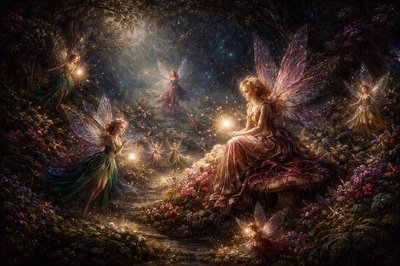
 a Victorian faerie scene in a glowing woodland, tiny luminous faeries, jewel‑tone colors, soft mist, theatrical lighting, intricate wings and fabrics, in the style of John Anster Fitzgerald
serene landscape with mountains and water
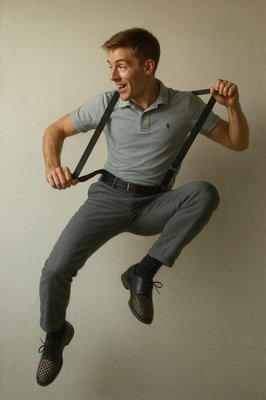
a man jumping in the air with a pair of suspenders
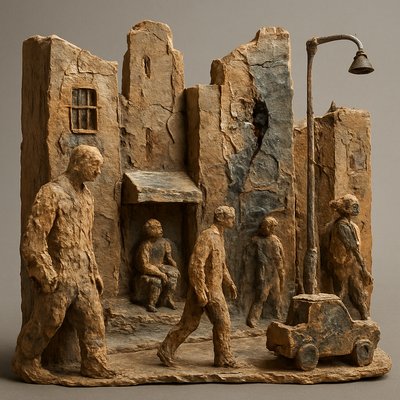
urban street with city activity
Slice-of-life manga scene capturing everyday moments in the art style of Manga --niji 6
a painting of a man holding a ball
a painting of a man holding a rope
a painting of a man with a red cape
a painting of a shirtless man in a red jacket
a painting of a man with a knife in his hand
a painting of a man with a hat and no shirt