A Man And A Woman Are Standing In Front Of A Space Background Art

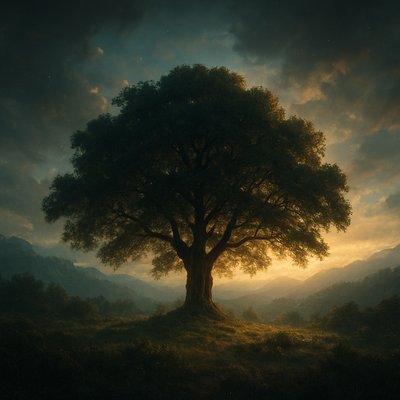
a tree in nature
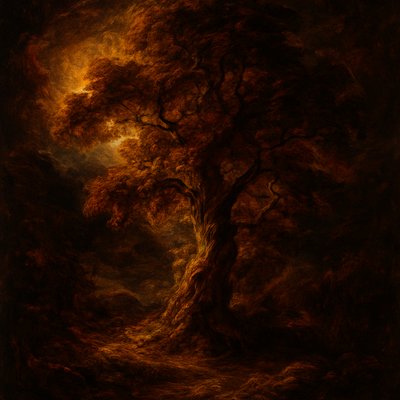
a tree in nature
a tree in nature
a black and white drawing of a man with his arms crossed
portrait of two people together
a tree in nature
a tree in nature
bicyle resting against a wall
a black and white photo of a man playing with a ball
a tree in nature
a tree in nature
a tree in nature
a tree in nature
a tree in nature
a tree in nature
a tree in nature
a tree in nature
a tree in nature
a tree in nature
a pink statue of a man with a crown on his head
serene landscape with mountains and water
urban street with city activity
still life with everyday objects
“And on my servants and on my handmaidens I will pour out in those days of my Spirit; and they shall prophesy:” (Acts 2:18, KJV)
a tree in nature
a tree in nature
a tree in nature
a tree in nature
Portrait of a redheaded woman with flowers in her hair in the art style of Pre-Raphaelite --v 6.1
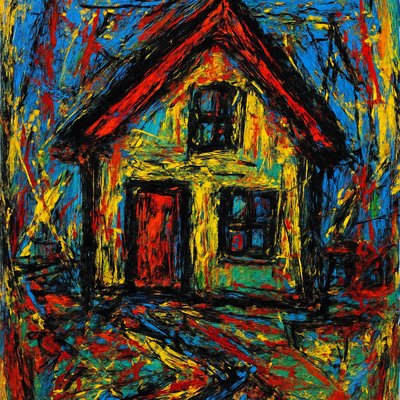
house with front view
Woman with green shadows and red highlights in the art style of Fauvism --v 6.1
Portrait of a redheaded woman with flowers in her hair in the art style of Pre-Raphaelite --v 6.1
Epic majestic vista of the Shaho mountain range in western Iran's central Zagros Mountains, embodying the ancient name 'Mountain of the King' and 'Lord of the Realm,' towering rugged limestone peaks soaring over 3400 meters with snow-capped summits at Havi Khani peak reigning supreme like a royal throne, dramatic steep ridges and deep shadowed valleys stretching as vast domains under the ruler's gaze, lush green terraced slopes with ancient oak forests, wildflowers, and mist-shrouded gorges symbolizing fertile kingdoms below, golden hour sunlight at dawn breaking through clouds with divine volumetric god rays illuminating the peaks in regal amber and crimson hues, ethereal crown-like clouds encircling the highest summit, subtle ancient Persian/Kurdish royal motifs in the rock formations and distant stone villages resembling fortified citadels clinging to the foothills, a solitary majestic figure in flowing robes standing atop a prominent ridge like the eternal Lord of the Realm surveying his dominion, faint rainbow or auroral glow evoking timeless sovereignty, ultra-detailed, photorealistic cinematic masterpiece blending National Geographic realism with epic biblical/classical fantasy art in the style of Caspar David Friedrich, John Martin, and Rembrandt's dramatic lighting, high dynamic range, rich earthy regal tones of gold, deep green, and royal purple shadows, commanding and noble atmosphere of absolute authority over nature's realm
A smartphone
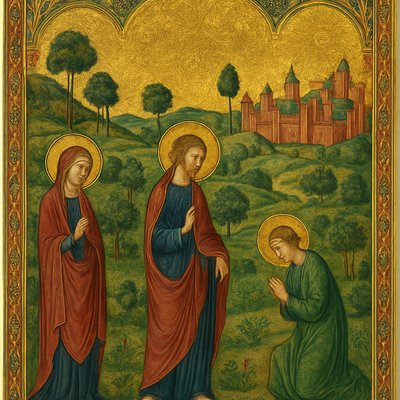
Annunciation scene
"A historically accurate depiction of a Ghost Dance, focusing on the late 19th-century context, specifically around 1890-1891. The scene shows Lakota (Sioux) or Northern Paiute people (specify one or include elements of both, but avoid anachronisms) participating in the ceremony.

Setting: A vast, open prairie or high desert landscape, under an expansive sky. The time of day could be dusk or night, with a prominent moon or stars, or a bright, clear day. Avoid overtly spiritual or ethereal elements like floating spirits unless explicitly requested for a later, more symbolic iteration. The focus should be on the earthly ceremony.

Participants: A circle of men, women, and children, hand-in-hand, moving in a slow, rhythmic shuffle or circular motion. Their faces show a mixture of devotion, hope, and determination. Some may have expressions of trance or deep concentration.

Attire:

    Ghost Dance Shirts/Dresses: Emphasize the unique Ghost Dance shirts and dresses, which were typically made of muslin or canvas. These garments should feature painted designs such as stars, crescents, birds (especially eagles or crows), buffalo, human figures, or crosses. The designs should appear hand-painted, not mass-produced.

    Hair and Adornments: Participants should have braided hair or wear it long. Some may wear feathers (e.g., eagle or hawk feathers) in their hair. Minimal traditional adornments, as the focus was often on the Ghost Dance shirt itself. Avoid overly elaborate or Hollywood-esque depictions of war bonnets unless relevant to a specific individual and context.

    Footwear: Moccasins or bare feet.

Action/Atmosphere:

    The dancers are moving in a counter-clockwise circle, with a central figure or a small group often leading.

    The overall mood is one of earnest prayer and communal spiritual effort. The dance should convey a sense of hope for renewal and the return of the old ways, rather than aggression or despair.

    There might be a central pole or small fire as a focal point, around which the dance takes place.

    Avoid any signs of direct conflict or violence; the Ghost Dance itself was a non-violent spiritual movement.

Specific Considerations for Accuracy:

    Wovoka's Influence: The teachings of Wovoka (the Northern Paiute prophet) emphasized peace, hard work, and the return of the buffalo and deceased ancestors. The scene should subtly reflect this hopeful, redemptive spirit.

    Regional Variations: If focusing on Lakota, consider their specific interpretations, which sometimes included more imagery related to their warrior traditions on the shirts, but still within the peaceful framework of the dance.

    Respectful Portrayal: Ensure the depiction is respectful and avoids any stereotypical or caricatured representations of Indigenous people. Focus on their human dignity and spiritual sincerity.
bicyle resting against a wall