A Human Portrait Art

Emotional self-portrait exploring inner turmoil in the art style of Neo-Romanticism --v 6.1
Portrait of a coal miner after a long shift in the art style of Social Realism --v 6.1
Symbolic self-portrait exploring inner psyche in the art style of Symbolism --v 6.1
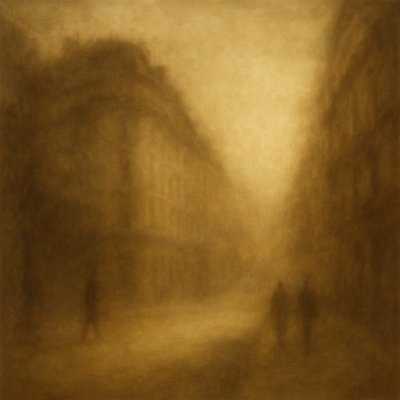
Tonal portrait emphasizing mood over detail in the art style of Tonalism --v 6.1
Abstract self-portrait conveying inner turmoil in the art style of Abstract Expressionism --v 6.1
Large-scale portrait with every skin detail visible in the art style of Photorealism --v 6.1
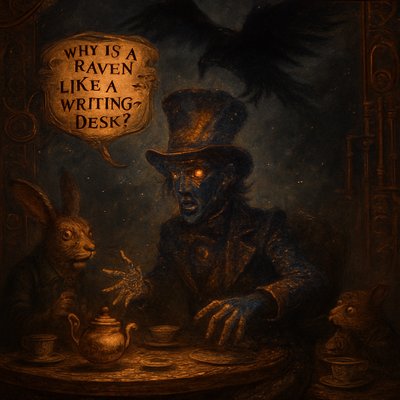
A low-angle, hyper-detailed tableau of the Mad Hatter's Tea Party, viewed under a dark, star-filled sky. The Mad Hatter sits at the table, his features not quite human, but constructed entirely from brilliant indigo and gold cosmic dust, representing the constellation Lepus. His top hat is a vortex of nebula, and one eye burns intensely—a specific star named "The Mad."

The Hatter is caught mid-sentence, demanding, "Why is a raven like a writing-desk?" As he speaks, his hands, which were merely starry, begin to shed their light, and the true form is revealed: the lower half of his coat and chair morph into coiling, dark serpentine scales, twisting around the table leg. The March Hare and Dormouse are frozen in terror. Above the table, a Raven made of pitch-black night materializes, its shadow falling directly over the Hatter. The entire scene is vibrating with the furious energy of a creature—the ancient serpent—who knows his time has been irrevocably stopped.

Style: Cinematic dark fantasy, astronomical realism, oil painting texture, emphasis on the contrast between the cold cosmic starlight and the dark, furious energy of the serpentine transformation.
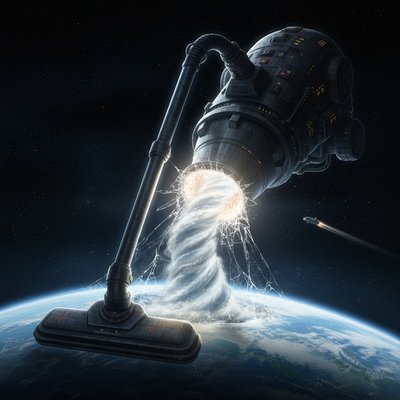
A highly detailed, cinematic rendering of the colossal "Megamaid" spaceship from Spaceballs in its full, transformed state, hovering menacingly above the Earth.

Scene Focus: The Megamaid is positioned directly over the Earth's atmosphere, its massive vacuum nozzle extended. The nozzle is clearly pointed toward the planet's surface, and the mechanism is beginning to suck air out, creating a visible, swirling vortex.

The 'Firmament' Detail: Render the edge of Earth's atmosphere and sky not as a smooth fade to space, but with a highly stylized, almost cracked or crystalline appearance, suggesting the boundary is a literal "firmament." The vacuum is shown actively piercing this boundary, creating a localized, glowing "window of heaven" effect where the atmosphere is being forcefully breached and pulled into the machine.

Atmosphere: The scene is dark, cold space contrasting sharply with the bright, glowing Earth below and the massive, industrial metallic structure of the Megamaid. The lighting should be dramatic and epic, highlighting the ridiculous scale of the vacuum cleaner poised to steal a planet's air. Include a tiny, distant shot of the Eagle 5 (Winnebago) fleeing the scene.

Style: Photorealistic digital painting, sci-fi parody, emphasizing the immense, over-the-top scale and the comedic contrast between the mundane household item and the cosmic threat.
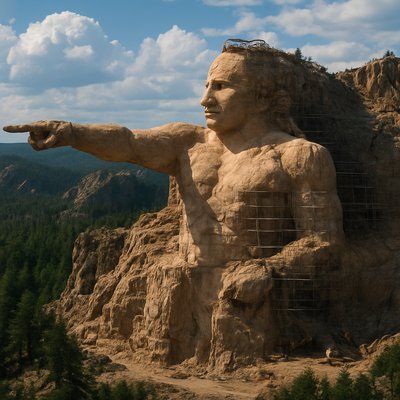
A majestic and inspiring depiction of the Crazy Horse National Memorial, captured from a slightly elevated, wide-angle perspective that emphasizes its immense scale and ongoing construction. The colossal carving of Crazy Horse on his war pony is the dominant feature, shown in its current state of detailed progress, with the iconic outstretched arm and pointing finger prominent against the rugged Black Hills. Visible elements of the carving process, such as scaffolding, construction equipment (subtly integrated), or evidence of rock removal, are present, highlighting the monumental effort and generations of work involved. The surrounding landscape of the Black Hills is an integral part of the composition, with pine forests, granite formations, and the vast, open sky providing a dramatic and respectful setting. The lighting is strong and clear, perhaps mid-morning or late afternoon sun, casting dramatic shadows that define the contours of the mountain and the carving. The atmosphere conveys a sense of enduring tribute, cultural pride, determination, and the sheer scale of human endeavor dedicated to honoring a legendary figure. The artistic style is a highly realistic, detailed landscape painting or photograph, emphasizing grandeur and reverence
Video art exploring the limits and capabilities of the human body in the art style of Body Art --v 6.1
Glitch art portrait using corrupted image data in the art style of Post-Internet Art --v 6.1
Ukiyo-e Anime Fusion Portrait Style Transfer Example
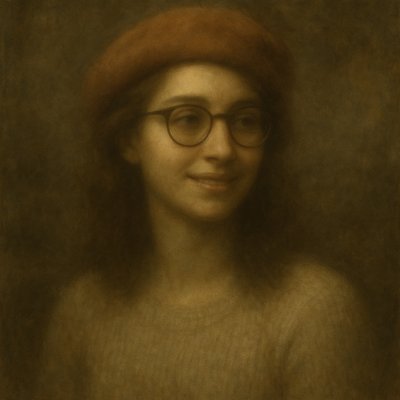
Sfumato Portrait Renaissance Art Style Style Transfer Example
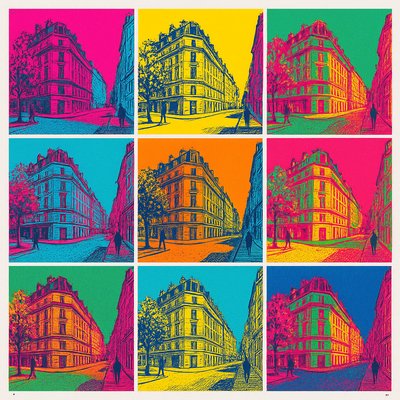
Celebrity Portrait Pop Art Style Style Transfer Example
Sfumato Portrait Renaissance Art Style Style Transfer Example
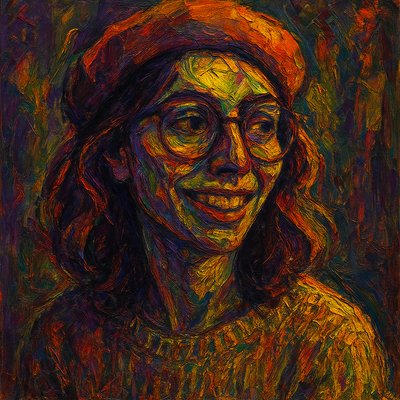
Psychological Portrait Expressionism Art Style Style Transfer Example
Mafia boyfriend
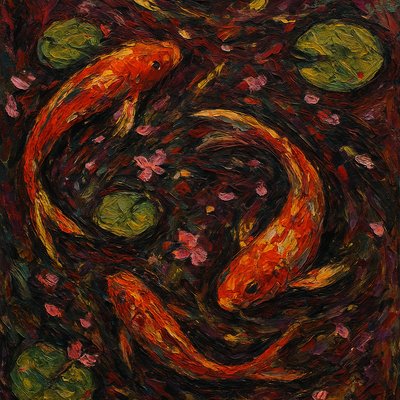
A koi pond seen from above, orange and white koi fish swimming among lily pads, clear water with subtle ripples, fallen cherry blossom petals floating on the surface, dappled sunlight
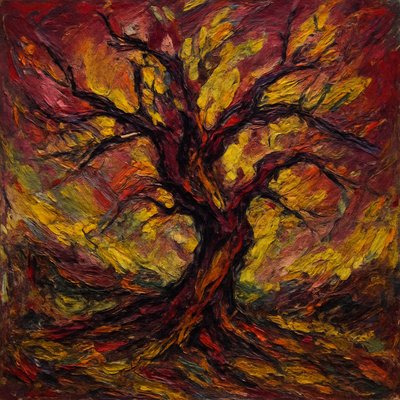
a tree in nature
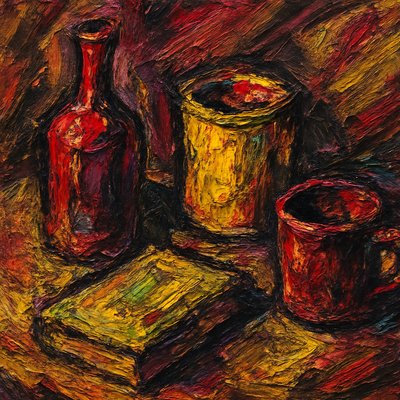
still life with everyday objects
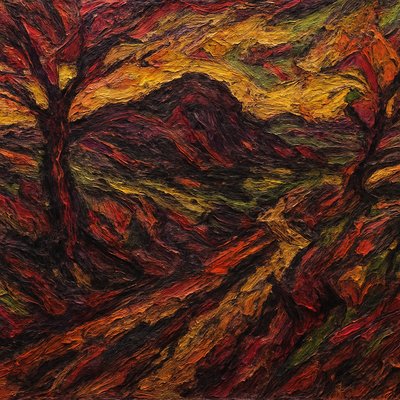
wide landscape with natural scenery
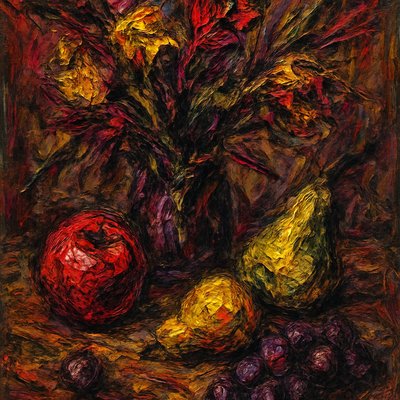
still life arrangement of fruits and flowers
Zodiac signs as fighters
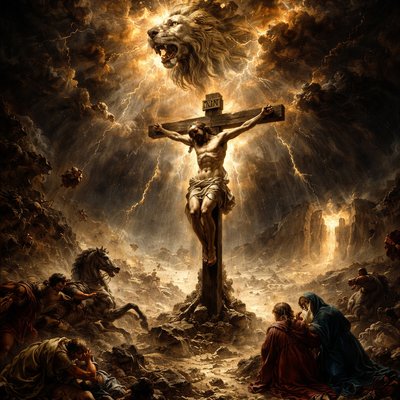
Epic Biblical Baroque Painting Style, High-Contrast Tenebrism Lighting, Supernatural Realism. A monumental, earth-shattering scene at Golgotha at the precise moment of death.

The Central Figure: Jesus hangs lifelessly on a rough wooden cross, head bowed in finality, his body pale and scarred. A subtle, fading divine light emanates from him. The titulus above his head reads "INRI."

The Manifestation of the Roar (Jasher 54 influence): At the very instant of his death, the environment is violently convulsing, visualizing the "roar" of Judah echoing through time. Behind and above the cross, the dark, stormy clouds are being ripped apart by a massive, translucent ethereal manifestation of a roaring Lion's head formed from dust, lightning, and golden spiritual energy.

The Environmental Impact: The ground beneath the cross is cracking open with deep fissures. Massive boulders are shattering into dust mid-air. The temple veil in the distant city background is visibly tearing top-to-bottom.

The Human Reaction: Below the cross, the scene is one of absolute supernatural terror (as described in Jasher). Roman centurions are cowering on the ground, covering their ears, their helmets knocked off. Horses are rearing wildly, throwing their riders. The few followers present (Mary, John) are driven to their knees, not just in grief, but overwhelmed by the physical force of the cosmic event. The lighting is a chaotic mix of deep eclipse shadow and blinding bursts of supernatural golden-red light from the roaring manifestation.
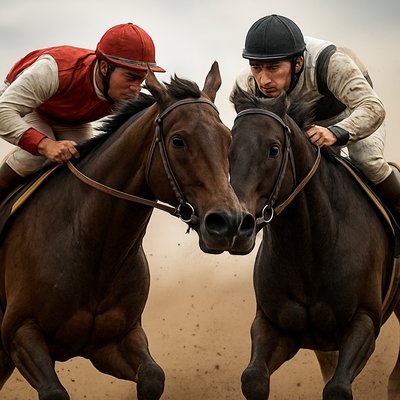
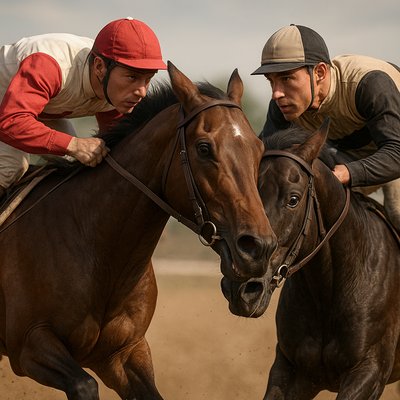
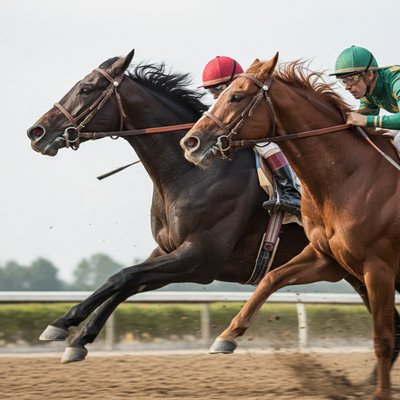
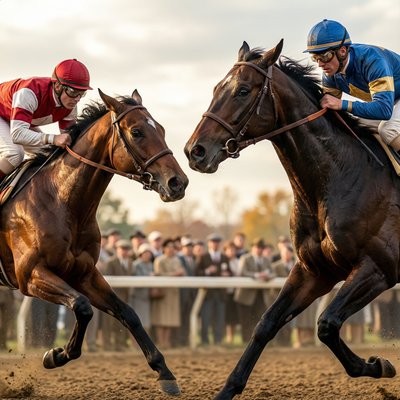
Seabiscuit vs. War Admiral (The Gaze)

    A hyper-realistic, high-resolution photograph capturing the apex of the 1938 match race between Seabiscuit and War Admiral.

    Focus: The composition is tight, showing both horses running neck-and-neck, dominating the frame. The camera angle is side-on and slightly low, emphasizing their size and muscle. The critical focus is on the space between the horses' heads as they are running stride for stride.

    Details: War Admiral (the dark bay) should show determination and slight surprise, with his head stretched out. Seabiscuit (the smaller bay) should display his characteristic "game" look—intense, focused, and seemingly looking directly into War Admiral's eyes (or toward his rival). Both jockeys (Red Pollard or George Woolf for Seabiscuit; Charles Kurtsinger for War Admiral) are visible, leaning low and urging their mounts on.

    Atmosphere: The light should be bright but slightly diffused, suggesting an autumn afternoon at Pimlico. Dust and track debris are kicked up behind them, blurred slightly by the horses' tremendous speed. The image must convey the raw power, intense rivalry, and the exact moment when the smaller horse asserts his dominance.

    Style: Cinematic photography, realistic texture, sharp focus on the horses' eyes and muscle definition.
Seabiscuit vs. War Admiral (The Gaze)

    A hyper-realistic, high-resolution photograph capturing the apex of the 1938 match race between Seabiscuit and War Admiral.

    Focus: The composition is tight, showing both horses running neck-and-neck, dominating the frame. The camera angle is side-on and slightly low, emphasizing their size and muscle. The critical focus is on the space between the horses' heads as they are running stride for stride.

    Details: War Admiral (the dark bay) should show determination and slight surprise, with his head stretched out. Seabiscuit (the smaller bay) should display his characteristic "game" look—intense, focused, and seemingly looking directly into War Admiral's eyes (or toward his rival). Both jockeys (Red Pollard or George Woolf for Seabiscuit; Charles Kurtsinger for War Admiral) are visible, leaning low and urging their mounts on.

    Atmosphere: The light should be bright but slightly diffused, suggesting an autumn afternoon at Pimlico. Dust and track debris are kicked up behind them, blurred slightly by the horses' tremendous speed. The image must convey the raw power, intense rivalry, and the exact moment when the smaller horse asserts his dominance.

    Style: Cinematic photography, realistic texture, sharp focus on the horses' eyes and muscle definition.
Seabiscuit vs. War Admiral (The Gaze)

    A hyper-realistic, high-resolution photograph capturing the apex of the 1938 match race between Seabiscuit and War Admiral.

    Focus: The composition is tight, showing both horses running neck-and-neck, dominating the frame. The camera angle is side-on and slightly low, emphasizing their size and muscle. The critical focus is on the space between the horses' heads as they are running stride for stride.

    Details: War Admiral (the dark bay) should show determination and slight surprise, with his head stretched out. Seabiscuit (the smaller bay) should display his characteristic "game" look—intense, focused, and seemingly looking directly into War Admiral's eyes (or toward his rival). Both jockeys (Red Pollard or George Woolf for Seabiscuit; Charles Kurtsinger for War Admiral) are visible, leaning low and urging their mounts on.

    Atmosphere: The light should be bright but slightly diffused, suggesting an autumn afternoon at Pimlico. Dust and track debris are kicked up behind them, blurred slightly by the horses' tremendous speed. The image must convey the raw power, intense rivalry, and the exact moment when the smaller horse asserts his dominance.

    Style: Cinematic photography, realistic texture, sharp focus on the horses' eyes and muscle definition.
Seabiscuit vs. War Admiral (The Gaze)

    A hyper-realistic, high-resolution photograph capturing the apex of the 1938 match race between Seabiscuit and War Admiral.

    Focus: The composition is tight, showing both horses running neck-and-neck, dominating the frame. The camera angle is side-on and slightly low, emphasizing their size and muscle. The critical focus is on the space between the horses' heads as they are running stride for stride.

    Details: War Admiral (the dark bay) should show determination and slight surprise, with his head stretched out. Seabiscuit (the smaller bay) should display his characteristic "game" look—intense, focused, and seemingly looking directly into War Admiral's eyes (or toward his rival). Both jockeys (Red Pollard or George Woolf for Seabiscuit; Charles Kurtsinger for War Admiral) are visible, leaning low and urging their mounts on.

    Atmosphere: The light should be bright but slightly diffused, suggesting an autumn afternoon at Pimlico. Dust and track debris are kicked up behind them, blurred slightly by the horses' tremendous speed. The image must convey the raw power, intense rivalry, and the exact moment when the smaller horse asserts his dominance.

    Style: Cinematic photography, realistic texture, sharp focus on the horses' eyes and muscle definition.
A highly detailed, cinematic rendering of the colossal "Megamaid" spaceship from Spaceballs in its full, transformed state, hovering menacingly above the Earth.

Scene Focus: The Megamaid is positioned directly over the Earth's atmosphere, its massive vacuum nozzle extended. The nozzle is clearly pointed toward the planet's surface, and the mechanism is beginning to suck air out, creating a visible, swirling vortex.

The 'Firmament' Detail: Render the edge of Earth's atmosphere and sky not as a smooth fade to space, but with a highly stylized, almost cracked or crystalline appearance, suggesting the boundary is a literal "firmament." The vacuum is shown actively piercing this boundary, creating a localized, glowing "window of heaven" effect where the atmosphere is being forcefully breached and pulled into the machine.

Atmosphere: The scene is dark, cold space contrasting sharply with the bright, glowing Earth below and the massive, industrial metallic structure of the Megamaid. The lighting should be dramatic and epic, highlighting the ridiculous scale of the vacuum cleaner poised to steal a planet's air. Include a tiny, distant shot of the Eagle 5 (Winnebago) fleeing the scene.

Style: Photorealistic digital painting, sci-fi parody, emphasizing the immense, over-the-top scale and the comedic contrast between the mundane household item and the cosmic threat.
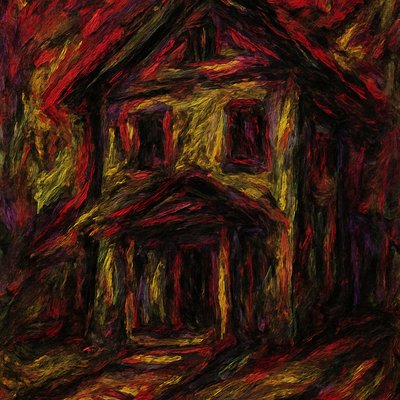
house with front view
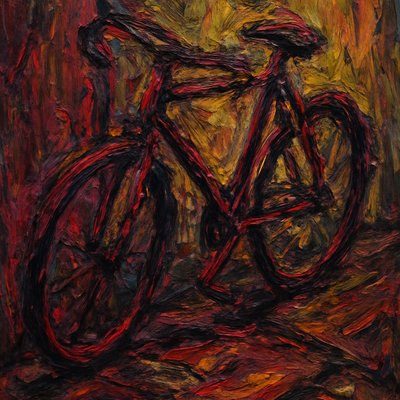
bicyle resting against a wall
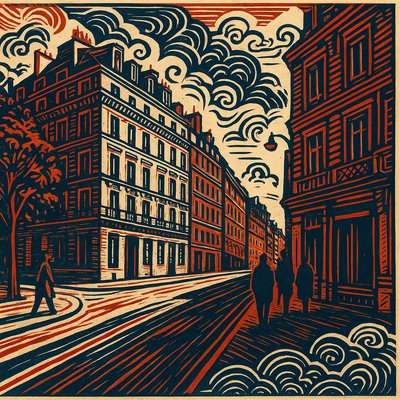
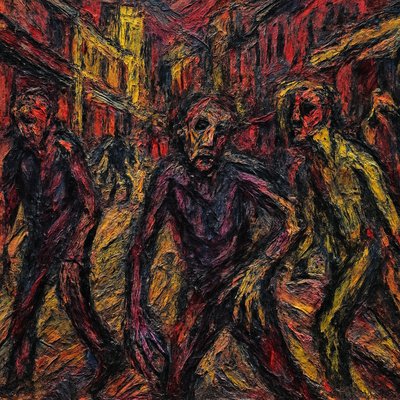
urban street with city activity