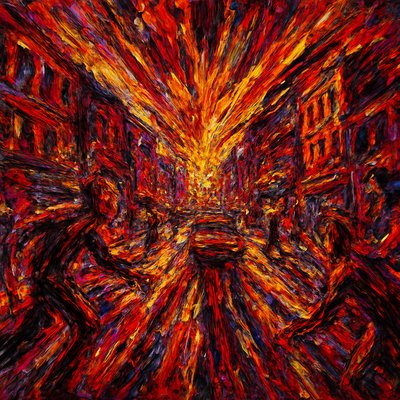
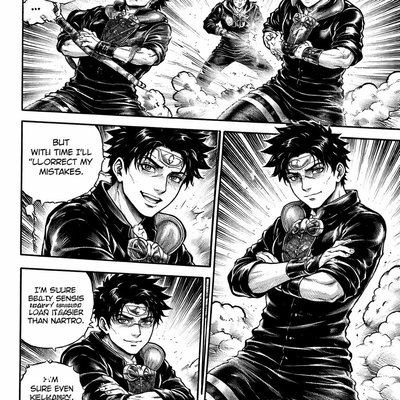
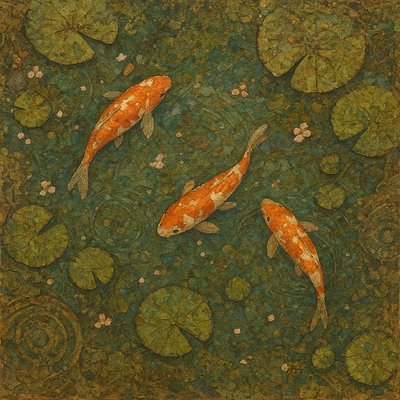
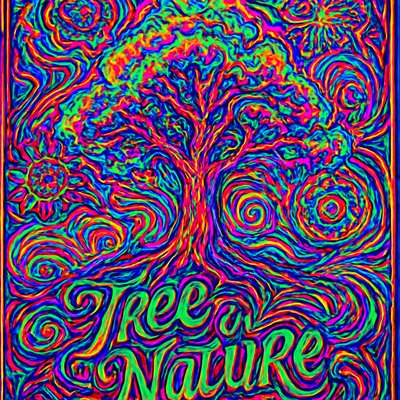
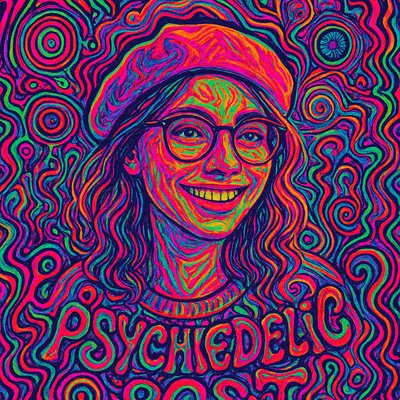
A Group Of People Standing Next To Each Other Art

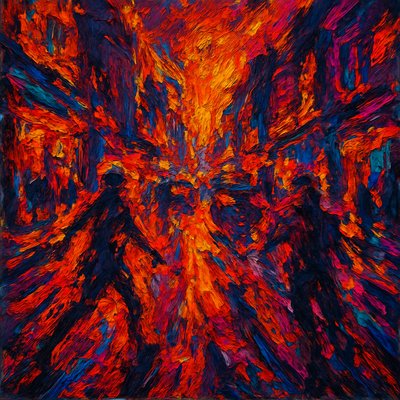
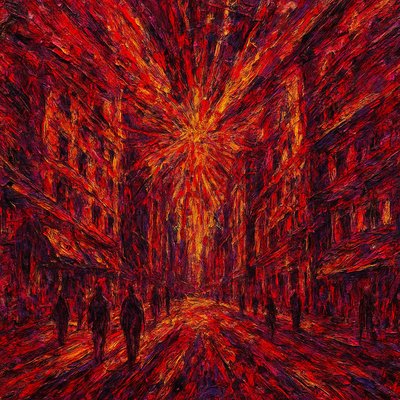
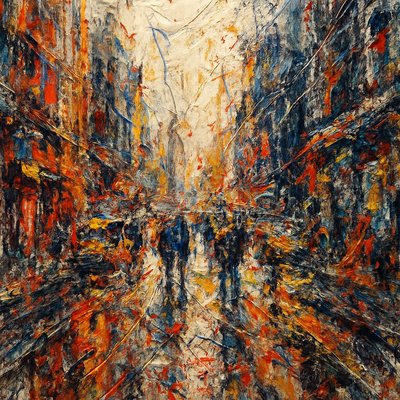
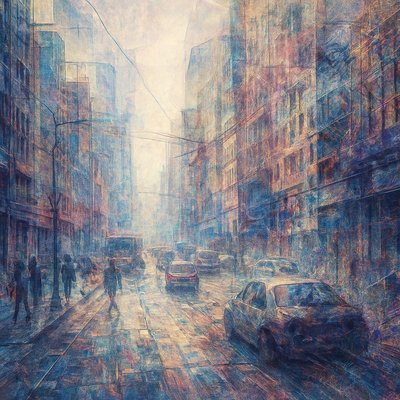
urban street with city activity
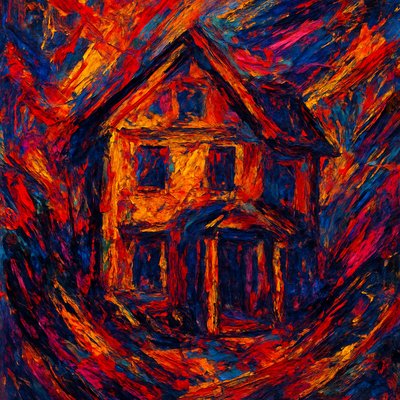
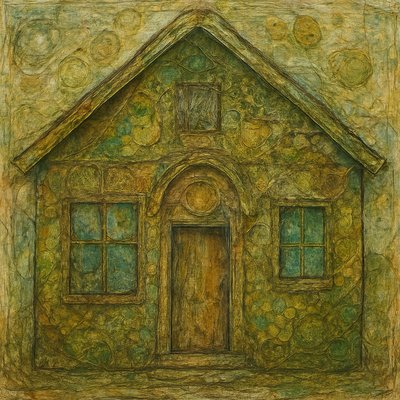
house with front view
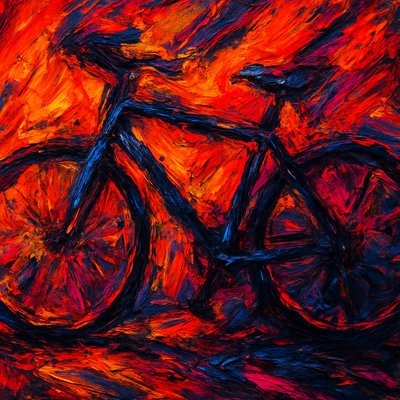
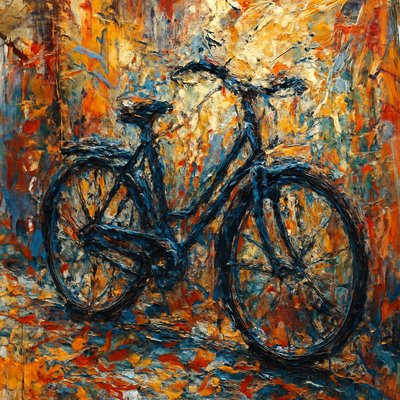
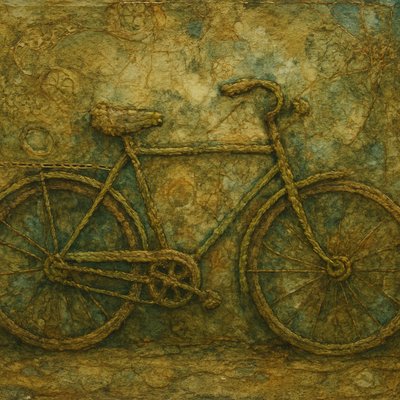
bicyle resting against a wall
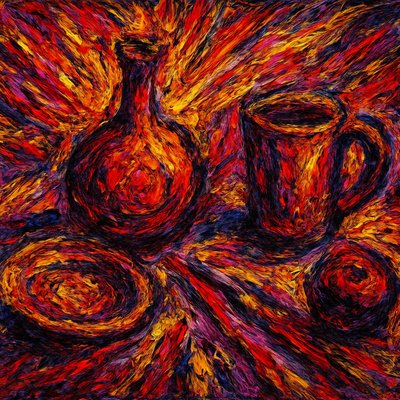
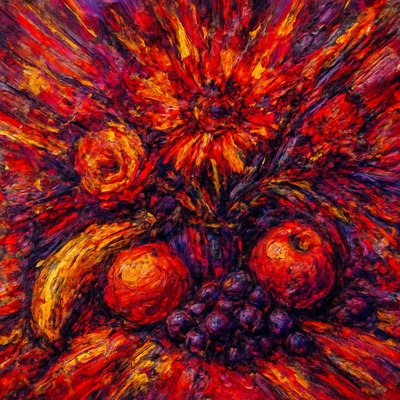
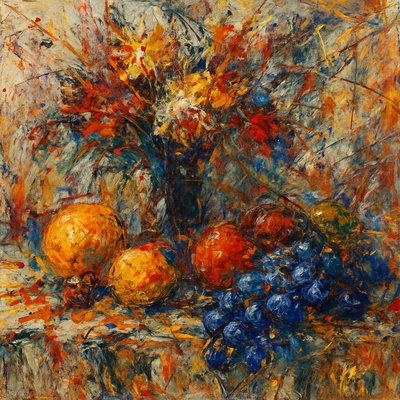
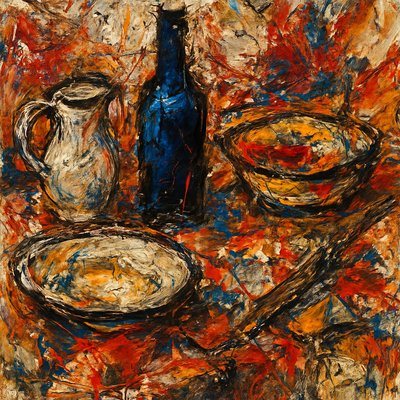
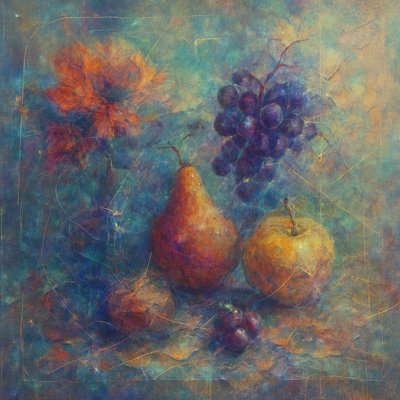
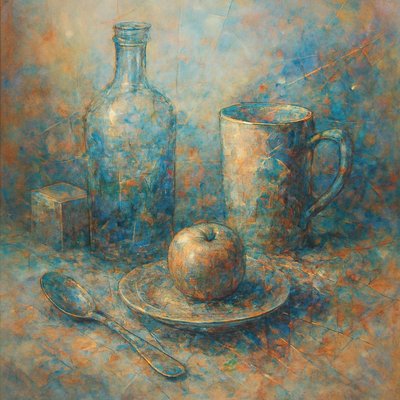
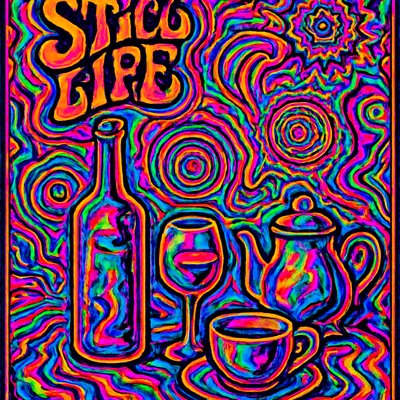
still life with everyday objects
bicyle resting against a wall
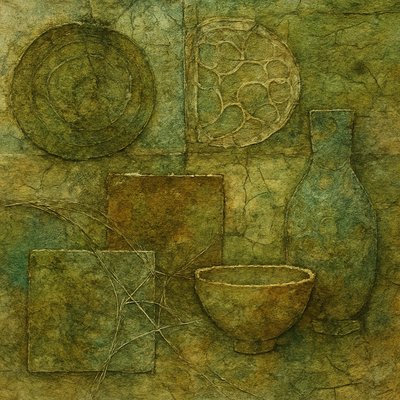
still life with everyday objects
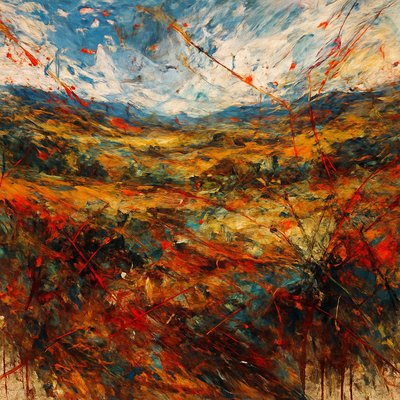
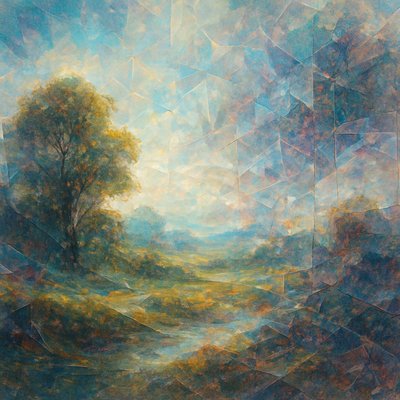
wide landscape with natural scenery
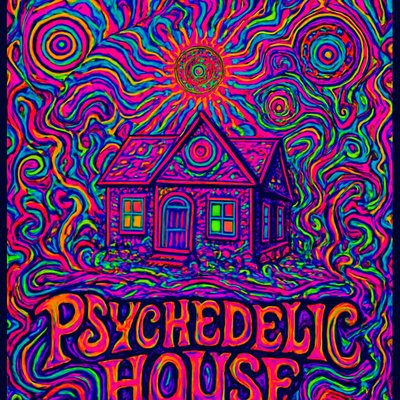
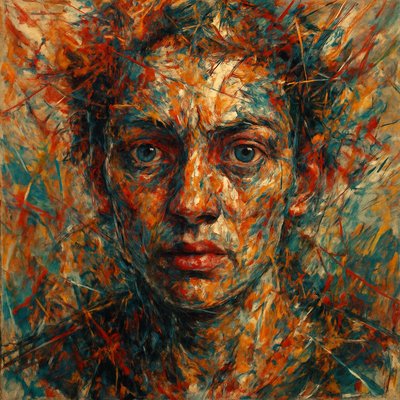
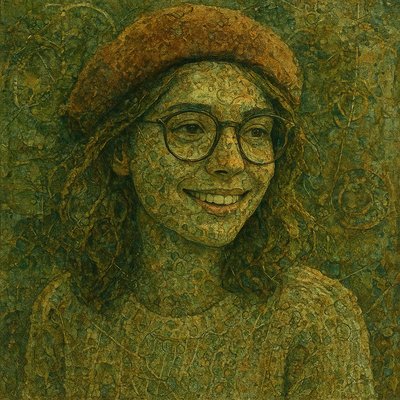
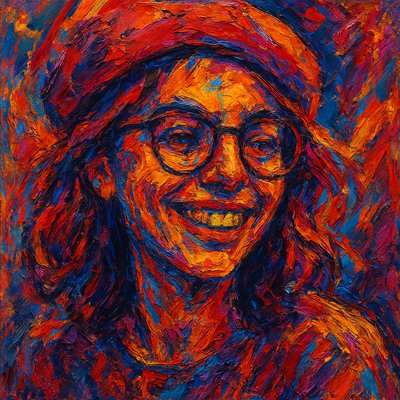
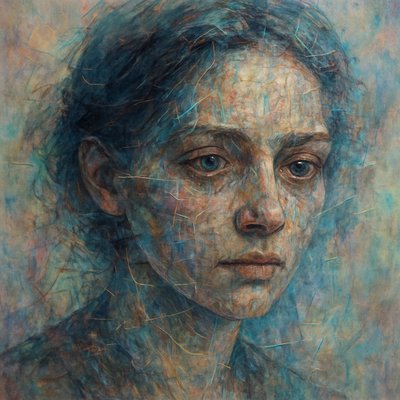
portrait of a person with expressive eyes
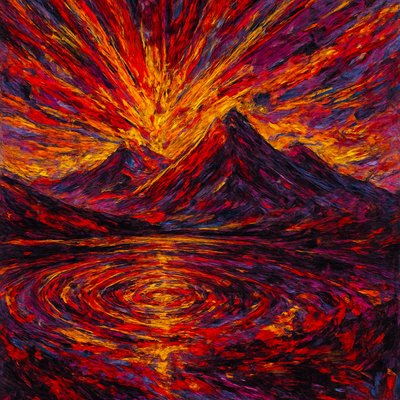
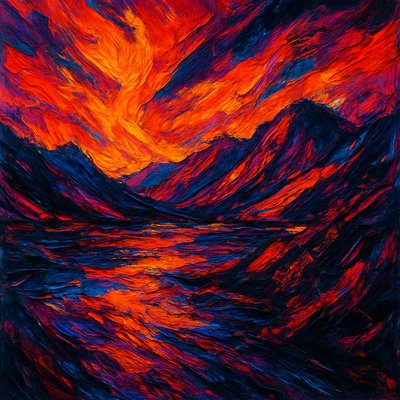
serene landscape with mountains and water
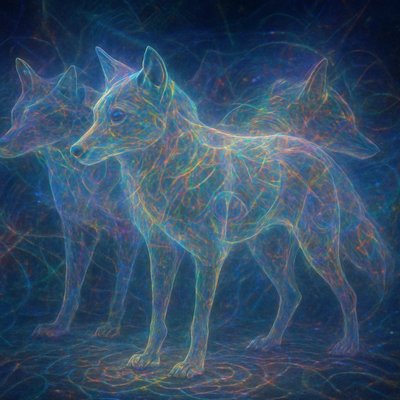
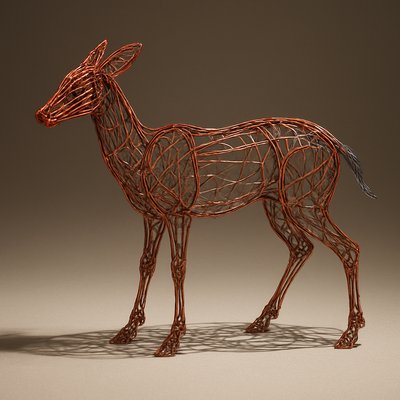
animal standing in natural pose
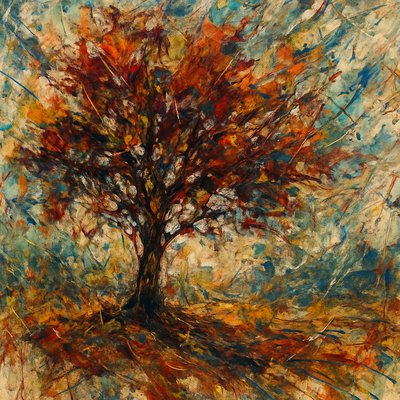
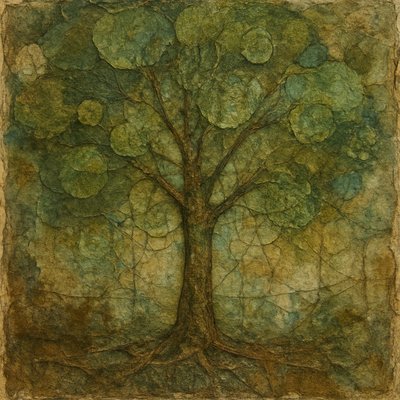
a tree in nature
bicyle resting against a wall
serene landscape with mountains and water
animal standing in natural pose
“And many other signs truly did Jesus in the presence of his disciples, which are not written in this book: But these are written, that ye might believe that Jesus is the Christ, the Son of God; and that believing ye might have life through his name.” (John 20:30-31, KJV)
“Then Ishmael carried away captive all the residue of the people that were in Mizpah, even the king's daughters, and all the people that remained in Mizpah, whom Nebuzaradan the captain of the guard had committed to Gedaliah the son of Ahikam: and Ishmael the son of Nethaniah carried them away captive, and departed to go over to the Ammonites.” (Jeremiah 41:10, KJV)
"A historically accurate depiction of a Ghost Dance, focusing on the late 19th-century context, specifically around 1890-1891. The scene shows Lakota (Sioux) or Northern Paiute people (specify one or include elements of both, but avoid anachronisms) participating in the ceremony.
Setting: A vast, open prairie or high desert landscape, under an expansive sky. The time of day could be dusk or night, with a prominent moon or stars, or a bright, clear day. Avoid overtly spiritual or ethereal elements like floating spirits unless explicitly requested for a later, more symbolic iteration. The focus should be on the earthly ceremony.

Participants: A circle of men, women, and children, hand-in-hand, moving in a slow, rhythmic shuffle or circular motion. Their faces show a mixture of devotion, hope, and determination. Some may have expressions of trance or deep concentration.

Attire:

    Ghost Dance Shirts/Dresses: Emphasize the unique Ghost Dance shirts and dresses, which were typically made of muslin or canvas. These garments should feature painted designs such as stars, crescents, birds (especially eagles or crows), buffalo, human figures, or crosses. The designs should appear hand-painted, not mass-produced.

    Hair and Adornments: Participants should have braided hair or wear it long. Some may wear feathers (e.g., eagle or hawk feathers) in their hair. Minimal traditional adornments, as the focus was often on the Ghost Dance shirt itself. Avoid overly elaborate or Hollywood-esque depictions of war bonnets unless relevant to a specific individual and context.

    Footwear: Moccasins or bare feet.

Action/Atmosphere:

    The dancers are moving in a counter-clockwise circle, with a central figure or a small group often leading.

    The overall mood is one of earnest prayer and communal spiritual effort. The dance should convey a sense of hope for renewal and the return of the old ways, rather than aggression or despair.

    There might be a central pole or small fire as a focal point, around which the dance takes place.

    Avoid any signs of direct conflict or violence; the Ghost Dance itself was a non-violent spiritual movement.

Specific Considerations for Accuracy:

    Wovoka's Influence: The teachings of Wovoka (the Northern Paiute prophet) emphasized peace, hard work, and the return of the buffalo and deceased ancestors. The scene should subtly reflect this hopeful, redemptive spirit.

    Regional Variations: If focusing on Lakota, consider their specific interpretations, which sometimes included more imagery related to their warrior traditions on the shirts, but still within the peaceful framework of the dance.

    Respectful Portrayal: Ensure the depiction is respectful and avoids any stereotypical or caricatured representations of Indigenous people. Focus on their human dignity and spiritual sincerity.
A breathtaking and dynamic close-up scene depicting two iridescent hummingbirds engaged in a vigorous mid-air duel over a cluster of vibrant, nectar-rich flowers. Their tiny wings are blurred into translucent arcs of motion, a testament to their incredible speed and agility, creating a frantic, energetic atmosphere.

One hummingbird, perhaps a brilliant emerald green, lunges forward, while the other, possibly a fiery ruby red or shimmering blue, hovers defensively, their long beaks pointed towards each other in a fierce territorial display. Their tiny, intense eyes are sharply focused on their opponent.

They are positioned directly above or fiercely guarding a cluster of brightly colored, inviting flowers, such as trumpet vines, fuchsias, or salvia, which are depicted with exquisite detail and rich, saturated hues, dripping with nectar. The background is a soft, dreamlike blur of lush green foliage and dappled sunlight, keeping the focus entirely on the intense aerial ballet. The lighting is bright and dramatic, catching the metallic sheen of their feathers and emphasizing their jewel-like colors. The overall mood is one of intense energy, fierce beauty, and natural competition dynamic illustration, vibrant fantasy art, exaggerated motion lines, glowing effects on iridescence, stylized flowers, energetic and fluid composition
Neon-Futurism Digital Art Style, Bioluminescent Sci-Fi Cosmic Setting, Symmetrical Masterpiece. A breathtaking, wide-angle shot that symbolizes the completion of the celestial cycle.

The Rider & Bike Consistency: The lone motorcyclist—in the iconic sleek, armored suit and integrated helmet—is positioned in the center of the frame. They are riding the hubless "light-cycle" sportbike with its signature cyan and orange glowing wheel rings. The rider is perfectly balanced, speeding forward into the heart of the constellation.

The Path (The Intertwined Ecliptic): The glowing blue laser-grid highway splits into two identical paths that spiral and weave around each other like a strand of DNA. The rider is caught in the moment of transition, centered between the two curving paths of light.

The Pisces Presence: Looming on either side of the highway are two colossal, celestial Fish. These are not organic fish, but majestic constructs of shimmering violet nebulae and intricate golden circuitry. One fish swims upward, the other downward, creating a massive circular motion that frames the entire scene.

The Connection: A glowing "silver cord" made of concentrated starlight connects the two fish, arching over the rider like a bridge of pure energy.

Atmosphere & Finale: The background is a dense, colorful field of galaxies and star clusters in shades of deep plum, electric blue, and soft magenta. The entire scene glows with a harmonious, ethereal light, reflecting off the glossy road and the rider's chrome-finish armor. It is a moment of perfect cosmic equilibrium.
a painting of a man holding a baseball bat
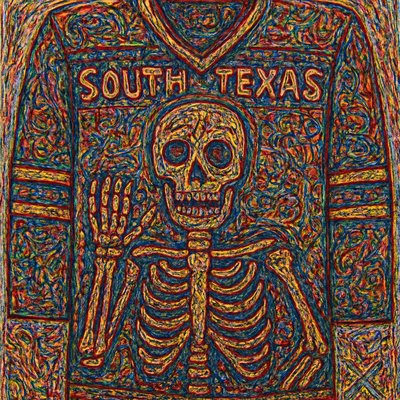
DESIGN ME A HOCKEY JERSEY WITH A SKELETON DESIGN THAT REPRESENTS SOUTH TEXAS
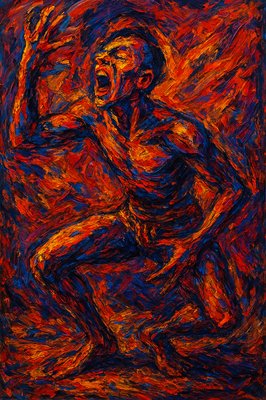
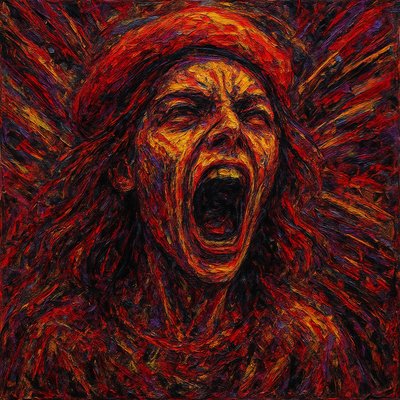
Primal Scream Expressionism Art Style Style Transfer Example
Abstract Expressionism Art Style Style Transfer Example
Eco Art Style Style Transfer Example
Primal Scream Expressionism Art Style Style Transfer Example
Expressionist Landscape Art Style Style Transfer Example
urban street with city activity
a tree in nature
bicyle resting against a wall
still life with everyday objects
wide landscape with natural scenery
a tree in nature
house with front view
bicyle resting against a wall
urban street with city activity
still life with everyday objects
bicyle resting against a wall
urban street with city activity
still life with everyday objects
house with front view