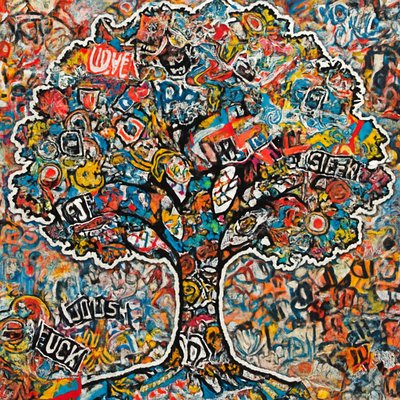
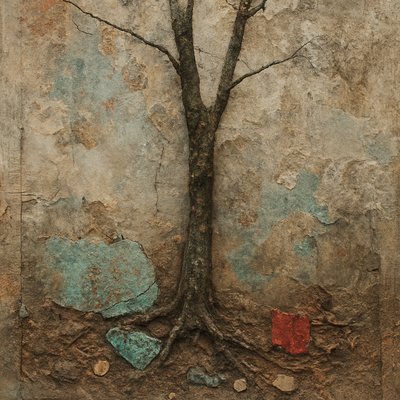
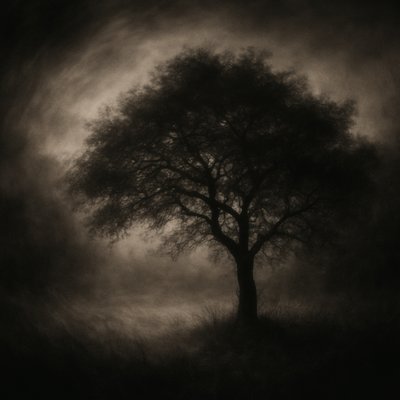
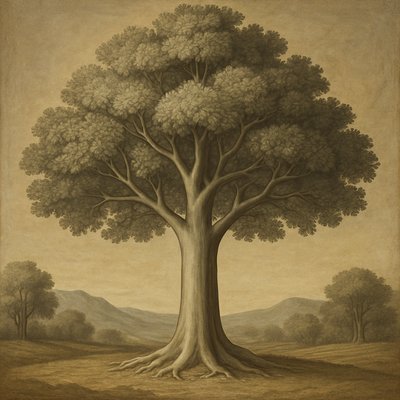
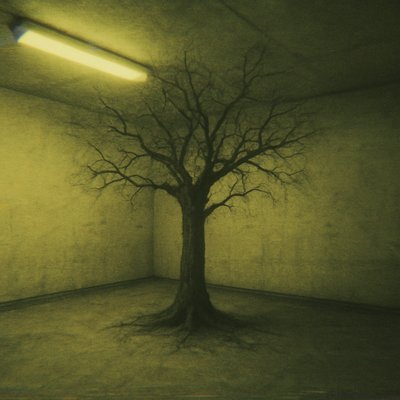
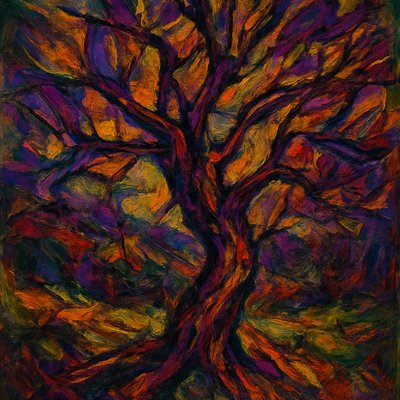
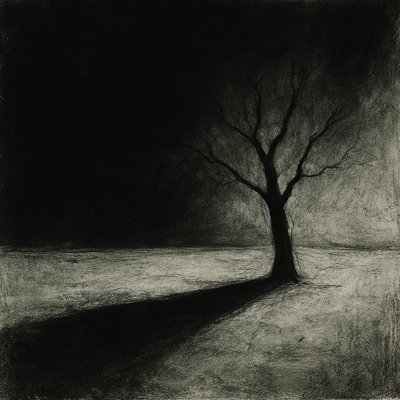
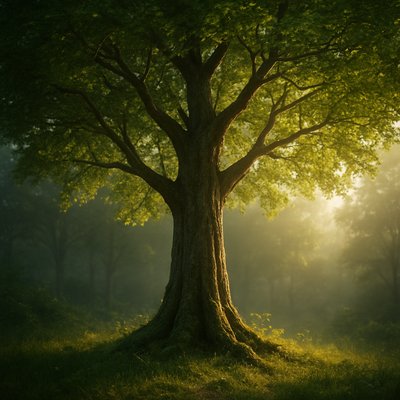
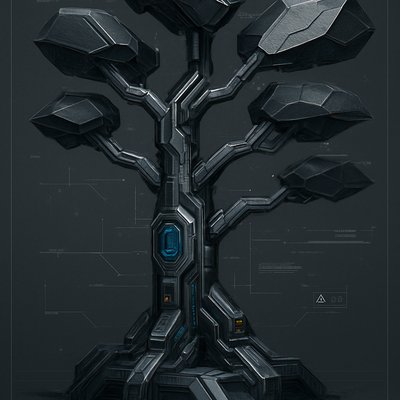
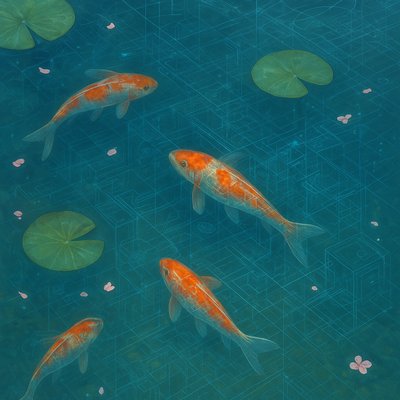
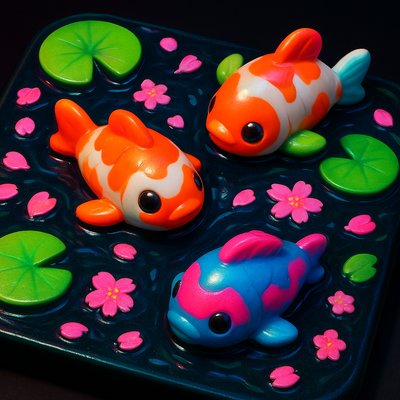
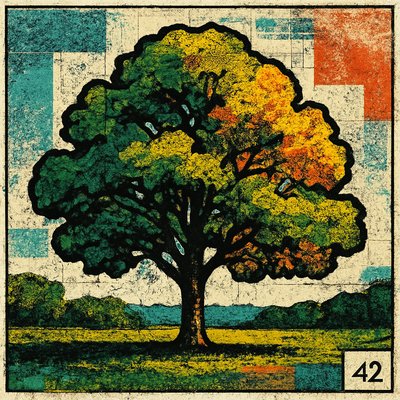
A Boat Floating On Top Of A Lake Next To A Tree Art

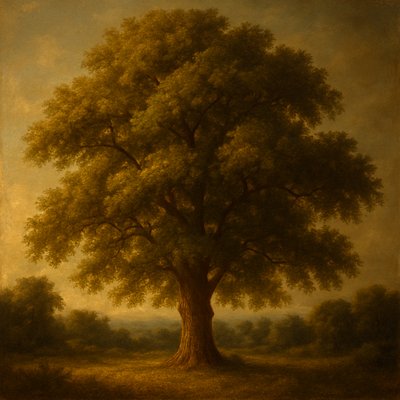
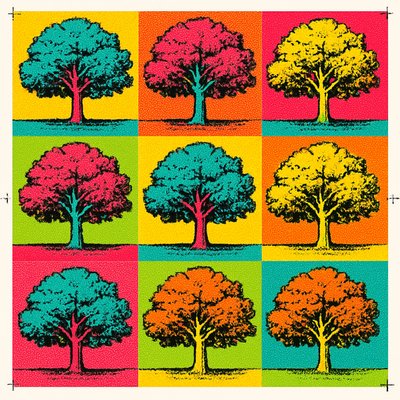
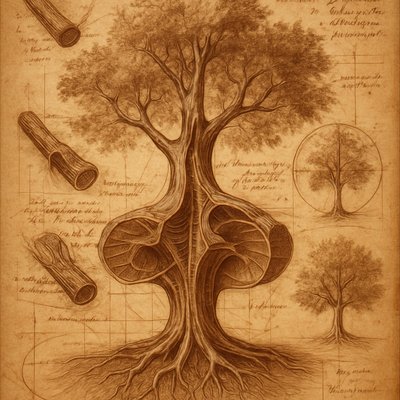
a tree in nature
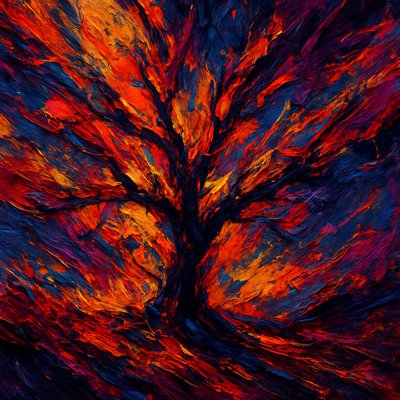
a tree in nature
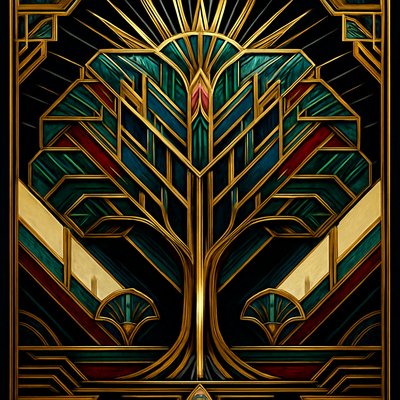
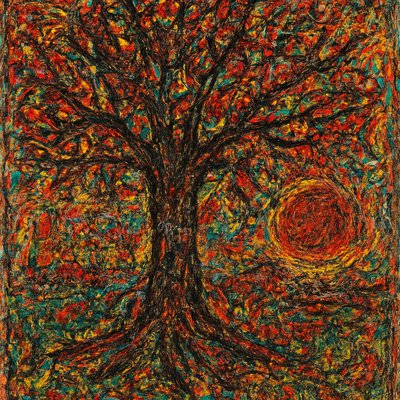
a tree in nature
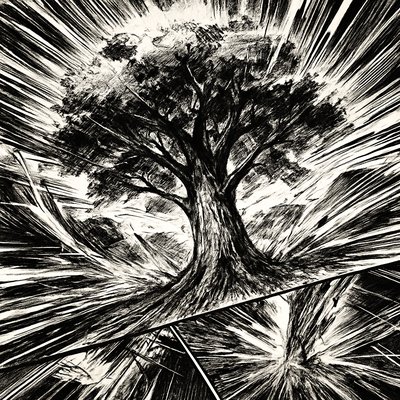
a tree in nature
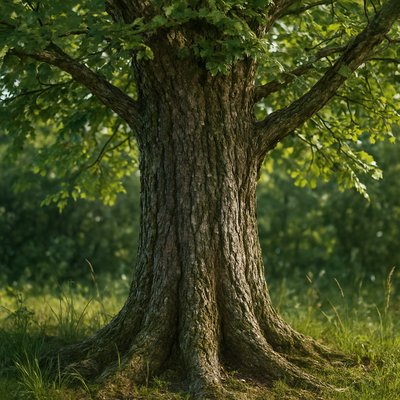
a tree in nature
a tree in nature
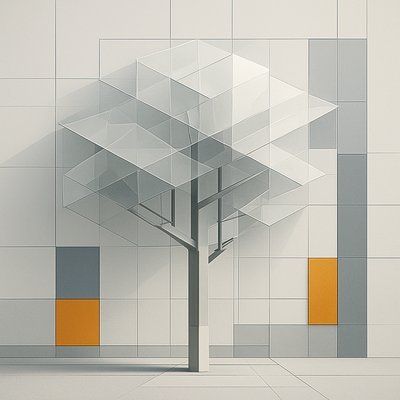
a tree in nature
a tree in nature
a tree in nature
a tree in nature
A highly detailed, cinematic rendering of the colossal "Megamaid" spaceship from Spaceballs in its full, transformed state, hovering menacingly above the Earth.

Scene Focus: The Megamaid is positioned directly over the Earth's atmosphere, its massive vacuum nozzle extended. The nozzle is clearly pointed toward the planet's surface, and the mechanism is beginning to suck air out, creating a visible, swirling vortex.

The 'Firmament' Detail: Render the edge of Earth's atmosphere and sky not as a smooth fade to space, but with a highly stylized, almost cracked or crystalline appearance, suggesting the boundary is a literal "firmament." The vacuum is shown actively piercing this boundary, creating a localized, glowing "window of heaven" effect where the atmosphere is being forcefully breached and pulled into the machine.

Atmosphere: The scene is dark, cold space contrasting sharply with the bright, glowing Earth below and the massive, industrial metallic structure of the Megamaid. The lighting should be dramatic and epic, highlighting the ridiculous scale of the vacuum cleaner poised to steal a planet's air. Include a tiny, distant shot of the Eagle 5 (Winnebago) fleeing the scene.

Style: Photorealistic digital painting, sci-fi parody, emphasizing the immense, over-the-top scale and the comedic contrast between the mundane household item and the cosmic threat.
Create an image of the short-lived U.S. Army post known as Fort Lowell, New Mexico, circa 1868. The buildings are made of rough-hewn, rustic logs and timber, surrounded by a high mountain valley and coniferous trees, reflecting the high altitude of the New Mexico territory. Show a small number of New Mexico volunteers in period uniforms and their horses within a simple log palisade or fence line. The scene should be overcast and rugged, capturing the isolation of a frontier outpost
A highly realistic and historically accurate image set in the deep, waterlogged mud of the Texas Cross Timbers (Montague County) in 1840. The scene captures the frustrating moment when the Chihuahua Traders caravan is completely stuck. Foreground focus is on several heavy, wooden Conestoga freight wagons, mired up to their axles in dark, thick mud. Exhausted oxen are straining and distressed, their drivers in rough frontier attire attempting to free the wheels with ropes and levers. In the mid-ground, a small group of the American equestrian circus performers stands next to their distinctive, high-quality riding horses, which are visibly more refined than the typical pack animals. The performers are dressed in sturdy but distinct traveling clothes, looking ill-equipped and frustrated by the muddy conditions. One performer is carefully securing a colorful carriage or cart containing unique circus props, struggling to keep it from sinking. The overall mood is one of miserable delay and hardship. Cloudy, oppressive sky; detailed realism; wide-angle shot; dark, moody lighting.
Oil Painting Art Style, a magnificent Red Admiral butterfly with its wings spread wide, revealing intricate patterns of bold black, vivid orange-red, and crisp white, firmly perched on the distinctive, textured white bark of an aspen tree. This scene is set at a lower elevation, where the aspen grows near a gently flowing stream, its banks adorned with a lush fall garden of colorful autumn flowers—deep reds, golden yellows, and fiery oranges—arranged in a picturesque display. Overhead and around, the aspen tree's own leaves are ablaze with brilliant, bright gold, adding a stunning luminosity to the scene. The entire composition is illuminated by clear, crisp autumn light, casting subtle shadows and highlighting the rich textures. Focus on the detailed brushwork on the butterfly's wings, the tangible texture of the aspen bark, and the vibrant, layered colors of the fall foliage and flowers, especially the striking golden aspen leaves, creating a detailed and serene artistic composition.

Anime girl song
serene landscape with mountains and water
Create an image of the short-lived U.S. Army post known as Fort Lowell, New Mexico, circa 1868. The buildings are made of rough-hewn, rustic logs and timber, surrounded by a high mountain valley and coniferous trees, reflecting the high altitude of the New Mexico territory. Show a small number of New Mexico volunteers in period uniforms and their horses within a simple log palisade or fence line. The scene should be overcast and rugged, capturing the isolation of a frontier outpost
Garden
portrait of a person with expressive eyes
Creepy Doll Art Style Style Transfer Example
New York City
still life arrangement of fruits and flowers
A highly detailed, cinematic rendering of the colossal "Megamaid" spaceship from Spaceballs in its full, transformed state, hovering menacingly above the Earth.

Scene Focus: The Megamaid is positioned directly over the Earth's atmosphere, its massive vacuum nozzle extended. The nozzle is clearly pointed toward the planet's surface, and the mechanism is beginning to suck air out, creating a visible, swirling vortex.

The 'Firmament' Detail: Render the edge of Earth's atmosphere and sky not as a smooth fade to space, but with a highly stylized, almost cracked or crystalline appearance, suggesting the boundary is a literal "firmament." The vacuum is shown actively piercing this boundary, creating a localized, glowing "window of heaven" effect where the atmosphere is being forcefully breached and pulled into the machine.
Atmosphere: The scene is dark, cold space contrasting sharply with the bright, glowing Earth below and the massive, industrial metallic structure of the Megamaid. The lighting should be dramatic and epic, highlighting the ridiculous scale of the vacuum cleaner poised to steal a planet's air. Include a tiny, distant shot of the Eagle 5 (Winnebago) fleeing the scene.

Style: Photorealistic digital painting, sci-fi parody, emphasizing the immense, over-the-top scale and the comedic contrast between the mundane household item and the cosmic threat.
A big tree with different kinds of fruits and vegetables and many sheep drinking a stream and eating under the tree
A space pilot in cockpit
Oil Painting Art Style, a tender and protective scene featuring a small, close-knit flock of magnificent Blue Hyacinth Macaws gathering for roosting at dusk. On a sturdy branch of a tall palm tree within an open woodland, a mother Hyacinth Macaw is prominently depicted, gently extending a wing to cover a smaller, younger macaw nestled securely beneath her. The macaws, with their incredibly vibrant, deep blue plumage and striking yellow eye rings, are nestled closely together, their bodies positioned to evoke a powerful sense of being 'covered' and finding 'refuge' under a protective wing. The soft, fading twilight glow illuminates their feathers with a deep, iridescent sheen and casts gentle, lengthening shadows. The surrounding natural environment is rendered in muted, dusky tones of green and purple, creating a tranquil atmosphere of safety and secure communal rest. Focus on the exquisite detail of the macaws' feathers and tender facial expressions, particularly the mother and young, the profound warmth and security of their huddle, and the peaceful, protective mood inspired by their collective refuge.
wide landscape with natural scenery
Arctic horizon
"A historically accurate depiction of a Ghost Dance, focusing on the late 19th-century context, specifically around 1890-1891. The scene shows Lakota (Sioux) or Northern Paiute people (specify one or include elements of both, but avoid anachronisms) participating in the ceremony.

Setting: A vast, open prairie or high desert landscape, under an expansive sky. The time of day could be dusk or night, with a prominent moon or stars, or a bright, clear day. Avoid overtly spiritual or ethereal elements like floating spirits unless explicitly requested for a later, more symbolic iteration. The focus should be on the earthly ceremony.

Participants: A circle of men, women, and children, hand-in-hand, moving in a slow, rhythmic shuffle or circular motion. Their faces show a mixture of devotion, hope, and determination. Some may have expressions of trance or deep concentration.

Attire:

    Ghost Dance Shirts/Dresses: Emphasize the unique Ghost Dance shirts and dresses, which were typically made of muslin or canvas. These garments should feature painted designs such as stars, crescents, birds (especially eagles or crows), buffalo, human figures, or crosses. The designs should appear hand-painted, not mass-produced.

    Hair and Adornments: Participants should have braided hair or wear it long. Some may wear feathers (e.g., eagle or hawk feathers) in their hair. Minimal traditional adornments, as the focus was often on the Ghost Dance shirt itself. Avoid overly elaborate or Hollywood-esque depictions of war bonnets unless relevant to a specific individual and context.

    Footwear: Moccasins or bare feet.

Action/Atmosphere:

    The dancers are moving in a counter-clockwise circle, with a central figure or a small group often leading.

    The overall mood is one of earnest prayer and communal spiritual effort. The dance should convey a sense of hope for renewal and the return of the old ways, rather than aggression or despair.

    There might be a central pole or small fire as a focal point, around which the dance takes place.

    Avoid any signs of direct conflict or violence; the Ghost Dance itself was a non-violent spiritual movement.

Specific Considerations for Accuracy:

    Wovoka's Influence: The teachings of Wovoka (the Northern Paiute prophet) emphasized peace, hard work, and the return of the buffalo and deceased ancestors. The scene should subtly reflect this hopeful, redemptive spirit.

    Regional Variations: If focusing on Lakota, consider their specific interpretations, which sometimes included more imagery related to their warrior traditions on the shirts, but still within the peaceful framework of the dance.

    Respectful Portrayal: Ensure the depiction is respectful and avoids any stereotypical or caricatured representations of Indigenous people. Focus on their human dignity and spiritual sincerity.
portrait of two people together
a woman with a blue light on her face
Jesus and the thieves on the cross; all people of color
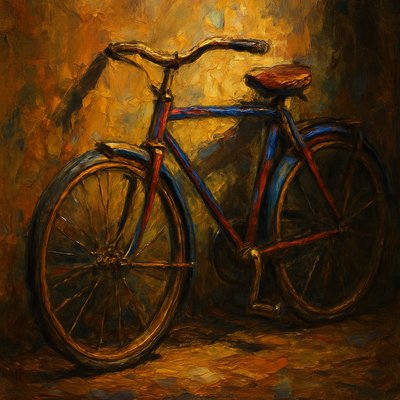
bicyle resting against a wall
Red hat on girl
portrait of a person with expressive eyes
Over-the-top still life with an abundance of objects and details in the art style of Maximalism --v 6.1
still life arrangement of fruits and flowers