“He Heweth Him Down Cedars, And Taketh The Cypress And The Oak, Which He Strengtheneth For Himself Among The Trees Of The Art

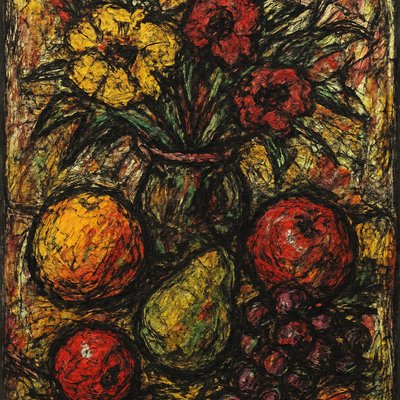
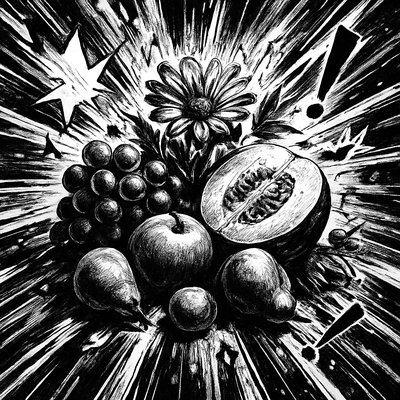
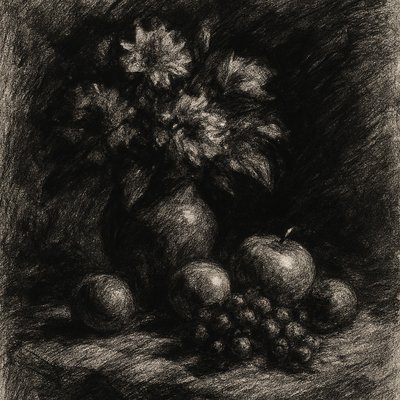
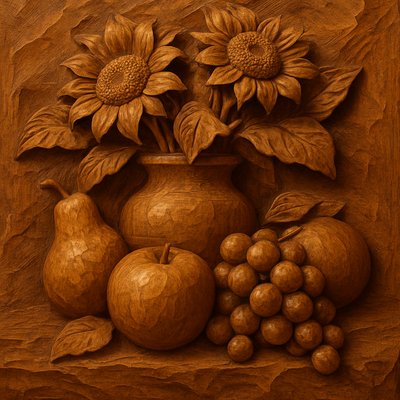
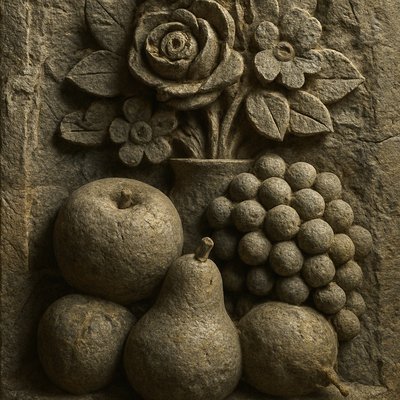
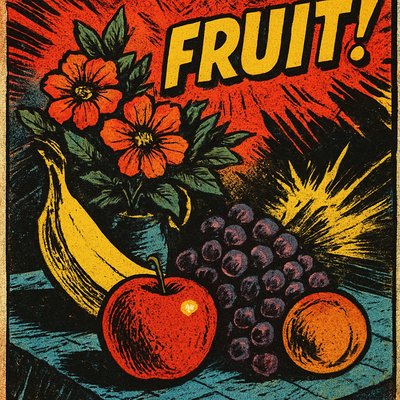
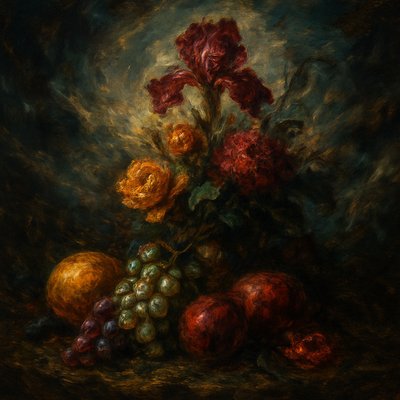
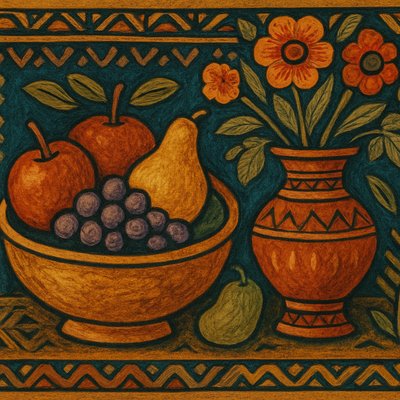
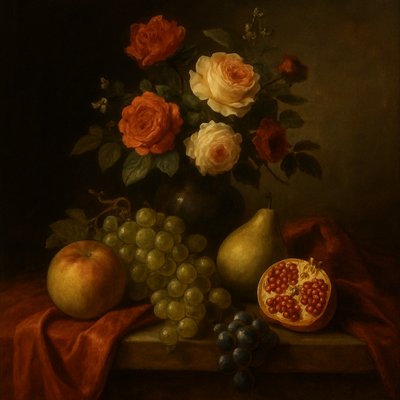
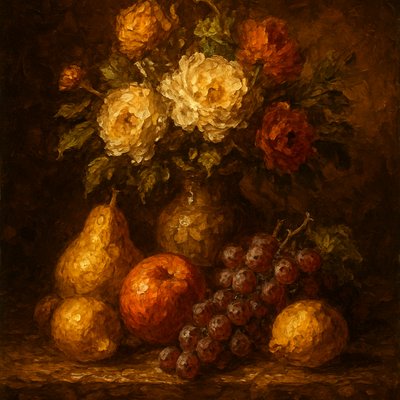
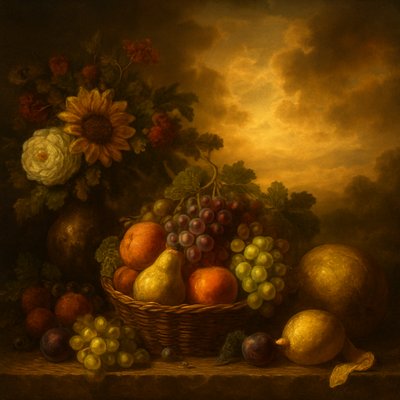
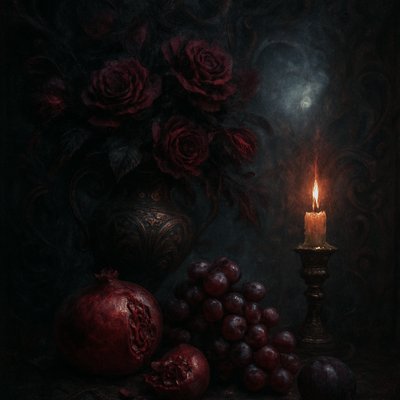
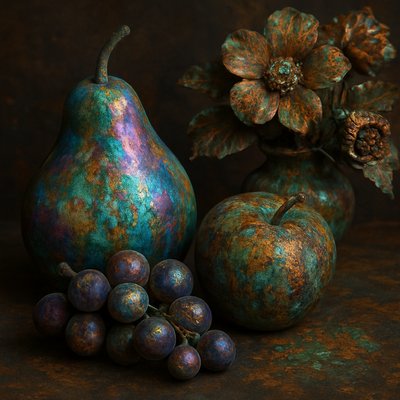
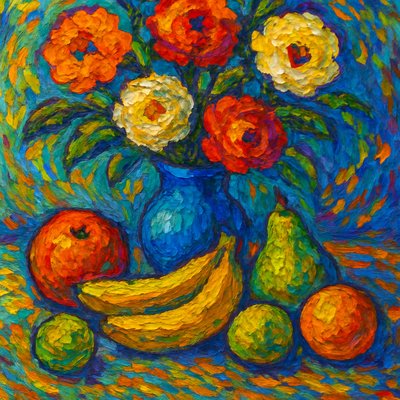
still life arrangement of fruits and flowers
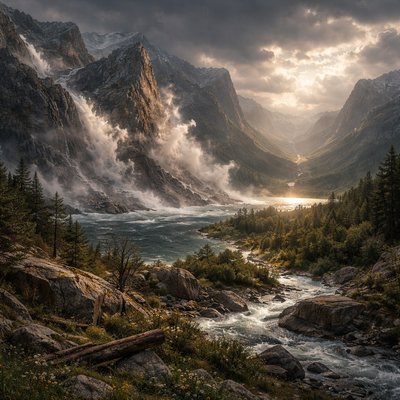
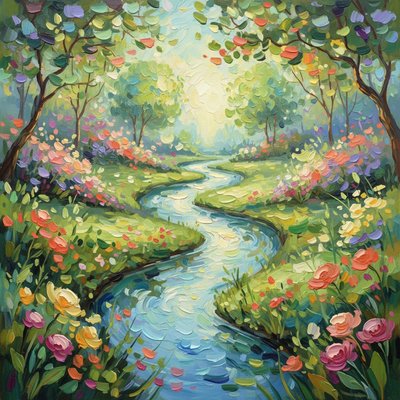
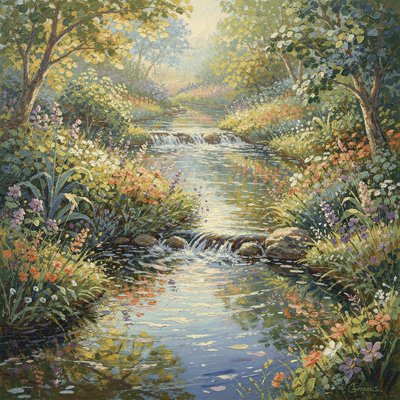
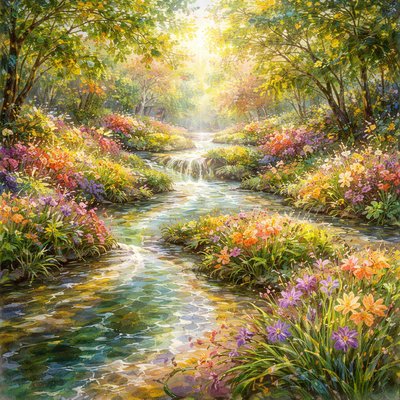
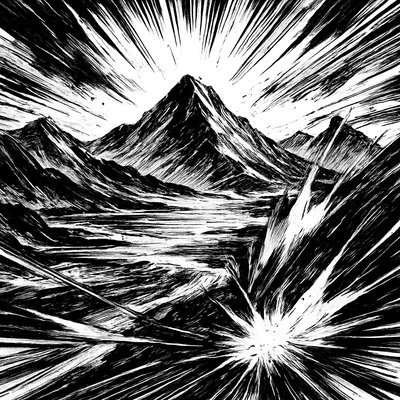
“Therefore will not we fear, though the earth be removed, and though the mountains be carried into the midst of the sea; Though the waters thereof roar and be troubled, though the mountains shake with the swelling thereof. Selah. There is a river, the streams whereof shall make glad the city of God, the holy place of the tabernacles of the most High. God is in the midst of her; she shall not be moved: God shall help her, and that right early.” (Psalms 46:2-5, KJV) Do not use any Temple or religious building. Create only the landscape
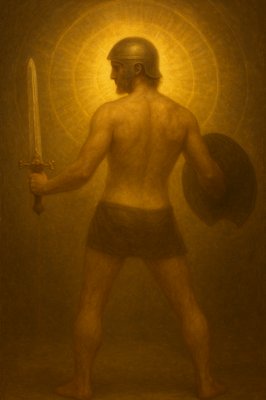
a painting of a man holding a sword and a shield
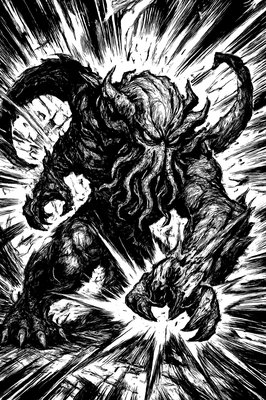
a green and brown monster with horns on it's head
a man in a black and white outfit holding his hands to his face
Hyper-realistic Andean condor flying in the sky over a forest, leaving a shimmering trail of glittering sparkles where it goes, extreme detail, photorealistic, cinematic lighting
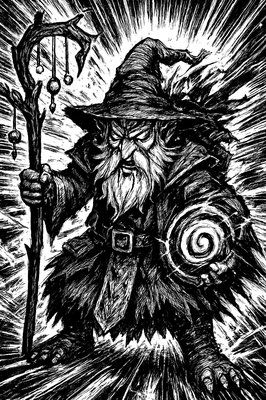
a cartoon character with a hat and a wand
a man in a yellow and black outfit
a man and a woman are posing for a picture
And a river went out of Eden to water the garden; and from thence it was parted, and became into four heads. 
(Genesis 2:10 KJV)
And a river went out of Eden to water the garden; and from thence it was parted, and became into four heads. 
(Genesis 2:10 KJV)
And a river went out of Eden to water the garden; and from thence it was parted, and became into four heads. 
(Genesis 2:10 KJV)
A porcelain doll
still life arrangement of fruits and flowers
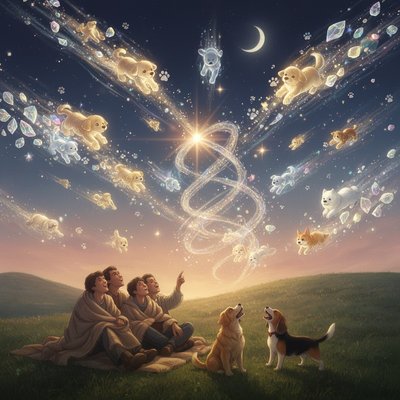
Art Style: A whimsical, magical fantasy photograph with a slight long-exposure effect. The aesthetic should be charming, warm, and full of wonder, like a scene from a high-budget Studio Ghibli film brought to real life.

The Sky (The Shower): The deep, dark night sky is alive with activity. Instead of standard meteor streaks, dozens of glowing, translucent "puppy-meteors" are zooming across the heavens.

The Puppies: They are clearly recognizable as adorable, fluffy puppies—golden retrievers, chunky corgis, fluffy samoyeds, and floppy-eared spaniels.

    Appearance: They emit a soft, warm, bioluminescent glow (golds, creams, and soft blues).

    Motion: They aren't falling tragically; they look playful, soaring and tumbling through space, leaving long, glittering trails of stardust and paw-print sparkles behind them. Let's make sure to include the moon phase we established earlier for continuity! A slender waning crescent moon is visible among the puppy-streaks.

The Foreground Setting: A wide, grassy hill perfect for stargazing.

    The Viewers: A family or group of friends wrapped in cozy blankets are sitting on the grass, looking up with expressions of pure joy and disbelief, pointing at the sky.

    Animal Reaction: On the ground next to them, two real dogs (an earth-bound golden retriever and a beagle) are looking up at the sky, barking happily and wagging their tails wildly at their celestial cousins.

Lighting: The primary light source is the magical, warm glow from the dozens of puppy-meteors streaking overhead, casting soft light on the landscape below.
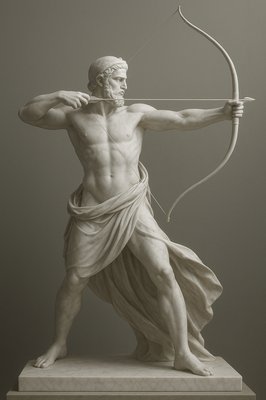
Greek hero's triumphant return
a painting of a man in a forest holding a sword
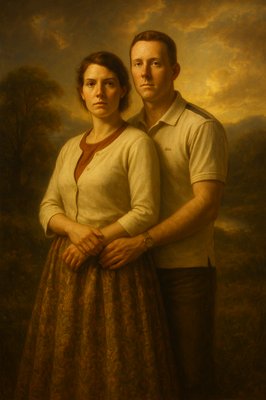
a painting of a man and woman standing next to each other
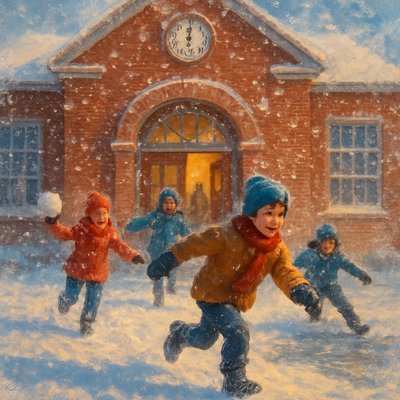
Snow Day Freedom
    A group of four happy children (diverse ages and genders) running excitedly out of the tall, red brick doors of a classic, old-fashioned schoolhouse. The school's clock face shows the final bell time. The atmosphere is pure, exultant freedom and joy.

    Scene Details: Heavy, fluffy snow is falling and has covered the ground in a pristine white blanket. The children are dressed in colorful, bundled winter clothing (red scarves, blue hats). In the foreground, one child is already throwing a perfect snowball, and another is sliding on a patch of ice. The setting sun casts a warm, golden glow on the snow, creating long, blue shadows and sharp contrast, emphasizing the magical quality of the winter afternoon.
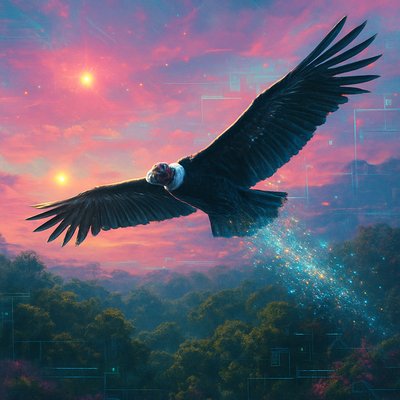
Hyper-realistic Andean condor flying in the sky over a forest, leaving a shimmering trail of glittering sparkles where it goes, extreme detail, photorealistic, cinematic lighting
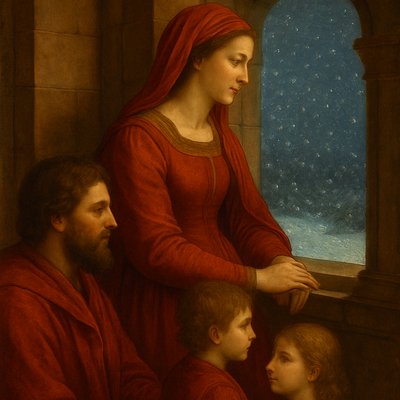
Renaissance Painting, a noble woman of Proverbs 31, standing at the window of a warm, well-lit stone home clothed richly in scarlet. She looks out at a heavy, beautiful snowstorm with a look of peace and calm resolve. Her children and husband are in the foreground, richly and completely clothed in scarlet wool. Focus on the detailed texture of the scarlet fabric, the warm contrast of the interior light against the cold blue snow outside, and a majestic, dignified atmosphere.
still life arrangement of fruits and flowers
serene landscape with mountains and water
a statue of a man with a bow and arrow
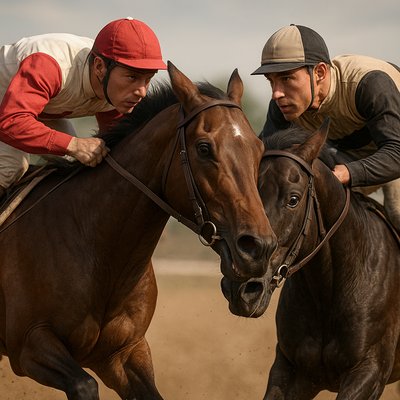
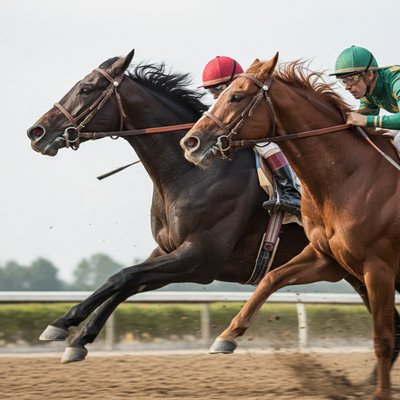
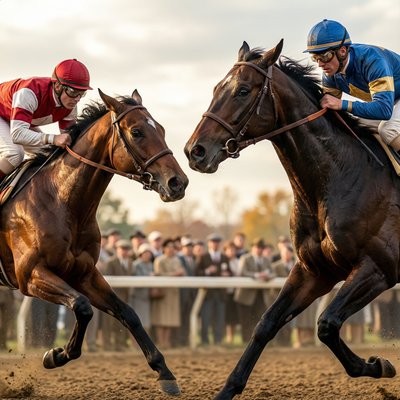
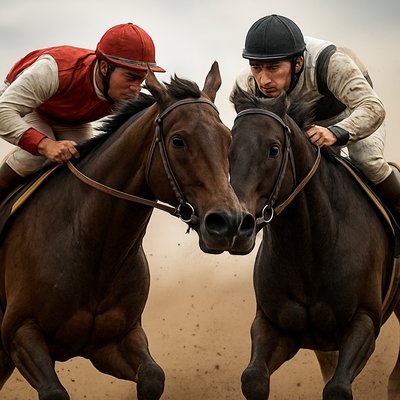
Seabiscuit vs. War Admiral (The Gaze)

    A hyper-realistic, high-resolution photograph capturing the apex of the 1938 match race between Seabiscuit and War Admiral.

    Focus: The composition is tight, showing both horses running neck-and-neck, dominating the frame. The camera angle is side-on and slightly low, emphasizing their size and muscle. The critical focus is on the space between the horses' heads as they are running stride for stride.

    Details: War Admiral (the dark bay) should show determination and slight surprise, with his head stretched out. Seabiscuit (the smaller bay) should display his characteristic "game" look—intense, focused, and seemingly looking directly into War Admiral's eyes (or toward his rival). Both jockeys (Red Pollard or George Woolf for Seabiscuit; Charles Kurtsinger for War Admiral) are visible, leaning low and urging their mounts on.

    Atmosphere: The light should be bright but slightly diffused, suggesting an autumn afternoon at Pimlico. Dust and track debris are kicked up behind them, blurred slightly by the horses' tremendous speed. The image must convey the raw power, intense rivalry, and the exact moment when the smaller horse asserts his dominance.

    Style: Cinematic photography, realistic texture, sharp focus on the horses' eyes and muscle definition.
Seabiscuit vs. War Admiral (The Gaze)

    A hyper-realistic, high-resolution photograph capturing the apex of the 1938 match race between Seabiscuit and War Admiral.

    Focus: The composition is tight, showing both horses running neck-and-neck, dominating the frame. The camera angle is side-on and slightly low, emphasizing their size and muscle. The critical focus is on the space between the horses' heads as they are running stride for stride.

    Details: War Admiral (the dark bay) should show determination and slight surprise, with his head stretched out. Seabiscuit (the smaller bay) should display his characteristic "game" look—intense, focused, and seemingly looking directly into War Admiral's eyes (or toward his rival). Both jockeys (Red Pollard or George Woolf for Seabiscuit; Charles Kurtsinger for War Admiral) are visible, leaning low and urging their mounts on.

    Atmosphere: The light should be bright but slightly diffused, suggesting an autumn afternoon at Pimlico. Dust and track debris are kicked up behind them, blurred slightly by the horses' tremendous speed. The image must convey the raw power, intense rivalry, and the exact moment when the smaller horse asserts his dominance.

    Style: Cinematic photography, realistic texture, sharp focus on the horses' eyes and muscle definition.
Seabiscuit vs. War Admiral (The Gaze)

    A hyper-realistic, high-resolution photograph capturing the apex of the 1938 match race between Seabiscuit and War Admiral.

    Focus: The composition is tight, showing both horses running neck-and-neck, dominating the frame. The camera angle is side-on and slightly low, emphasizing their size and muscle. The critical focus is on the space between the horses' heads as they are running stride for stride.

    Details: War Admiral (the dark bay) should show determination and slight surprise, with his head stretched out. Seabiscuit (the smaller bay) should display his characteristic "game" look—intense, focused, and seemingly looking directly into War Admiral's eyes (or toward his rival). Both jockeys (Red Pollard or George Woolf for Seabiscuit; Charles Kurtsinger for War Admiral) are visible, leaning low and urging their mounts on.

    Atmosphere: The light should be bright but slightly diffused, suggesting an autumn afternoon at Pimlico. Dust and track debris are kicked up behind them, blurred slightly by the horses' tremendous speed. The image must convey the raw power, intense rivalry, and the exact moment when the smaller horse asserts his dominance.

    Style: Cinematic photography, realistic texture, sharp focus on the horses' eyes and muscle definition.
Seabiscuit vs. War Admiral (The Gaze)

    A hyper-realistic, high-resolution photograph capturing the apex of the 1938 match race between Seabiscuit and War Admiral.

    Focus: The composition is tight, showing both horses running neck-and-neck, dominating the frame. The camera angle is side-on and slightly low, emphasizing their size and muscle. The critical focus is on the space between the horses' heads as they are running stride for stride.

    Details: War Admiral (the dark bay) should show determination and slight surprise, with his head stretched out. Seabiscuit (the smaller bay) should display his characteristic "game" look—intense, focused, and seemingly looking directly into War Admiral's eyes (or toward his rival). Both jockeys (Red Pollard or George Woolf for Seabiscuit; Charles Kurtsinger for War Admiral) are visible, leaning low and urging their mounts on.

    Atmosphere: The light should be bright but slightly diffused, suggesting an autumn afternoon at Pimlico. Dust and track debris are kicked up behind them, blurred slightly by the horses' tremendous speed. The image must convey the raw power, intense rivalry, and the exact moment when the smaller horse asserts his dominance.

    Style: Cinematic photography, realistic texture, sharp focus on the horses' eyes and muscle definition.