“For If Any Be A Hearer Of The Word, And Not A Doer, He Is Like Unto A Man Beholding His Natural Face In A Glass: For He Art

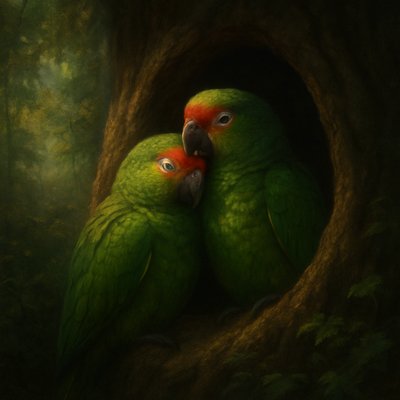
Digital Art Style, Romanticism Art Style, a tender and intimate painting inspired by Psalm 31:20, emphasizing the security of a divine dwelling place. The scene focuses on a monogamous pair of Red-lored Amazon parrots with their vibrant green plumage, distinct red and yellow markings, rendered with luminous digital detail. They are positioned at the dark, secluded entrance of a natural tree cavity, their posture conveying mutual protection and absolute contentment within their refuge. The surrounding forest is lush, with sunlight subtly illuminating the exterior, while the area immediately around the cavity entrance is bathed in a soft, ethereal glow, representing the shelter of God's presence and symbolizing the divine security of their dwelling. The overall atmosphere is one of profound safety, peace, and intimate privacy, as if they are hidden away from the world. Focus on the detailed expressions of peace on the parrots' faces, the tender intimacy of their pair bond, and the dramatic contrast between the bright forest and the secure, glowing darkness of their hidden dwelling.
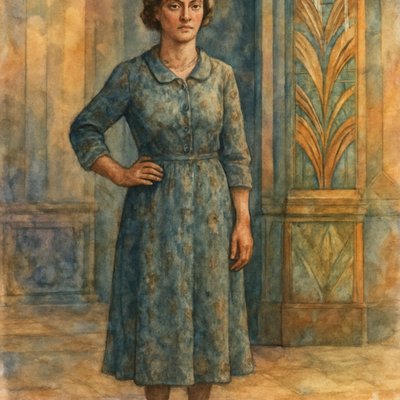
A woman dressed in Great Depression era fashion, standing in a dimly lit, humble setting. She wears a modest, long-sleeved dress made of durable, slightly faded cotton or rayon, with a mid-calf hemline. The dress is a muted color like dusty blue, faded green, or soft brown, possibly with a subtle, small floral or geometric pattern. Her hair is styled simply, perhaps in soft waves or a practical updo, and she wears sturdy, low-heeled lace-up shoes. Her posture is resilient, reflecting the strength of the era. The background is simple and sparse, hinting at the economic hardship, perhaps an old wooden wall or a faded curtain. The overall feeling is one of quiet determination and dignified hardship Use Art Deco architecture or Art Deco interior in the background, but describe the fashion as faded, worn, and humble. Juxtapose the sleek, modern geometry of the setting with the practical, mended, and heavy wool textures of the clothing.
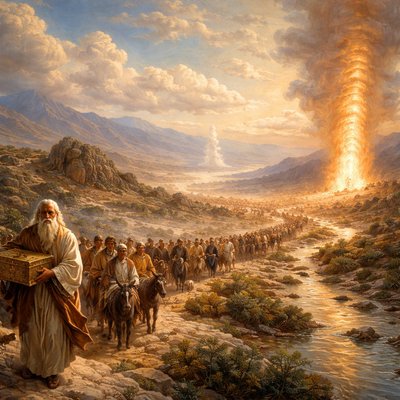
“And Moses took the bones of Joseph with him: for he had straitly sworn the children of Israel, saying, God will surely visit you; and ye shall carry up my bones away hence with you. And they took their journey from Succoth, and encamped in Etham, in the edge of the wilderness. And the LORD went before them by day in a pillar of a cloud, to lead them the way; and by night in a pillar of fire, to give them light; to go by day and night: He took not away the pillar of the cloud by day, nor the pillar of fire by night, from before the people.” (Exodus 13:19-22, KJV)
A person working from home
serene landscape with mountains and water
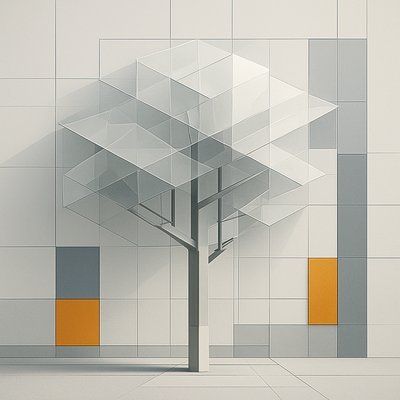
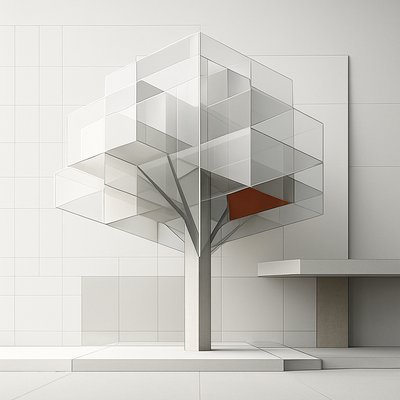
a tree in nature
Unstressed vowels weakened to schwa.
The final -e in words like name became silent.
Endings like -ed and -es lost their full vowel sound, making English more rhythmically stress-timed.
6. The wh sound stayed distinct longer.
Which and witch sounded different—which started with a breathy hw. Today the pronunciation is similar but the difference remains in some dialects. create a picture withoud words
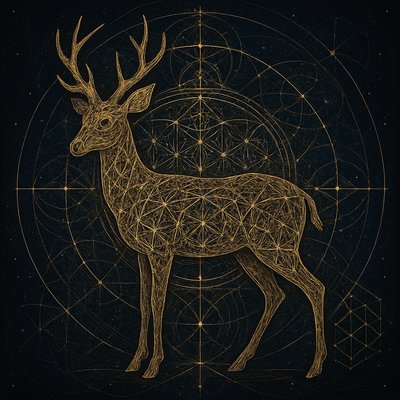
animal standing in natural pose
portrait of a person with expressive eyes
urban street with city activity
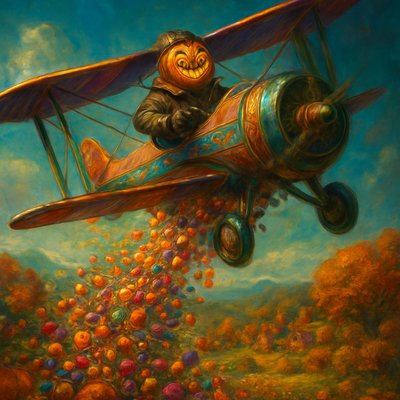
A fantastically cheerful and dynamic scene featuring the happy pumpkin-head figure (with the swirled, smiling carved face and internal glow) as the pilot of a classic, brightly colored biplane. The biplane itself is whimsically designed, perhaps with candy-themed accents or painted in vibrant, cheerful colors like orange, purple, and green.

The biplane is soaring through a clear, azure autumn sky, actively 'crop-dusting' a massive, exuberant stream of colorful Halloween candy from its underside. The candy (an abundant mix of wrapped chocolates, lollipops, candy corn, and various sweets) cascades downwards in a wide, joyous plume, spreading across the landscape below.

The landscape beneath the biplane is an idyllic, festive autumnal scene: rolling hills covered in vibrant fall foliage (golden, red, orange trees), a charming pumpkin patch, or a quaint, candy-colored village. The perspective is dynamic, capturing the plane in motion with the candy streaming behind it. The lighting is bright and sunny, emphasizing the vivid colors of the plane, the candy, and the autumn scenery. The overall mood is one of pure, unadulterated joy, playful magic, and festive exuberance, like a sugary parade from the sky."
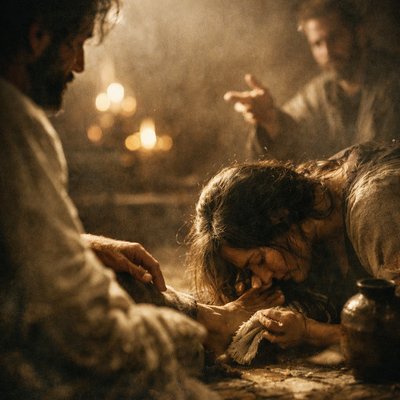
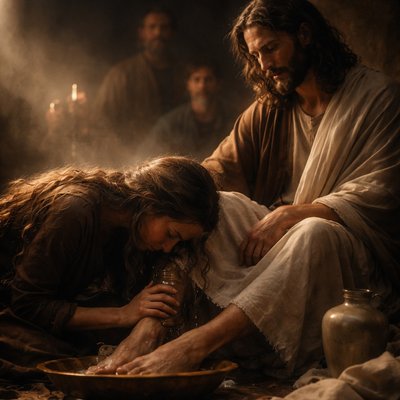
And he turned to the woman, and said unto Simon, Seest thou this woman? I entered into thine house, thou gavest me no water for my feet: but she hath washed my feet with tears, and wiped them with the hairs of her head.
Luke 7:44 (KJV)
A mysterious librarian
animal standing in natural pose
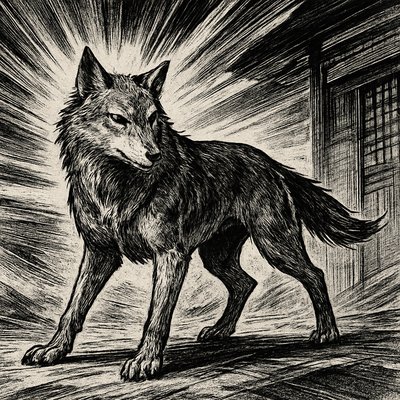
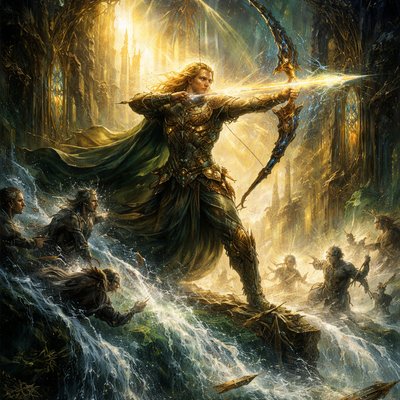
“Let them melt away as waters which run continually: when he bendeth his bow to shoot his arrows, let them be as cut in pieces.” (Psalms 58:7, KJVA)
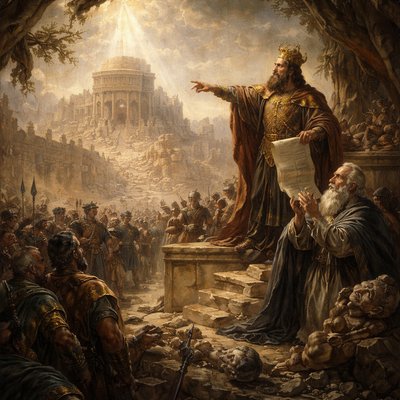
“And the God that hath caused his name to dwell there destroy all kings and people, that shall put to their hand to alter and to destroy this house of God which is at Jerusalem. I Darius have made a decree; let it be done with speed.” (Ezra 6:12, KJV)
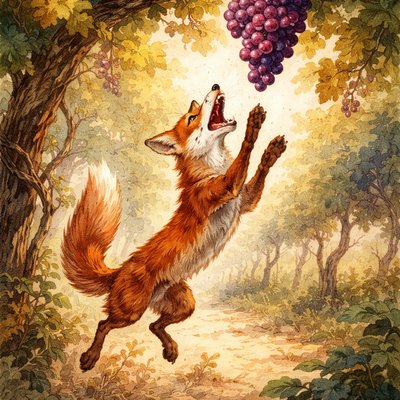
Golden Age Storybook Illustration Style, Rich Watercolor and Ink, Warm Sun-Drenched Lighting. A dynamic scene capturing a moment of desperate effort in a lush, overgrown vineyard.

    The Action (The Fox): A lithe, reddish-orange fox is caught in mid-air at the very apex of a maximum vertical leap. Its body is stretched precariously thin, hind legs kicking the air, and front paws strained upward. Its jaws are snapping wildly just inches below the target, eyes wide with intense, watering desire and frustration. The fox looks slightly bedraggled, suggesting this is not the first jump.

    The Prize (The Grapes): Hanging tantalizingly just out of reach from a thick, gnarled old vine is a magnificent, heavy cluster of deep purple, plump grapes. They are rendered to look incredibly juicy, dusted with natural bloom and catching the sunlight so they appear almost glowing and irresistible.

    The Setting: The afternoon sun filters through broad green grape leaves, casting dappled light on the dusty ground below, which shows disturbed earth from previous failed attempts. The overall mood is one of hot, tantalizing frustration.
serene landscape with mountains and water
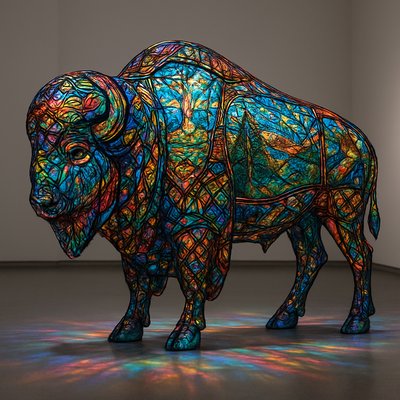
    A breathtaking, full-size artistic sculpture of a standing buffalo, rendered entirely in the style of intricate, luminous glass art, reminiscent of the painted buffalo installations found in West Yellowstone art shows. The buffalo's form is composed of countless individual pieces of vibrant, multifaceted stained glass or fused glass, meticulously cut, arranged, and joined, creating a cohesive and majestic shape.

    Instead of traditional paint, the entire surface of this glass buffalo is adorned with various miniature, finely detailed scenes and patterns etched, painted, or embedded within the glass itself, or created by the unique coloration and texture of the glass pieces. These scenes could depict:

        Western landscapes: Yellowstone's geysers, mountain ranges, pine forests, rivers.

        Wildlife: Elk, bears, wolves, eagles (in glass).

        Native American art motifs: Geometric patterns, symbols, and figures (also rendered in glass).

        Historical moments: Subtle nods to early explorers or iconic figures (stylized in glass).

    The buffalo's interior is subtly illuminated, causing the entire sculpture to glow from within. Light catches every facet of the glass, creating a dazzling play of refracted colors and intricate shadows on the ground around it. The background is a clean, modern art gallery setting with soft, focused lighting, allowing the buffalo to be the sole, radiant centerpiece. The atmosphere is one of awe, wonder, and appreciation for artistic craftsmanship and the spirit of the American West, reimagined through a unique, luminous medium. The artistic style is hyper-realistic, emphasizing the detailed texture, transparency, and brilliant light play inherent in glass art."
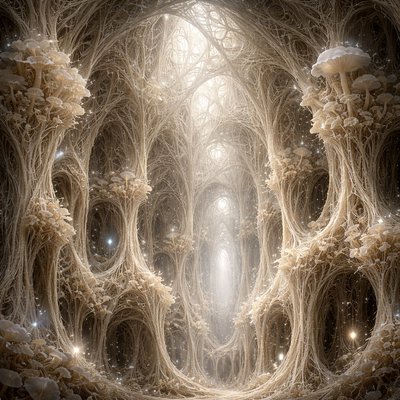
animal standing in natural pose
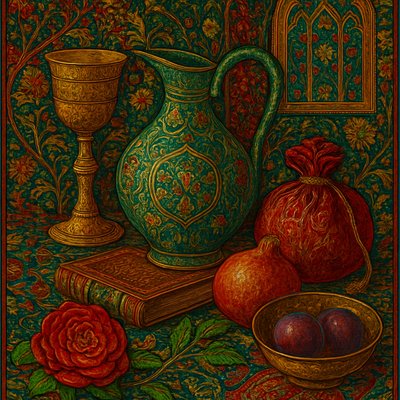
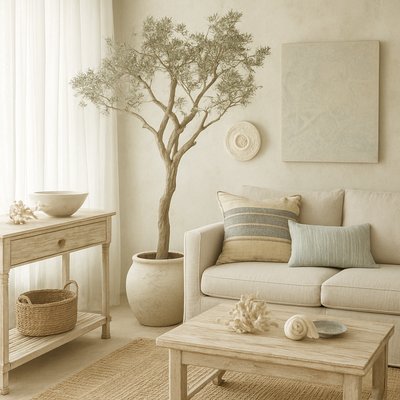
still life with everyday objects
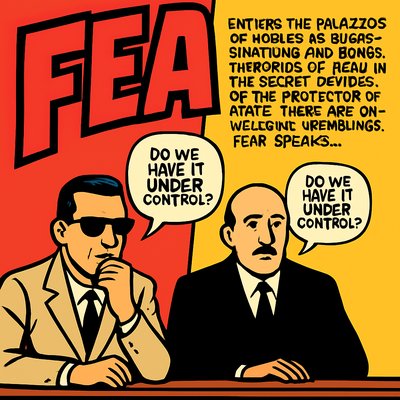
a cartoon of two men sitting at a table
“Take my yoke upon you, and learn of me; for I am meek and lowly in heart: and ye shall find rest unto your souls.” (Matthew 11:29, KJV)
A cinematic, hyper-realistic shot of a person standing in a serene, sun-drenched meadow at dawn. They have their eyes closed and a peaceful, joyful expression, with hands gently placed over their heart. A soft, radiant golden light emanates from within their chest, symbolizing the Spirit. In the deep shadows behind them, a dark, dusty wine goblet sits forgotten and untouched. Swirling, ethereal ribbons of light—resembling flowing musical staves—dance in the air around them. Warm atmosphere, divine glow, 8k resolution, highly detailed, no text, no words.
urban street with city activity
a tree in nature
a tree in nature
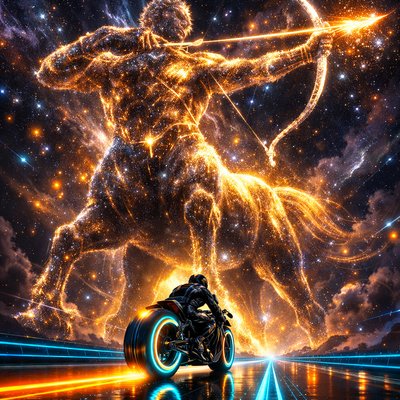
Neon-Futurism Digital Art Style, Bioluminescent Sci-Fi Cosmic Setting, Extreme Low-Angle Perspective. A breathtaking shot looking up from the level of the highway, emphasizing the colossal height of the constellation above.

The Rider & Bike Consistency: The lone motorcyclist—in the exact same sleek, armored suit with integrated helmet—is speeding forward on the same hubless "light-cycle" sportbike. The cyan and orange neon wheel rings leave a perfectly straight, vibrant light trail on the road, reflecting off the glossy surface.

The Path (The Ecliptic): The glowing blue laser-grid highway continues into the distance, appearing as a thin line of light compared to the massive figure towering over it.

The Sagittarius Presence: Looming directly over the highway is the colossal, majestic form of Sagittarius, a centaur made of shimmering stardust and golden data-lines. He is positioned so that the highway passes directly between his towering front legs. Above the rider, the centaur’s torso is twisted as he pulls back a massive longbow made of pure white light.

The Action: An arrow of concentrated solar energy is notched in the bow, pointed toward a distant star cluster. The rider is captured in the moment of passing directly beneath the centaur's underbelly, surrounded by the glow of the "horse" body’s starlight.

Atmosphere: The scene is dominated by golden and white light from the centaur, contrasting with the deep indigo of the cosmic void and the sharp cyan of the bike's neon.
And he turned to the woman, and said unto Simon, Seest thou this woman? I entered into thine house, thou gavest me no water for my feet: but she hath washed my feet with tears, and wiped them with the hairs of her head.
Luke 7:44 (KJV)
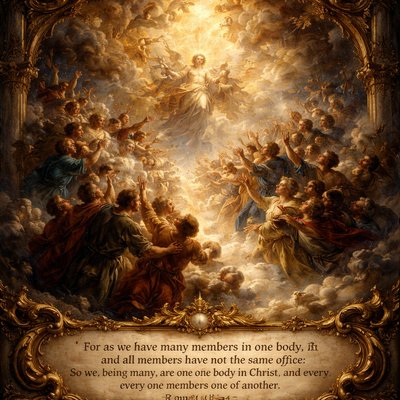
“For as we have many members in one body, and all members have not the same office: So we, being many, are one body in Christ, and every one members one of another.” (Romans 12:4-5, KJVA)
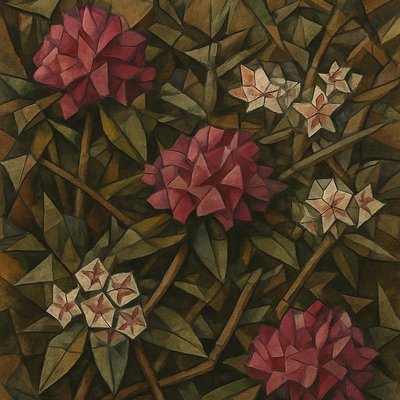
a tree in nature
a tree in nature
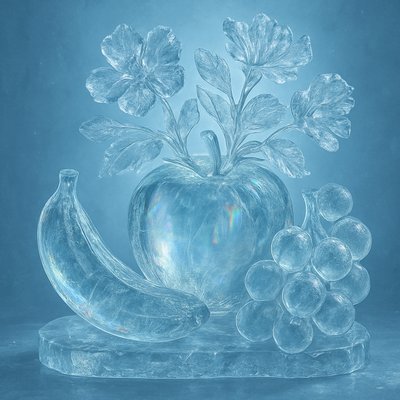
still life arrangement of fruits and flowers
“But now being made free from sin, and become servants to God, ye have your fruit unto holiness, and the end everlasting life.” (Romans 6:22, KJV)
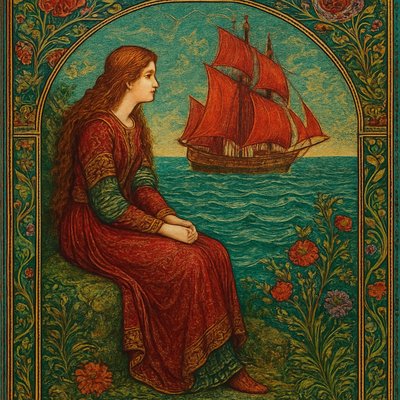
a girl sitting on a rock looking at the sea with a big ship with red sails on the horizon
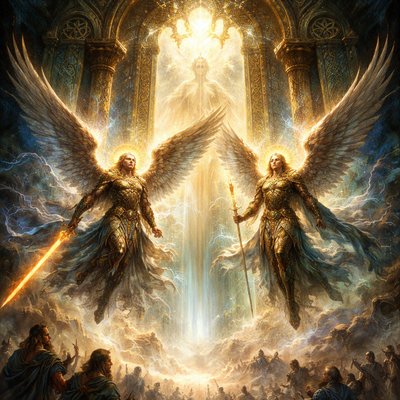
“Then the all-glorious, all-powerful, and true God, displayed his holy countenance, and opened the gates of heaven, from which two angels, dreadful of form, came down and were visible to all but the Jews.” (3 Maccabees 6:18, Brenton)
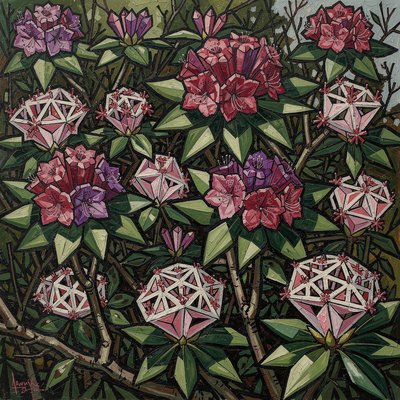
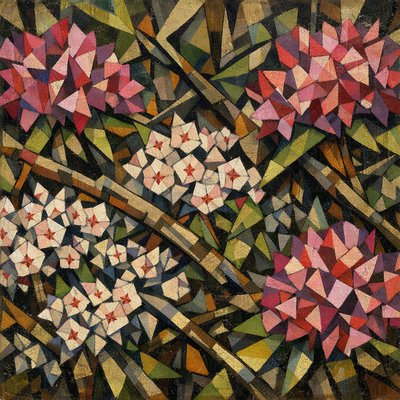
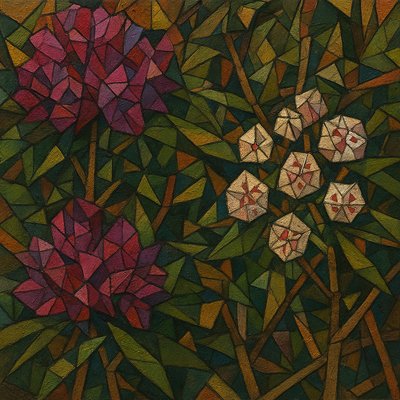
Art Style: Analytical Cubism, avant-garde oil painting style reminiscent of Picasso and Braque.

Subject: A dense, tangled thicket of Rhododendrons and Mountain Laurel bushes.

Composition & Details: The entire natural scene is deconstructed into overlapping geometric planes, fractured shards, and intersecting angles. There are no curved lines; everything is rendered in cubes, cones, and trapezoids.

    The Rhododendrons: Large, showy flower trusses are broken into faceted crystalline structures of deep magenta, rose pink, and violet blocks, looking like explosions of colored quartz rather than soft petals.

    The Mountain Laurels: The smaller, intricate flowers are rendered as complex, repeating geometric star-patterns and angular cups in white and pale pink with distinct red polygonal markings.

    Foliage & Branches: The thick, leathery leaves are fragmented green triangles and parallelograms overlapping each other, creating a sense of depth without traditional perspective. The woody stems and branches are jagged, intersecting brown and grey cylinders that shatter across the frame.
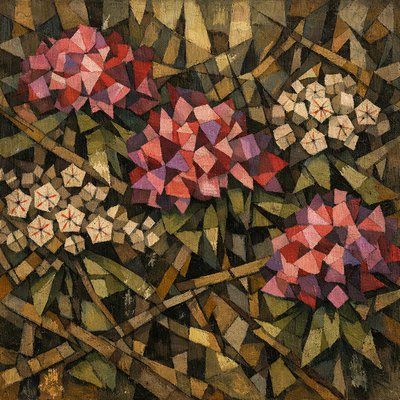
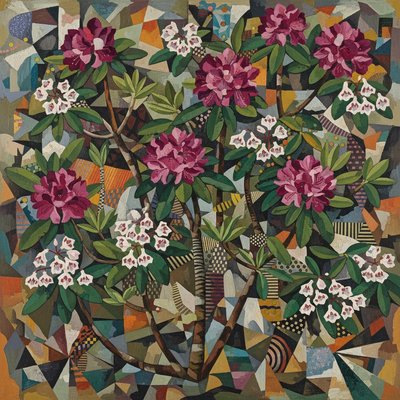
Color & Texture: A palette of muted earth tones—ochre, burnt umber, forest green, and slate grey—contrasted sharply with the jewel-toned facets of the flower colors. The finish should have a heavy, textured oil paint feel with visible palette knife marks and rough brushwork.
Art Style: Analytical Cubism, avant-garde oil painting style reminiscent of Picasso and Braque.

Subject: A dense, tangled thicket of Rhododendrons and Mountain Laurel bushes.

Composition & Details: The entire natural scene is deconstructed into overlapping geometric planes, fractured shards, and intersecting angles. There are no curved lines; everything is rendered in cubes, cones, and trapezoids.

    The Rhododendrons: Large, showy flower trusses are broken into faceted crystalline structures of deep magenta, rose pink, and violet blocks, looking like explosions of colored quartz rather than soft petals.

    The Mountain Laurels: The smaller, intricate flowers are rendered as complex, repeating geometric star-patterns and angular cups in white and pale pink with distinct red polygonal markings.

    Foliage & Branches: The thick, leathery leaves are fragmented green triangles and parallelograms overlapping each other, creating a sense of depth without traditional perspective. The woody stems and branches are jagged, intersecting brown and grey cylinders that shatter across the frame.

Color & Texture: A palette of muted earth tones—ochre, burnt umber, forest green, and slate grey—contrasted sharply with the jewel-toned facets of the flower colors. The finish should have a heavy, textured oil paint feel with visible palette knife marks and rough brushwork.
Art Style: Analytical Cubism, avant-garde oil painting style reminiscent of Picasso and Braque.

Subject: A dense, tangled thicket of Rhododendrons and Mountain Laurel bushes.

Composition & Details: The entire natural scene is deconstructed into overlapping geometric planes, fractured shards, and intersecting angles. There are no curved lines; everything is rendered in cubes, cones, and trapezoids.

    The Rhododendrons: Large, showy flower trusses are broken into faceted crystalline structures of deep magenta, rose pink, and violet blocks, looking like explosions of colored quartz rather than soft petals.

    The Mountain Laurels: The smaller, intricate flowers are rendered as complex, repeating geometric star-patterns and angular cups in white and pale pink with distinct red polygonal markings.

    Foliage & Branches: The thick, leathery leaves are fragmented green triangles and parallelograms overlapping each other, creating a sense of depth without traditional perspective. The woody stems and branches are jagged, intersecting brown and grey cylinders that shatter across the frame.

Color & Texture: A palette of muted earth tones—ochre, burnt umber, forest green, and slate grey—contrasted sharply with the jewel-toned facets of the flower colors. The finish should have a heavy, textured oil paint feel with visible palette knife marks and rough brushwork.
Art Style: Analytical Cubism, avant-garde oil painting style reminiscent of Picasso and Braque.

Subject: A dense, tangled thicket of Rhododendrons and Mountain Laurel bushes.

Composition & Details: The entire natural scene is deconstructed into overlapping geometric planes, fractured shards, and intersecting angles. There are no curved lines; everything is rendered in cubes, cones, and trapezoids.

    The Rhododendrons: Large, showy flower trusses are broken into faceted crystalline structures of deep magenta, rose pink, and violet blocks, looking like explosions of colored quartz rather than soft petals.

    The Mountain Laurels: The smaller, intricate flowers are rendered as complex, repeating geometric star-patterns and angular cups in white and pale pink with distinct red polygonal markings.

    Foliage & Branches: The thick, leathery leaves are fragmented green triangles and parallelograms overlapping each other, creating a sense of depth without traditional perspective. The woody stems and branches are jagged, intersecting brown and grey cylinders that shatter across the frame.

Color & Texture: A palette of muted earth tones—ochre, burnt umber, forest green, and slate grey—contrasted sharply with the jewel-toned facets of the flower colors. The finish should have a heavy, textured oil paint feel with visible palette knife marks and rough brushwork.
Art Style: Analytical Cubism, avant-garde oil painting style reminiscent of Picasso and Braque.

Subject: A dense, tangled thicket of Rhododendrons and Mountain Laurel bushes.

Composition & Details: The entire natural scene is deconstructed into overlapping geometric planes, fractured shards, and intersecting angles. There are no curved lines; everything is rendered in cubes, cones, and trapezoids.

    The Rhododendrons: Large, showy flower trusses are broken into faceted crystalline structures of deep magenta, rose pink, and violet blocks, looking like explosions of colored quartz rather than soft petals.

    The Mountain Laurels: The smaller, intricate flowers are rendered as complex, repeating geometric star-patterns and angular cups in white and pale pink with distinct red polygonal markings.

    Foliage & Branches: The thick, leathery leaves are fragmented green triangles and parallelograms overlapping each other, creating a sense of depth without traditional perspective. The woody stems and branches are jagged, intersecting brown and grey cylinders that shatter across the frame.

Color & Texture: A palette of muted earth tones—ochre, burnt umber, forest green, and slate grey—contrasted sharply with the jewel-toned facets of the flower colors. The finish should have a heavy, textured oil paint feel with visible palette knife marks and rough brushwork.
Art Style: Analytical Cubism, avant-garde oil painting style reminiscent of Picasso and Braque.

Subject: A dense, tangled thicket of Rhododendrons and Mountain Laurel bushes.

Composition & Details: The entire natural scene is deconstructed into overlapping geometric planes, fractured shards, and intersecting angles. There are no curved lines; everything is rendered in cubes, cones, and trapezoids.

    The Rhododendrons: Large, showy flower trusses are broken into faceted crystalline structures of deep magenta, rose pink, and violet blocks, looking like explosions of colored quartz rather than soft petals.

    The Mountain Laurels: The smaller, intricate flowers are rendered as complex, repeating geometric star-patterns and angular cups in white and pale pink with distinct red polygonal markings.

    Foliage & Branches: The thick, leathery leaves are fragmented green triangles and parallelograms overlapping each other, creating a sense of depth without traditional perspective. The woody stems and branches are jagged, intersecting brown and grey cylinders that shatter across the frame.

Color & Texture: A palette of muted earth tones—ochre, burnt umber, forest green, and slate grey—contrasted sharply with the jewel-toned facets of the flower colors. The finish should have a heavy, textured oil paint feel with visible palette knife marks and rough brushwork.