“And To Jesus The Mediator Of The New Covenant, And To The Blood Of Sprinkling, That Speaketh Better Things Than That Of Abel.” Art

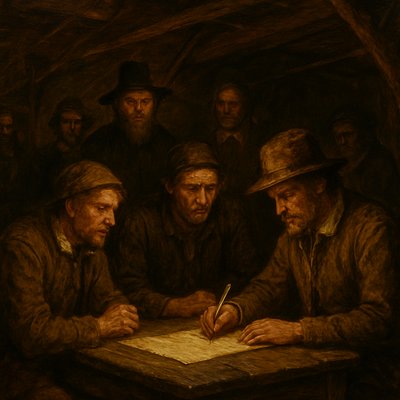
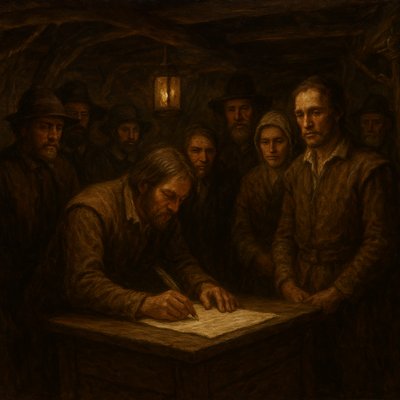
A historically accurate and atmospheric depiction of the signing of the Mayflower Compact aboard the ship in November 1620. The scene is set in the dimly lit, cramped cabin of the Mayflower, with the ship's timbers and rigging subtly visible, conveying the challenging conditions of the voyage. A simple table or chest serves as the signing surface. The primary focus is on a small group of the last individuals signing the document: specifically, the indentured servants (or 'strangers' not directly part of the Separatist congregation) approaching or at the table. Their expressions show a mix of weary determination, understanding of the necessity, and perhaps a hint of quiet apprehension or resignation to this new social contract, given their status. They are dressed in the plain, practical clothing typical of 17th-century commoners and laborers. Figures of prominent Pilgrims or 'Saints' (like William Bradford or John Carver) are visible in the background, observing the proceedings with a sense of gravity and leadership, but they are not the central focus. The lighting is low and warm, perhaps from a lantern, creating a chiaroscuro effect that highlights the faces of the signers. The atmosphere conveys the momentousness of the act under difficult circumstances, the diverse composition of the group, and the early seeds of self-governance in a new world. The artistic style is a realistic, historically detailed oil painting, capturing the solemnity and human element of this pivotal historical moment."
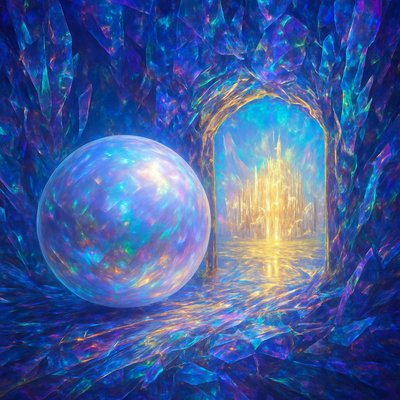
A profoundly symbolic and awe-inspiring depiction of a colossal, luminous pearl which rolls to open a gate in the New Jerusalem, captured in the dynamic act of rolling away, similar to the stone being moved from Christ's tomb. The gate, a single, immense, perfectly spherical pearl, is shown mid-motion, having just been set aside from the entrance, revealing the glorious city beyond. The pearl and the entrance opening are the same size.

The pearl itself glows with an intense, soft iridescence, reflecting the divine light. Its surface shows subtle, exquisite details of mother-of-pearl. The frame or opening from which it has rolled away is visible, perhaps showing immense, smooth tracks or channels in the transparent gold structure of the city wall, reinforcing the idea of its monumental movement.

Through the now open gate, the radiant glory of the New Jerusalem streams forth. Pure gold streets, like transparent glass, extend into the city, illuminated by an intense, divine light that emanates from within. Heavenly architecture, impossibly beautiful and intricate, is glimpsed in the distance, beckoning. The atmosphere is one of profound sanctity, triumphant revelation, and welcoming access to the divine, with the act of the pearl rolling away symbolizing a breakthrough or an open invitation. The lighting is ethereal and grand, emphasizing the pearl's luster and the city's overwhelming glory."
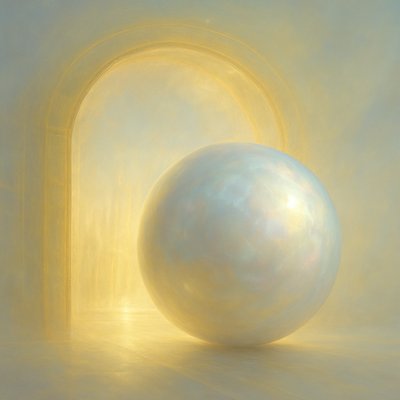
A profoundly symbolic and awe-inspiring depiction of a colossal, luminous gate of the New Jerusalem, where the entire gate IS a single, immense, perfectly spherical pearl. This monumental pearl gate is captured in the dynamic act of rolling away, similar to a massive stone being moved from an entrance. The spherical pearl is shown mid-motion, having just begun to slide or pivot within its vast, golden, celestial frame, creating an opening into the glorious city beyond.

The pearl itself glows with an intense, soft iridescence, reflecting the divine light. Its surface shows exquisite details of mother-of-pearl, and its sheer scale emphasizes that it is a single, perfect gem. The massive, transparent golden wall of the city forms the structure around this pearl gate, with visible tracks or an immense opening indicating where the pearl has moved from.

Through the now open segment of the gate, the radiant glory of the New Jerusalem streams forth. Pure gold streets, like transparent glass, extend into the city, illuminated by an intense, divine light that emanates from within. Heavenly architecture, impossibly beautiful and intricate, is glimpsed in the distance, beckoning. The atmosphere is one of profound sanctity, triumphant revelation, and welcoming access to the divine, with the act of the pearl gate rolling away symbolizing a breakthrough or an open invitation. The lighting is ethereal and grand, emphasizing the pearl's luster and the city's overwhelming glory."
A historically accurate and atmospheric depiction of the signing of the Mayflower Compact aboard the ship in November 1620. The scene is set in the dimly lit, cramped cabin of the Mayflower, with the ship's timbers and rigging subtly visible, conveying the challenging conditions of the voyage. A simple table or chest serves as the signing surface. The primary focus is on a small group of the last individuals signing the document: specifically, the indentured servants (or 'strangers' not directly part of the Separatist congregation) approaching or at the table. Their expressions show a mix of weary determination, understanding of the necessity, and perhaps a hint of quiet apprehension or resignation to this new social contract, given their status. They are dressed in the plain, practical clothing typical of 17th-century commoners and laborers. Figures of prominent Pilgrims or 'Saints' (like William Bradford or John Carver) are visible in the background, observing the proceedings with a sense of gravity and leadership, but they are not the central focus. The lighting is low and warm, perhaps from a lantern, creating a chiaroscuro effect that highlights the faces of the signers. The atmosphere conveys the momentousness of the act under difficult circumstances, the diverse composition of the group, and the early seeds of self-governance in a new world. The artistic style is a realistic, historically detailed oil painting, capturing the solemnity and human element of this pivotal historical moment."
portrait of two people together
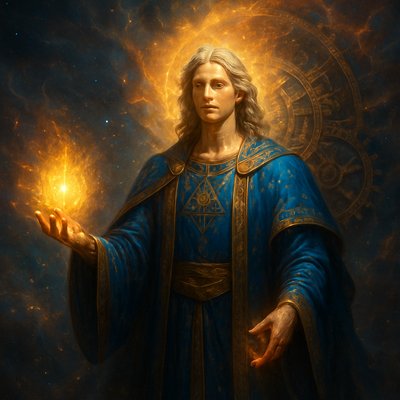
"Uriel, the Angel of Light and Wisdom from the Book of Enoch, a majestic celestial guide, standing amidst swirling cosmic dust and ethereal nebulae. His form radiates intense, pure light. He gestures towards a hidden cosmic mechanism, revealing ancient knowledge, holding a flaming orb of pure light. Robes of deep sapphire blue and radiant gold, adorned with ancient symbols. Serene, knowing face, eyes glimmering with cosmic insight. Behind him, celestial gears and the fiery essence of the sun. Hyperrealistic digital painting, divine luminosity, epic detailed, cinematic lighting, cosmic gradients."divine luminosity, ethereal glow, celestial being, seraphic presence, sacred geometry, iridescent, luminescent
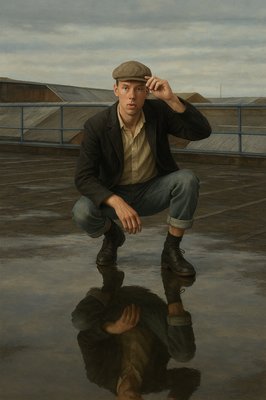
a painting of a man sitting on the ground
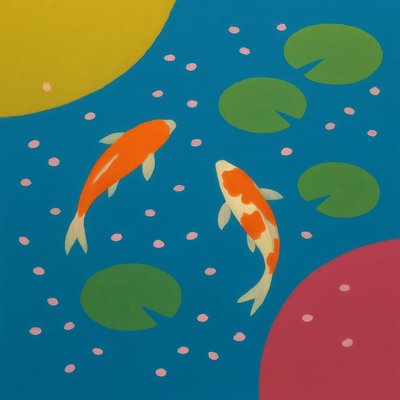
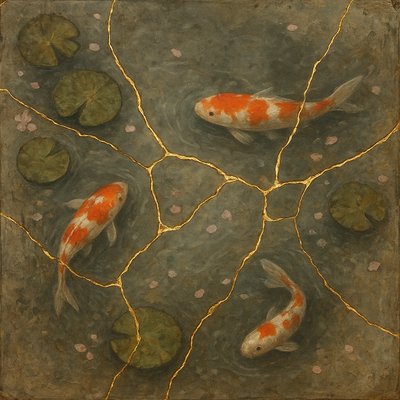
A koi pond seen from above, orange and white koi fish swimming among lily pads, clear water with subtle ripples, fallen cherry blossom petals floating on the surface, dappled sunlight
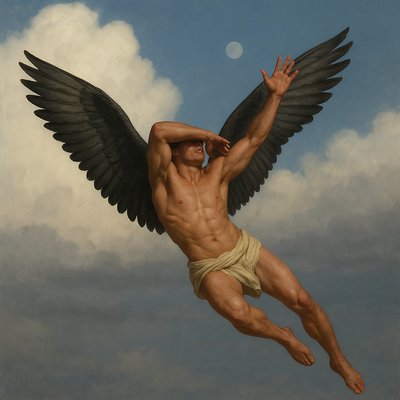
a painting of a man with wings in the air
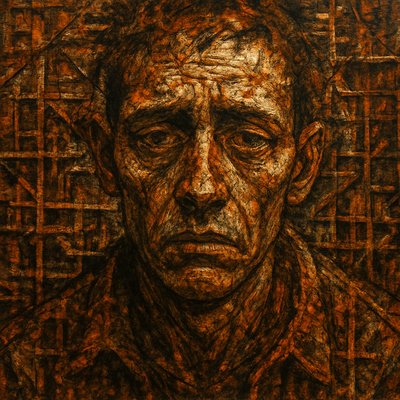
portrait of a person with expressive eyes
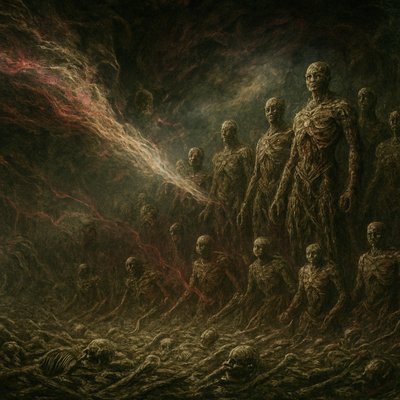
A profound and epic scene depicting the Vision of the Dry Bones from Ezekiel 37. In a desolate, vast valley, countless dry human bones are scattered, stark white and ancient. A powerful, divine wind (ruach) swirls through the valley, imbued with a sacred, ethereal glow, causing the bones to rattle and miraculously knit together. Tendons, flesh, and skin rapidly form over the skeletal structures, transforming them into fully-formed human figures. As the divine breath enters, the figures rise, not as individuals, but as a colossal, awe-inspiring army standing upright, gazing forward with renewed life and purpose. The sky above is dramatic, perhaps with stormy clouds breaking to reveal a divine light. The overall mood is one of miraculous resurrection, immense power, and hopeful restoration."
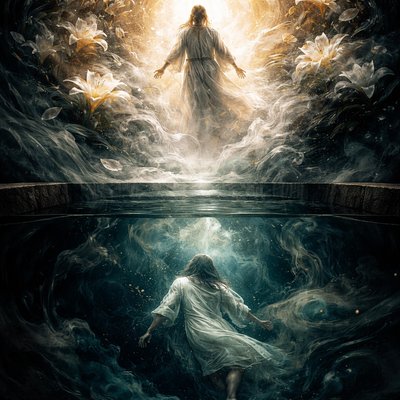
A cinematic split-view composition. The bottom half shows a dark, tranquil stone pool (Mikveh) where a figure is submerged in deep teal water, symbolizing burial. The top half shows the same figure emerging into a brilliant, blinding golden light with white lilies blooming all around. Hyper-realistic, dramatic chiaroscuro lighting, spiritual atmosphere, "Newness of life" theme, 8k resolution, elegant and sacred.
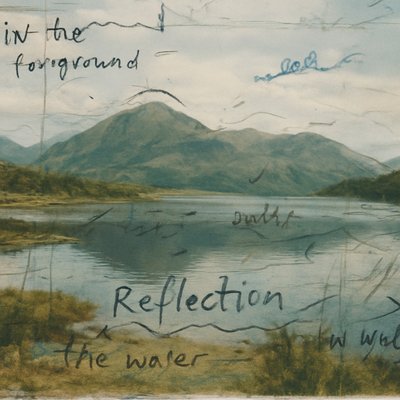
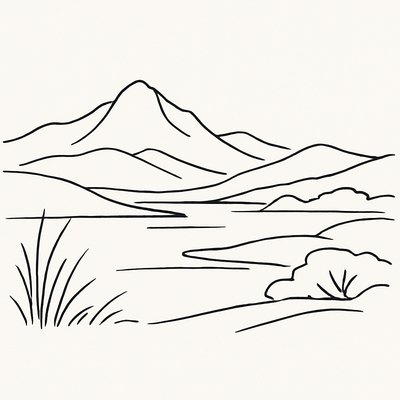
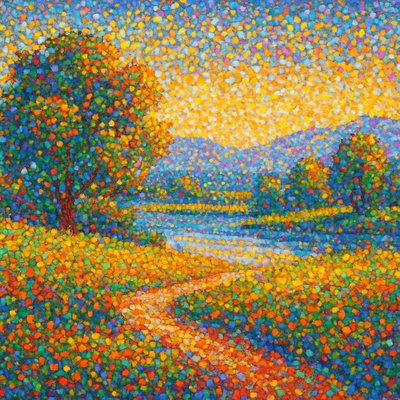
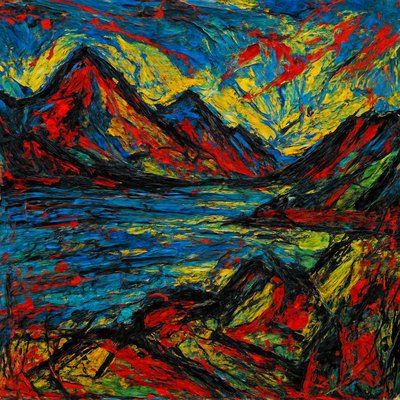
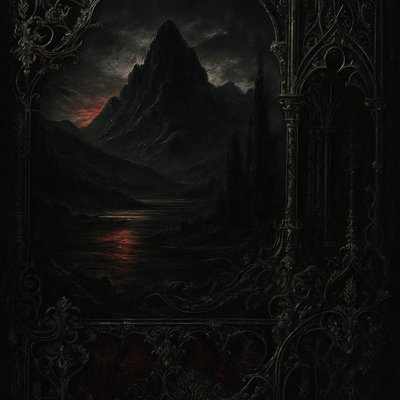
serene landscape with mountains and water
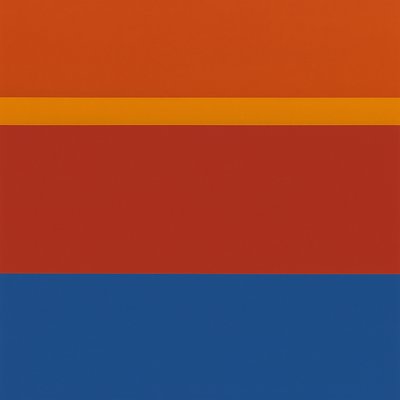
Color Field Painting Style Style Transfer Example
Minimalist Line Portrait Style Style Transfer Example
Color Field Painting Style Style Transfer Example
bicyle resting against a wall
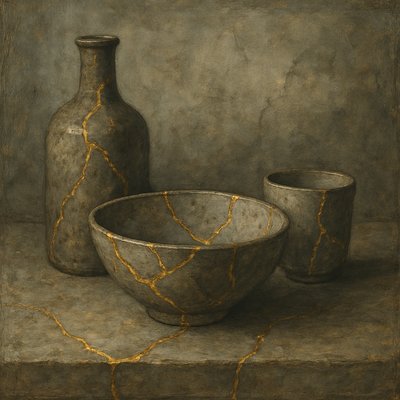
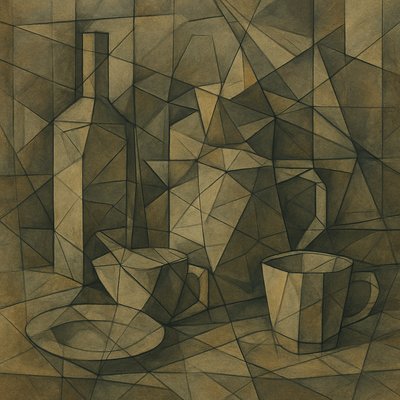
still life with everyday objects
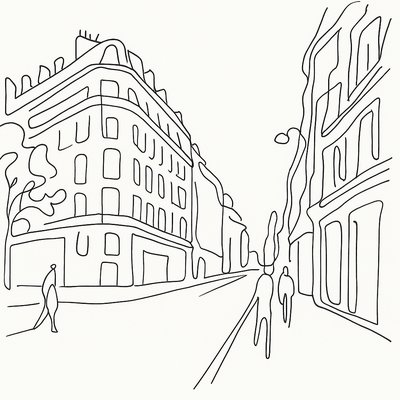
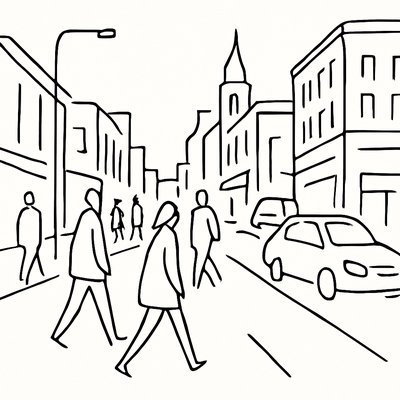
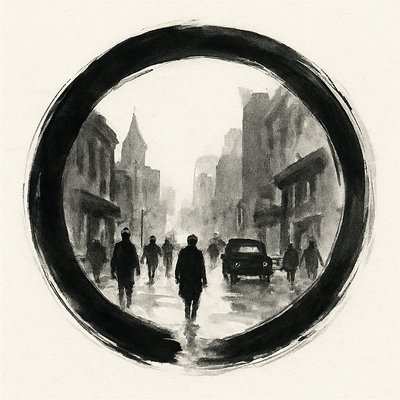
urban street with city activity
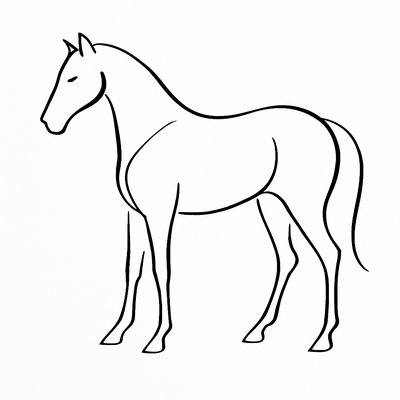
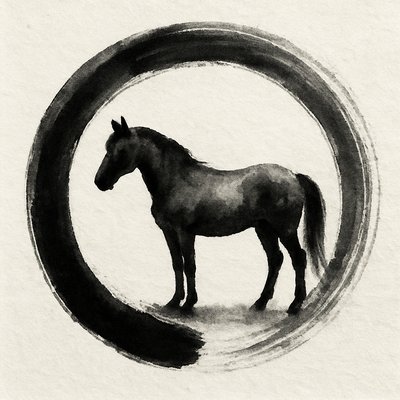
animal standing in natural pose
wide landscape with natural scenery
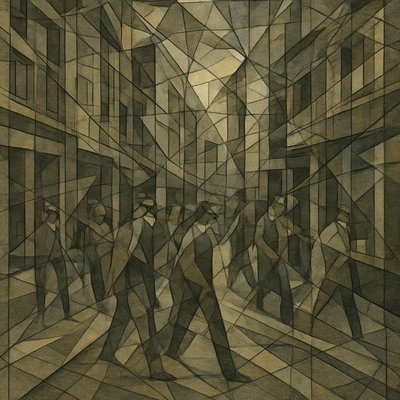
urban street with city activity
still life with everyday objects
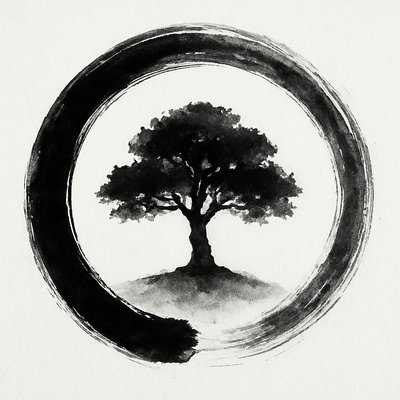
a tree in nature
house with front view
bicyle resting against a wall
animal standing in natural pose
urban street with city activity
wide landscape with natural scenery
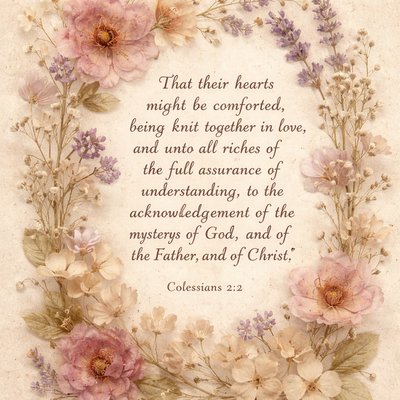
“That their hearts might be comforted, being knit together in love, and unto all riches of the full assurance of understanding, to the acknowledgement of the mystery of God, and of the Father, and of Christ;” (Colossians 2:2, KJV)
serene landscape with mountains and water
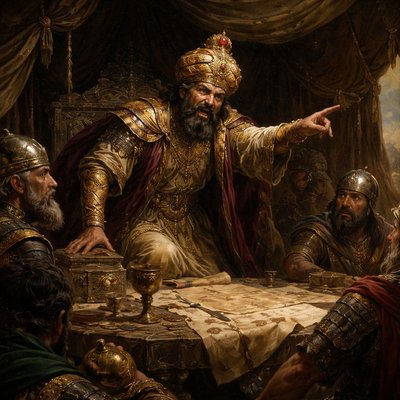
“Therefore the heart of the king of Syria was sore troubled for this thing; and he called his servants, and said unto them, Will ye not shew me which of us is for the king of Israel?” (2 Kings 6:11, KJV)
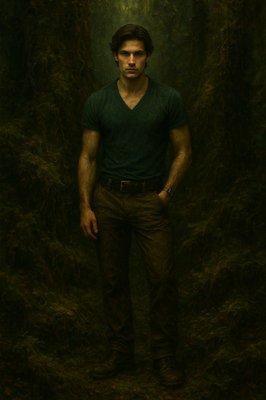
a man standing in the middle of a forest
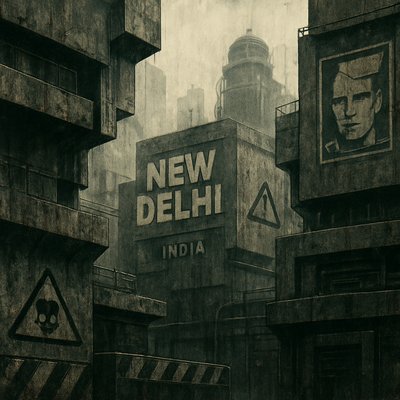
New Delhi, India
serene landscape with mountains and water
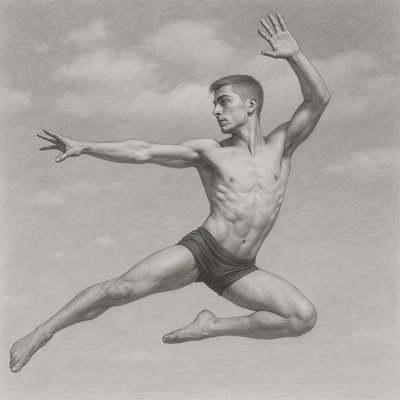
a drawing of a man leaping in the air
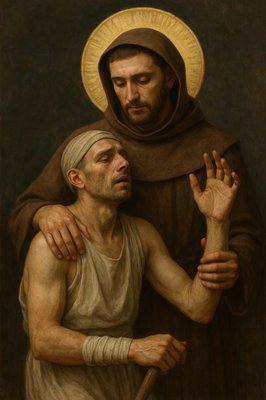
a painting of a man holding the hand of another man
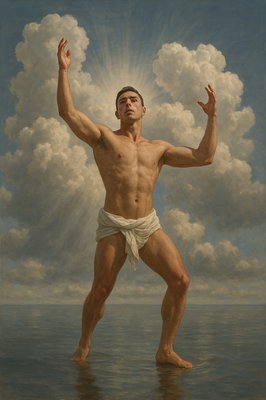
a painting of a man standing in the water
Gesture isn’t always movement — sometimes it’s the stillness that speaks. The warmth of peace, the weight of His hands, and the quiet breath of the Word alive within me.
Zen Circle Minimalism Art Style Style Transfer Example