"A High Energy, A Woman With Long Red Hair Wearing A Headband, Her Husband, And A Young Boy In A Lime Green Shirt—engaged In A Art

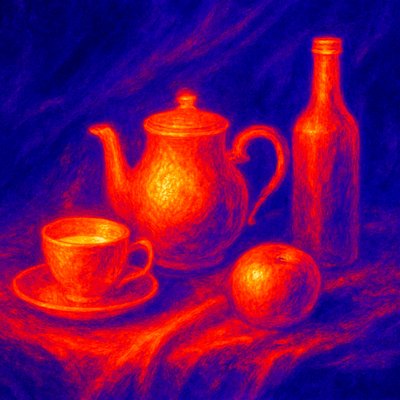
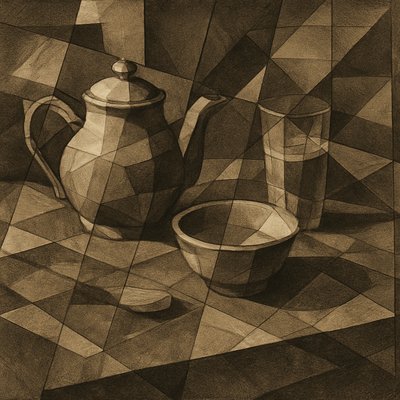
still life with everyday objects
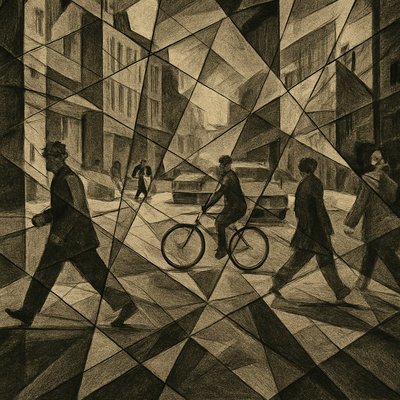
urban street with city activity
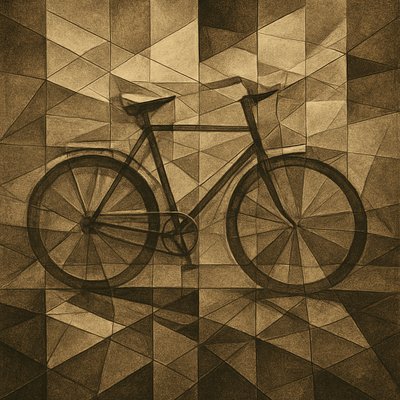
bicyle resting against a wall
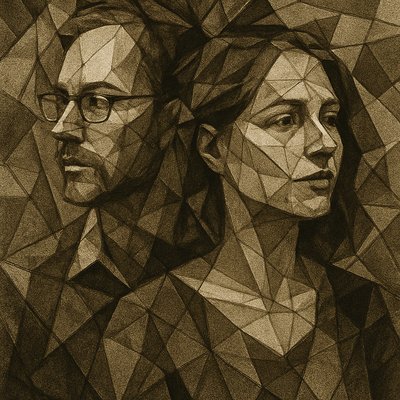
portrait of two people together
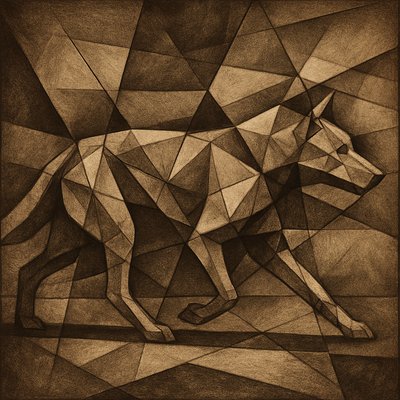
animal standing in natural pose
still life with everyday objects
wide landscape with natural scenery
a tree in nature
bicyle resting against a wall
still life with everyday objects
wide landscape with natural scenery
portrait of two people together
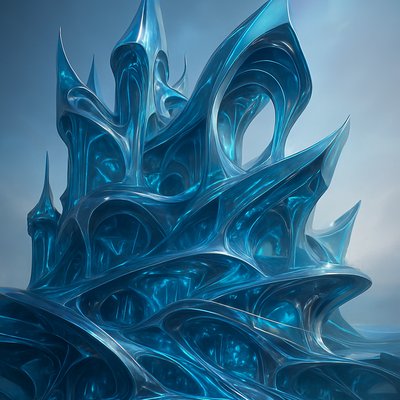
Castle
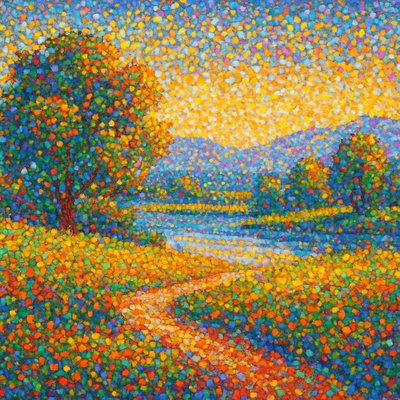
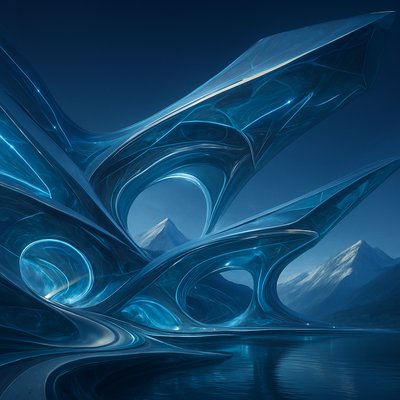
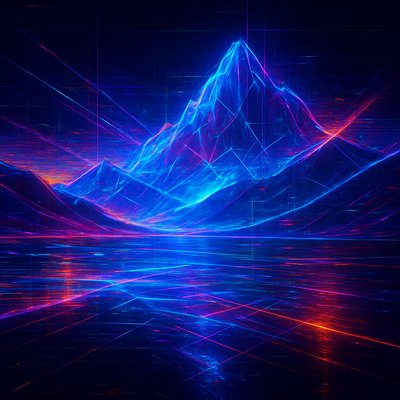
serene landscape with mountains and water
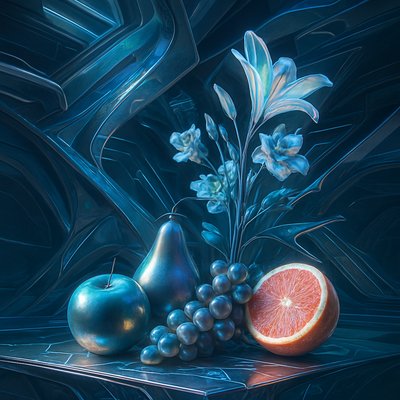
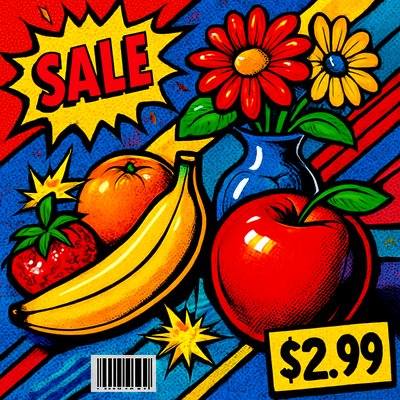
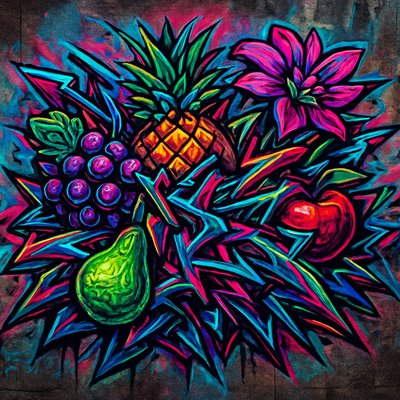
still life arrangement of fruits and flowers
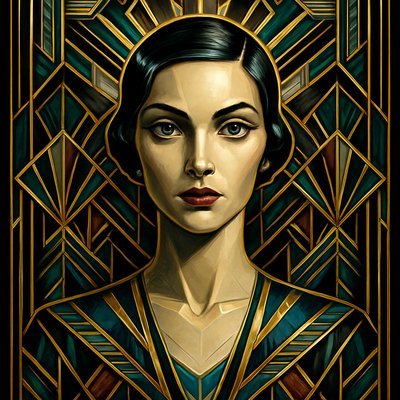
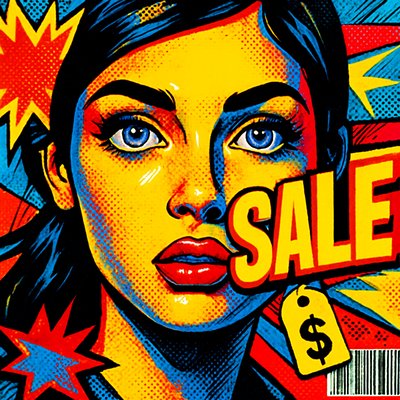
portrait of a person with expressive eyes
serene landscape with mountains and water
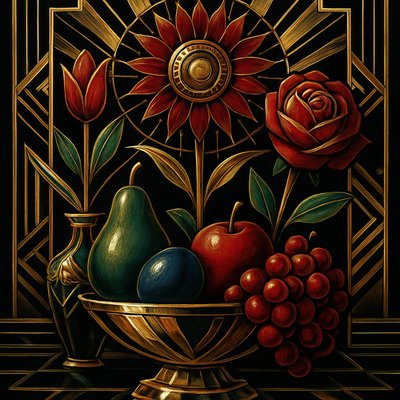
still life arrangement of fruits and flowers
portrait of a person with expressive eyes
still life arrangement of fruits and flowers
serene landscape with mountains and water
still life arrangement of fruits and flowers
serene landscape with mountains and water
portrait of a person with expressive eyes
serene landscape with mountains and water
A stunning and spiritually evocative depiction of the traditional Lakota Hoop Dance (or Intertribal Hoop Dance). The central figure is a single, male Hoop Dancer, captured mid-motion, demonstrating incredible agility and grace. He is adorned in vibrant, traditional regalia with intricate beadwork, feathers, and fringes, and is surrounded by a mesmerizing array of hoops, dynamically formed into various shapes and symbols, representing animals, stories, or the sacred circle of life. His face reflects intense focus, reverence, and the deep storytelling inherent in the dance. In the background, partially obscured by a light morning mist or soft haze, the monumental carving of the Crazy Horse Memorial is visible, lending a profound sense of historical continuity, honor, and enduring spirit to the scene. The setting is an open, natural area, perhaps a grassy plain or red rock outcropping, under a clear, early morning sky with the sun just beginning to illuminate the landscape, casting a soft, golden light. The atmosphere is one of dynamic energy, profound cultural pride, and deep spiritual connection to both tradition and the ancestral land. The artistic style is a vivid, realistic painting with a strong sense of movement, capturing the intricate details of the hoops and regalia, against the majestic, stoic presence of the memorial."
Key Considerations Reflected in This Prompt:

    Corrected Dance Name: Clearly states "Lakota Hoop Dance (or Intertribal Hoop Dance)."

    Central Figure: Focuses on a "single, male Hoop Dancer" to highlight the individual skill and artistry.

    Hoops & Symbolism: Emphasizes the "mesmerizing array of hoops, dynamically formed into various shapes and symbols" and their meaning.

    Crazy Horse Memorial Background: Explicitly places the "monumental carving of the Crazy Horse Memorial" in the background, noting its symbolic significance ("historical continuity, honor, and enduring spirit").

    Setting & Lighting: Suggests "early morning mist or soft haze" for the background to give the memorial an ethereal quality, and "soft, golden light" for the dancer.

    Mood: Conveys "dynamic energy, profound cultural pride, and deep spiritual connection."

    Artistic Style: "Vivid, realistic painting with a strong sense of movement.
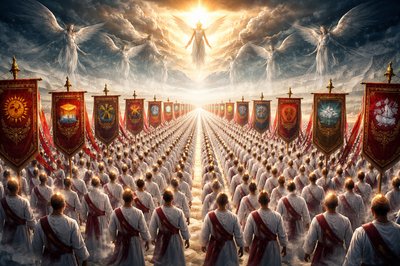
An epic, wide-angle cinematic masterwork of the 144,000 servants of God, divided into twelve massive, disciplined ranks in a valley of white stone. Each rank is led by a towering, ornate scarlet silk banner with gold-embroidered edges. 
The Banners: Distinct symbols are visible on each: a Lion (Judah), Sun over Water (Reuben), Military Tent (Gad), Olive Tree (Asher), Leaping Deer (Naphtali), Fruitful Vine (Manasseh), City Gate (Simeon), Priestly Breastplate (Levi), Celestial Stars (Issachar), Sailing Ship (Zebulun), Wheat Sheaf (Joseph), and Silver Wolf (Benjamin).
The People: In the foreground, the men wear crisp white linen robes with deep Tola-scarlet sashes. Every individual has a brilliant, glowing Golden Seal physically shimmering on their forehead, casting a divine light upward.
The Heavens: In the far distance, four colossal, translucent angels stand at the horizon, their massive wings outstretched to physically block swirling, dark storm-vortices (the four winds). A fifth angel, radiant in pearlescent light, descends from a golden sunrise in the East.
Style: High-contrast chiaroscuro, intricate embroidery textures, hyper-detailed faces, 8k resolution, ArtStation masterpiece. Absolutely no English text or letters.
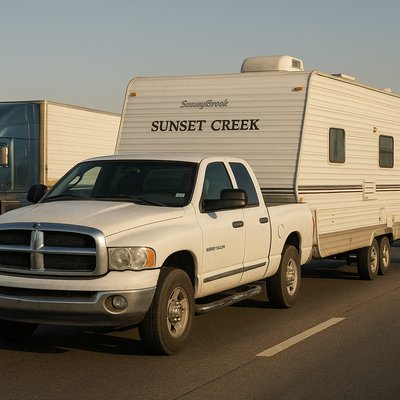
Generate a realistic, eye-level photograph of a white 2002 Dodge Ram 2500 pickup truck, specifically a quad cab model, pulling a 33-foot Sunnybrook Sunset Creek travel trailer. The trailer must have distinct, painted aluminum siding. The entire rig is situated in the middle of heavy, slow-moving traffic on Interstate 40 (I-40) in Amarillo, Texas, with other cars and semi-trucks visible all around. The time of day is late afternoon, with the sun casting long shadows, and the sky is clear, typical of the Texas Panhandle. The focus is on the truck and trailer, showing the details of both vehicles amidst the bustling highway environment.
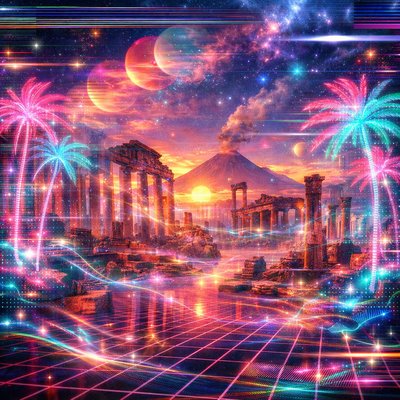
Surreal vaporwave landscape at sunset, ancient Pompeo from checkered grid floor, neon palm trees glowing pink and teal, VHS glitch effects, retro 90s aesthetic, dreamy nostalgic atmosphere, high detail
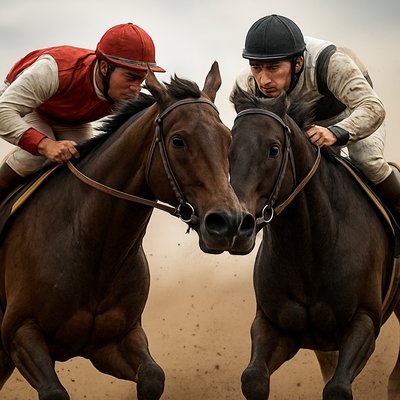
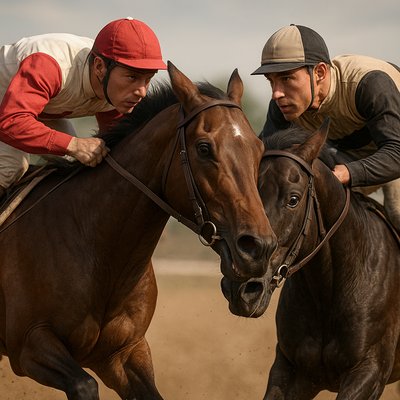
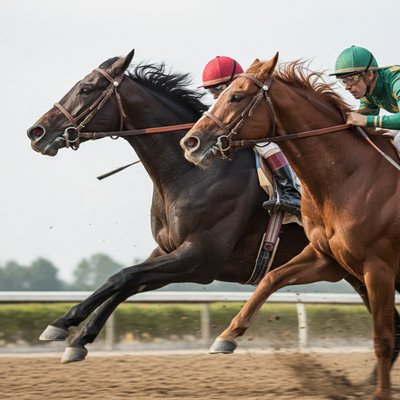
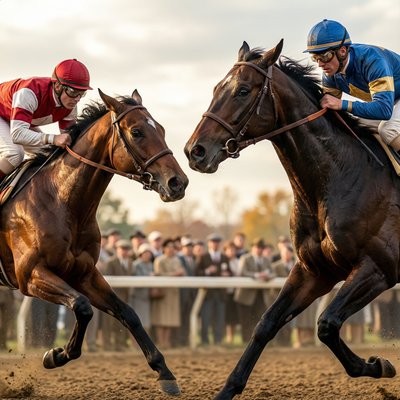
Seabiscuit vs. War Admiral (The Gaze)

    A hyper-realistic, high-resolution photograph capturing the apex of the 1938 match race between Seabiscuit and War Admiral.

    Focus: The composition is tight, showing both horses running neck-and-neck, dominating the frame. The camera angle is side-on and slightly low, emphasizing their size and muscle. The critical focus is on the space between the horses' heads as they are running stride for stride.

    Details: War Admiral (the dark bay) should show determination and slight surprise, with his head stretched out. Seabiscuit (the smaller bay) should display his characteristic "game" look—intense, focused, and seemingly looking directly into War Admiral's eyes (or toward his rival). Both jockeys (Red Pollard or George Woolf for Seabiscuit; Charles Kurtsinger for War Admiral) are visible, leaning low and urging their mounts on.

    Atmosphere: The light should be bright but slightly diffused, suggesting an autumn afternoon at Pimlico. Dust and track debris are kicked up behind them, blurred slightly by the horses' tremendous speed. The image must convey the raw power, intense rivalry, and the exact moment when the smaller horse asserts his dominance.

    Style: Cinematic photography, realistic texture, sharp focus on the horses' eyes and muscle definition.
Seabiscuit vs. War Admiral (The Gaze)

    A hyper-realistic, high-resolution photograph capturing the apex of the 1938 match race between Seabiscuit and War Admiral.

    Focus: The composition is tight, showing both horses running neck-and-neck, dominating the frame. The camera angle is side-on and slightly low, emphasizing their size and muscle. The critical focus is on the space between the horses' heads as they are running stride for stride.

    Details: War Admiral (the dark bay) should show determination and slight surprise, with his head stretched out. Seabiscuit (the smaller bay) should display his characteristic "game" look—intense, focused, and seemingly looking directly into War Admiral's eyes (or toward his rival). Both jockeys (Red Pollard or George Woolf for Seabiscuit; Charles Kurtsinger for War Admiral) are visible, leaning low and urging their mounts on.

    Atmosphere: The light should be bright but slightly diffused, suggesting an autumn afternoon at Pimlico. Dust and track debris are kicked up behind them, blurred slightly by the horses' tremendous speed. The image must convey the raw power, intense rivalry, and the exact moment when the smaller horse asserts his dominance.

    Style: Cinematic photography, realistic texture, sharp focus on the horses' eyes and muscle definition.
Seabiscuit vs. War Admiral (The Gaze)

    A hyper-realistic, high-resolution photograph capturing the apex of the 1938 match race between Seabiscuit and War Admiral.

    Focus: The composition is tight, showing both horses running neck-and-neck, dominating the frame. The camera angle is side-on and slightly low, emphasizing their size and muscle. The critical focus is on the space between the horses' heads as they are running stride for stride.

    Details: War Admiral (the dark bay) should show determination and slight surprise, with his head stretched out. Seabiscuit (the smaller bay) should display his characteristic "game" look—intense, focused, and seemingly looking directly into War Admiral's eyes (or toward his rival). Both jockeys (Red Pollard or George Woolf for Seabiscuit; Charles Kurtsinger for War Admiral) are visible, leaning low and urging their mounts on.

    Atmosphere: The light should be bright but slightly diffused, suggesting an autumn afternoon at Pimlico. Dust and track debris are kicked up behind them, blurred slightly by the horses' tremendous speed. The image must convey the raw power, intense rivalry, and the exact moment when the smaller horse asserts his dominance.

    Style: Cinematic photography, realistic texture, sharp focus on the horses' eyes and muscle definition.
Seabiscuit vs. War Admiral (The Gaze)

    A hyper-realistic, high-resolution photograph capturing the apex of the 1938 match race between Seabiscuit and War Admiral.

    Focus: The composition is tight, showing both horses running neck-and-neck, dominating the frame. The camera angle is side-on and slightly low, emphasizing their size and muscle. The critical focus is on the space between the horses' heads as they are running stride for stride.

    Details: War Admiral (the dark bay) should show determination and slight surprise, with his head stretched out. Seabiscuit (the smaller bay) should display his characteristic "game" look—intense, focused, and seemingly looking directly into War Admiral's eyes (or toward his rival). Both jockeys (Red Pollard or George Woolf for Seabiscuit; Charles Kurtsinger for War Admiral) are visible, leaning low and urging their mounts on.

    Atmosphere: The light should be bright but slightly diffused, suggesting an autumn afternoon at Pimlico. Dust and track debris are kicked up behind them, blurred slightly by the horses' tremendous speed. The image must convey the raw power, intense rivalry, and the exact moment when the smaller horse asserts his dominance.

    Style: Cinematic photography, realistic texture, sharp focus on the horses' eyes and muscle definition.
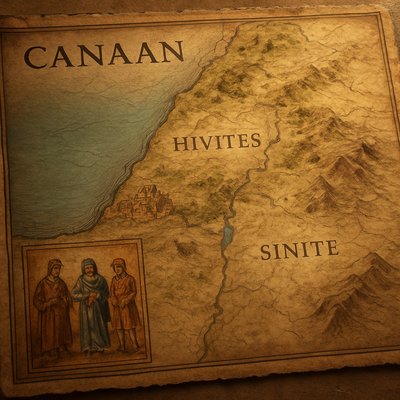
A detailed, ancient-style map of the land of Canaan, with distinct, labeled territories for the Hivites, Arkite, and Sinite people groups. Each territory should have subtle visual cues reflecting their possible historical characteristics or natural environments. For example, the Hivite territory could show some hilly or forested areas, the Arkite territory might feature a coastal city, and the Sinite territory could suggest a more inland or mountainous region. The map should have a weathered, parchment-like texture, with an elegant, old-world font for the labels. In one corner, a small, illuminated manuscript-style illustration could depict three distinct figures, each subtly representing one of the groups, perhaps dressed in period-appropriate attire and engaging in an activity typical of their region. The overall aesthetic should evoke historical scholarship and cartography."
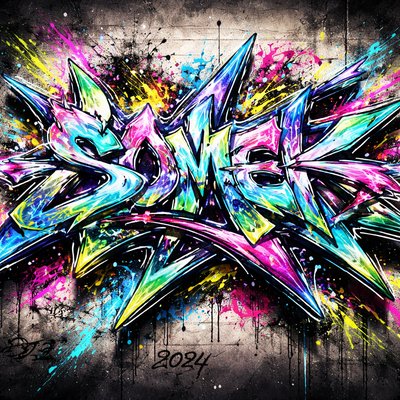
graffiti tag SOMEK
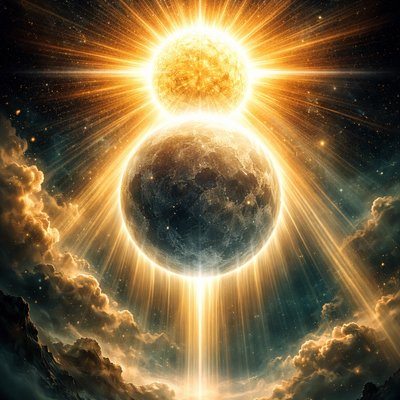
Ancient celestial vision: the blazing sun hovers directly above a translucent moon, the moon rendered almost invisible, swallowed by the sun's overwhelming radiance yet delicately outlined as a glass, beams of divine light pouring down, the moon a silent witness beneath the sun's glory, spiritual symbolism of hidden union and concealed intimacy, ethereal golden and silver tones, sun and moon the same size, golden rays enveloping a dark transparent moon.
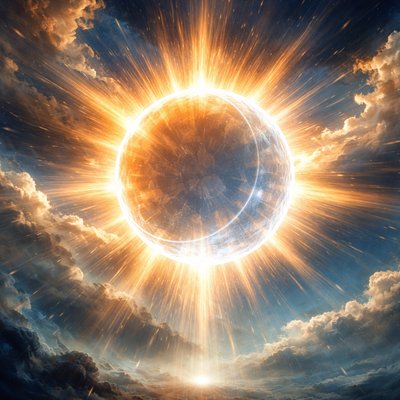
Ancient celestial vision: the blazing sun unites with a completely translucent moon, the moon rendered invisible except for a silvery faint outline, swallowed by the sun's overwhelming radiance yet delicately outlined as a glass, beams of divine light pouring through, the moon spiritual symbolism of hidden union and concealed intimacy, ethereal golden and silver tones, sun and moon the same size, golden rays enveloping a transparent moon. Moon is ethereal and the sky is blue.
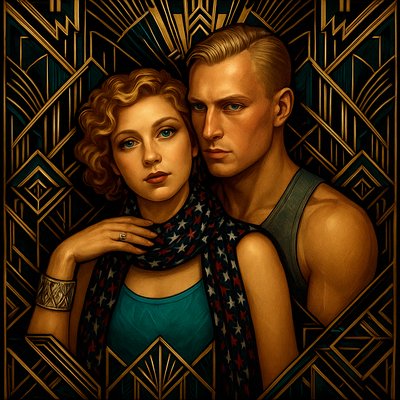
a painting of two people standing next to each other
A koi pond seen from above, orange and white koi fish swimming among lily pads, clear water with subtle ripples, fallen cherry blossom petals floating on the surface, dappled sunlight
a sticker of a girl with a basket of flowers and a cat