Workers' Monument Art

serene landscape with mountains and water
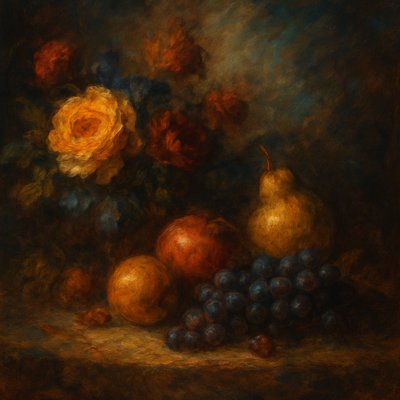
still life arrangement of fruits and flowers
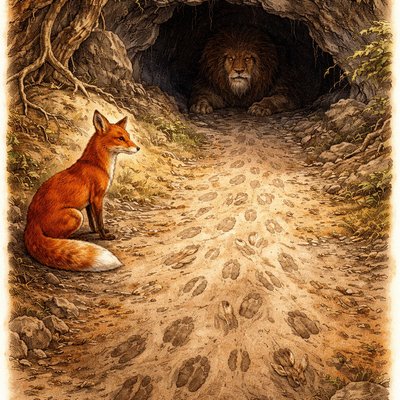
Golden Age Storybook Illustration Style, Rich Watercolor and Ink, Detailed Textures. A narrative scene capturing the tense moment of realization outside a rugged, dark cave entrance hidden among dry rocks and gnarled roots.

The Fox and the Evidence: In the bright, sunlit foreground, a clever, reddish-orange fox sits alertly on its haunches, a safe distance from the cave mouth. Its head is tilted, looking intently at the dusty ground. The dirt path leading directly into the dark cave is a chaotic, heavily trampled mess of hundreds of distinct footprints—deer hooves, rabbit paws, badger claws—all pointing inward. Crucially, the dusty ground leading away from the cave is completely smooth and untouched by return tracks.

The Lion and the Den: The cave entrance is a gaping maw of deep shadow. The gaunt, old lion lying in wait are visible, watching the fox intently. The contrast between the warm sunlight outside and the cold darkness inside is sharp.
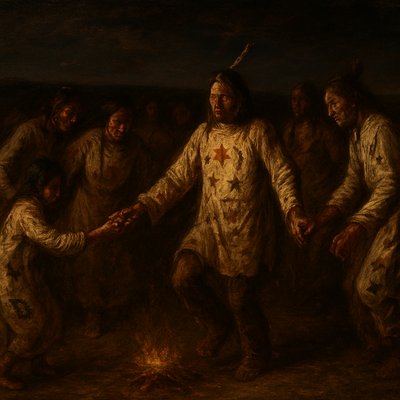
"A historically accurate depiction of a Ghost Dance, focusing on the late 19th-century context, specifically around 1890-1891. The scene shows Lakota (Sioux) or Northern Paiute people (specify one or include elements of both, but avoid anachronisms) participating in the ceremony.

Setting: A vast, open prairie or high desert landscape, under an expansive sky. The time of day could be dusk or night, with a prominent moon or stars, or a bright, clear day. Avoid overtly spiritual or ethereal elements like floating spirits unless explicitly requested for a later, more symbolic iteration. The focus should be on the earthly ceremony.

Participants: A circle of men, women, and children, hand-in-hand, moving in a slow, rhythmic shuffle or circular motion. Their faces show a mixture of devotion, hope, and determination. Some may have expressions of trance or deep concentration.

Attire:

    Ghost Dance Shirts/Dresses: Emphasize the unique Ghost Dance shirts and dresses, which were typically made of muslin or canvas. These garments should feature painted designs such as stars, crescents, birds (especially eagles or crows), buffalo, human figures, or crosses. The designs should appear hand-painted, not mass-produced.

    Hair and Adornments: Participants should have braided hair or wear it long. Some may wear feathers (e.g., eagle or hawk feathers) in their hair. Minimal traditional adornments, as the focus was often on the Ghost Dance shirt itself. Avoid overly elaborate or Hollywood-esque depictions of war bonnets unless relevant to a specific individual and context.

    Footwear: Moccasins or bare feet.

Action/Atmosphere:

    The dancers are moving in a counter-clockwise circle, with a central figure or a small group often leading.

    The overall mood is one of earnest prayer and communal spiritual effort. The dance should convey a sense of hope for renewal and the return of the old ways, rather than aggression or despair.

    There might be a central pole or small fire as a focal point, around which the dance takes place.

    Avoid any signs of direct conflict or violence; the Ghost Dance itself was a non-violent spiritual movement.

Specific Considerations for Accuracy:

    Wovoka's Influence: The teachings of Wovoka (the Northern Paiute prophet) emphasized peace, hard work, and the return of the buffalo and deceased ancestors. The scene should subtly reflect this hopeful, redemptive spirit.

    Regional Variations: If focusing on Lakota, consider their specific interpretations, which sometimes included more imagery related to their warrior traditions on the shirts, but still within the peaceful framework of the dance.
    Respectful Portrayal: Ensure the depiction is respectful and avoids any stereotypical or caricatured representations of Indigenous people. Focus on their human dignity and spiritual sincerity.
New York City
A warrior's statue
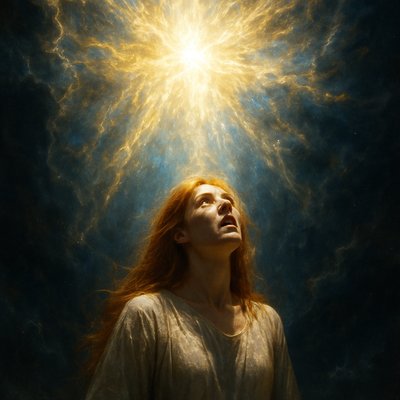
Photorealism Art Style, a profoundly dramatic and intensely luminous image depicting a vision of Heaven seen from the ground. The scene is dominated by a blazing, overwhelming celestial light that is violently breaking through the darkness of the night sky. This light is not the sun, but the pure glory of God, manifesting as swirling gold, brilliant white, and ethereal blue luminescence that seems to pull the viewer upward. A long red-haired woman, wearing simple, flowing heavenly attire, stands below, gazing upward with an expression of ecstatic awe and reverence. She is bathed in the brilliant, otherworldly light streaming down, suggesting the moment of divine revelation where the heavens are torn open. The focus is on the raw, blinding intensity of the divine light, the realistic texture of the woman's awe-struck face, and the vibrant, chaotic energy of the celestial vision, creating a powerful image of a direct, momentary glimpse into the boundless presence of Heaven.


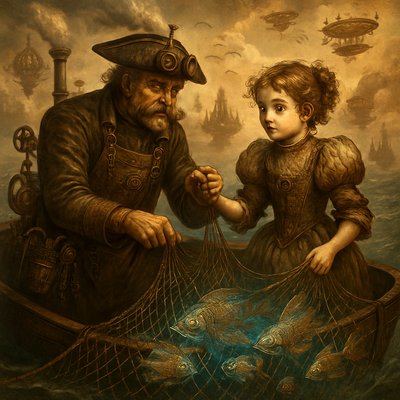
A highly detailed steampunk fantasy reimagining of Émile Renouf's "The Helping Hand" (1881), where an elderly fisherman with a weathered face, bushy mustache, brass-rimmed goggles perched on his forehead, a leather apron adorned with gears and pouches of tools, and a tricorn hat fitted with a small steam whistle, reaches out to assist a wide-eyed young girl in a frilly Victorian dress modified with corseted bodice, puffed sleeves of oil-stained fabric, and tiny mechanical bird brooch. They stand together in a compact, riveted iron rowboat propelled by a hissing steam engine at the stern, with exposed copper pipes, whirring pistons, and a propeller churning the ethereal, mist-shrouded waves of a fantastical ocean dotted with floating clockwork islands and distant airships billowing smoke. The pair collaboratively hauls a massive, enchanted fishing net woven with glowing aether filaments and brass weights, teeming with bioluminescent mechanical fish hybrids—scales of etched metal and fins like unfolding fans—symbolizing intergenerational ingenuity and wonder. Render in intricate digital art style blending Victorian engraving precision with fantastical whimsy, warm sepia tones accented by burnished golds, verdigris greens, and sparks of arcane blue energy, dramatic chiaroscuro lighting from a setting sun filtered through industrial haze, ultra-detailed textures on leather, rust, and fabric, cinematic composition with dynamic tension in their clasped hands
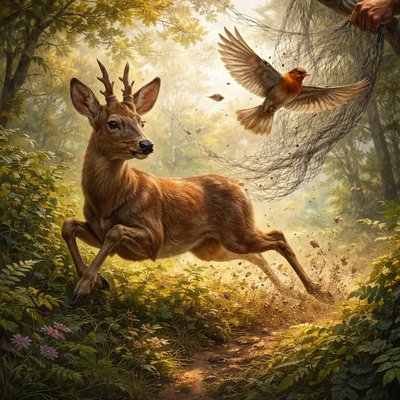
“Deliver thyself as a roe from the hand of the hunter, and as a bird from the hand of the fowler.” (Proverbs 6:5, KJV)
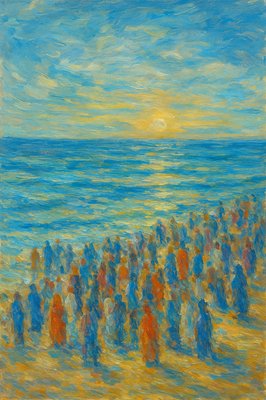
a painting of a group of people on a beach
A koi pond seen from above, orange and white koi fish swimming among lily pads, clear water with subtle ripples, fallen cherry blossom petals floating on the surface, dappled sunlight
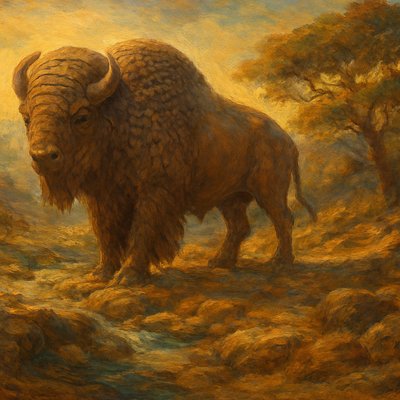
a painting of a bison standing in a field
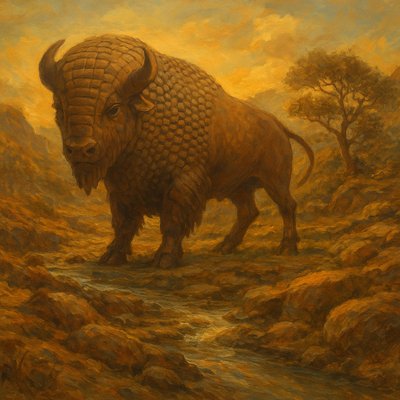
a painting of an animal standing in a field
Anime girl song
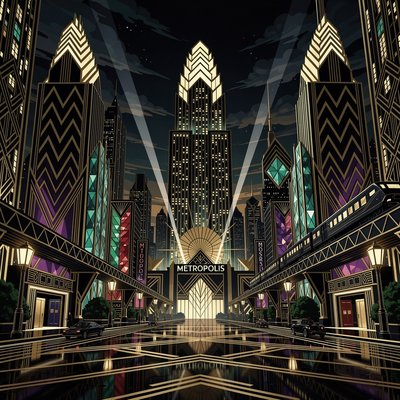
Metropolis
Metropolis
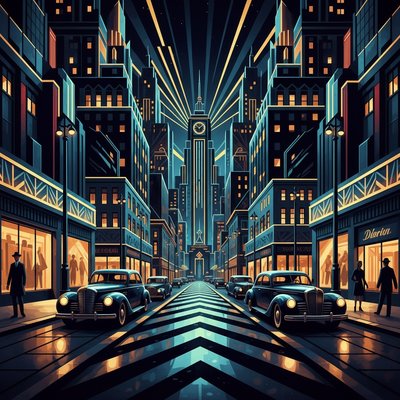
urban street with city activity
Metropolis
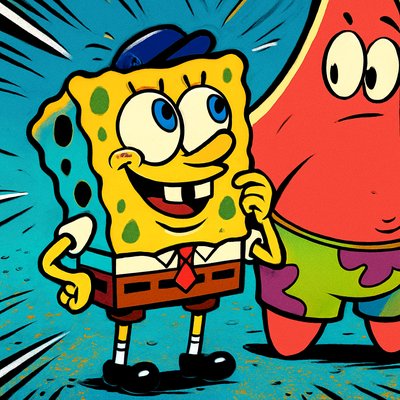
a cartoon of a spongebob and a watermelon
https://youtu.be/KgWm047RU7E?si=WddzumUKlw2KyyaI
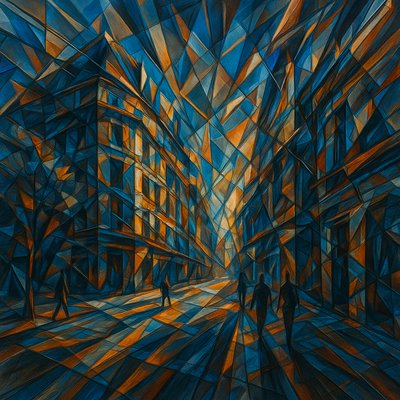
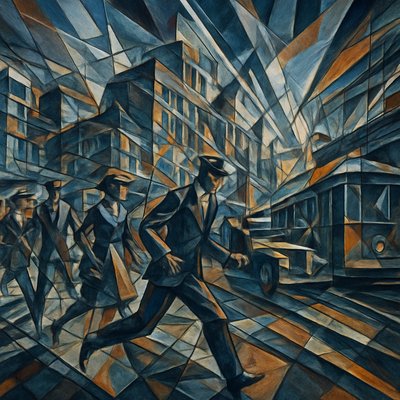
Cubo-Futurism Art Style Style Transfer Example
Cartoon Comic Art Style Transfer Example
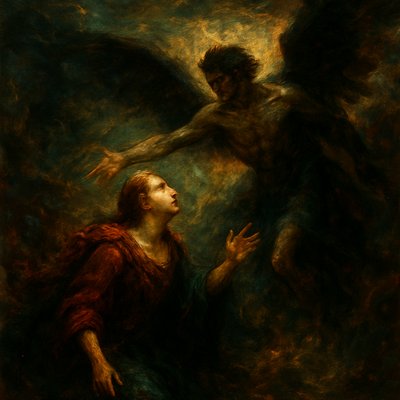
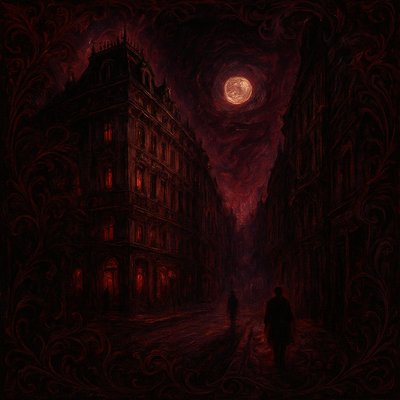
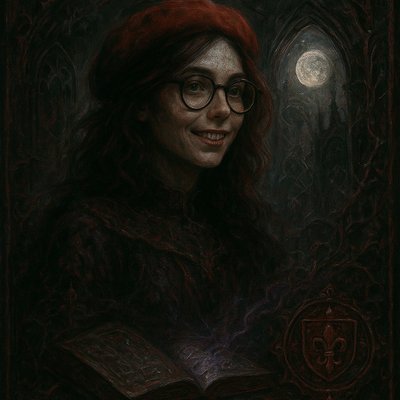
Gothic Romance Art Style Transfer Example
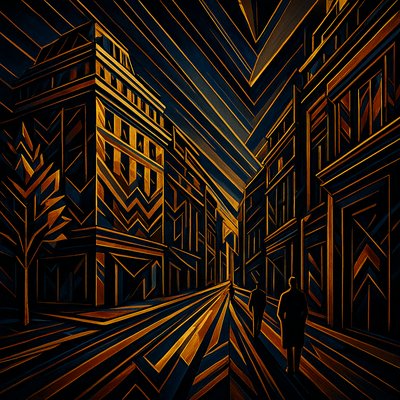
Zigzag Art Deco Style Style Transfer Example
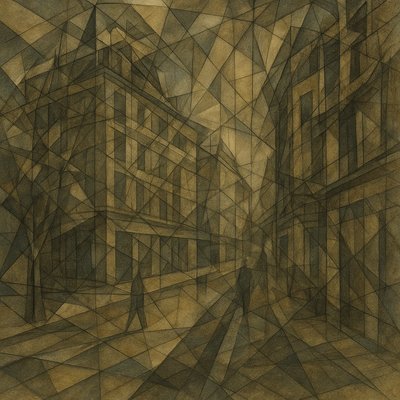
Analytical Cubism Art Style Style Transfer Example
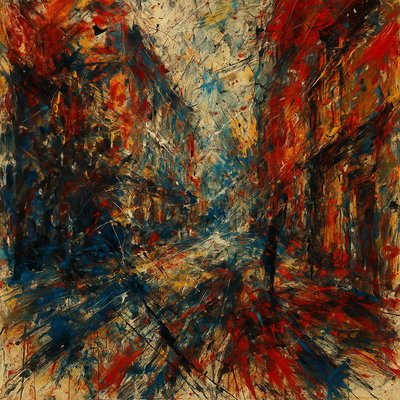
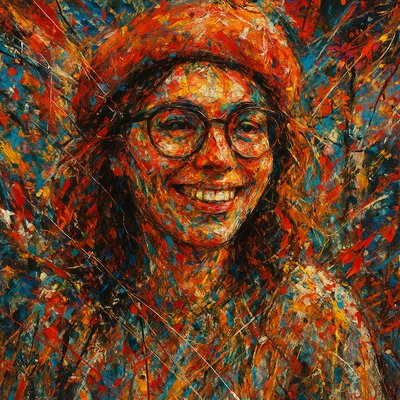
Tachisme Art Style Style Transfer Example
a blue and orange abstract background with a spiral design
Cubo-Futurism Art Style Style Transfer Example
Landscape Nature Art Style Transfer Example
Cartoon Comic Art Style Transfer Example
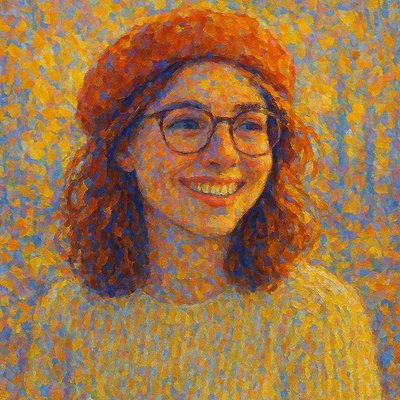
Light-Dappled Impressionism Art Style Style Transfer Example
Retro Geometric Art Style Transfer Example
Gothic Fantasy Art Style Transfer Example
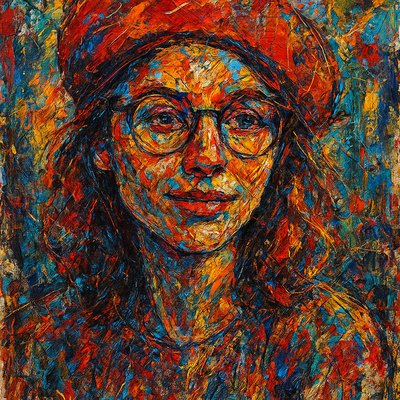
Abstract Expressionist Modern Art Style Style Transfer Example
Tachisme Art Style Style Transfer Example
Kinetic Art Style Style Transfer Example
Liquid Metal Impressionism Style Transfer Example
a tree in nature
house with front view
urban street with city activity