Whimsical Storybook Illustration Style, Soft Pastel Color Palette, Dreamy Atmosphere. A Charming, Heartwarming Scene Featuring A Art

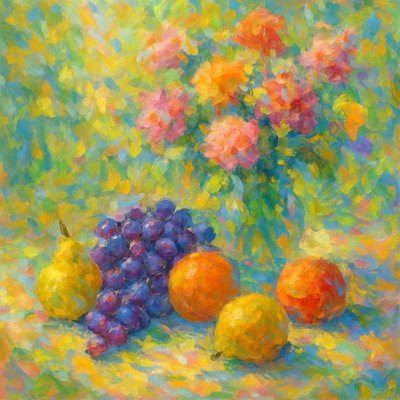
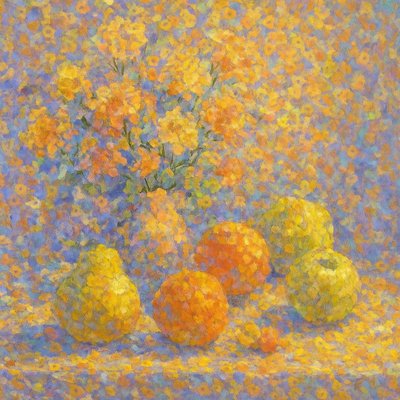
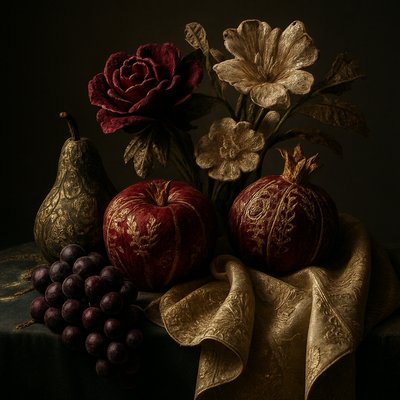
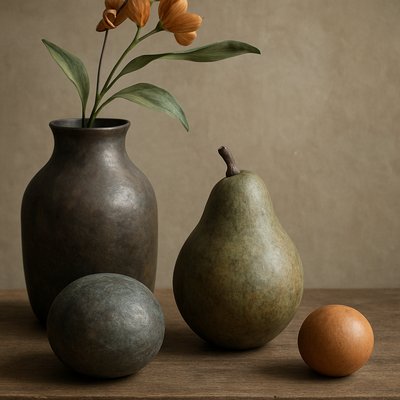
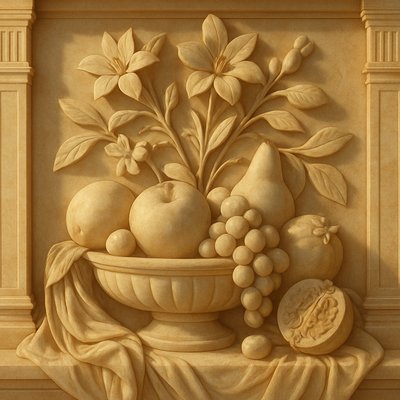
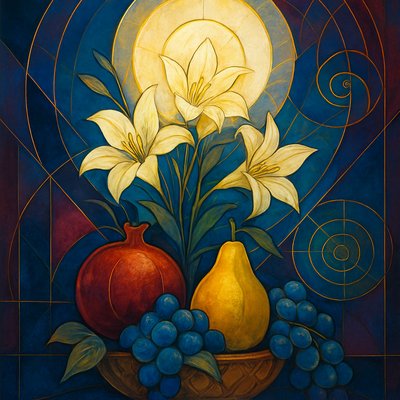
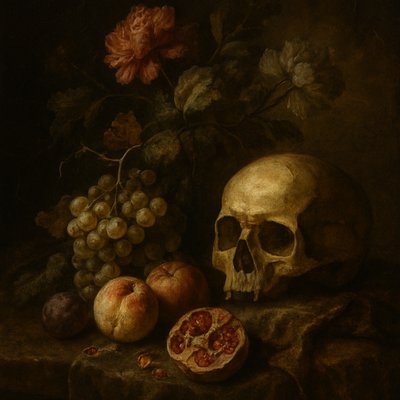
still life arrangement of fruits and flowers
Gradient Abstract Art Style Style Transfer Example
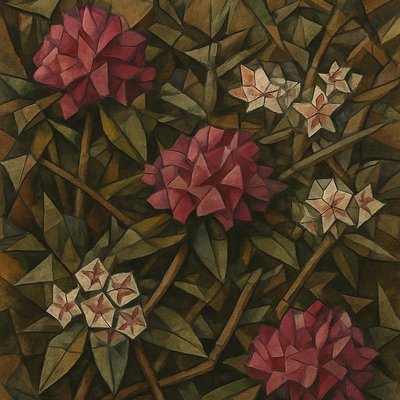
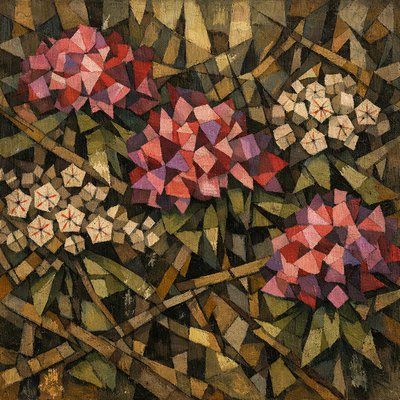
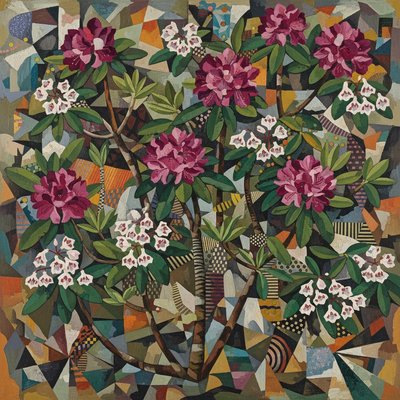
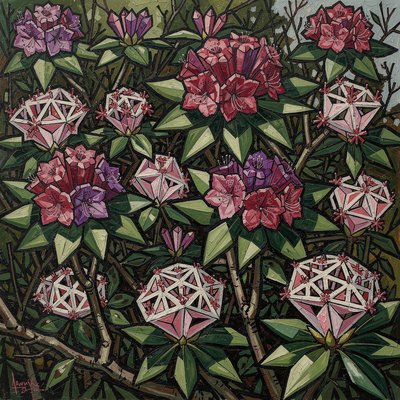
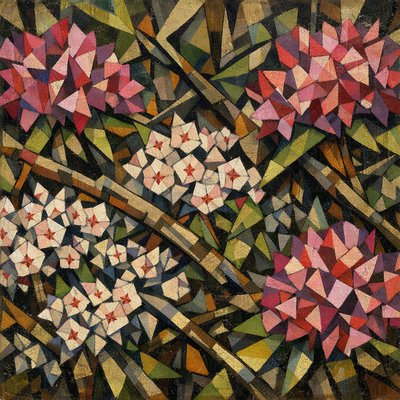
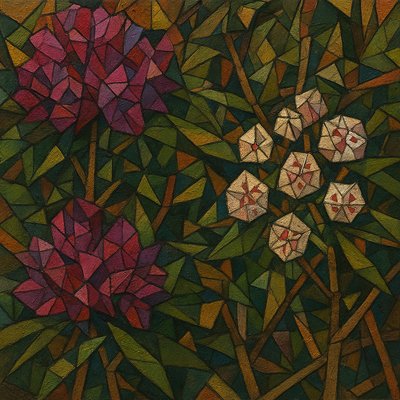
Art Style: Analytical Cubism, avant-garde oil painting style reminiscent of Picasso and Braque.

Subject: A dense, tangled thicket of Rhododendrons and Mountain Laurel bushes.

Composition & Details: The entire natural scene is deconstructed into overlapping geometric planes, fractured shards, and intersecting angles. There are no curved lines; everything is rendered in cubes, cones, and trapezoids.

    The Rhododendrons: Large, showy flower trusses are broken into faceted crystalline structures of deep magenta, rose pink, and violet blocks, looking like explosions of colored quartz rather than soft petals.

    The Mountain Laurels: The smaller, intricate flowers are rendered as complex, repeating geometric star-patterns and angular cups in white and pale pink with distinct red polygonal markings.

    Foliage & Branches: The thick, leathery leaves are fragmented green triangles and parallelograms overlapping each other, creating a sense of depth without traditional perspective. The woody stems and branches are jagged, intersecting brown and grey cylinders that shatter across the frame.
Color & Texture: A palette of muted earth tones—ochre, burnt umber, forest green, and slate grey—contrasted sharply with the jewel-toned facets of the flower colors. The finish should have a heavy, textured oil paint feel with visible palette knife marks and rough brushwork.
Art Style: Analytical Cubism, avant-garde oil painting style reminiscent of Picasso and Braque.

Subject: A dense, tangled thicket of Rhododendrons and Mountain Laurel bushes.

Composition & Details: The entire natural scene is deconstructed into overlapping geometric planes, fractured shards, and intersecting angles. There are no curved lines; everything is rendered in cubes, cones, and trapezoids.

    The Rhododendrons: Large, showy flower trusses are broken into faceted crystalline structures of deep magenta, rose pink, and violet blocks, looking like explosions of colored quartz rather than soft petals.

    The Mountain Laurels: The smaller, intricate flowers are rendered as complex, repeating geometric star-patterns and angular cups in white and pale pink with distinct red polygonal markings.

    Foliage & Branches: The thick, leathery leaves are fragmented green triangles and parallelograms overlapping each other, creating a sense of depth without traditional perspective. The woody stems and branches are jagged, intersecting brown and grey cylinders that shatter across the frame.
Color & Texture: A palette of muted earth tones—ochre, burnt umber, forest green, and slate grey—contrasted sharply with the jewel-toned facets of the flower colors. The finish should have a heavy, textured oil paint feel with visible palette knife marks and rough brushwork.
Art Style: Analytical Cubism, avant-garde oil painting style reminiscent of Picasso and Braque.

Subject: A dense, tangled thicket of Rhododendrons and Mountain Laurel bushes.

Composition & Details: The entire natural scene is deconstructed into overlapping geometric planes, fractured shards, and intersecting angles. There are no curved lines; everything is rendered in cubes, cones, and trapezoids.

    The Rhododendrons: Large, showy flower trusses are broken into faceted crystalline structures of deep magenta, rose pink, and violet blocks, looking like explosions of colored quartz rather than soft petals.

    The Mountain Laurels: The smaller, intricate flowers are rendered as complex, repeating geometric star-patterns and angular cups in white and pale pink with distinct red polygonal markings.

    Foliage & Branches: The thick, leathery leaves are fragmented green triangles and parallelograms overlapping each other, creating a sense of depth without traditional perspective. The woody stems and branches are jagged, intersecting brown and grey cylinders that shatter across the frame.

Color & Texture: A palette of muted earth tones—ochre, burnt umber, forest green, and slate grey—contrasted sharply with the jewel-toned facets of the flower colors. The finish should have a heavy, textured oil paint feel with visible palette knife marks and rough brushwork.
Art Style: Analytical Cubism, avant-garde oil painting style reminiscent of Picasso and Braque.

Subject: A dense, tangled thicket of Rhododendrons and Mountain Laurel bushes.

Composition & Details: The entire natural scene is deconstructed into overlapping geometric planes, fractured shards, and intersecting angles. There are no curved lines; everything is rendered in cubes, cones, and trapezoids.

    The Rhododendrons: Large, showy flower trusses are broken into faceted crystalline structures of deep magenta, rose pink, and violet blocks, looking like explosions of colored quartz rather than soft petals.

    The Mountain Laurels: The smaller, intricate flowers are rendered as complex, repeating geometric star-patterns and angular cups in white and pale pink with distinct red polygonal markings.

    Foliage & Branches: The thick, leathery leaves are fragmented green triangles and parallelograms overlapping each other, creating a sense of depth without traditional perspective. The woody stems and branches are jagged, intersecting brown and grey cylinders that shatter across the frame.

Color & Texture: A palette of muted earth tones—ochre, burnt umber, forest green, and slate grey—contrasted sharply with the jewel-toned facets of the flower colors. The finish should have a heavy, textured oil paint feel with visible palette knife marks and rough brushwork.
Art Style: Analytical Cubism, avant-garde oil painting style reminiscent of Picasso and Braque.

Subject: A dense, tangled thicket of Rhododendrons and Mountain Laurel bushes.

Composition & Details: The entire natural scene is deconstructed into overlapping geometric planes, fractured shards, and intersecting angles. There are no curved lines; everything is rendered in cubes, cones, and trapezoids.

    The Rhododendrons: Large, showy flower trusses are broken into faceted crystalline structures of deep magenta, rose pink, and violet blocks, looking like explosions of colored quartz rather than soft petals.

    The Mountain Laurels: The smaller, intricate flowers are rendered as complex, repeating geometric star-patterns and angular cups in white and pale pink with distinct red polygonal markings.

    Foliage & Branches: The thick, leathery leaves are fragmented green triangles and parallelograms overlapping each other, creating a sense of depth without traditional perspective. The woody stems and branches are jagged, intersecting brown and grey cylinders that shatter across the frame.

Color & Texture: A palette of muted earth tones—ochre, burnt umber, forest green, and slate grey—contrasted sharply with the jewel-toned facets of the flower colors. The finish should have a heavy, textured oil paint feel with visible palette knife marks and rough brushwork.
Art Style: Analytical Cubism, avant-garde oil painting style reminiscent of Picasso and Braque.

Subject: A dense, tangled thicket of Rhododendrons and Mountain Laurel bushes.

Composition & Details: The entire natural scene is deconstructed into overlapping geometric planes, fractured shards, and intersecting angles. There are no curved lines; everything is rendered in cubes, cones, and trapezoids.

    The Rhododendrons: Large, showy flower trusses are broken into faceted crystalline structures of deep magenta, rose pink, and violet blocks, looking like explosions of colored quartz rather than soft petals.

    The Mountain Laurels: The smaller, intricate flowers are rendered as complex, repeating geometric star-patterns and angular cups in white and pale pink with distinct red polygonal markings.

    Foliage & Branches: The thick, leathery leaves are fragmented green triangles and parallelograms overlapping each other, creating a sense of depth without traditional perspective. The woody stems and branches are jagged, intersecting brown and grey cylinders that shatter across the frame.

Color & Texture: A palette of muted earth tones—ochre, burnt umber, forest green, and slate grey—contrasted sharply with the jewel-toned facets of the flower colors. The finish should have a heavy, textured oil paint feel with visible palette knife marks and rough brushwork.
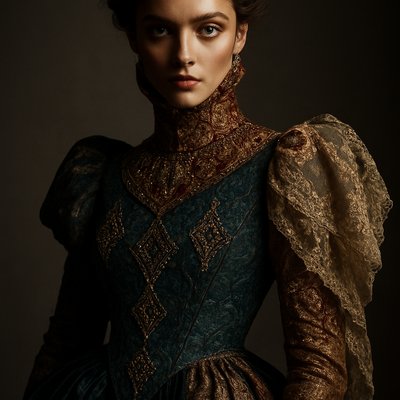
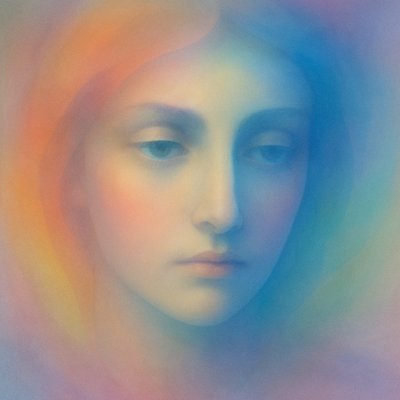
portrait of a person with expressive eyes
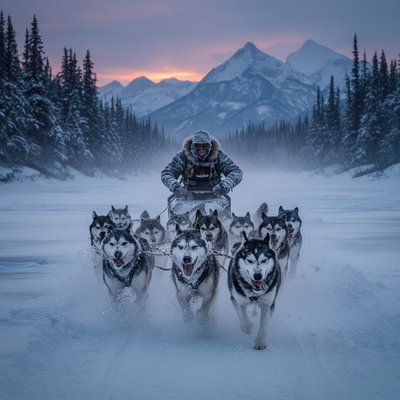
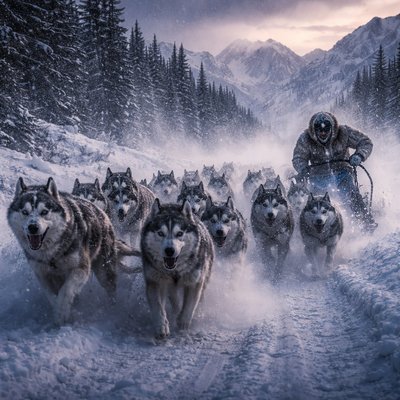
Epic Adventure Photography Style, Cinematic Color Grading, Sub-Zero Atmosphere. A harrowing, dynamic wide-angle landscape photograph capturing the intensity of a long-distance dog sled race (like the Yukon Quest or Iditarod) in the dead of winter.

The Action & Subjects: A lead team of sixteen powerful Siberian Huskies and Alaskan Malamutes is charging directly toward the camera along a narrow, wind-blown trail. Their fur is heavily caked in ice and rime frost, and massive, crystalline plumes of frozen breath explode from their panting mouths. The musher, bundled in heavy, frost-covered furs and technical gear with goggles obscuring their face, leans aggressively into a turn on the sled, fighting to maintain control.

The "Cinematic Cold" Environment: The setting is a vast, unforgiving frozen riverbed surrounded by towering, snow-laden spruce trees and distant, jagged, glaciated mountain peaks. The air is thick with blowing snow and ice fog.

The Lighting & Mood: The scene is lit by the deep, biting blues and purples of polar twilight. A weak, cold orange glow from a distant, low sun just barely kisses the tops of the mountains, offering no warmth. The overall color palette is desaturated and cool. The image should feel incredibly vast, isolating, and brutally freezing. Film grain texture.
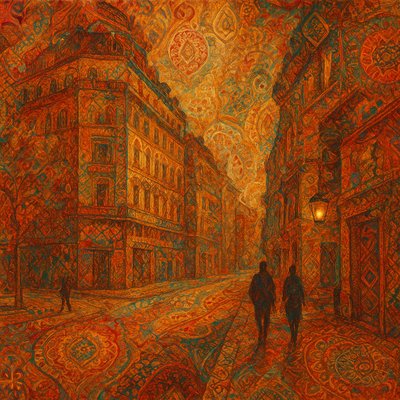
Bohemian Furniture Art Style Transfer Example
still life arrangement of fruits and flowers
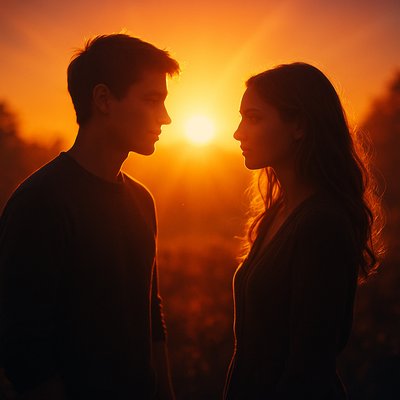
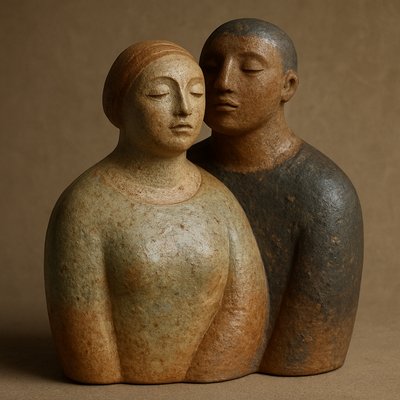
portrait of two people together
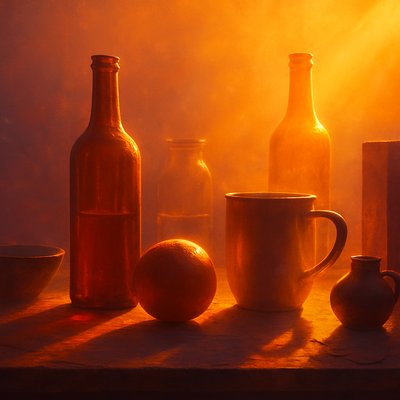
still life with everyday objects
still life arrangement of fruits and flowers


And the name of the third river is Hiddekel: that is it which goeth toward the east of Assyria. And the fourth river is Euphrates. 
(Genesis 2:14 KJV)
Style: Epic Sacred Art meets Cinematic Sci-Fi. A fusion of Gustave Doré’s dramatic scale with modern bioluminescent light-mapping. High contrast and majestic atmosphere.

The Source: In the center of the frame, a colossal, ancient Harp made of shimmering white-gold energy (representing the strings of creation). It is not played by a human, but by a "mighty hand of light" or simply by a "divine wind" moving through the strings.

The Frequency (Positive Force): From the vibrating strings, visible "Sound-Waves of Light" radiate outward in perfect, mathematical symmetry.

    The Appearance: These waves are composed of flowing golden Hebrew letters and Sacred Geometric patterns (like the Flower of Life or Fibonacci spirals) that pulse with a warm, amber glow.

    The Motion: The waves look like liquid gold ripples in the air, creating a "dome of protection and life."

The Impact (The Healing Force): The background is a chaotic, dark void or a shattered, grey stone landscape. Where the golden frequency ripples touch:

    The Void Becomes Form: The darkness organizes itself into beautiful, crystalline structures and lush, glowing flora.

    Resurrection: Any withered or broken elements in the scene begin to knit back together, glowing with a soft blue and gold "repair" energy.

    Atmosphere: Microscopic "sparkles" of light (like stardust) dance within the waves, representing the "joy" of the frequency.

Lighting: A singular, brilliant source of light from above (The North Star/Regulus) feeds energy into the harp, showing that the frequency has a celestial origin. The colors are dominated by Gold, Deep Indigo, and Electric Cyan.
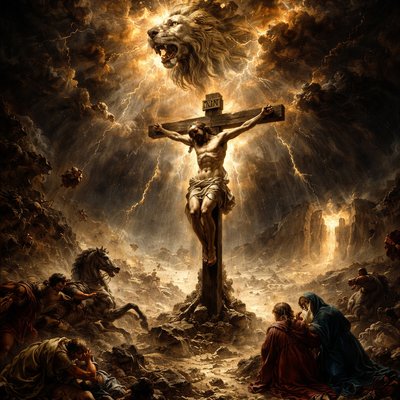
Epic Biblical Baroque Painting Style, High-Contrast Tenebrism Lighting, Supernatural Realism. A monumental, earth-shattering scene at Golgotha at the precise moment of death.

The Central Figure: Jesus hangs lifelessly on a rough wooden cross, head bowed in finality, his body pale and scarred. A subtle, fading divine light emanates from him. The titulus above his head reads "INRI."

The Manifestation of the Roar (Jasher 54 influence): At the very instant of his death, the environment is violently convulsing, visualizing the "roar" of Judah echoing through time. Behind and above the cross, the dark, stormy clouds are being ripped apart by a massive, translucent ethereal manifestation of a roaring Lion's head formed from dust, lightning, and golden spiritual energy.

The Environmental Impact: The ground beneath the cross is cracking open with deep fissures. Massive boulders are shattering into dust mid-air. The temple veil in the distant city background is visibly tearing top-to-bottom.

The Human Reaction: Below the cross, the scene is one of absolute supernatural terror (as described in Jasher). Roman centurions are cowering on the ground, covering their ears, their helmets knocked off. Horses are rearing wildly, throwing their riders. The few followers present (Mary, John) are driven to their knees, not just in grief, but overwhelmed by the physical force of the cosmic event. The lighting is a chaotic mix of deep eclipse shadow and blinding bursts of supernatural golden-red light from the roaring manifestation.
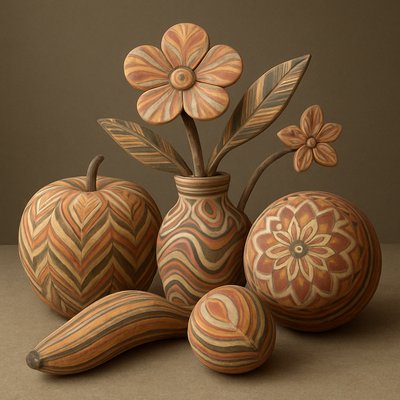
Stoneware Functional Ceramic Art Style Style Transfer Example
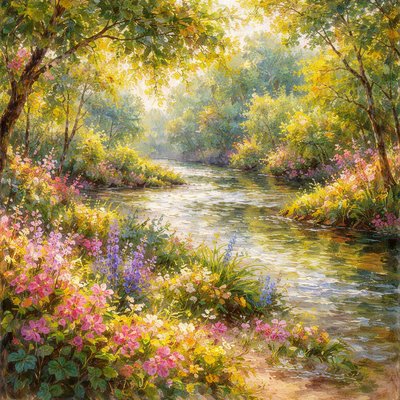
wide landscape with natural scenery
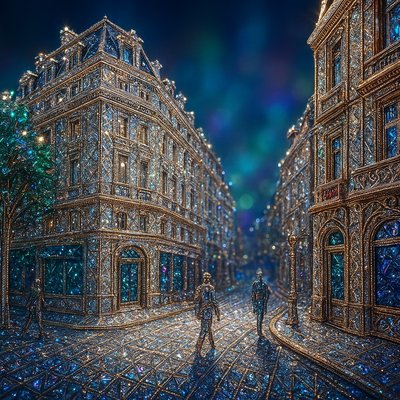
Luxury High Jewelry Design Style Transfer Example
portrait of a person with expressive eyes
still life arrangement of fruits and flowers
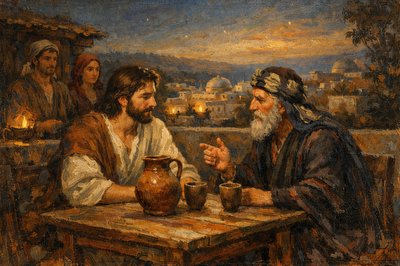
First century Palestine.  An evening scene on a rooftop in Bethlehem.  The summer air is warm and the evening light is soft.  Jesus, wearing ordinary clothing like most men wear, sits at a table across from a Pharisee named Nicodemus who has come to speak to the Master privately.  One or two servers stand nearby.  There is a clay pitcher and 2 drinking cups on the table.  The town is visible in the background.
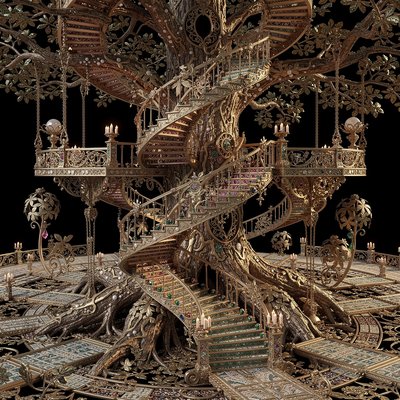
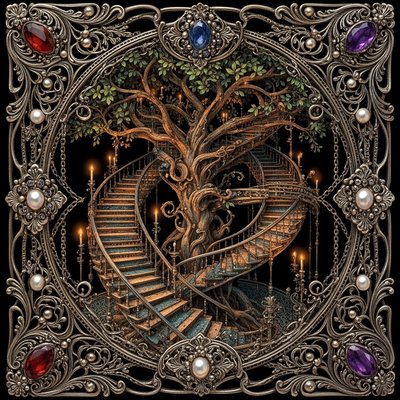
in the style of M.C. Escher, an array of endless staircases of impossible loops and bi-directional pathways, spiraling through a giant tree, Cinematic vibrant reflective jewel-toned colors, black background
 in the style of M.C. Escher, an array of endless staircases of impossible loops and bi-directional pathways, spiraling through a giant tree, Cinematic vibrant reflective jewel-toned colors, black background
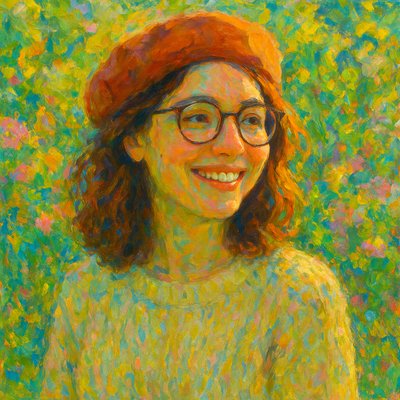
Garden Impressionism Art Style Style Transfer Example
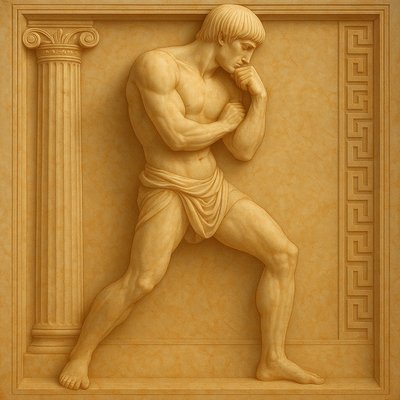
a statue of a man standing in front of a column
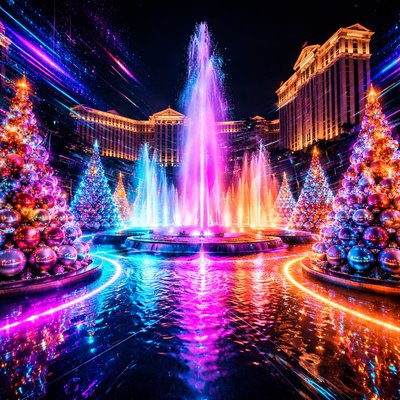
A grand night-time view of the iconic fountains at Caesar's Palace in Las Vegas. The water is illuminated from below with vibrant neon magenta, electric blue, and bright tangerine lights. Surrounding the perimeter of the fountain are large, stylized Christmas trees constructed entirely of glossy, metallic ornaments in various sizes. These ornament trees are shimmering in shades of silver, gold, magenta pink, cobalt blue, and tangerine orange. No green or red anywhere in the scene. The Roman-style architecture of the hotel is visible in the background under a dark desert sky. Ultra-glamorous, high-gloss textures, cinematic wide-angle shot, 8k resolution, ray-traced reflections.
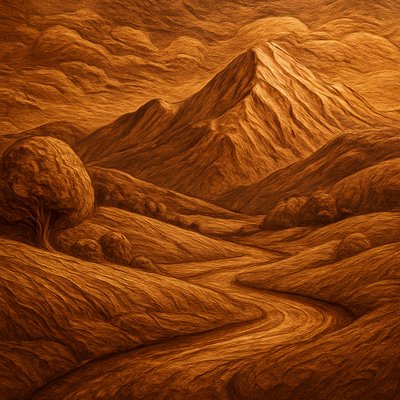
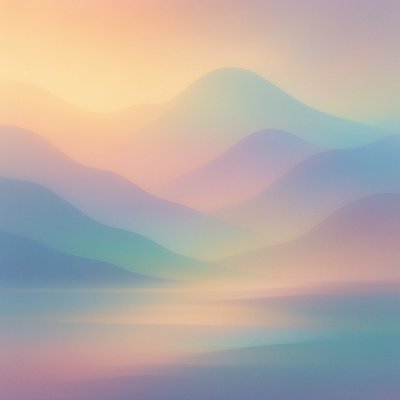
serene landscape with mountains and water
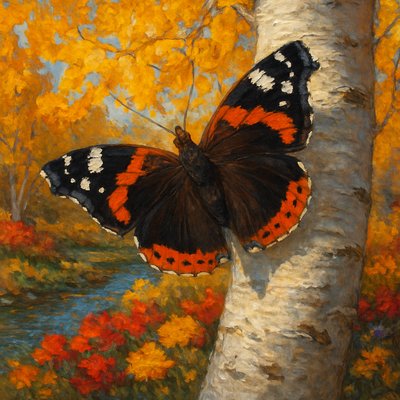
Oil Painting Art Style, a magnificent Red Admiral butterfly with its wings spread wide, revealing intricate patterns of bold black, vivid orange-red, and crisp white, firmly perched on the distinctive, textured white bark of an aspen tree. This scene is set at a lower elevation, where the aspen grows near a gently flowing stream, its banks adorned with a lush fall garden of colorful autumn flowers—deep reds, golden yellows, and fiery oranges—arranged in a picturesque display. Overhead and around, the aspen tree's own leaves are ablaze with brilliant, bright gold, adding a stunning luminosity to the scene. The entire composition is illuminated by clear, crisp autumn light, casting subtle shadows and highlighting the rich textures. Focus on the detailed brushwork on the butterfly's wings, the tangible texture of the aspen bark, and the vibrant, layered colors of the fall foliage and flowers, especially the striking golden aspen leaves, creating a detailed and serene artistic composition.
Gradient Abstract Art Style Style Transfer Example
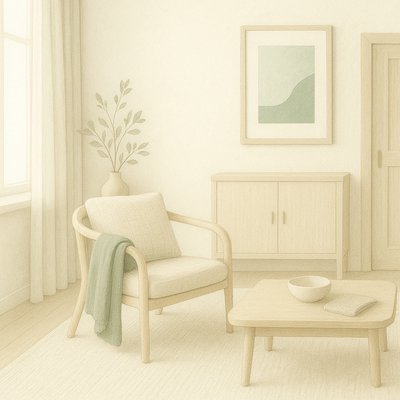
Scandinavian Interior Design Style Transfer Example
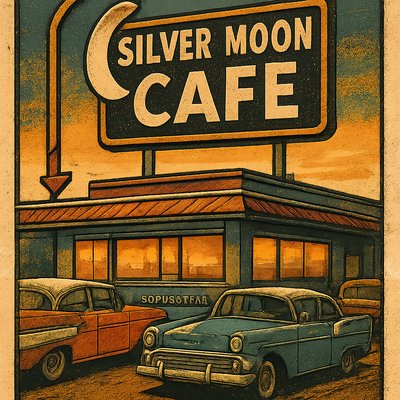
Generate a warm and inviting image of the Silver Moon Cafe in Santa Rosa, New Mexico, as it might have appeared in the 1950s or early 1960s. The focus should be on its classic diner exterior, featuring a prominent sign with its name. Show a few vintage cars from the era, such as a Chevrolet Bel Air or a Ford Fairlane, parked outside. The lighting should evoke a late afternoon or early evening glow, with a hint of warm light emanating from the cafe's windows. Capture the nostalgic, unpretentious atmosphere of a vital stop on Route 66, suggesting a place where travelers and locals alike would find comfort food and a friendly welcome. The style should be realistic but with a slightly enhanced, cinematic feel that highlights the retro charm
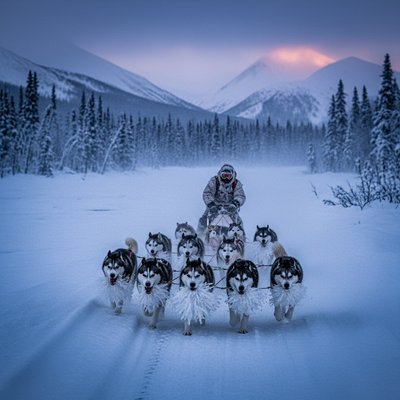
Epic Adventure Photography Style, Cinematic Color Grading, Sub-Zero Atmosphere. A harrowing, dynamic wide-angle landscape photograph capturing the intensity of a long-distance dog sled race (like the Yukon Quest or Iditarod) in the dead of winter.

The Action & Subjects: A lead team of sixteen powerful Siberian Huskies and Alaskan Malamutes is charging directly toward the camera along a narrow, wind-blown trail. Their fur is heavily caked in ice and rime frost, and massive, crystalline plumes of frozen breath explode from their panting mouths. The musher, bundled in heavy, frost-covered furs and technical gear with goggles obscuring their face, leans aggressively into a turn on the sled, fighting to maintain control.

The "Cinematic Cold" Environment: The setting is a vast, unforgiving frozen riverbed surrounded by towering, snow-laden spruce trees and distant, jagged, glaciated mountain peaks. The air is thick with blowing snow and ice fog.

The Lighting & Mood: The scene is lit by the deep, biting blues and purples of polar twilight. A weak, cold orange glow from a distant, low sun just barely kisses the tops of the mountains, offering no warmth. The overall color palette is desaturated and cool. The image should feel incredibly vast, isolating, and brutally freezing. Film grain texture.
Epic Adventure Photography Style, Cinematic Color Grading, Sub-Zero Atmosphere. A harrowing, dynamic wide-angle landscape photograph capturing the intensity of a long-distance dog sled race (like the Yukon Quest or Iditarod) in the dead of winter.

The Action & Subjects: A lead team of sixteen powerful Siberian Huskies and Alaskan Malamutes is charging directly toward the camera along a narrow, wind-blown trail. Their fur is heavily caked in ice and rime frost, and massive, crystalline plumes of frozen breath explode from their panting mouths. The musher, bundled in heavy, frost-covered furs and technical gear with goggles obscuring their face, leans aggressively into a turn on the sled, fighting to maintain control.

The "Cinematic Cold" Environment: The setting is a vast, unforgiving frozen riverbed surrounded by towering, snow-laden spruce trees and distant, jagged, glaciated mountain peaks. The air is thick with blowing snow and ice fog.

The Lighting & Mood: The scene is lit by the deep, biting blues and purples of polar twilight. A weak, cold orange glow from a distant, low sun just barely kisses the tops of the mountains, offering no warmth. The overall color palette is desaturated and cool. The image should feel incredibly vast, isolating, and brutally freezing. Film grain texture.
portrait of two people together

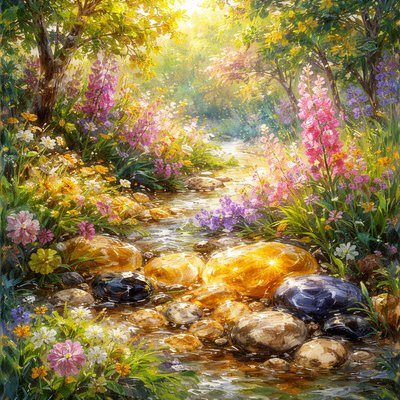
And the gold of that land is good: there is bdellium and the onyx stone. 
(Genesis 2:12 KJV)