Traditional Tea House In Garden Art

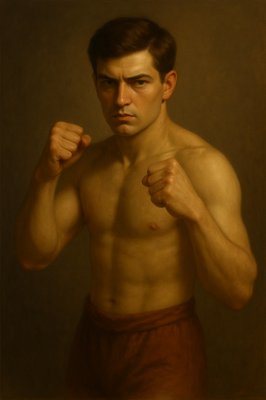
a painting of a shirtless man flexing his muscles
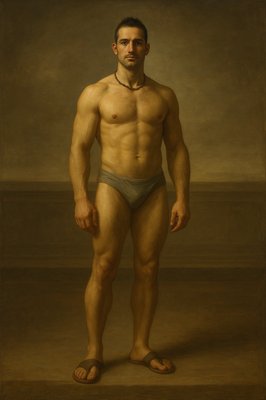
a painting of a man in a underwear
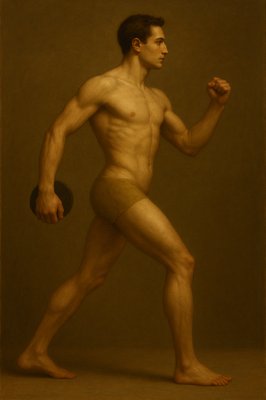
a painting of a man with a hat and no shirt
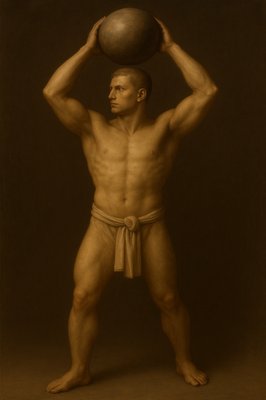
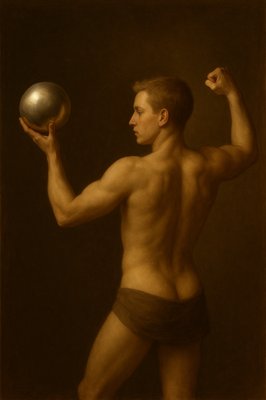
a painting of a man holding a ball over his head
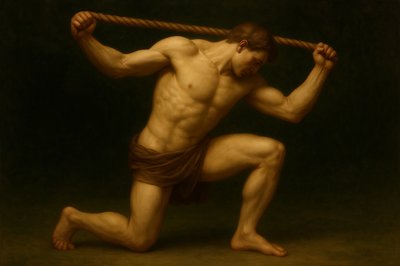
a painting of a man holding a rope
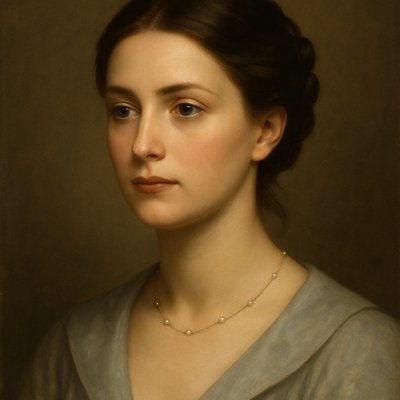
a painting of a woman with a pearl necklace
a painting of a man holding a ball
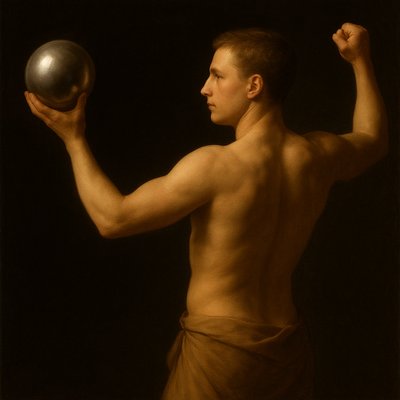
a painting of a man holding a silver ball
Classical Realist Figurative Art Style Style Transfer Example
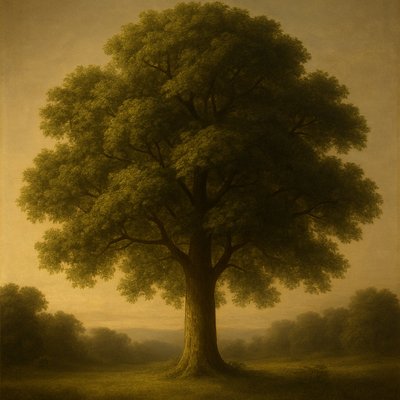
a tree in nature
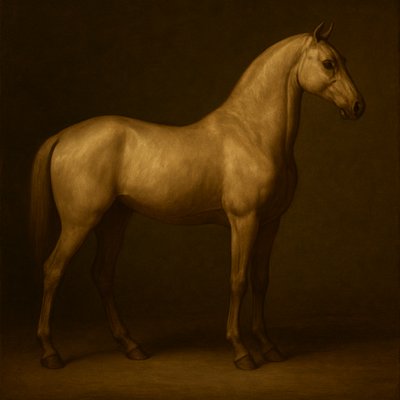
animal standing in natural pose
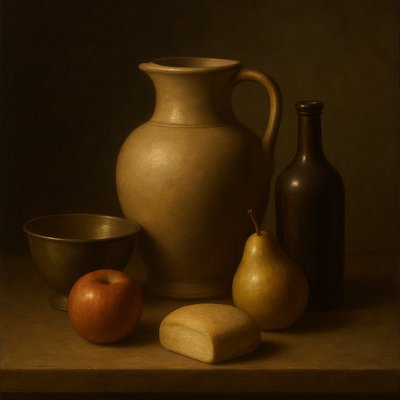
still life with everyday objects
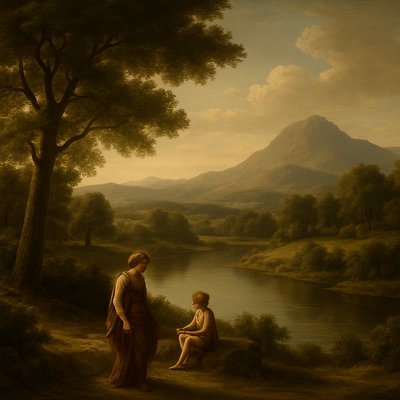
wide landscape with natural scenery

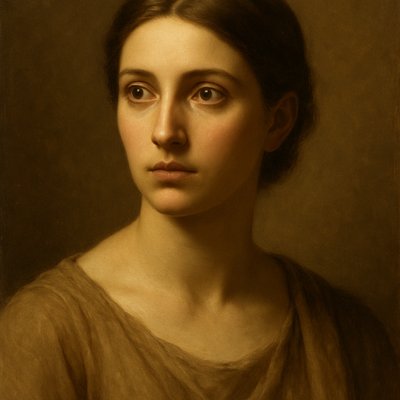
portrait of a person with expressive eyes
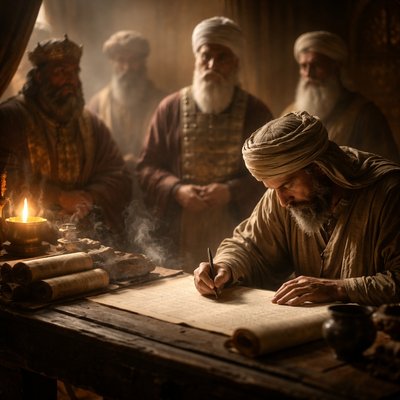
“And Shemaiah the son of Nethaneel the scribe, one of the Levites, wrote them before the king, and the princes, and Zadok the priest, and Ahimelech the son of Abiathar, and before the chief of the fathers of the priests and Levites: one principal household being taken for Eleazar, and one taken for Ithamar.” (1 Chronicles 24:6, KJV)
City in motion
A koi pond seen from above, orange and white koi fish swimming among lily pads, clear water with subtle ripples, fallen cherry blossom petals floating on the surface, dappled sunlight

Christ Pantocrator
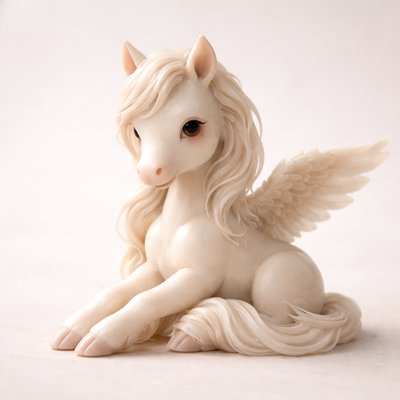
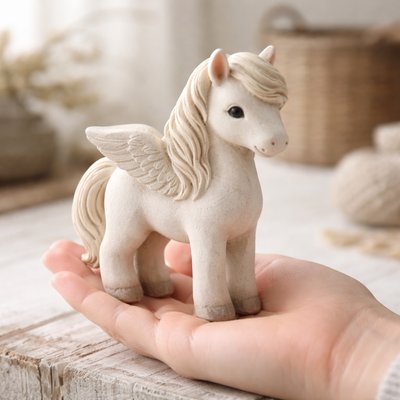
Palm-sized mythical horse figurine, anatomically correct with gentle pose and calm expression, subtle wings, minimalist fantasy style, whimsical and serene, soft studio lighting with shallow depth of field, plain background, limited colors, high but restrained detail

a tray of tiny horse-shaped sugar cookies, highly detailed icing, pastel holiday colors, sparkle sugar, soft bakery lighting, shallow depth of field, whimsical but elegant, intricate frosting texture, macaron-style softness, christmas atmosphere, ultra-detailed, 3d render look, artisan cookie photography style Christmas setting
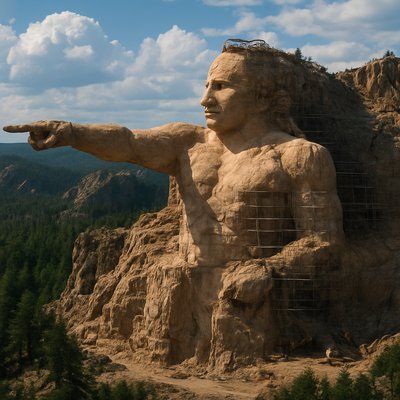
A majestic and inspiring depiction of the Crazy Horse National Memorial, captured from a slightly elevated, wide-angle perspective that emphasizes its immense scale and ongoing construction. The colossal carving of Crazy Horse on his war pony is the dominant feature, shown in its current state of detailed progress, with the iconic outstretched arm and pointing finger prominent against the rugged Black Hills. Visible elements of the carving process, such as scaffolding, construction equipment (subtly integrated), or evidence of rock removal, are present, highlighting the monumental effort and generations of work involved. The surrounding landscape of the Black Hills is an integral part of the composition, with pine forests, granite formations, and the vast, open sky providing a dramatic and respectful setting. The lighting is strong and clear, perhaps mid-morning or late afternoon sun, casting dramatic shadows that define the contours of the mountain and the carving. The atmosphere conveys a sense of enduring tribute, cultural pride, determination, and the sheer scale of human endeavor dedicated to honoring a legendary figure. The artistic style is a highly realistic, detailed landscape painting or photograph, emphasizing grandeur and reverence
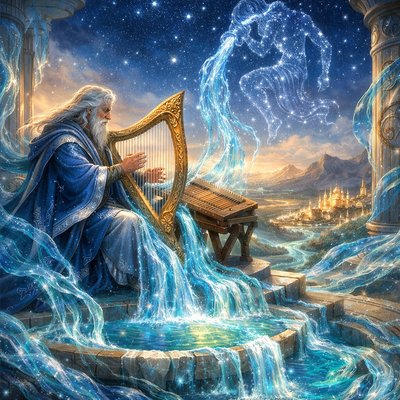
A wide-angle, epic and majestic fantasy-realism style illustration for ArtStyles, based on Psalm 92:3, capturing a grand, celestial-inspired musician at dawn. In a mystical, open-air temple balcony under a starry sky with the constellation Aquarius prominently visible as a shimmering water-bearer icon pouring water, a majestic figure with a flowing beard and blue and silver robes (symbolizing Aquarius and music) is seated. Before the figure are two elaborate instruments.
One is a unique, gilded and carved wooden harp with a distinct triangular frame, which is explicitly and clearly shown with exactly ten distinct, visible, and countable strings stretched taut. The strings are glistening with cool, deep blue and golden light as the musician plucks them. Nearby, a beautiful, multi-stringed wooden psaltery (a trapezoidal zither-like instrument) sits on a stand, also being played by the other hand.
As the musician plays, glowing streams of illuminated, cascading blue and indigo water, visualized as physical music, emanate directly from the vibrating strings of both the ten-string harp and the psaltery. This water-music does not fall as rain, but flows down and out in majestic, powerful, yet gentle streams, just like an outpour from an Aquarian vessel. The water-music pools into a crystal-clear basin below the instruments, and then cascades over a series of carved crystal steps, spreading out across the temple floor and into a valley, illustrating the sound going out. The "solemn sound" is visualized through the deep, rich colors of the flowing water and the light within it, and the steady, powerful, and calming nature of the flow. The atmosphere is solemn, peaceful, and epic. The surrounding architecture is ancient and detailed with astrological symbols of stars and flowing water. In the distant valley, a magnificent city and a winding river are touched by the flowing water-music. No text or labels are on screen. The lighting is early morning gold and blue. Detailed fabric textures and wood grain are visible.
Palm-sized mythical horse figurine, anatomically correct with gentle pose and calm expression, subtle wings, minimalist fantasy style, whimsical and serene, soft studio lighting with shallow depth of field, plain background, limited colors, high but restrained detail
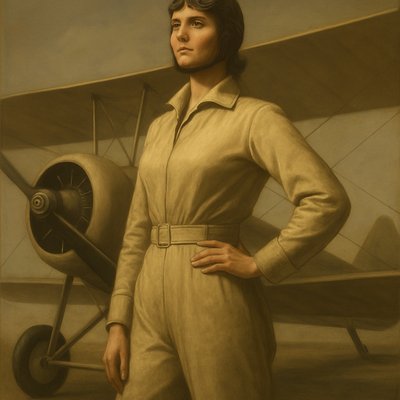
A statuesque, heroic portrait of Lady Mary Bailey (the aviator) standing confidently by her small biplane, the De Havilland Moth.

Style: Neoclassical painting emphasizing idealized forms, clear lines, balanced composition, and muted color palettes (such as marble white, deep blues, and sepia tones). The figures and machine should look elegant and timeless, like a heroic ancient myth.
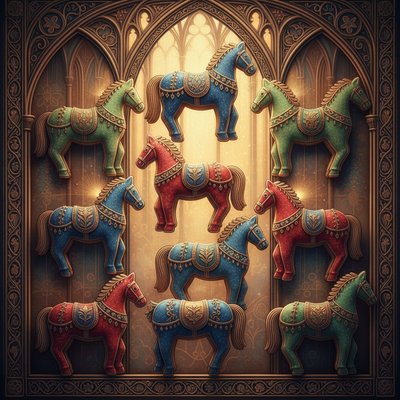
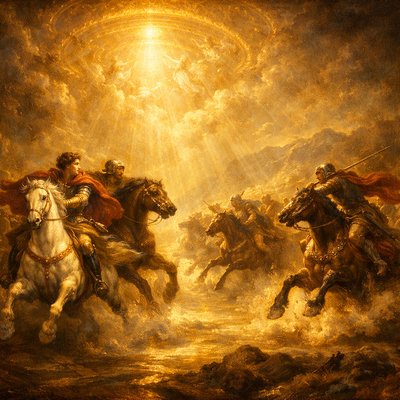
And the sons of Jacob returned and came to Tapnach, to take away the spoil of Tapnach, and when they came to Tapnach they heard that the people of Arbelan had gone out to meet them to save the spoil of their brethren, and the sons of Jacob left ten of their men in Tapnach to plunder the city, and they went out toward the people of Arbelan.
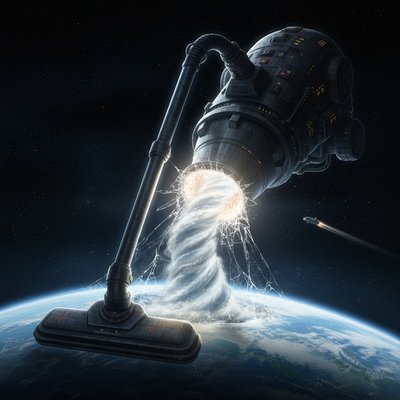
A highly detailed, cinematic rendering of the colossal "Megamaid" spaceship from Spaceballs in its full, transformed state, hovering menacingly above the Earth.

Scene Focus: The Megamaid is positioned directly over the Earth's atmosphere, its massive vacuum nozzle extended. The nozzle is clearly pointed toward the planet's surface, and the mechanism is beginning to suck air out, creating a visible, swirling vortex.

The 'Firmament' Detail: Render the edge of Earth's atmosphere and sky not as a smooth fade to space, but with a highly stylized, almost cracked or crystalline appearance, suggesting the boundary is a literal "firmament." The vacuum is shown actively piercing this boundary, creating a localized, glowing "window of heaven" effect where the atmosphere is being forcefully breached and pulled into the machine.

Atmosphere: The scene is dark, cold space contrasting sharply with the bright, glowing Earth below and the massive, industrial metallic structure of the Megamaid. The lighting should be dramatic and epic, highlighting the ridiculous scale of the vacuum cleaner poised to steal a planet's air. Include a tiny, distant shot of the Eagle 5 (Winnebago) fleeing the scene.

Style: Photorealistic digital painting, sci-fi parody, emphasizing the immense, over-the-top scale and the comedic contrast between the mundane household item and the cosmic threat.
And the sons of Jacob returned and came to Tapnach, to take away the spoil of Tapnach, and when they came to Tapnach they heard that the people of Arbelan had gone out to meet them to save the spoil of their brethren, and the sons of Jacob left ten of their men in Tapnach to plunder the city, and they went out toward the people of Arbelan.
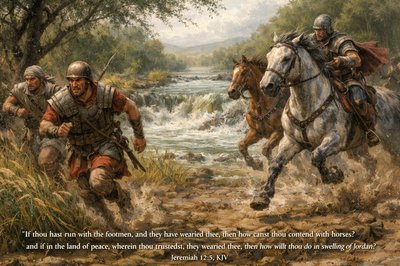
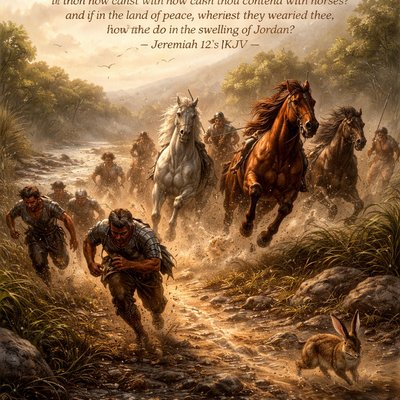
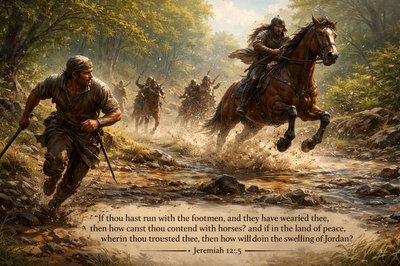
“If thou hast run with the footmen, and they have wearied thee, then how canst thou contend with horses? and if in the land of peace, wherein thou trustedst, they wearied thee, then how wilt thou do in the swelling of Jordan?” (Jeremiah 12:5, KJV)
A highly detailed, cinematic rendering of the colossal "Megamaid" spaceship from Spaceballs in its full, transformed state, hovering menacingly above the Earth.

Scene Focus: The Megamaid is positioned directly over the Earth's atmosphere, its massive vacuum nozzle extended. The nozzle is clearly pointed toward the planet's surface, and the mechanism is beginning to suck air out, creating a visible, swirling vortex.

The 'Firmament' Detail: Render the edge of Earth's atmosphere and sky not as a smooth fade to space, but with a highly stylized, almost cracked or crystalline appearance, suggesting the boundary is a literal "firmament." The vacuum is shown actively piercing this boundary, creating a localized, glowing "window of heaven" effect where the atmosphere is being forcefully breached and pulled into the machine.

Atmosphere: The scene is dark, cold space contrasting sharply with the bright, glowing Earth below and the massive, industrial metallic structure of the Megamaid. The lighting should be dramatic and epic, highlighting the ridiculous scale of the vacuum cleaner poised to steal a planet's air. Include a tiny, distant shot of the Eagle 5 (Winnebago) fleeing the scene.

Style: Photorealistic digital painting, sci-fi parody, emphasizing the immense, over-the-top scale and the comedic contrast between the mundane household item and the cosmic threat.
“If thou hast run with the footmen, and they have wearied thee, then how canst thou contend with horses? and if in the land of peace, wherein thou trustedst, they wearied thee, then how wilt thou do in the swelling of Jordan?” (Jeremiah 12:5, KJV)
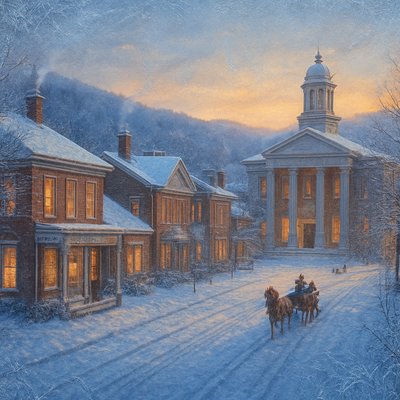
A breathtaking, highly detailed landscape and architectural illustration of historic Jonesborough, Tennessee, Appalachia, blanketed in fresh, pristine snow. The scene captures the charm of a 'Winter Wonderland' during the golden hour just before sunset. Focus on the main street (possibly Main Street or College Street) lined with preserved 18th and 19th-century Federal and Greek Revival style architecture, such as the Chester Inn or historic courthouse.

The buildings have warm, glowing lights spilling from their windows, creating a cozy contrast with the blue tones of the snow and dusk sky. Snow-dusted, bare deciduous trees frame the street. Include subtle details like a horse-drawn sleigh, tracks in the snow, and a thin wisp of smoke curling from chimneys. The style should be evocative, highly realistic, and painterly, capturing the quiet, historic ambiance of America's oldest town in Tennessee. Use a slightly elevated perspective to showcase the depth of the street and the surrounding Appalachian hillsides.
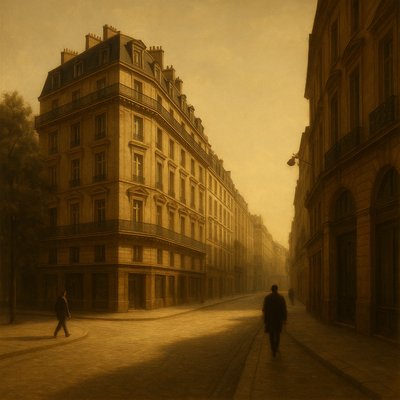
urban street with city activity
a tree in nature
bicyle resting against a wall
still life with everyday objects
serene landscape with mountains and water
still life arrangement of fruits and flowers
“But ye said, No; for we will flee upon horses; therefore shall ye flee: and, We will ride upon the swift; therefore shall they that pursue you be swift.” (Isaiah 30:16, KJV)