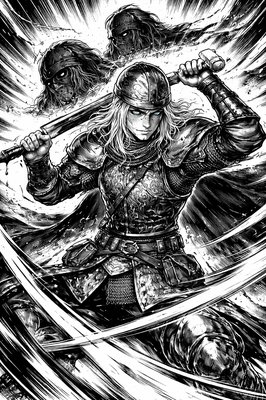
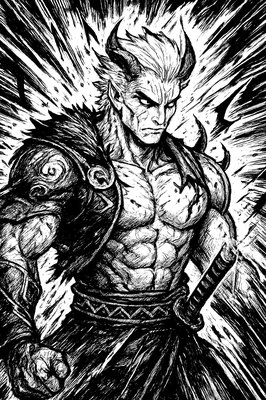
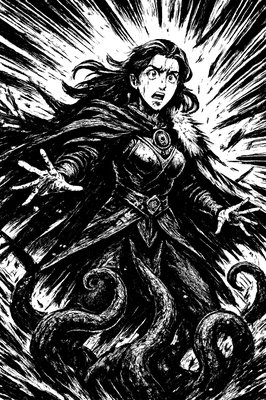
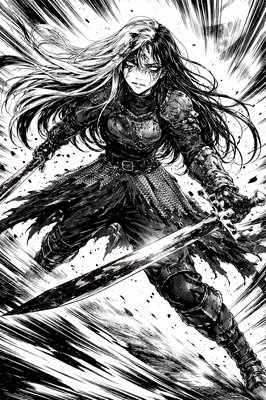
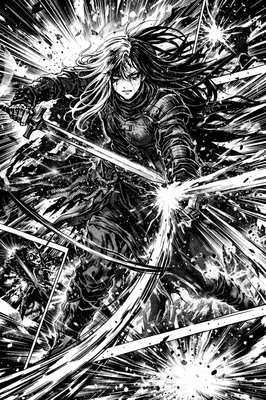
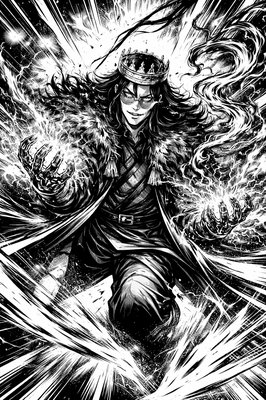
The Weight Of Silence Art

Generate a vibrant, wide-angle image capturing the overwhelming scale and festive atmosphere of a Buc-ee's travel center during peak daylight hours. The central focus should be the massive, iconic Buc-ee the Beaver mascot statue at the entrance, welcoming visitors. Show the enormous, brightly lit gas station canopy stretching across dozens of pumps, with a continuous flow of cars and trucks. In the background, feature the distinctive red-roofed store building with its huge signage. Include details that convey the bustling energy: families walking in, people filling up their tanks, and the overall sense of a colossal, well-organized 'roadside attraction.' The image should highlight its cleanliness, vastness, and the unique, almost surreal experience of stopping at a Buc-ee's.
A highly detailed steampunk fantasy reimagining of Émile Renouf's "The Helping Hand" (1881), where an elderly fisherman with a weathered face, bushy mustache, brass-rimmed goggles perched on his forehead, a leather apron adorned with gears and pouches of tools, and a tricorn hat fitted with a small steam whistle,  assists a wide-eyed young girl in a frilly Victorian dress modified with corseted bodice, puffed sleeves of oil-stained fabric, and tiny mechanical bird brooch row an old sailboat with the mast down. They sit together in a compact, riveted iron sailboat propelled by a hissing steam engine at the stern, with exposed copper pipes, whirring pistons, and a propeller churning the ethereal, mist-shrouded waves of a fantastical ocean dotted with floating clockwork islands and distant airships billowing smoke. The pair collaboratively hauls a massive, enchanted fishing net woven with glowing aether filaments and brass weights, teeming with bioluminescent mechanical fish hybrids—scales of etched metal and fins like unfolding fans—symbolizing intergenerational ingenuity and wonder. Render in intricate digital art style blending Victorian engraving precision with fantastical whimsy, warm sepia tones accented by burnished golds, verdigris greens, and sparks of arcane blue energy, dramatic chiaroscuro lighting from a setting sun filtered through industrial haze, ultra-detailed textures on leather, rust, and fabric, cinematic composition with dynamic tension in their clasped hands
Generate a vibrant, wide-angle image capturing the overwhelming scale and festive atmosphere of a Buc-ee's travel center during peak daylight hours. The central focus should be the massive, iconic Buc-ee the Beaver mascot statue at the entrance, welcoming visitors. Show the enormous, brightly lit gas station canopy stretching across dozens of pumps, with a continuous flow of cars and trucks. In the background, feature the distinctive red-roofed store building with its huge signage. Include details that convey the bustling energy: families walking in, people filling up their tanks, and the overall sense of a colossal, well-organized 'roadside attraction.' The image should highlight its cleanliness, vastness, and the unique, almost surreal experience of stopping at a Buc-ee's.
A highly detailed steampunk fantasy reimagining of Émile Renouf's "The Helping Hand" (1881), where an elderly fisherman with a weathered face, bushy mustache, brass-rimmed goggles perched on his forehead, a leather apron adorned with gears and pouches of tools, and a tricorn hat fitted with a small steam whistle, reaches out to assist a wide-eyed young girl in a frilly Victorian dress modified with corseted bodice, puffed sleeves of oil-stained fabric, and tiny mechanical bird brooch. They stand together in a compact, riveted iron rowboat propelled by a hissing steam engine at the stern, with exposed copper pipes, whirring pistons, and a propeller churning the ethereal, mist-shrouded waves of a fantastical ocean dotted with floating clockwork islands and distant airships billowing smoke. The pair collaboratively hauls a massive, enchanted fishing net woven with glowing aether filaments and brass weights, teeming with bioluminescent mechanical fish hybrids—scales of etched metal and fins like unfolding fans—symbolizing intergenerational ingenuity and wonder. Render in intricate digital art style blending Victorian engraving precision with fantastical whimsy, warm sepia tones accented by burnished golds, verdigris greens, and sparks of arcane blue energy, dramatic chiaroscuro lighting from a setting sun filtered through industrial haze, ultra-detailed textures on leather, rust, and fabric, cinematic composition with dynamic tension in their clasped hands
A stunning and spiritually evocative depiction of the traditional Lakota Hoop Dance (or Intertribal Hoop Dance). The central figure is a single, male Hoop Dancer, captured mid-motion, demonstrating incredible agility and grace. He is adorned in vibrant, traditional regalia with intricate beadwork, feathers, and fringes, and is surrounded by a mesmerizing array of hoops, dynamically formed into various shapes and symbols, representing animals, stories, or the sacred circle of life. His face reflects intense focus, reverence, and the deep storytelling inherent in the dance. In the background, partially obscured by a light morning mist or soft haze, the monumental carving of the Crazy Horse Memorial is visible, lending a profound sense of historical continuity, honor, and enduring spirit to the scene. The setting is an open, natural area, perhaps a grassy plain or red rock outcropping, under a clear, early morning sky with the sun just beginning to illuminate the landscape, casting a soft, golden light. The atmosphere is one of dynamic energy, profound cultural pride, and deep spiritual connection to both tradition and the ancestral land. The artistic style is a vivid, realistic painting with a strong sense of movement, capturing the intricate details of the hoops and regalia, against the majestic, stoic presence of the memorial."

Key Considerations Reflected in This Prompt:

    Corrected Dance Name: Clearly states "Lakota Hoop Dance (or Intertribal Hoop Dance)."

    Central Figure: Focuses on a "single, male Hoop Dancer" to highlight the individual skill and artistry.

    Hoops & Symbolism: Emphasizes the "mesmerizing array of hoops, dynamically formed into various shapes and symbols" and their meaning.

    Crazy Horse Memorial Background: Explicitly places the "monumental carving of the Crazy Horse Memorial" in the background, noting its symbolic significance ("historical continuity, honor, and enduring spirit").

    Setting & Lighting: Suggests "early morning mist or soft haze" for the background to give the memorial an ethereal quality, and "soft, golden light" for the dancer.

    Mood: Conveys "dynamic energy, profound cultural pride, and deep spiritual connection."

    Artistic Style: "Vivid, realistic painting with a strong sense of movement.
"A historically accurate depiction of a Ghost Dance, focusing on the late 19th-century context, specifically around 1890-1891. The scene shows Lakota (Sioux) or Northern Paiute people (specify one or include elements of both, but avoid anachronisms) participating in the ceremony.

Setting: A vast, open prairie or high desert landscape, under an expansive sky. The time of day could be dusk or night, with a prominent moon or stars, or a bright, clear day. Avoid overtly spiritual or ethereal elements like floating spirits unless explicitly requested for a later, more symbolic iteration. The focus should be on the earthly ceremony.

Participants: A circle of men, women, and children, hand-in-hand, moving in a slow, rhythmic shuffle or circular motion. Their faces show a mixture of devotion, hope, and determination. Some may have expressions of trance or deep concentration.

Attire:

    Ghost Dance Shirts/Dresses: Emphasize the unique Ghost Dance shirts and dresses, which were typically made of muslin or canvas. These garments should feature painted designs such as stars, crescents, birds (especially eagles or crows), buffalo, human figures, or crosses. The designs should appear hand-painted, not mass-produced.

    Hair and Adornments: Participants should have braided hair or wear it long. Some may wear feathers (e.g., eagle or hawk feathers) in their hair. Minimal traditional adornments, as the focus was often on the Ghost Dance shirt itself. Avoid overly elaborate or Hollywood-esque depictions of war bonnets unless relevant to a specific individual and context.

    Footwear: Moccasins or bare feet.

Action/Atmosphere:

    The dancers are moving in a counter-clockwise circle, with a central figure or a small group often leading.

    The overall mood is one of earnest prayer and communal spiritual effort. The dance should convey a sense of hope for renewal and the return of the old ways, rather than aggression or despair.

    There might be a central pole or small fire as a focal point, around which the dance takes place.

    Avoid any signs of direct conflict or violence; the Ghost Dance itself was a non-violent spiritual movement.

Specific Considerations for Accuracy:

    Wovoka's Influence: The teachings of Wovoka (the Northern Paiute prophet) emphasized peace, hard work, and the return of the buffalo and deceased ancestors. The scene should subtly reflect this hopeful, redemptive spirit.

    Regional Variations: If focusing on Lakota, consider their specific interpretations, which sometimes included more imagery related to their warrior traditions on the shirts, but still within the peaceful framework of the dance.
    Respectful Portrayal: Ensure the depiction is respectful and avoids any stereotypical or caricatured representations of Indigenous people. Focus on their human dignity and spiritual sincerity.
Volume 1 – Chapter 1: “Running Away”

Story Points:
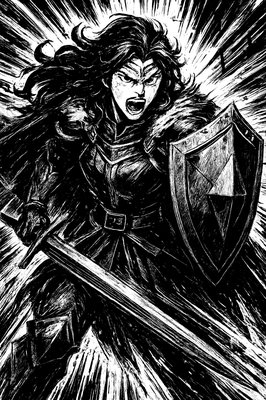
Ji Hun is bored and unhappy with his life in the band “Forever.” Inner thoughts reveal his frustration and desire to escape.
He decides to run away; changes his appearance with a ginger curly wig and glasses to hide his identity.

Ji Hun sneaks out, but security guards notice him and start chasing him.

While running, he accidentally bumps into Min Joon, a girl with long curly black hair, wearing a hoodie and baggy jeans. They fall on the ground.

Min Joon helps him up and insists on taking him to her home to relax.

She offers him tea and biscuits; they start talking. Ji Hun lies and says his name is “Jin” and that he is an accountant.

He notices posters of his band “Forever” in her room and realizes she is a fan. Min Joon praises Ji Hun’s voice, making him shy.

Ji Hun talks about never enjoying life; Min Joon promises to teach him how to enjoy life.

Ji Hun hesitates, worried about being recognized, but she reassures him. He agrees to go with her.

Min Joon prepares to take him outside, setting up the transition to Chapter 2 (car ride and amusement park).

Page/Panel Flow Suggestions:

Pages 1–3: Ji Hun’s frustration, morning in the band dorm, decision to escape.

Pages 4–5: Ji Hun changing disguise.

Pages 6–8: Running and being chased by security guards.

Pages 9–12: Collision with Min Joon, first meeting.

Pages 13–16: Min Joon taking him home, tea and biscuits scene.

Pages 17–20: Conversation about Ji Hun’s unhappiness, Min Joon promising to show him joy.
Silent performance exploring non-verbal communication in the art style of Performance Art --v 6.1
Contemplative moment
portrait of two people together
still life arrangement of fruits and flowers
portrait of a person with expressive eyes
A stunning, high-contrast black and white cinematic still, mimicking the style of 1920s German Expressionism. Depict a luxurious, futuristic rooftop garden party. The scene features Freder, the young master, surrounded by several glamorous, wealthy, aristocratic ladies. The women are all dressed in ornate, art-deco-inspired gowns, their hair styled in sleek 1920s waves. Each lady wears an intricate, opulent Venetian masquerade mask that covers their eyes, adding an element of mystery and formality. In the background, the colossal, sharp, angular skyscrapers of the 'Metropolis' cityscape loom under a dramatic, moody sky. The garden is filled with exotic, highly geometric and stylized plants and gilded statues, reflecting the extreme wealth of the elite. Cinematic lighting, dramatic shadows, deep focus, silent film aesthetic, high detail, photorealistic.
Metaphysical Painting Art Style Style Transfer Example
urban street with city activity
a tree in nature
house with front view
bicyle resting against a wall
still life with everyday objects
wide landscape with natural scenery
Unstressed vowels weakened to schwa.
The final -e in words like name became silent.
Endings like -ed and -es lost their full vowel sound, making English more rhythmically stress-timed.
6. The wh sound stayed distinct longer.
Which and witch sounded different—which started with a breathy hw. Today the pronunciation is similar but the difference remains in some dialects. create a picture withoud words
New York City
DESIGN ME A HOCKEY JERSEY WITH A SAMURAI BATTLE MASK HELMET
Metaphysical Painting Art Style Style Transfer Example
animal standing in natural pose
Philosophers thinking deeply
New York City
serene landscape with mountains and water
portrait of two people together
portrait of a person with expressive eyes
still life arrangement of fruits and flowers
Creepy Abandoned Art Style Style Transfer Example
portrait of a person with expressive eyes
still life arrangement of fruits and flowers
portrait of two people together
Retro Comic Art Style Transfer Example
a tree in nature