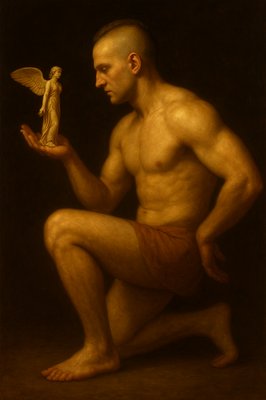
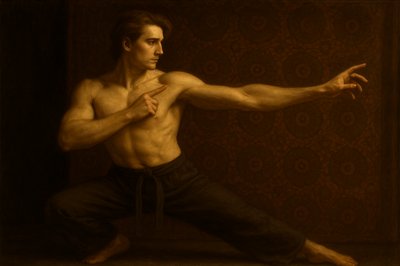
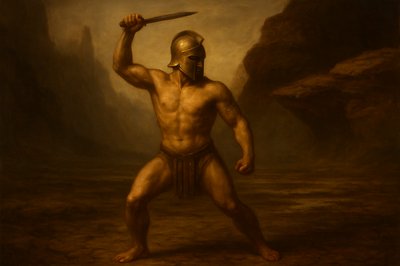
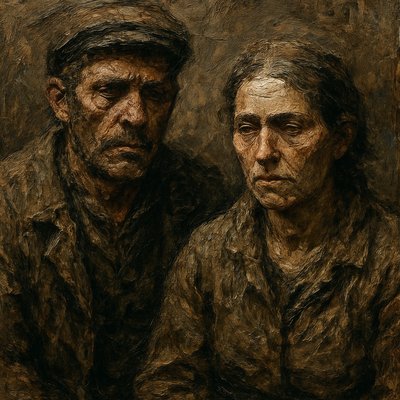
Social Realism Art

Hyper-realistic watercolor of a male Slate-colored Junco (Northern Junco) perched on a snowy pine branch. Crisp slate-gray body, brilliant white belly, small pink bill. Include a soft flash of white outer tail feathers. Deep shadows in a winter boreal forest, soft overcast light, ultra-detailed feathers.
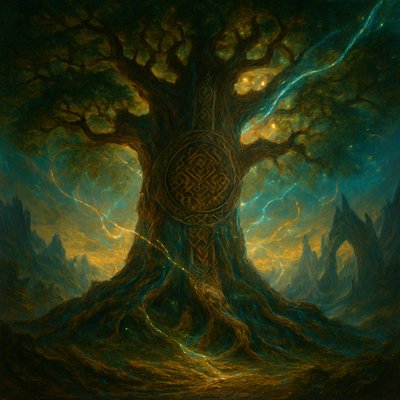
a tree in nature
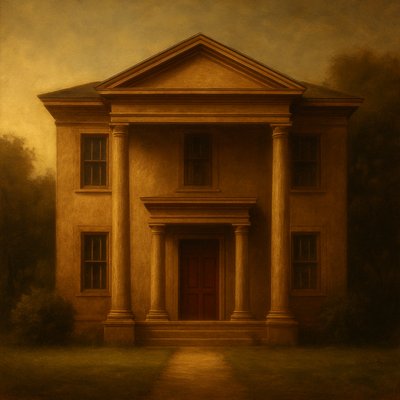
house with front view
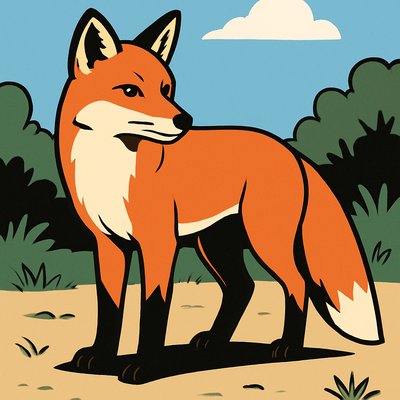
animal standing in natural pose
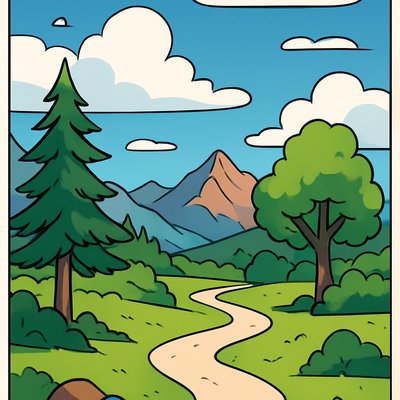
wide landscape with natural scenery
portrait of a person with expressive eyes
Transgressive Art Style Style Transfer Example
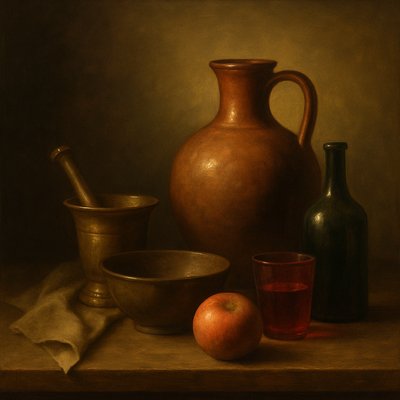
still life with everyday objects
Tiny Horse Inside a Glass Ornament
a clear glass christmas ornament containing a living miniature horse with glowing fairy lights, gentle snowfall particles inside, hyper-detailed reflections, delicate glass texture, whimsical fantasy realism, dreamy warm lighting, bokeh background
A highly realistic and historically accurate image set in the deep, waterlogged mud of the Texas Cross Timbers (Montague County) in 1840. The scene captures the frustrating moment when the Chihuahua Traders caravan is completely stuck. Foreground focus is on several heavy, wooden Conestoga freight wagons, mired up to their axles in dark, thick mud. Exhausted oxen are straining and distressed, their drivers in rough frontier attire attempting to free the wheels with ropes and levers. In the mid-ground, a small group of the American equestrian circus performers stands next to their distinctive, high-quality riding horses, which are visibly more refined than the typical pack animals. The performers are dressed in sturdy but distinct traveling clothes, looking ill-equipped and frustrated by the muddy conditions. One performer is carefully securing a colorful carriage or cart containing unique circus props, struggling to keep it from sinking. The overall mood is one of miserable delay and hardship. Cloudy, oppressive sky; detailed realism; wide-angle shot; dark, moody lighting.
A cinematic, realistic image, set in the desolate, muddy expanse of the Texas Cross Timbers in 1840. The scene captures the return leg of the Chihuahua Traders Trail. Several heavy, wooden Conestoga wagons are hopelessly mired in deep, dark mud, pulled by straining, distressed oxen and mules. Merchants and teamsters in rugged, damp frontier clothing are struggling, using poles and ropes to try and free a wagon wheel.

In stark contrast, a group of bewildered and exasperated American equestrian circus performers, dressed in bright, slightly tattered stage costumes (e.g., a sequined acrobat, a rider in a velvet jacket, a clown attempting to keep his white makeup clean), stand nearby. They are trying to keep their fine horses and props (perhaps a small, colorful tent piece or a drum) out of the worst of the mire. The sky is overcast and oppressive, reflecting the damp, miserable conditions. The overall lighting should be dark and moody, emphasizing the frustrating five-week delay. Wide-angle shot, photorealistic quality, historical accuracy, dark realism.
A highly realistic and historically accurate image set in the deep, waterlogged mud of the Texas Cross Timbers (Montague County) in 1840. The scene captures the frustrating moment when the Chihuahua Traders caravan is completely stuck.

Foreground focus is on several heavy, wooden Conestoga freight wagons, mired up to their axles in dark, thick mud. Exhausted oxen are straining and distressed, their drivers in rough frontier attire attempting to free the wheels with ropes and levers.

In the mid-ground, a small group of the American equestrian circus performers stands next to their distinctive, high-quality riding horses, which are visibly more refined than the typical pack animals. The performers are dressed in sturdy but distinct traveling clothes, looking ill-equipped and frustrated by the muddy conditions. One performer is carefully securing a colorful carriage or cart containing unique circus props, struggling to keep it from sinking. The overall mood is one of miserable delay and hardship. Cloudy, oppressive sky; detailed realism; wide-angle shot; dark, moody lighting.
The Wizard of Oz Scarecrow, looking surprised and slightly alarmed, as a group of winged flying monkeys descends rapidly from the sky towards him, their taloned feet reaching out. The scene is set in a vibrant, slightly fantastical field with a yellow brick road visible in the distance. Emphasize dynamic motion and the contrast between the playful yet menacing monkeys and the innocent Scarecrow
Cinematic Concept Art, High Fantasy Illustration, Wide Angle, Dynamic Lighting "A wide, epic shot of the Wizard of Oz Scarecrow being violently lifted into the air by three menacing, taloned Flying Monkeys descending from a swirling, dark-clouded sky. The Scarecrow is mid-scream, straw is bursting from a tear in his pant leg, and his hat is flying off. The scene is set over a desolate, golden field, with a tiny Yellow Brick Road receding into the distance. Volumetric light rays pierce the storm clouds, highlighting the terror and the tattered fabric of the monkeys' wings. Focal Length 24mm, 8K, highly detailed, dramatic shadow depth."
A whimsical Thanksgiving parade horse wearing festive ribbons and feathers, warm golden light, realistic textures, joyful mood, not cartoon
"A historically accurate depiction of a Ghost Dance, focusing on the late 19th-century context, specifically around 1890-1891. The scene shows Lakota (Sioux) or Northern Paiute people (specify one or include elements of both, but avoid anachronisms) participating in the ceremony.

Setting: A vast, open prairie or high desert landscape, under an expansive sky. The time of day could be dusk or night, with a prominent moon or stars, or a bright, clear day. Avoid overtly spiritual or ethereal elements like floating spirits unless explicitly requested for a later, more symbolic iteration. The focus should be on the earthly ceremony.

Participants: A circle of men, women, and children, hand-in-hand, moving in a slow, rhythmic shuffle or circular motion. Their faces show a mixture of devotion, hope, and determination. Some may have expressions of trance or deep concentration.

Attire:

    Ghost Dance Shirts/Dresses: Emphasize the unique Ghost Dance shirts and dresses, which were typically made of muslin or canvas. These garments should feature painted designs such as stars, crescents, birds (especially eagles or crows), buffalo, human figures, or crosses. The designs should appear hand-painted, not mass-produced.

    Hair and Adornments: Participants should have braided hair or wear it long. Some may wear feathers (e.g., eagle or hawk feathers) in their hair. Minimal traditional adornments, as the focus was often on the Ghost Dance shirt itself. Avoid overly elaborate or Hollywood-esque depictions of war bonnets unless relevant to a specific individual and context.

    Footwear: Moccasins or bare feet.

Action/Atmosphere:

    The dancers are moving in a counter-clockwise circle, with a central figure or a small group often leading.

    The overall mood is one of earnest prayer and communal spiritual effort. The dance should convey a sense of hope for renewal and the return of the old ways, rather than aggression or despair.

    There might be a central pole or small fire as a focal point, around which the dance takes place.

    Avoid any signs of direct conflict or violence; the Ghost Dance itself was a non-violent spiritual movement.

Specific Considerations for Accuracy:

    Wovoka's Influence: The teachings of Wovoka (the Northern Paiute prophet) emphasized peace, hard work, and the return of the buffalo and deceased ancestors. The scene should subtly reflect this hopeful, redemptive spirit.

    Regional Variations: If focusing on Lakota, consider their specific interpretations, which sometimes included more imagery related to their warrior traditions on the shirts, but still within the peaceful framework of the dance.

    Respectful Portrayal: Ensure the depiction is respectful and avoids any stereotypical or caricatured representations of Indigenous people. Focus on their human dignity and spiritual sincerity.
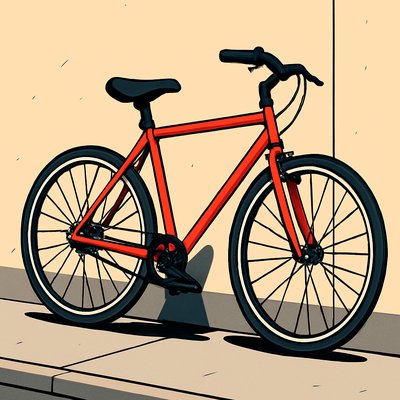
bicyle resting against a wall
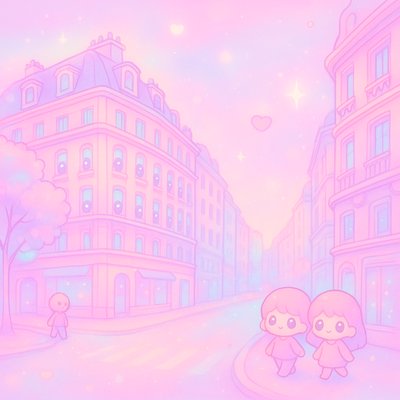
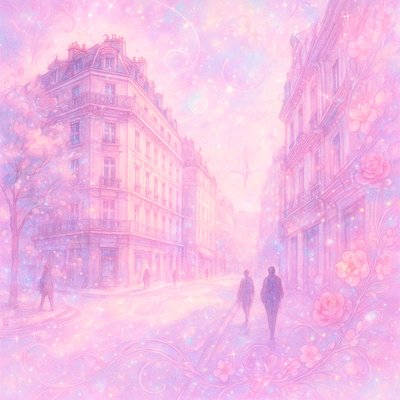
urban street with city activity
still life with everyday objects
portrait of two people together
serene landscape with mountains and water
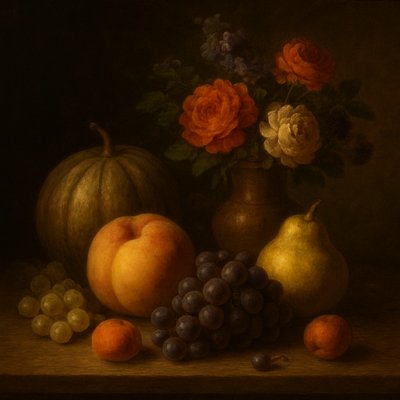
still life arrangement of fruits and flowers
Bright
Seascape with crashing waves and rocky shoreline in the art style of Realism --v 6.1
Tiny Horse Inside a Glass Ornament
a clear glass christmas ornament containing a miniature horse scene, glowing fairy lights, gentle snowfall particles inside, hyper-detailed reflections, delicate glass texture, whimsical fantasy realism, dreamy warm lighting, bokeh background
A highly realistic and historically accurate image set in the deep, waterlogged mud of the Texas Cross Timbers (Montague County) in 1840. The scene captures the frustrating moment when the Chihuahua Traders caravan is completely stuck. Foreground focus is on several heavy, wooden Conestoga freight wagons, mired up to their axles in dark, thick mud. Exhausted oxen are straining and distressed, their drivers in rough frontier attire attempting to free the wheels with ropes and levers. In the mid-ground, a small group of the American equestrian circus performers stands next to their distinctive, high-quality riding horses, which are visibly more refined than the typical pack animals. The performers are dressed in sturdy but distinct traveling clothes, looking ill-equipped and frustrated by the muddy conditions. One performer is carefully securing a colorful carriage or cart containing unique circus props, struggling to keep it from sinking. The overall mood is one of miserable delay and hardship. Cloudy, oppressive sky; detailed realism; wide-angle shot; dark, moody lighting.
The Wizard of Oz Scarecrow, looking surprised and slightly alarmed, as a group of winged flying monkeys descends rapidly from the sky towards him, their taloned feet reaching out. The scene is set in a vibrant, slightly fantastical field with a yellow brick road visible in the distance. Emphasize dynamic motion and the contrast between the playful yet menacing monkeys and the innocent Scarecrow
A highly realistic and historically accurate image set in the deep, waterlogged mud of the Texas Cross Timbers (Montague County) in 1840. The scene captures the frustrating moment when the Chihuahua Traders caravan is completely stuck.

Foreground focus is on several heavy, wooden Conestoga freight wagons, mired up to their axles in dark, thick mud. Exhausted oxen are straining and distressed, their drivers in rough frontier attire attempting to free the wheels with ropes and levers.

In the mid-ground, a small group of the American equestrian circus performers stands next to their distinctive, high-quality riding horses, which are visibly more refined than the typical pack animals. The performers are dressed in sturdy but distinct traveling clothes—perhaps featuring slightly tailored jackets or vests—rather than performance costumes, looking ill-equipped and frustrated by the muddy conditions. One performer is carefully securing a small, colorful carriage or cart containing unique circus props, struggling to keep it from sinking. The overall mood is one of miserable delay and hardship. Cloudy, oppressive sky; detailed realism; wide-angle shot; dark, moody lighting.
Generate a vibrant, wide-angle image capturing the overwhelming scale and festive atmosphere of a Buc-ee's travel center during peak daylight hours. The central focus should be the massive, iconic Buc-ee the Beaver mascot statue at the entrance, welcoming visitors. Show the enormous, brightly lit gas station canopy stretching across dozens of pumps, with a continuous flow of cars and trucks. In the background, feature the distinctive red-roofed store building with its huge signage. Include details that convey the bustling energy: families walking in, people filling up their tanks, and the overall sense of a colossal, well-organized 'roadside attraction.' The image should highlight its cleanliness, vastness, and the unique, almost surreal experience of stopping at a Buc-ee's.
Close-up of hands engaged in traditional craftwork in the art style of Realism --v 6.1
Farmyard scene with various animals and authentic details in the art style of Realism --v 6.1
Rural landscape with a weathered barn and rolling fields in the art style of Realism --v 6.1
Farmyard scene with various animals and authentic details in the art style of Realism --v 6.1
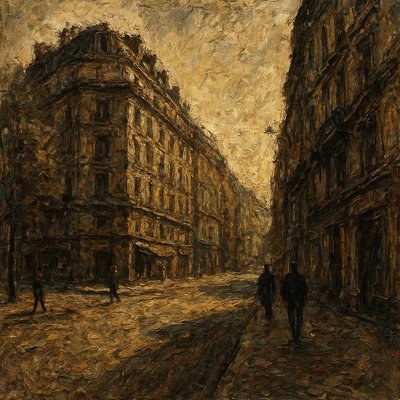
Urban street scene with precise architectural details in the art style of Realism --v 6.1
Portrait of a weathered fisherman with intricate facial details in the art style of Realism --v 6.1
Urban street scene with precise architectural details in the art style of Realism --v 6.1