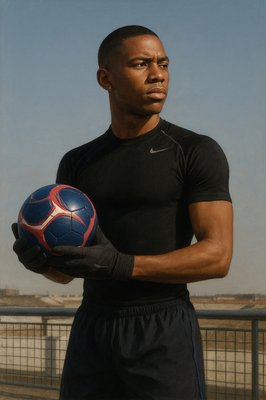
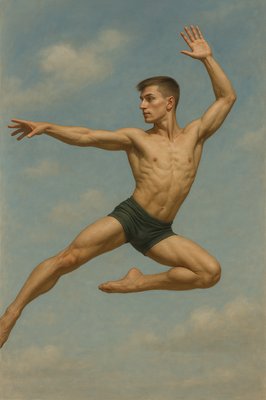
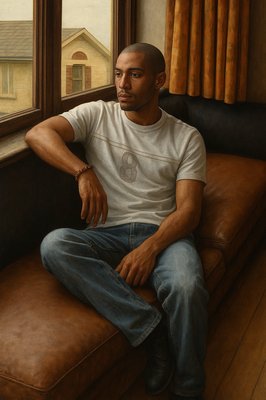
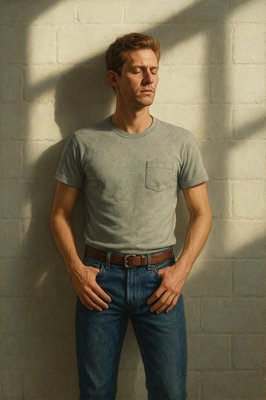
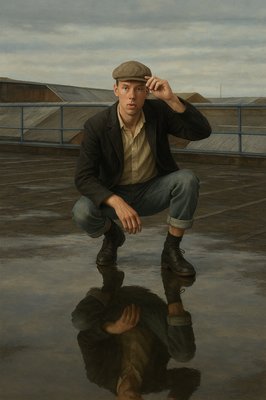
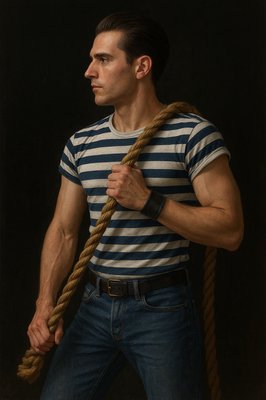
Social Realism Art Style Style Transfer Example Art

Participatory installation creating social interactions in the art style of Relational Art --v 6.1
portrait of a person with expressive eyes
still life arrangement of fruits and flowers
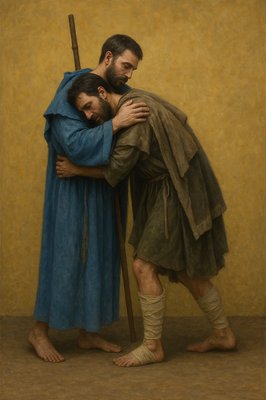
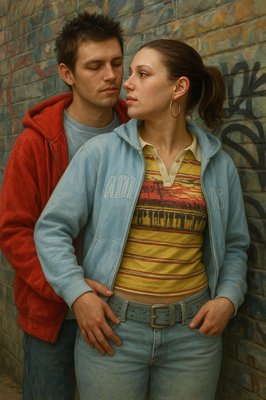
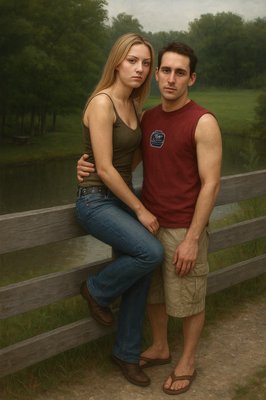
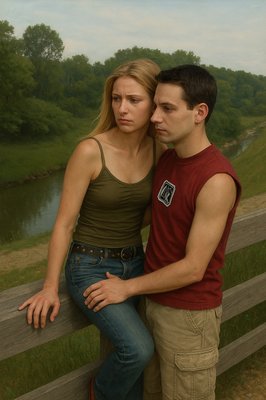
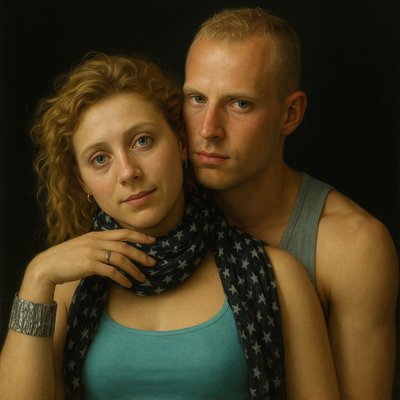
portrait of two people together
Group composition reflecting on contemporary social dynamics in the art style of New European Painting --v 6.1
A historically accurate and atmospheric depiction of the signing of the Mayflower Compact aboard the ship in November 1620. The scene is set in the dimly lit, cramped cabin of the Mayflower, with the ship's timbers and rigging subtly visible, conveying the challenging conditions of the voyage. A simple table or chest serves as the signing surface. The primary focus is on a small group of the last individuals signing the document: specifically, the indentured servants (or 'strangers' not directly part of the Separatist congregation) approaching or at the table. Their expressions show a mix of weary determination, understanding of the necessity, and perhaps a hint of quiet apprehension or resignation to this new social contract, given their status. They are dressed in the plain, practical clothing typical of 17th-century commoners and laborers. Figures of prominent Pilgrims or 'Saints' (like William Bradford or John Carver) are visible in the background, observing the proceedings with a sense of gravity and leadership, but they are not the central focus. The lighting is low and warm, perhaps from a lantern, creating a chiaroscuro effect that highlights the faces of the signers. The atmosphere conveys the momentousness of the act under difficult circumstances, the diverse composition of the group, and the early seeds of self-governance in a new world. The artistic style is a realistic, historically detailed oil painting, capturing the solemnity and human element of this pivotal historical moment."
a tree in nature
house with front view
bicyle resting against a wall
urban street with city activity
animal standing in natural pose
wide landscape with natural scenery

portrait of two people together
portrait of a person with expressive eyes
serene landscape with mountains and water
still life arrangement of fruits and flowers
Politically charged action addressing social issues in the art style of Performance Art --v 6.1
Allegorical painting addressing contemporary social issues in the art style of Neo-Romanticism --v 6.1

Crowded beach scene with a mix of social classes in the art style of Ashcan School --v 6.1
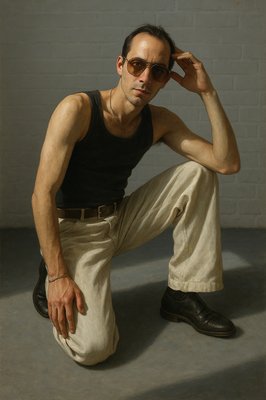
Controversial self-portrait challenging social norms in the style of Young British Artists --v 6.1
a painting of a man with a ring around his neck
a tree in nature
urban street with city activity
animal standing in natural pose
bicyle resting against a wall
portrait of two people together
wide landscape with natural scenery
serene landscape with mountains and water
portrait of a person with expressive eyes
early 1900s American schoolhouse with snowy playground, dozens of children bundled in scarves and mittens, joyfully throwing snowballs, sliding down wooden sleds, climbing rustic playground equipment, nostalgic sepia-toned color overlay, archival photograph aesthetic, cinematic wide shot