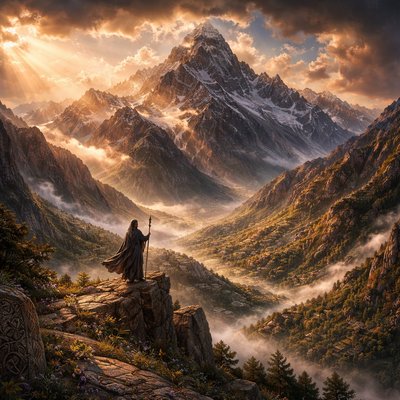
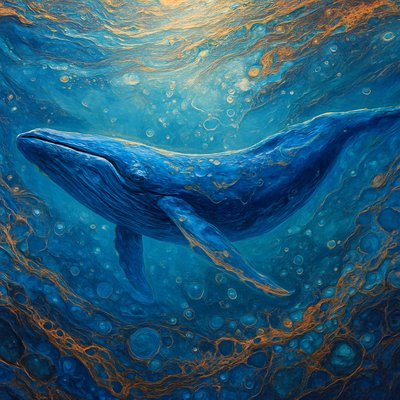
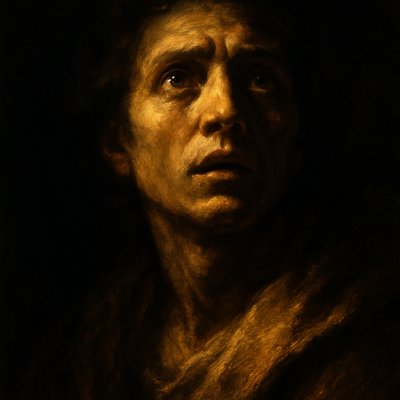
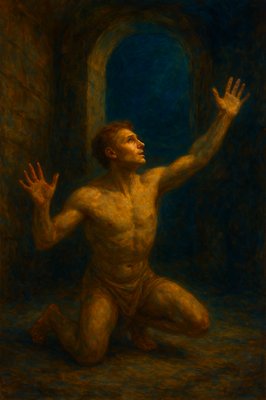
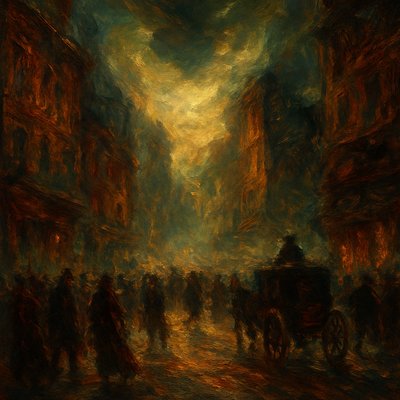
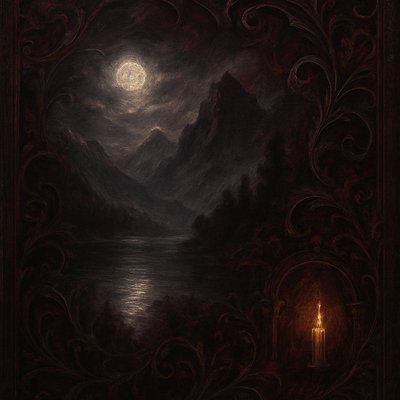
Romanticism Art Style, A Profoundly Emotional And Majestic Painting Inspired By Psalm 8:3 6. The Scene Captures A Vast, Art

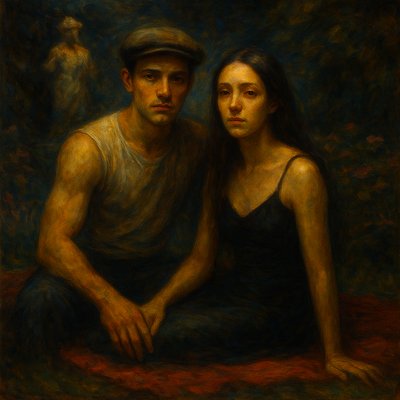
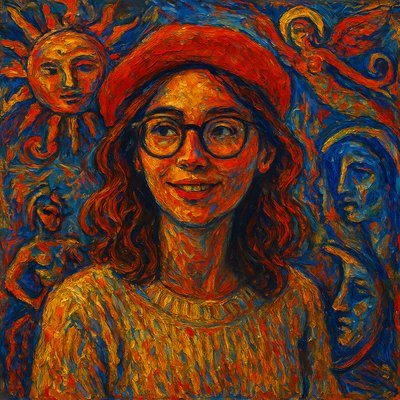
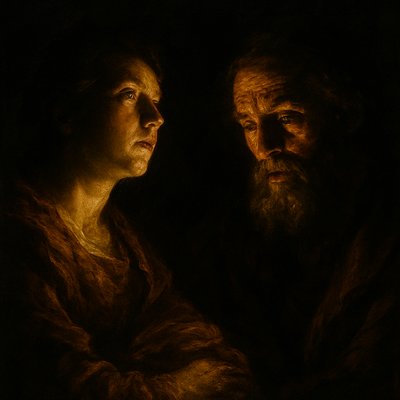
portrait of two people together
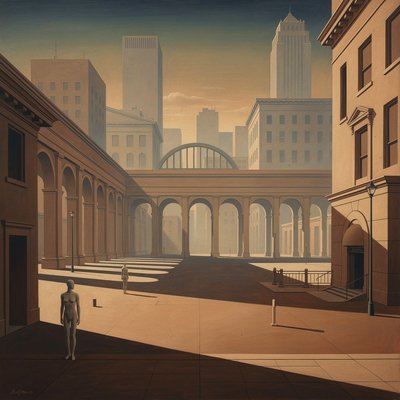
New York City
A majestic and regal snow leopard, powerfully built and with its characteristic thick, spotted fur, stands in a pristine, snow-covered mountain landscape. The leopard is lavishly 'blinged' with intricate, ornate jewelry and adornments, seamlessly integrated into its natural grace.

**Focus on:

    Jewelry: Golden chains, collars, and bracelets adorned with large, glittering diamonds, emeralds, sapphires, and rubies. The gems should catch and reflect the light.

    Adornments: Delicate, decorative gold filigree woven into its fur around the neck, paws, and tail. Perhaps small, elegant tassels or silken cords with embedded pearls dangle from its powerful shoulders or tail.

    Overall Effect: The adornments should enhance, rather than overwhelm, the leopard's natural beauty, making it look like an ancient, mythical guardian rather than merely ostentatious.

The setting: A serene, snow-covered Himalayan mountain peak at either dawn or dusk. Soft, diffused light highlights the leopard's fur and makes the jewels sparkle. Snow-dusted pine trees, icy rock formations, and a clear, frosty sky with hints of pastel colors. Subtle falling snowflakes catch the light. The atmosphere is magical and awe-inspiring.

Artistic Style: Highly detailed photorealism with a touch of fantastical elegance. Emphasize light play on the jewels and fur, deep depth of field, and a captivating gaze from the leopard. Cinematic quality, ultra-fine details.
A majestic and regal snow leopard, powerfully built and with its characteristic thick, spotted fur, stands in a pristine, snow-covered mountain landscape. The leopard is lavishly 'blinged' with intricate, ornate jewelry and adornments, seamlessly integrated into its natural grace.

**Focus on:

    Jewelry: Golden chains, collars, and bracelets adorned with large, glittering diamonds, emeralds, sapphires, and rubies. The gems should catch and reflect the light.

    Adornments: Delicate, decorative gold filigree woven into its fur around the neck, paws, and tail. Perhaps small, elegant tassels or silken cords with embedded pearls dangle from its powerful shoulders or tail.

    Overall Effect: The adornments should enhance, rather than overwhelm, the leopard's natural beauty, making it look like an ancient, mythical guardian rather than merely ostentatious.

The setting: A serene, snow-covered Himalayan mountain peak at either dawn or dusk. Soft, diffused light highlights the leopard's fur and makes the jewels sparkle. Snow-dusted pine trees, icy rock formations, and a clear, frosty sky with hints of pastel colors. Subtle falling snowflakes catch the light. The atmosphere is magical and awe-inspiring.

Artistic Style: Highly detailed photorealism with a touch of fantastical elegance. Emphasize light play on the jewels and fur, deep depth of field, and a captivating gaze from the leopard. Cinematic quality, ultra-fine details.
A koi pond seen from above, orange and white koi fish swimming among lily pads, clear water with subtle ripples, fallen cherry blossom petals floating on the surface, dappled sunlight
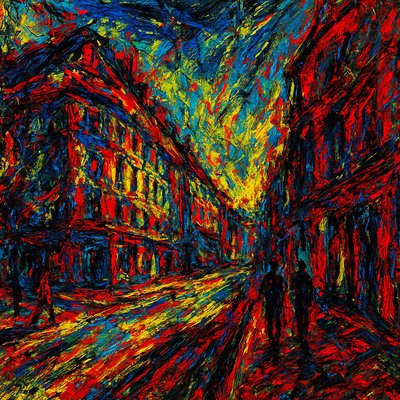
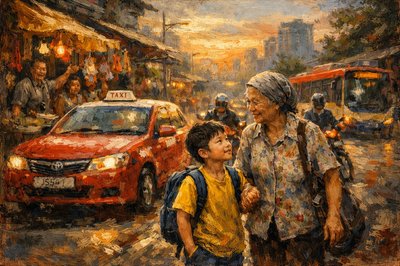
urban street with city activity
serene landscape with mountains and water
A historically accurate and deeply somber depiction of the immediate aftermath of the Wounded Knee Massacre in December 1890. The scene captures the desolate, snow-covered landscape of the Pine Ridge Reservation. Focus on the fallen Lakota men, women, and children, scattered across the snow, their bodies still and tragic. A few surviving individuals are shown in postures of profound grief or shock, perhaps tending to the wounded. The distant presence of U.S. soldiers, heavily armed, stands as a stark and cold counterpoint to the devastation. The atmosphere is one of profound sorrow, loss, and the brutal silence of winter. The lighting is cold and muted, emphasizing the harshness of the environment and the tragedy of the event. The artistic style should be a realistic, painterly approach, evoking the historical period with unflinching honesty but without graphic sensationalism. The intent is to serve as a memorial to the victims and a historical testament to the tragic event."
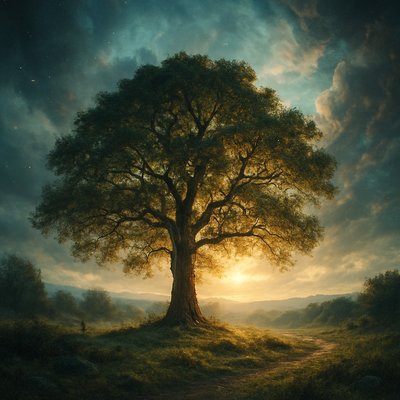
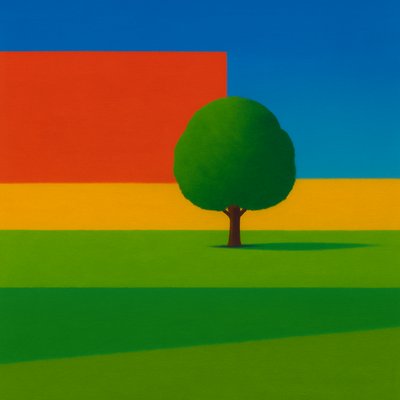
a tree in nature
portrait of two people together
A koi pond seen from above, orange and white koi fish swimming among lily pads, clear water with subtle ripples, fallen cherry blossom petals floating on the surface, dappled sunlight
A majestic and awe-inspiring depiction of one of the twelve gates of the New Jerusalem, as described in Revelation 21:21, with an intense emphasis on the pearl. The gate itself is monumental, fashioned entirely from a single, colossal, luminous pearl, radiating an otherworldly, soft, iridescent glow. The pearl's surface exhibits incredible detail, showing subtle layers, mother-of-pearl sheen, and a perfect, smooth, spherical quality even in its flat gate form.

The gate stands open, revealing a glimpse of the glorious city within – a city made of pure gold, as transparent as glass, with streets of pure gold like transparent glass. Brilliant, divine light streams from within the city, casting ethereal glows and soft shadows. The architecture seen beyond the gate is grand and heavenly, hinting at impossible beauty.

The surroundings of the gate are similarly divine but serve to highlight the pearl: perhaps the foundations are adorned with precious stones as described in Revelation 21:19-20, or the approach to the gate is paved with the transparent gold. The sky above is a glorious, clear, and vibrant heavenly blue, possibly hinting at the glory of God. The lighting is transcendent and soft, emphasizing the pearl's luminous quality and its immaculate perfection. The overall mood is one of profound sanctity, overwhelming beauty, divine welcome, and immense glory.
"Uriel, the Angel of Light and Wisdom from the Book of Enoch, a majestic celestial guide, standing amidst swirling cosmic dust and ethereal nebulae. His form radiates intense, pure light. He gestures towards a hidden cosmic mechanism, revealing ancient knowledge, holding a flaming orb of pure light. Robes of deep sapphire blue and radiant gold, adorned with ancient symbols. Serene, knowing face, eyes glimmering with cosmic insight. Behind him, celestial gears and the fiery essence of the sun. Hyperrealistic digital painting, divine luminosity, epic detailed, cinematic lighting, cosmic gradients."
A serene and rustic autumn landscape, featuring an aged John Deere farm implement (a seeder or planter) in the foreground. The old machinery retains its weathered green and rust colors but is now positioned amidst a carpet of vibrant fallen autumn leaves in shades of gold, orange, and russet.

The large, leafy trees in the middle ground, which were green in the original image, are now transformed into glorious specimens of fall foliage, displaying brilliant yellows, fiery oranges, and deep reds. The distant field shows hints of freshly turned earth or dry, golden stubble. In the background, the small house with the blue roof remains, nestled amongst a dense forest that is also ablaze with autumn colors.

The sky is a clear, bright autumn blue, with warm, golden sunlight characteristic of a pleasant fall day, casting gentle shadows and highlighting the rich textures of the old equipment, the tree bark, and the colorful leaves. The overall mood is one of peaceful rural charm, autumnal beauty, and the quiet dignity of farm life as the seasons change.
serene landscape with mountains and water
Seamless triptych artwork, continuous scene flowing left to right, left panel shows a palomino horse in the foreground on the far left side of the scene walking down a grassy slope toward a reflective teal-blue river in the Scottish Highlands with rocks and ferns around its hooves, center panel continues the same landscape as the horse now appears in the midground at the center of the scene standing at the river’s edge drinking from the reflective water beside ancient moss-covered stone ruins, right panel continues the scene as the horse appears far away in the distance on the far right side of the scene following the riverbank toward steep mist-covered mountains with dramatic sunlight breaking through the clouds, unified natural palette of greens golds and reflective teal blues, consistent cinematic lighting, shared horizon line, smooth uninterrupted left-to-right visual flow with no panel separation.
"A historically accurate depiction of a Ghost Dance, focusing on the late 19th-century context, specifically around 1890-1891. The scene shows Lakota (Sioux) or Northern Paiute people (specify one or include elements of both, but avoid anachronisms) participating in the ceremony.

Setting: A vast, open prairie or high desert landscape, under an expansive sky. The time of day could be dusk or night, with a prominent moon or stars, or a bright, clear day. Avoid overtly spiritual or ethereal elements like floating spirits unless explicitly requested for a later, more symbolic iteration. The focus should be on the earthly ceremony.

Participants: A circle of men, women, and children, hand-in-hand, moving in a slow, rhythmic shuffle or circular motion. Their faces show a mixture of devotion, hope, and determination. Some may have expressions of trance or deep concentration.

Attire:

    Ghost Dance Shirts/Dresses: Emphasize the unique Ghost Dance shirts and dresses, which were typically made of muslin or canvas. These garments should feature painted designs such as stars, crescents, birds (especially eagles or crows), buffalo, human figures, or crosses. The designs should appear hand-painted, not mass-produced.

    Hair and Adornments: Participants should have braided hair or wear it long. Some may wear feathers (e.g., eagle or hawk feathers) in their hair. Minimal traditional adornments, as the focus was often on the Ghost Dance shirt itself. Avoid overly elaborate or Hollywood-esque depictions of war bonnets unless relevant to a specific individual and context.

    Footwear: Moccasins or bare feet.

Action/Atmosphere:

    The dancers are moving in a counter-clockwise circle, with a central figure or a small group often leading.

    The overall mood is one of earnest prayer and communal spiritual effort. The dance should convey a sense of hope for renewal and the return of the old ways, rather than aggression or despair.

    There might be a central pole or small fire as a focal point, around which the dance takes place.

    Avoid any signs of direct conflict or violence; the Ghost Dance itself was a non-violent spiritual movement.

Specific Considerations for Accuracy:

    Wovoka's Influence: The teachings of Wovoka (the Northern Paiute prophet) emphasized peace, hard work, and the return of the buffalo and deceased ancestors. The scene should subtly reflect this hopeful, redemptive spirit.

    Regional Variations: If focusing on Lakota, consider their specific interpretations, which sometimes included more imagery related to their warrior traditions on the shirts, but still within the peaceful framework of the dance.

    Respectful Portrayal: Ensure the depiction is respectful and avoids any stereotypical or caricatured representations of Indigenous people. Focus on their human dignity and spiritual sincerity.
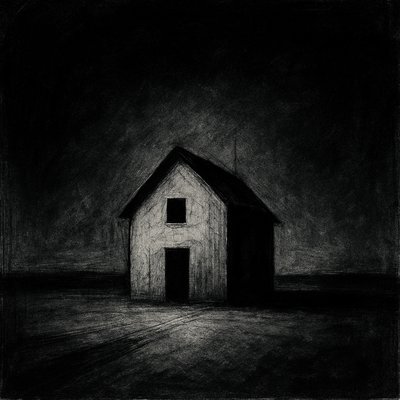
house with front view
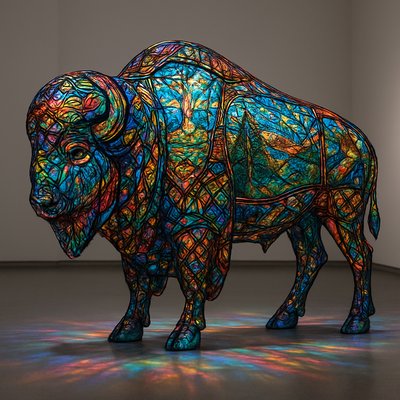
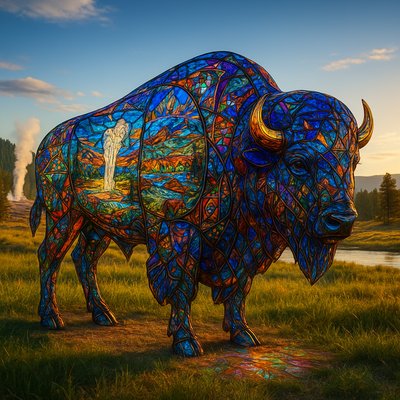
    A breathtaking, full-size artistic sculpture of a standing buffalo, rendered entirely in the style of intricate, luminous glass art, reminiscent of the painted buffalo installations found in West Yellowstone. The Buffalo is standing in the nature of Yellowstone National Park. The buffalo's form is composed of countless individual pieces of vibrant, multifaceted stained glass or fused glass, meticulously cut, arranged, and joined, creating a cohesive and majestic shape.

    Instead of traditional paint, the entire surface of this glass buffalo is adorned with various miniature, finely detailed scenes and patterns etched, painted, or embedded within the glass itself, or created by the unique coloration and texture of the glass pieces. These scenes could depict:

        Western landscapes: Yellowstone's geysers, mountain ranges, pine forests, rivers.

        Wildlife: Elk, bears, wolves, eagles (in glass).

        Native American art motifs: Geometric patterns, symbols, and figures (also rendered in glass).

        Historical moments: Subtle nods to early explorers or iconic figures (stylized in glass).

    The buffalo's interior is subtly illuminated, causing the entire sculpture to glow from within. Light catches every facet of the glass, creating a dazzling play of refracted colors and intricate shadows on the ground around it. The background is a clean, modern art gallery setting with soft, focused lighting, allowing the buffalo to be the sole, radiant centerpiece. The atmosphere is one of awe, wonder, and appreciation for artistic craftsmanship and the spirit of the American West, reimagined through a unique, luminous medium. The artistic style is hyper-realistic, emphasizing the detailed texture, transparency, and brilliant light play inherent in glass art."

a painting of a man standing in the water
Slice of life scene
a tree in nature
house with front view
A serene and majestic watercolor painting, capturing the essence of a grand, towering evergreen tree (like the dominant one in the provided image) standing proudly in a sun-dappled, open forest glade. The tree's deep green needles are rendered with varying washes, showcasing its immense height and full, tiered branches that reach towards a partly cloudy, bright blue sky.

In the foreground and around the base of this glorious tree, two or three graceful mule deer are depicted. One might be grazing peacefully, another looking up towards the viewer with its large, expressive ears, and a fawn possibly tucked nearby. Their coats are rendered in soft, earthy watercolor tones of grey-brown, with delicate highlights and shading to suggest their gentle forms and distinctive white rumps and tails.

The surrounding landscape features a subtle ground cover of dry grasses and scattered undergrowth, characteristic of a high-desert or mountain forest floor, painted with soft, blended washes of ochre, sage green, and light brown. The sky above is a classic watercolor blend of soft blues and wispy white clouds. The overall mood is one of tranquil natural beauty, quiet majesty, and a harmonious coexistence of wildlife and ancient trees, rendered with the flowing, luminous quality of watercolor art loose watercolor style, vibrant yet soft washes, visible brushstrokes, luminous transparency, natural light, serene atmosphere
portrait of two people together
Historical battle scene with emotional intensity in the art style of Romanticism --v 6.1
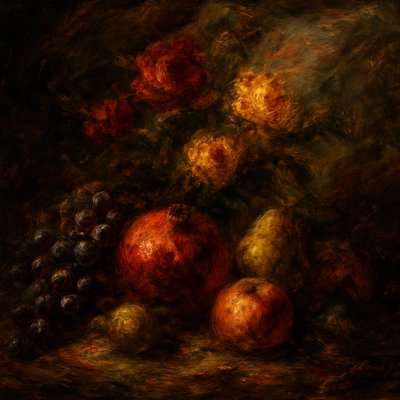
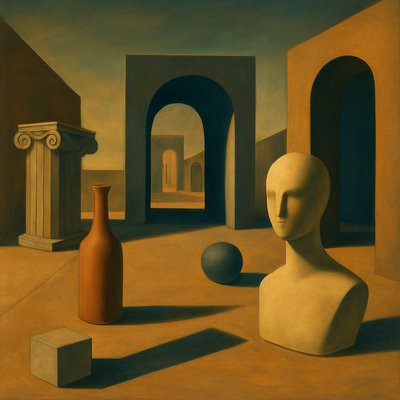
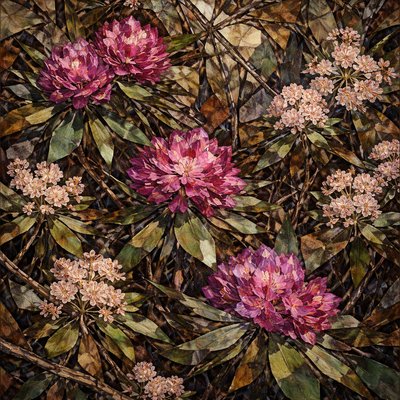
still life arrangement of fruits and flowers
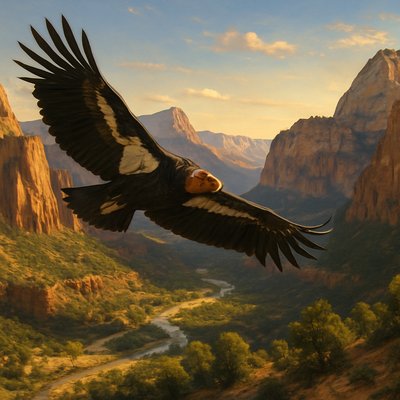
animal standing in natural pose
A koi pond seen from above, orange and white koi fish swimming among lily pads, clear water with subtle ripples, fallen cherry blossom petals floating on the surface, dappled sunlight
a girl sitting on a rock looking at the sea with a big ship with red sails on the horizon
A koi pond seen from above, orange and white koi fish swimming among lily pads, clear water with subtle ripples, fallen cherry blossom petals floating on the surface, dappled sunlight
A serene and majestic watercolor painting, capturing the essence of a grand, towering evergreen tree (like the dominant one in the provided image) standing proudly in a sun-dappled, open forest glade. The tree's deep green needles are rendered with varying washes, showcasing its immense height and full, tiered branches that reach towards a partly cloudy, bright blue sky.

Around the base of this glorious tree, two or three graceful mule deer are depicted. One might be grazing peacefully, another looking up towards the viewer with its large, expressive ears, and a fawn possibly tucked nearby. Their coats are rendered in soft, earthy watercolor tones of grey-brown, with delicate highlights and shading to suggest their gentle forms and distinctive white rumps and tails.

The surrounding landscape features a subtle ground cover of dry grasses and scattered undergrowth, characteristic of a high-desert or mountain forest floor, painted with soft, blended washes of ochre, sage green, and light brown. The sky above is a classic watercolor blend of soft blues and wispy white clouds. The overall mood is one of tranquil natural beauty, quiet majesty, and a harmonious coexistence of wildlife and ancient trees, rendered with the flowing, luminous quality of watercolor art."
wide landscape with natural scenery
"Photorealistic image of a red fox pup and a hound puppy, nuzzling gently, sharing an innocent gaze. Set in a sun-dappled forest clearing with soft moss and wildflowers. Warm, golden-hour lighting. Emphasize tenderness, trust, and youthful affection. Highly detailed fur textures. Evokes the movie 'The Fox and the Hound' but with real animals.
A historically accurate and atmospheric depiction of the signing of the Mayflower Compact aboard the ship in November 1620. The scene is set in the dimly lit, cramped cabin of the Mayflower, with the ship's timbers and rigging subtly visible, conveying the challenging conditions of the voyage. A simple table or chest serves as the signing surface. The primary focus is on a small group of the last individuals signing the document: specifically, the indentured servants (or 'strangers' not directly part of the Separatist congregation) approaching or at the table. Their expressions show a mix of weary determination, understanding of the necessity, and perhaps a hint of quiet apprehension or resignation to this new social contract, given their status. They are dressed in the plain, practical clothing typical of 17th-century commoners and laborers. Figures of prominent Pilgrims or 'Saints' (like William Bradford or John Carver) are visible in the background, observing the proceedings with a sense of gravity and leadership, but they are not the central focus. The lighting is low and warm, perhaps from a lantern, creating a chiaroscuro effect that highlights the faces of the signers. The atmosphere conveys the momentousness of the act under difficult circumstances, the diverse composition of the group, and the early seeds of self-governance in a new world. The artistic style is a realistic, historically detailed oil painting, capturing the solemnity and human element of this pivotal historical moment."

Nature Photography Style, Romantic Naturalism Painting, a breathtaking, incredibly detailed scene deep within the primeval forests of Russia's Amur-Ussuri region. A massive, powerful female Amur Tiger with thick, pale orange and dark striped fur rests on a moss-covered rocky outcrop, watching over her two playful cubs who are batting at the air. The scene is absolutely swarming with hundreds of Red Admiral butterflies (distinct black wings with vibrant orange-red bands and white spots). The butterflies form swirling clouds, landing gently on the tigers' fur, their noses, and the surrounding lush ferns and Korean pine branches. The forest floor is dense with undergrowth, lichen, and a clear, cold stream nearby. The lighting is dappled golden hour sunlight filtering through a canopy of birch and ancient oak trees, creating a magical, serene atmosphere. Focus on the texture of the thick tiger fur and the delicate wings of the butterflies.
a painting of a shirtless man in a dark room
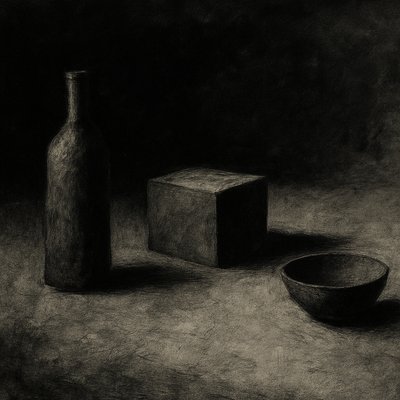
still life with everyday objects
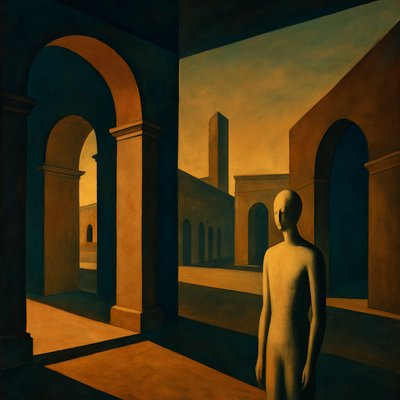
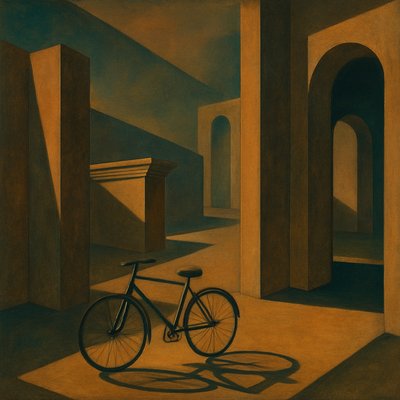
Minimalist Abstract Art Style Style Transfer Example
A koi pond seen from above, orange and white koi fish swimming among lily pads, clear water with subtle ripples, fallen cherry blossom petals floating on the surface, dappled sunlight
"Photorealistic image of a red fox pup and a hound puppy, in playing together in a romp.. Set in a sun-dappled forest clearing with soft moss and wildflowers. Warm, golden-hour lighting. Emphasize tenderness, trust, and youthful affection. Highly detailed fur textures. Evokes the movie 'The Fox and the Hound' but with real animals.