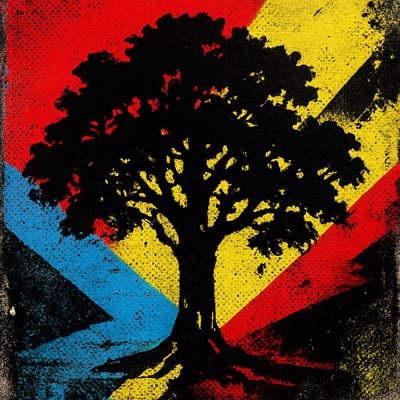
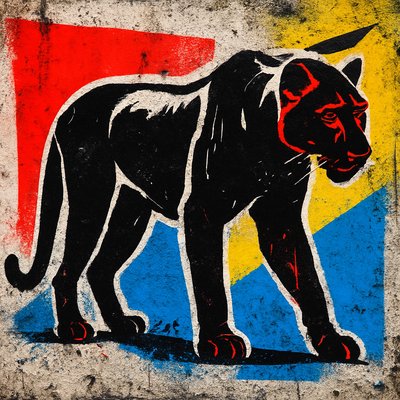
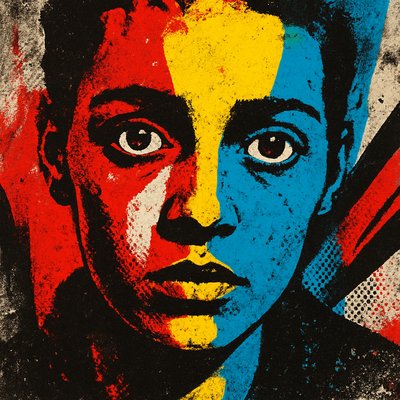
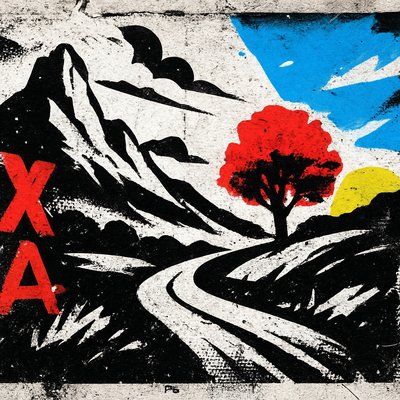
Pop Art Still Life Art Style Style Transfer Example Art

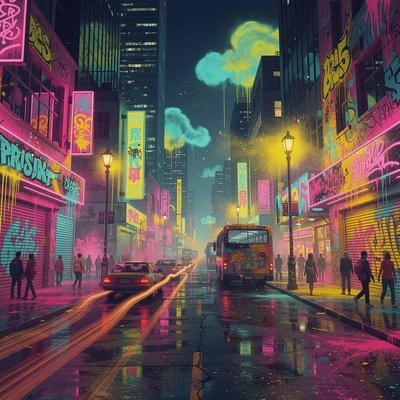
Innocent portrayal of urban life with vibrant details in the art style of Naive Art --v 6.1
Ceramic piece with undulating, life-like surfaces in the art style of Biomorphism --v 6.1
Everyday life of Mexican people in vibrant colors in the art style of Mexican Muralism --v 6.1
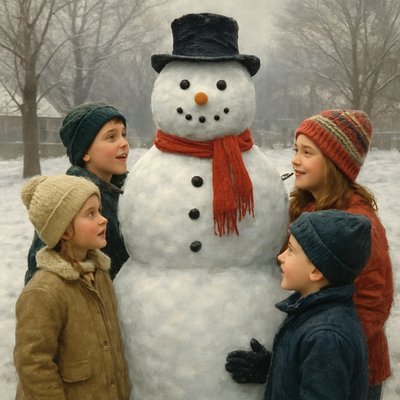
A Norman Rockwell style magazine style winter scene of a fully built snowman with children all around it, admiring their creation.
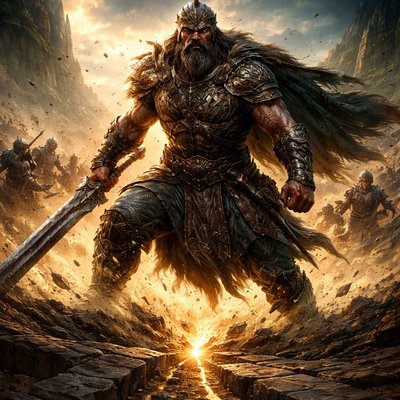
"A hyper-realistic, cinematic portrait of Zelek the Ammonite, one of King David’s elite 'Mighty Men.' He is a towering figure with a weathered, fierce expression, wearing ancient Near Eastern bronze-and-iron scale armor with heavy leather straps. He stands in a stance of immense power, holding a massive, jagged-edged broadsword or a heavy iron-headed spear. The background is a battlefield where he has literally 'broken' through the enemy line—visualized as a physical fissure or crack in the earth radiating from his feet (Baal-perazim style). The enemy 'host' is seen scattering and dissolving in his wake, depicted as shadowy figures falling back into a golden, dusty haze. Art Style: Gritty biblical realism blended with epic 2026 digital concept art; heavy emphasis on texture (hammered metal, scarred skin, desert sand), deep shadows, and high-contrast volumetric lighting. 8K resolution, wide-angle lens, masterpiece quality
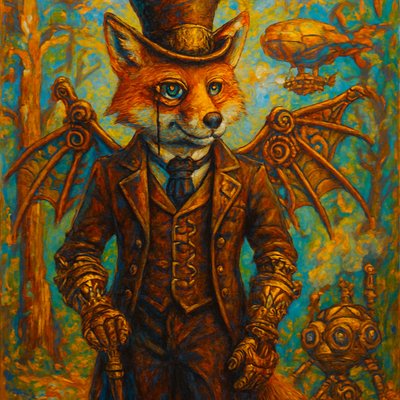
anthropomorphic coyote in a tailored Victorian suit, wearing a brass-trimmed top hat and monocle, steampunk style, intricate mechanical accessories, standing in a forest with copper pipes and gear-laced trees, full body portrait, Vibrant Colors, heavy oil paint impasto, in the style of Peter Max with Mary Blair aspects.
Geometric skull with roses
Busy urban city street
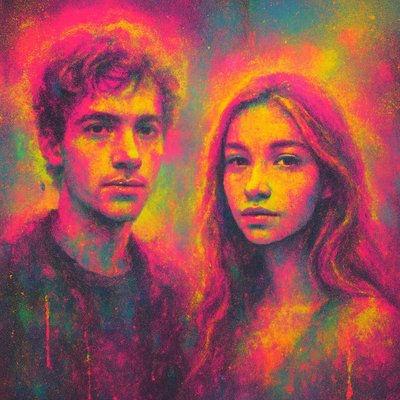
portrait of two people together
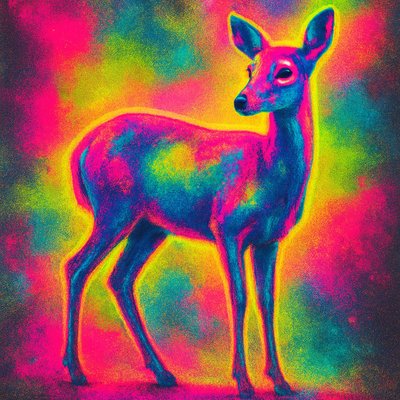
animal standing in natural pose
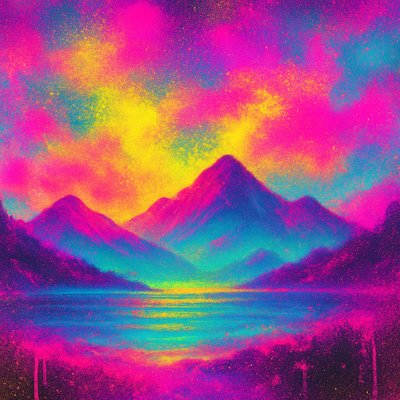
serene landscape with mountains and water
Earth and branches installation
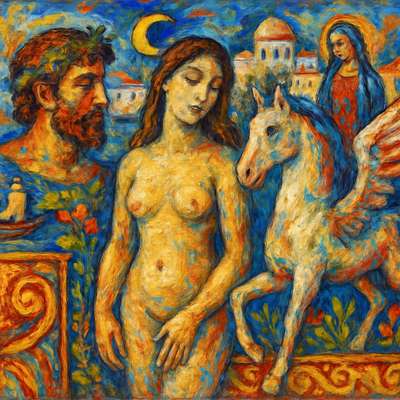
Mythological fragment
Hot cup of coffee
a tree in nature
animal standing in natural pose
portrait of a person with expressive eyes
Landscape
Magical cat series figure
Druid at stone circle
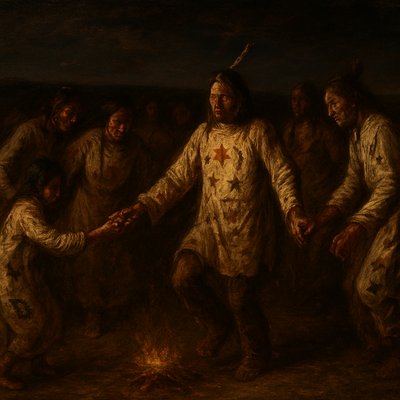
"A historically accurate depiction of a Ghost Dance, focusing on the late 19th-century context, specifically around 1890-1891. The scene shows Lakota (Sioux) or Northern Paiute people (specify one or include elements of both, but avoid anachronisms) participating in the ceremony.

Setting: A vast, open prairie or high desert landscape, under an expansive sky. The time of day could be dusk or night, with a prominent moon or stars, or a bright, clear day. Avoid overtly spiritual or ethereal elements like floating spirits unless explicitly requested for a later, more symbolic iteration. The focus should be on the earthly ceremony.

Participants: A circle of men, women, and children, hand-in-hand, moving in a slow, rhythmic shuffle or circular motion. Their faces show a mixture of devotion, hope, and determination. Some may have expressions of trance or deep concentration.

Attire:

    Ghost Dance Shirts/Dresses: Emphasize the unique Ghost Dance shirts and dresses, which were typically made of muslin or canvas. These garments should feature painted designs such as stars, crescents, birds (especially eagles or crows), buffalo, human figures, or crosses. The designs should appear hand-painted, not mass-produced.

    Hair and Adornments: Participants should have braided hair or wear it long. Some may wear feathers (e.g., eagle or hawk feathers) in their hair. Minimal traditional adornments, as the focus was often on the Ghost Dance shirt itself. Avoid overly elaborate or Hollywood-esque depictions of war bonnets unless relevant to a specific individual and context.

    Footwear: Moccasins or bare feet.

Action/Atmosphere:

    The dancers are moving in a counter-clockwise circle, with a central figure or a small group often leading.

    The overall mood is one of earnest prayer and communal spiritual effort. The dance should convey a sense of hope for renewal and the return of the old ways, rather than aggression or despair.

    There might be a central pole or small fire as a focal point, around which the dance takes place.

    Avoid any signs of direct conflict or violence; the Ghost Dance itself was a non-violent spiritual movement.

Specific Considerations for Accuracy:

    Wovoka's Influence: The teachings of Wovoka (the Northern Paiute prophet) emphasized peace, hard work, and the return of the buffalo and deceased ancestors. The scene should subtly reflect this hopeful, redemptive spirit.

    Regional Variations: If focusing on Lakota, consider their specific interpretations, which sometimes included more imagery related to their warrior traditions on the shirts, but still within the peaceful framework of the dance.

    Respectful Portrayal: Ensure the depiction is respectful and avoids any stereotypical or caricatured representations of Indigenous people. Focus on their human dignity and spiritual sincerity.
Portrait
Landscape
Skyscraper with golden crown
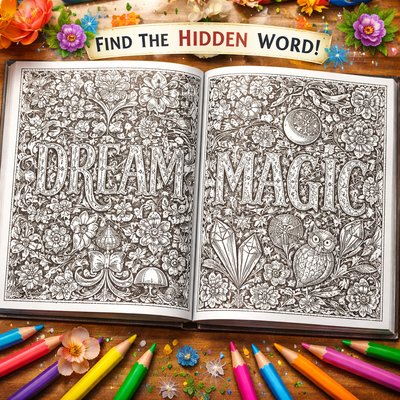
Adult coloring book
A koi pond seen from above, orange and white koi fish swimming among lily pads, clear water with subtle ripples, fallen cherry blossom petals floating on the surface, dappled sunlight
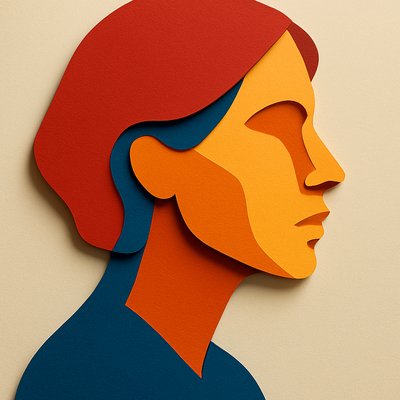
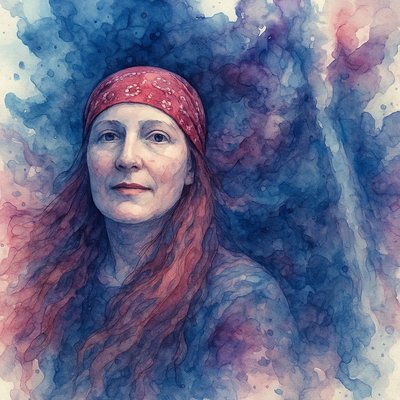
a painting of a woman with red hair
a woman wearing glasses and a brown hat
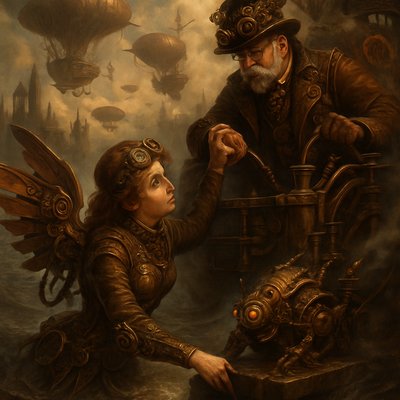
Please remake the image of the famous painting "THE HELPING HAND" by Renouf in steampunk fantasy style.
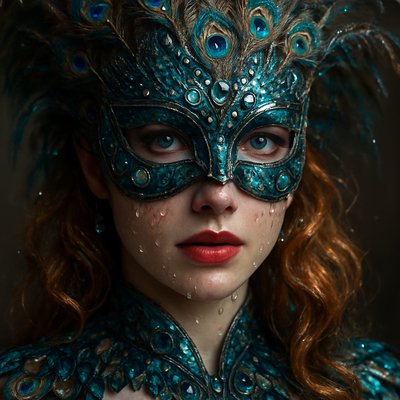
A lady with strawberry blonde hair with a peacock style masquerade costume
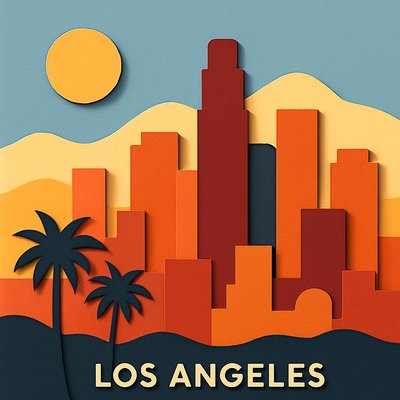
Los Angeles
Heartwarming scene of everyday life with quirky details in the art style of Naive Art --v 6.1
Innocent portrayal of urban life with vibrant details in the art style of Naive Art --v 6.1
Everyday life of Mexican people in vibrant colors in the art style of Mexican Muralism --v 6.1
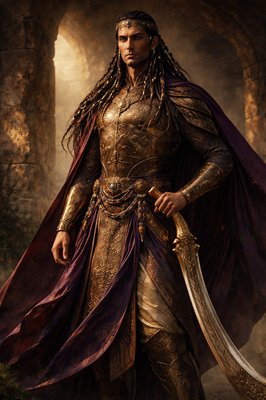
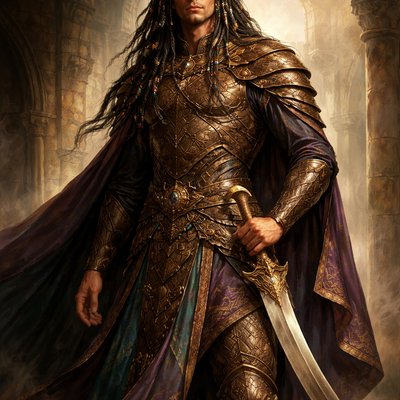
Style: A detailed, photorealistic character portrait in the style of high-fantasy historical cinema, focusing on texture, armor design, and facial structure.

The Subject: A full-body portrait of a single Gibeonite lord. He is a figure of imposing, "giant" stature, standing significantly taller than an average human (suggesting 7+ feet), but his proportions are lithe, graceful, and powerful rather than bulky or brutish.

Facial Features & Expression: He possesses a noble, almost ageless bearing reminiscent of an Elven lord, translated into ancient Near Eastern features. He has high, sculpted cheekbones, a strong aquiline nose, and intense, deep-set eyes that convey a calculating intelligence and ancient dignity. His expression is calm, watchful, and confident.

Hair & Adornment: His long, dark hair is elaborately and precisely braided, woven with hammered bronze rings and polished beads of carnelian and lapis lazuli.

Attire & Armor: He is dressed in attire that demonstrates advanced craftsmanship and sophistication. He wears a fitted breastplate of polished bronze, richly engraved with complex, swirling Canaanite motifs (stylized lions, gryphons, and geometric patterns). Beneath the armor, a tunic dyed deep Tyrian purple shows through.

Weapons: At his hip hangs a massive, curved khopesh sword, scaled to his immense height, with a hilt carved from hippopotamus ivory and inlaid with gold.

Pose & Lighting: He stands in a relaxed but formidable pose of authority, one hand resting on his sword hilt. The lighting is golden hour sunlight, catching the metallic sheen of the bronze armor and the intelligence in his eyes against a neutral, out-of-focus textured stone background.
Style: A detailed, photorealistic character portrait in the style of high-fantasy historical cinema, focusing on texture, armor design, and facial structure.

The Subject: A full-body portrait of a single Gibeonite lord. He is a figure of imposing, "giant" stature, standing significantly taller than an average human (suggesting 7+ feet), but his proportions are lithe, graceful, and powerful rather than bulky or brutish.

Facial Features & Expression: He possesses a noble, almost ageless bearing reminiscent of an Elven lord, translated into ancient Near Eastern features. He has high, sculpted cheekbones, a strong aquiline nose, and intense, deep-set eyes that convey a calculating intelligence and ancient dignity. His expression is calm, watchful, and confident.

Hair & Adornment: His long, dark hair is elaborately and precisely braided, woven with hammered bronze rings and polished beads of carnelian and lapis lazuli.

Attire & Armor: He is dressed in attire that demonstrates advanced craftsmanship and sophistication. He wears a fitted breastplate of polished bronze, richly engraved with complex, swirling Canaanite motifs (stylized lions, gryphons, and geometric patterns). Beneath the armor, a tunic dyed deep Tyrian purple shows through.

Weapons: At his hip hangs a massive, curved khopesh sword, scaled to his immense height, with a hilt carved from hippopotamus ivory and inlaid with gold.

Pose & Lighting: He stands in a relaxed but formidable pose of authority, one hand resting on his sword hilt. The lighting is golden hour sunlight, catching the metallic sheen of the bronze armor and the intelligence in his eyes against a neutral, out-of-focus textured stone background.