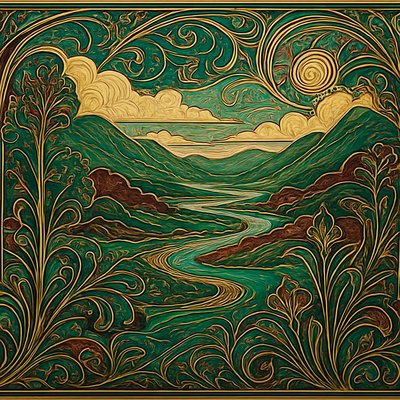
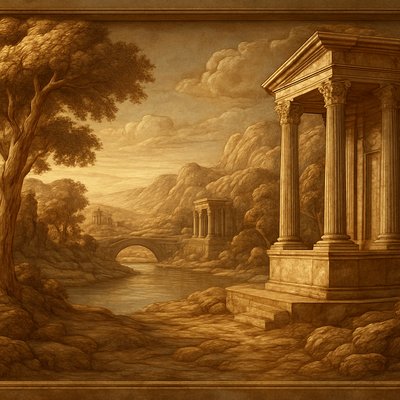
Pointillist Composition Of A Riverside Scene In The Art Style Of Post Impressionism V 6.1 Art

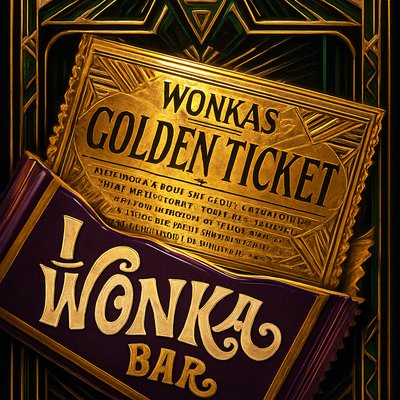
A highly detailed, close-up shot of a Willy Wonka Golden Ticket, partially pulled from a classic Wonka Bar wrapper. The ticket itself is made of shimmering, radiant gold foil, catching and reflecting light in dazzling ways. It features elegant, whimsical typography in a classic, slightly ornate font, clearly stating 'WONKA'S GOLDEN TICKET' and the iconic invitation to the chocolate factory. The edges of the ticket might show slight crinkling or wear from being found. Surrounding the ticket, the vibrant, colorful Wonka Bar wrapper is visible, possibly in shades of purple and white, with the distinctive 'WONKA' logo prominently displayed. The background is a soft, dreamlike blur, suggesting the excitement and wonder surrounding its discovery, perhaps hinting at a magical, candy-filled factory in the distance. The lighting is bright and enchanting, emphasizing the ticket's golden luster."
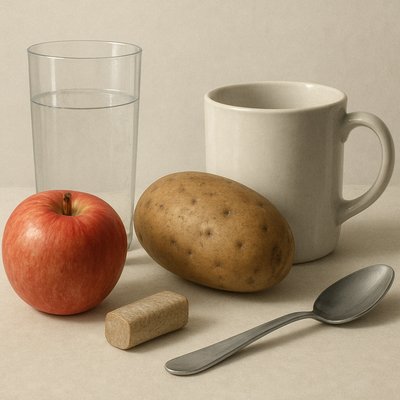
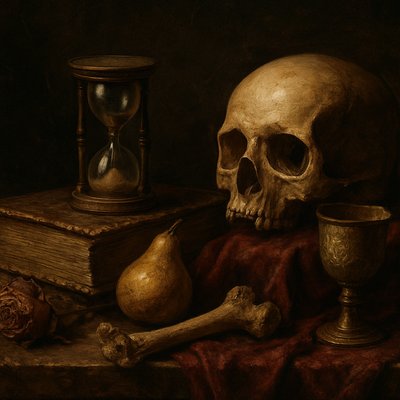
still life with everyday objects
wide landscape with natural scenery
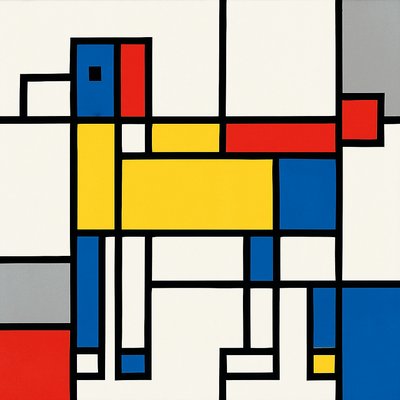
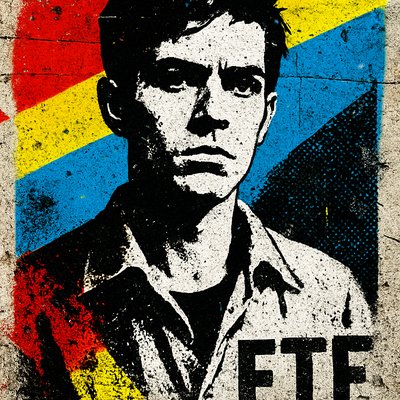
Portrait
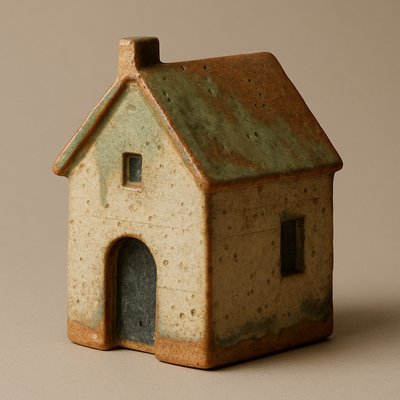
house with front view
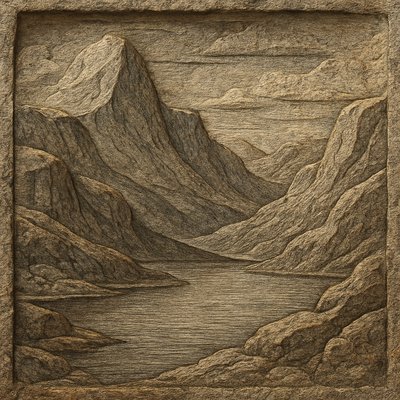
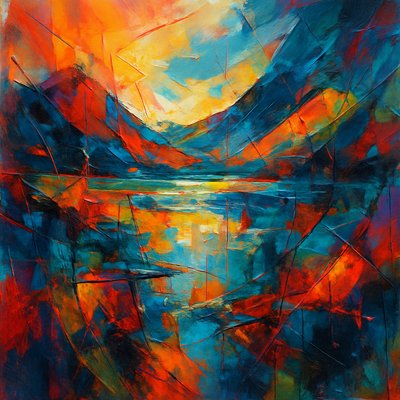
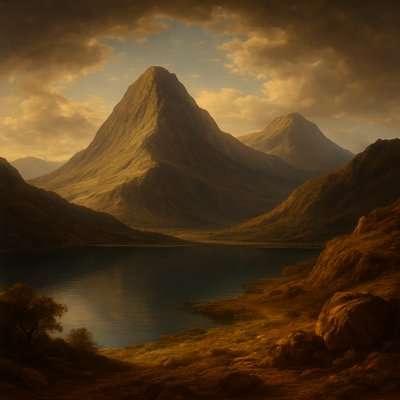
serene landscape with mountains and water
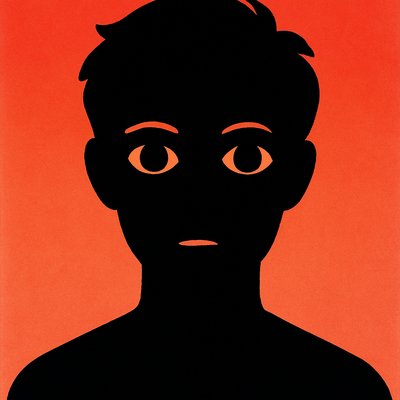
portrait of a person with expressive eyes
a tree in nature
portrait of a person with expressive eyes
serene landscape with mountains and water
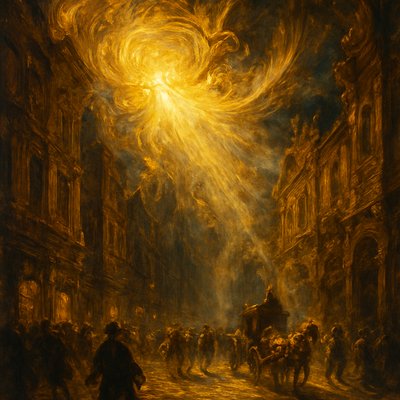
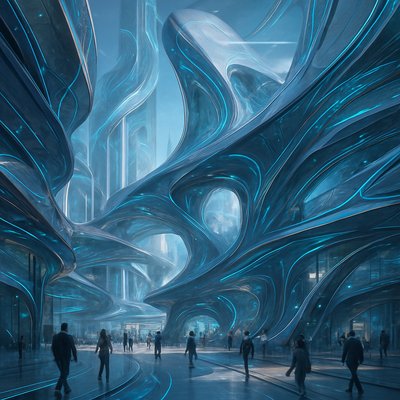
urban street with city activity
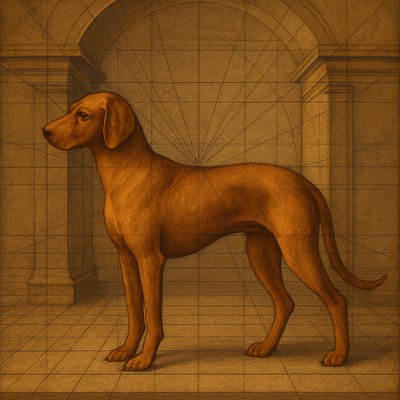
animal standing in natural pose
portrait of a person with expressive eyes
a tree in nature
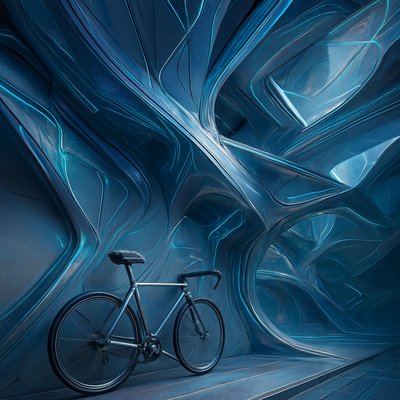
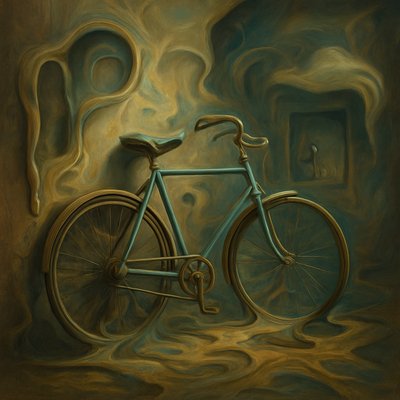
bicyle resting against a wall
urban street with city activity
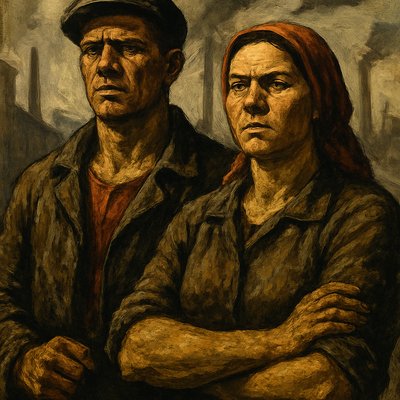
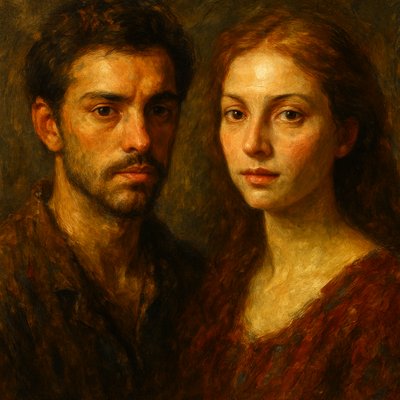
portrait of two people together
house with front view
serene landscape with mountains and water
portrait of two people together
urban street with city activity
still life with everyday objects
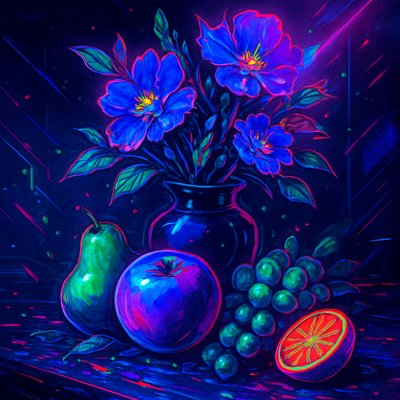
still life arrangement of fruits and flowers
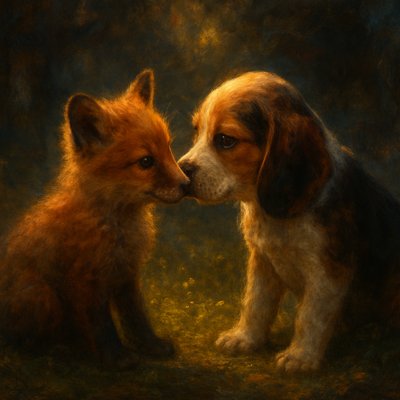
"Photorealistic image of a red fox pup and a hound puppy, nuzzling gently, sharing an innocent gaze. Set in a sun-dappled forest clearing with soft moss and wildflowers. Warm, golden-hour lighting. Emphasize tenderness, trust, and youthful affection. Highly detailed fur textures. Evokes the movie 'The Fox and the Hound' but with real animals.
bicyle resting against a wall
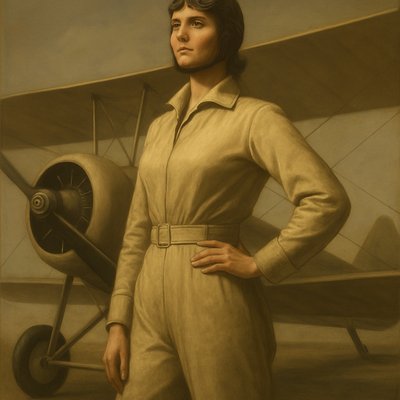
A statuesque, heroic portrait of Lady Mary Bailey (the aviator) standing confidently by her small biplane, the De Havilland Moth.
Style: Neoclassical painting emphasizing idealized forms, clear lines, balanced composition, and muted color palettes (such as marble white, deep blues, and sepia tones). The figures and machine should look elegant and timeless, like a heroic ancient myth.
bicyle resting against a wall
portrait of a person with expressive eyes
serene landscape with mountains and water
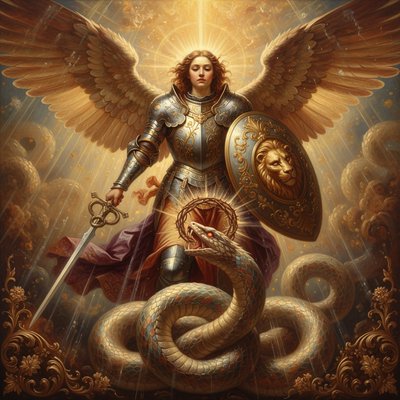
An Angel of God standing with full armor, sword, and shield, with massive wings, in front of a great serpent
bicyle resting against a wall
wide landscape with natural scenery
house with front view
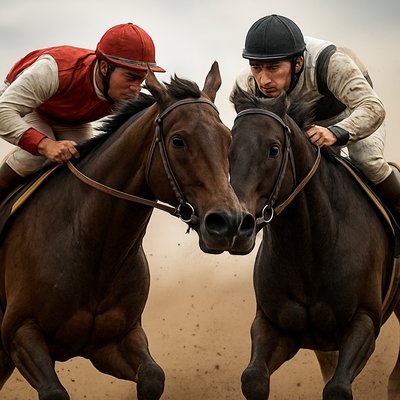
Seabiscuit vs. War Admiral (The Gaze)

    A hyper-realistic, high-resolution photograph capturing the apex of the 1938 match race between Seabiscuit and War Admiral.

    Focus: The composition is tight, showing both horses running neck-and-neck, dominating the frame. The camera angle is side-on and slightly low, emphasizing their size and muscle. The critical focus is on the space between the horses' heads as they are running stride for stride.

    Details: War Admiral (the dark bay) should show determination and slight surprise, with his head stretched out. Seabiscuit (the smaller bay) should display his characteristic "game" look—intense, focused, and seemingly looking directly into War Admiral's eyes (or toward his rival). Both jockeys (Red Pollard or George Woolf for Seabiscuit; Charles Kurtsinger for War Admiral) are visible, leaning low and urging their mounts on.

    Atmosphere: The light should be bright but slightly diffused, suggesting an autumn afternoon at Pimlico. Dust and track debris are kicked up behind them, blurred slightly by the horses' tremendous speed. The image must convey the raw power, intense rivalry, and the exact moment when the smaller horse asserts his dominance.

    Style: Cinematic photography, realistic texture, sharp focus on the horses' eyes and muscle definition.
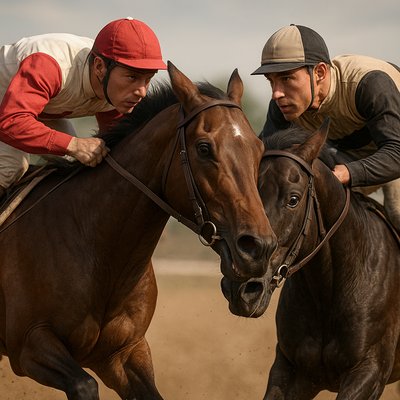
Seabiscuit vs. War Admiral (The Gaze)

    A hyper-realistic, high-resolution photograph capturing the apex of the 1938 match race between Seabiscuit and War Admiral.

    Focus: The composition is tight, showing both horses running neck-and-neck, dominating the frame. The camera angle is side-on and slightly low, emphasizing their size and muscle. The critical focus is on the space between the horses' heads as they are running stride for stride.

    Details: War Admiral (the dark bay) should show determination and slight surprise, with his head stretched out. Seabiscuit (the smaller bay) should display his characteristic "game" look—intense, focused, and seemingly looking directly into War Admiral's eyes (or toward his rival). Both jockeys (Red Pollard or George Woolf for Seabiscuit; Charles Kurtsinger for War Admiral) are visible, leaning low and urging their mounts on.

    Atmosphere: The light should be bright but slightly diffused, suggesting an autumn afternoon at Pimlico. Dust and track debris are kicked up behind them, blurred slightly by the horses' tremendous speed. The image must convey the raw power, intense rivalry, and the exact moment when the smaller horse asserts his dominance.

    Style: Cinematic photography, realistic texture, sharp focus on the horses' eyes and muscle definition.
animal standing in natural pose
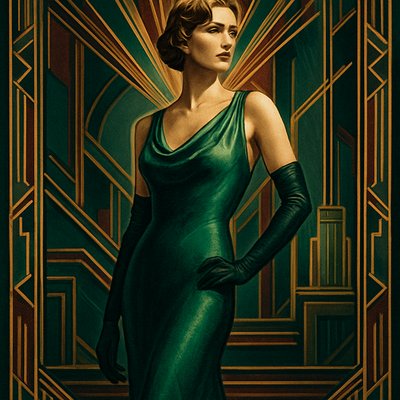
A statuesque woman in high-fashion 1930s glamour, strong Art Deco aesthetic. She wears a bias-cut evening gown of shimmering emerald green silk satin, featuring an elongated, sleek silhouette and a dramatic cowl neck. Her hair is styled in soft, sculpted finger waves. She wears long elegant gloves. The background is a sophisticated Art Deco interior with geometric patterns and polished chrome details, under dramatic lighting. Cinematic photography, classic Hollywood portraiture, hyperrealistic, vintage chic, elegant allure."
portrait of two people together
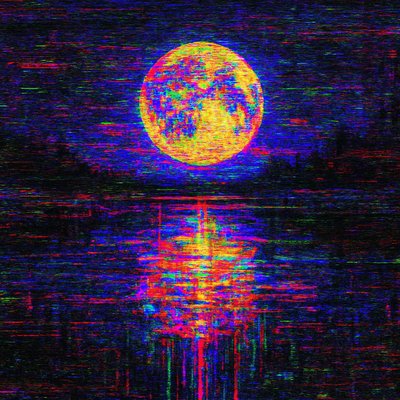
Start with a completely ordinary, even boring photograph of a full moon reflecting over a still lake.
Corrupt it until it no longer resembles its original subject at all, but still somehow feels like it’s haunted by what it used to be. Push the file through at least four different deliberate stages of destruction (e.g. heavy JPEG decay → databend in Audacity → pixel sorting by luminance → extreme RGB channel displacement and offset). Let compression artifacts bloom into impossible colors. Allow entire sections to liquefy and drip downward. Make the metadata scream. The final image should feel like a memory that’s been compressed, encrypted, lost, recovered, and compressed again for twenty years.
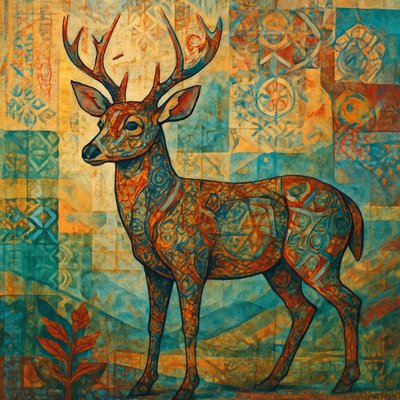
Augmented Reality Contemporary Art Style Style Transfer Example