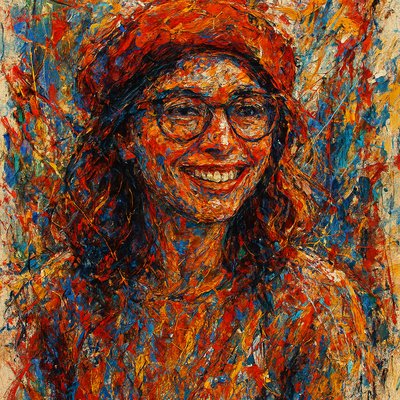
Person With Water Droplets On Face Art

a painting of a man with a sword
a painting of a man holding a ball
a painting of a man holding a sword
a painting of a man with his arms crossed
a painting of a man holding a ball
a painting of a man standing in a doorway
a painting of a man with a towel around his neck
a painting of a man with a towel around his waist
Baroque Art Style Style Transfer Example
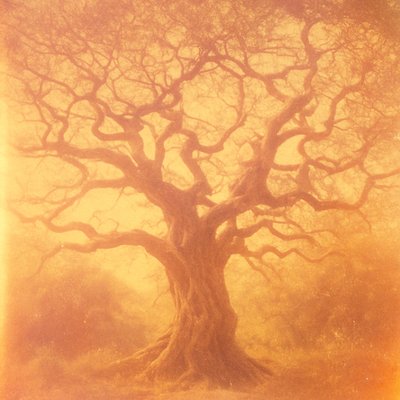
a tree in nature
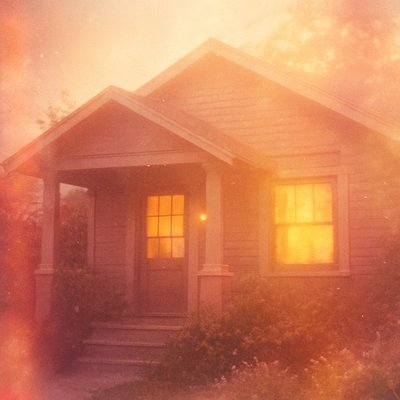
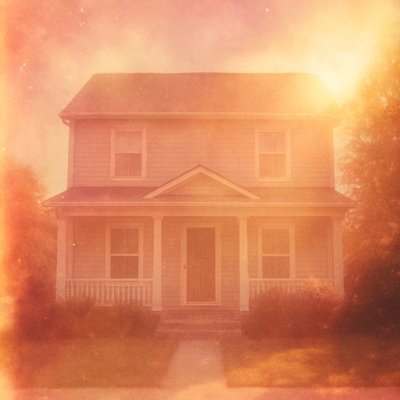
house with front view
Fragmented figure emerging from geometric forms
wide landscape with natural scenery
An awe-inspiring and whimsical scene featuring Willy Wonka's Great Glass Wonkavator, soaring through the sky and beyond the confines of the chocolate factory. The Wonkavator itself is a magnificent, multi-directional glass elevator, transparent and sparkling, with a middle aged Willy Wonka (wearing his iconic top hat, purple coat, and bowtie) and a young Victorian well dressed lady looking out with expressions of joy, wonder and excitement. The interior is filled with intricate buttons and levers for controlling its magical flight. The Wonkavator is depicted in mid-flight, perhaps bursting through the factory roof or ascending above the clouds. Below it, the fantastical landscape of the Chocolate Factory is visible – chocolate rivers, edible gardens, candy cane trees, and various whimsical buildings. Beyond the factory, a stunning, imaginative sky unfolds, perhaps with floating candy clouds, distant fantastical landmarks, or even glimpses of outer space and planets. The lighting is bright and magical, emphasizing the glass's transparency and the vibrant colors of the world below and beyond. The overall mood is one of boundless adventure, limitless possibilities, and pure, joyful fantasy."
An awe-inspiring and whimsical scene featuring Willy Wonka's Great Glass Wonkavator, soaring high above the chocolate factory and ascending into a fantastical sky. The Wonkavator itself is a magnificent, multi-directional glass elevator, transparent and sparkling, with Willy Wonka (in his iconic purple coat and top hat), young Charlie Bucket, and Grandpa Joe clearly visible and enjoying the ride inside. Wonka points excitedly, Charlie looks out with wide-eyed wonder, and Grandpa Joe grins with delight. The interior of the Wonkavator shows intricate, whimsical control panels.

The Wonkavator is depicted in mid-flight, having just burst through the factory roof or rising above the clouds. Below it, the fantastical landscape of the Chocolate Factory is spread out – chocolate rivers, edible gardens, candy cane trees, and various whimsical buildings. Beyond the factory, a stunning, imaginative sky unfolds, filled with floating candy clouds, distant fantastical landmarks, and even glimpses of planets and stars. The lighting is bright and magical, emphasizing the glass's transparency and the vibrant colors of the world below and beyond. The overall mood is one of boundless adventure, limitless possibilities, and pure, joyful fantasy."
a painting of a shirtless man in a red jacket
a painting of a man holding a ball
a painting of a man holding a knife
a painting of a man with his back to the camera
a painting of a man holding a rope
a painting of a man holding a ball
a painting of a man holding a crystal ball
a painting of a man holding a ball
a painting of a man in a brown coat
a painting of a man with a boxing glove
a painting of a man in a vest
a painting of a man holding a ball
a painting of a man in a tank top
a painting of a woman in a red dress
a painting of a man holding a ball
a painting of a man holding a golden ball
a painting of two men standing next to each other
a painting of two naked men standing next to each other
Baroque Art Style Style Transfer Example
Volume 1 – Chapter 1: “Running Away”

Story Points:

Ji Hun is bored and unhappy with his life in the band “Forever.” Inner thoughts reveal his frustration and desire to escape.

He decides to run away; changes his appearance with a ginger curly wig and glasses to hide his identity.

Ji Hun sneaks out, but security guards notice him and start chasing him.

While running, he accidentally bumps into Min Joon, a girl with long curly black hair, wearing a hoodie and baggy jeans. They fall on the ground.

Min Joon helps him up and insists on taking him to her home to relax.

She offers him tea and biscuits; they start talking. Ji Hun lies and says his name is “Jin” and that he is an accountant.

He notices posters of his band “Forever” in her room and realizes she is a fan. Min Joon praises Ji Hun’s voice, making him shy.

Ji Hun talks about never enjoying life; Min Joon promises to teach him how to enjoy life.

Ji Hun hesitates, worried about being recognized, but she reassures him. He agrees to go with her.

Min Joon prepares to take him outside, setting up the transition to Chapter 2 (car ride and amusement park).

Page/Panel Flow Suggestions:

Pages 1–3: Ji Hun’s frustration, morning in the band dorm, decision to escape.

Pages 4–5: Ji Hun changing disguise.

Pages 6–8: Running and being chased by security guards.

Pages 9–12: Collision with Min Joon, first meeting.

Pages 13–16: Min Joon taking him home, tea and biscuits scene.

Pages 17–20: Conversation about Ji Hun’s unhappiness, Min Joon promising to show him joy.
Masterpiece of Japanese fantasy illustration, ultra-detailed, refined high-end aesthetic, majestic horse as a Shōgatsu New Year symbol, complete and graceful form, body adorned with intricate traditional Japanese motifs inspired by kimono textiles and Edo-period patterns, including seigaiha waves, asanoha geometry, and subtle sakura accents, delicate gold leaf and fine metallic ink tracing contours, ultra-fine linework with hand-inked precision, standing against a minimal washi-paper background in soft ivory with muted crimson and ink-black accents, flowing mane and tail with elegant, elongated motion conveying calm strength and forward momentum, mid-shot, front-facing composition, balanced use of negative space, refined textile-like textures, quiet ceremonial atmosphere, 8K resolution, hyper-detailed yet painterly rendering, museum-quality illustration, subtle gold calligraphy text at top reading “2026 年 馬” with a smaller inscription “謹賀新年”, in the style of Japanese ink illustration blended with contemporary fantasy art, delicate line-art, restrained color palette, timeless and elegant