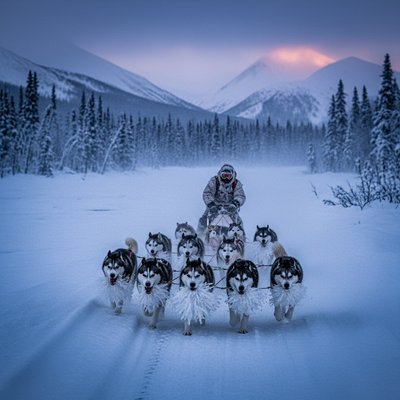
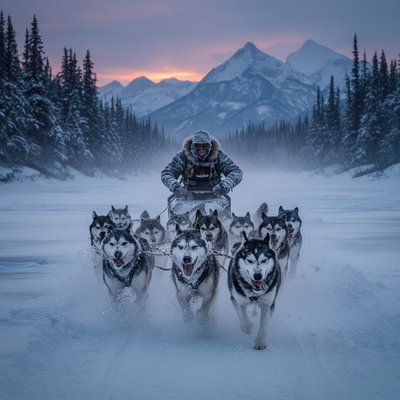
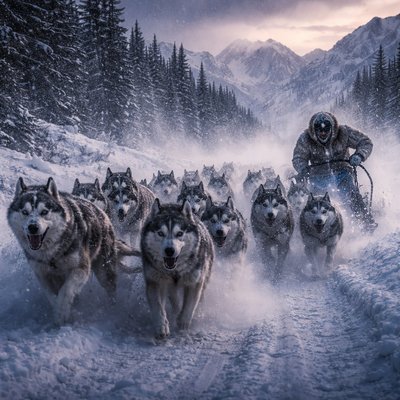
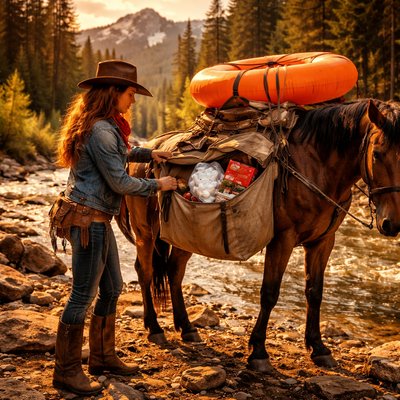
Out Where The River Runs Wild And Free And Only The Brave Dare Row; Where The Rapids Are Deep, And The Challenge Is Fresh And It Art

Glitch Art Style Style Transfer Example
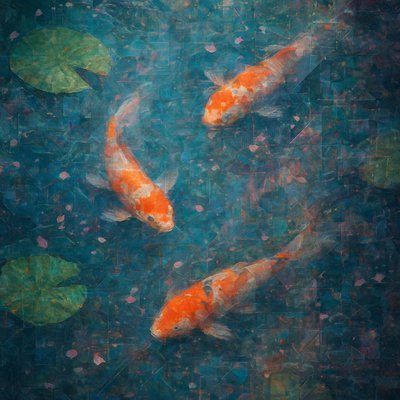
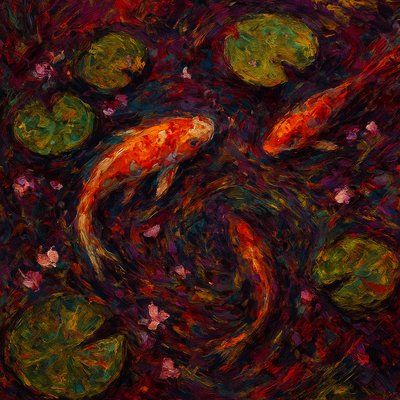
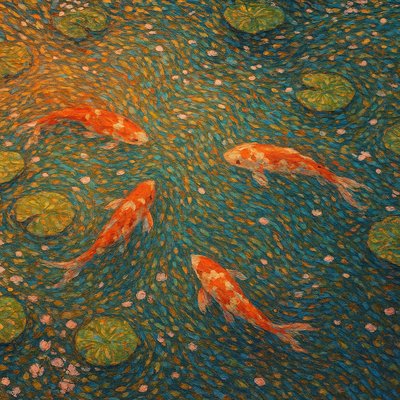
A koi pond seen from above, orange and white koi fish swimming among lily pads, clear water with subtle ripples, fallen cherry blossom petals floating on the surface, dappled sunlight
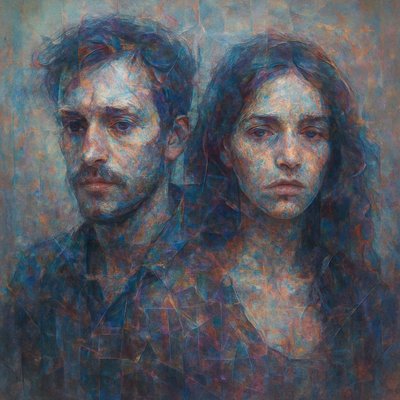
portrait of two people together
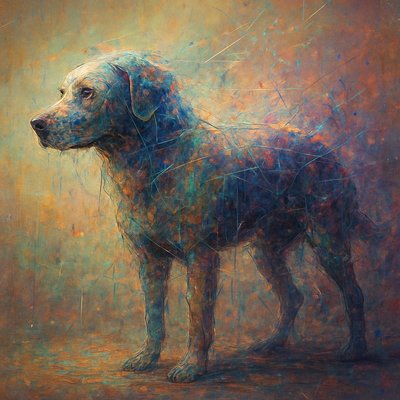
animal standing in natural pose
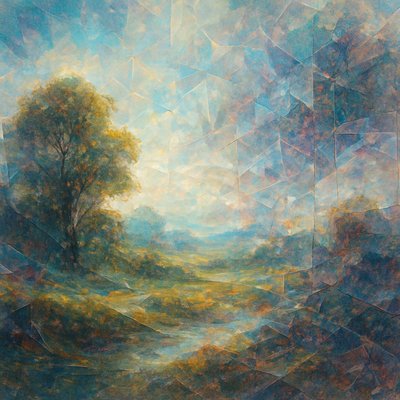
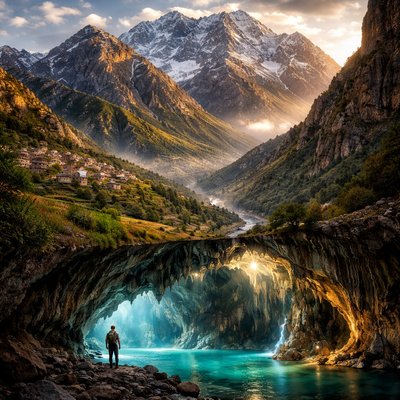
wide landscape with natural scenery
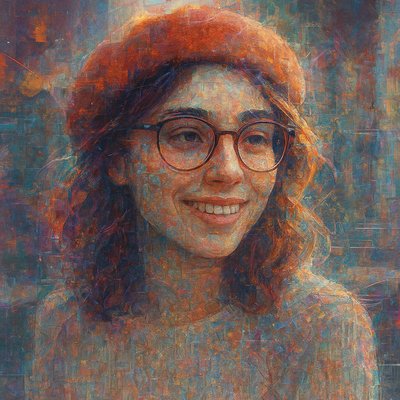
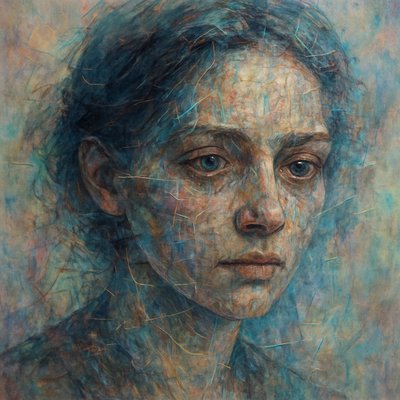
portrait of a person with expressive eyes
At his Grandmother's house in Penang, Wing Sun is seated at a table in the dining room, with the kitchen in view.  Grandmother is sitting at the table telling Wing Sun a story from the Bible.  The house is cozy, and it's raining outside.  There is an air of suspense, but Wing Sun feels safe and secure.
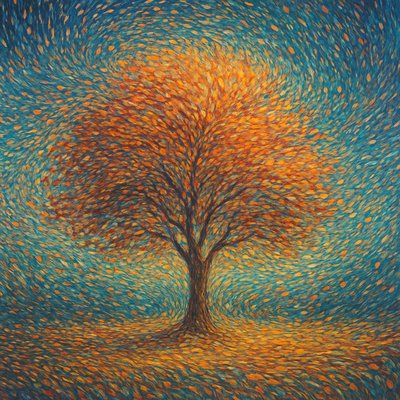
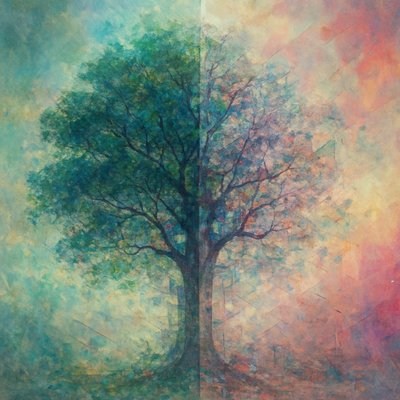
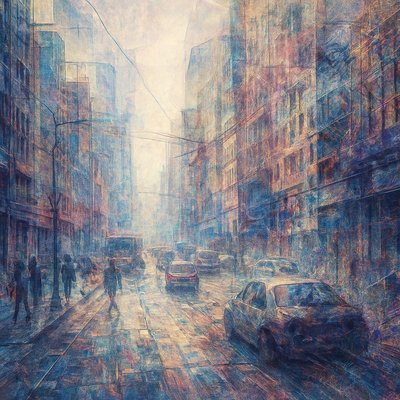
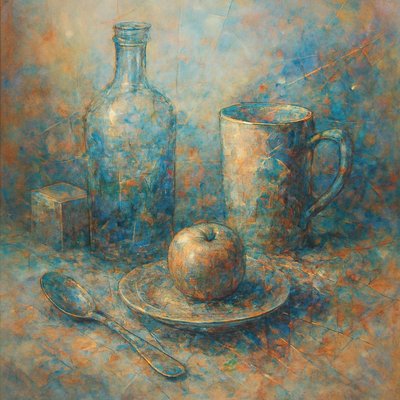
Oil Portrait Art Style Style Transfer Example
a tree in nature
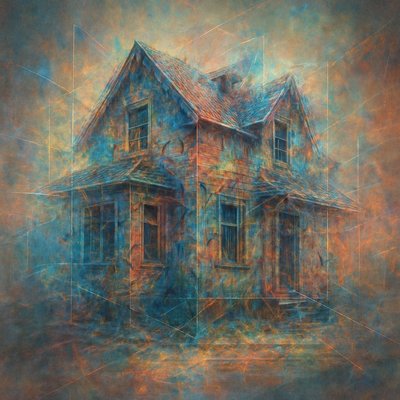
house with front view
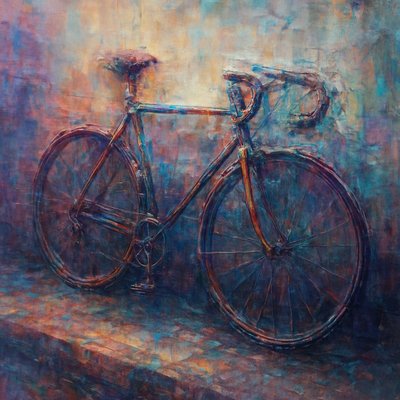
bicyle resting against a wall
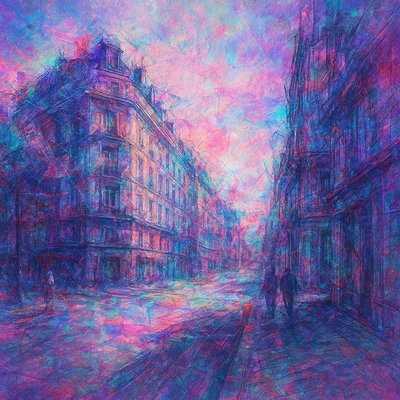
urban street with city activity
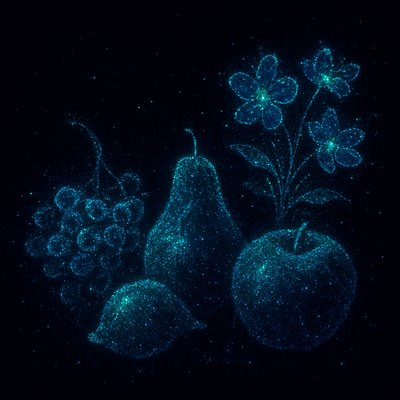
still life with everyday objects
Photorealism Art Style, a magnificent Palm Cockatoo perched majestically on a thick, moss-covered tree branch in its natural environment. Its dramatic, charcoal-black plumage is highlighted, revealing subtle textures, and its distinctive large, fanned crest is partially raised. The bright red cheek patches are vibrant against its dark feathers. The cockatoo is set within a dense, lush tropical rainforest canopy, with vibrant green foliage, exotic leaves, and glimpses of deep jungle shadows in the background. Soft, dappled sunlight filters through the leaves, creating natural highlights on the bird and its surroundings. Focus on intricate feather details, the vivid red of its face, and the rich, humid atmosphere of the rainforest.
Neon-Futurism Digital Art Style, Bioluminescent Sci-Fi Cosmic Setting, High-Action Composition. A cinematic, low-angle "chase camera" view from behind the rider, looking forward into a perilous section of the cosmos.

The Rider & Bike Consistency: The lone motorcyclist—wearing the same sleek, armored suit with integrated helmet—is leaning hard into a sharp, dramatic turn on the same hubless "light-cycle" sportbike from the previous scenes. The bike’s cyan and orange neon rings leave a zigzagging, vibrant light trail on the road as it maneuvers.

The Action: The rider is narrowly evading two colossal, mechanical pincers that have slammed down onto the highway from the sides. Spark-like digital data fragments fly where the pincers missed the bike by mere inches.

The Path (The Ecliptic): The glowing blue laser-grid highway is no longer straight; it is twisting like a scorpion’s tail through a dark, turbulent nebula of deep magenta and toxic green gas.

The Scorpio Presence: Looming in the background, partially obscured by the nebula, is the massive celestial form of Scorpio. It is rendered as a terrifyingly beautiful construct of obsidian-colored geometry and glowing violet circuitry. Its stinger is arched high above the highway, glowing with a dangerous, concentrated golden light, ready to strike the path ahead.

Atmosphere: Intense lighting contrast, with the bike's neon glow and the golden stinger cutting through the dark, moody colors of the Scorpio nebula.
Photorealism Art Style, a magnificent Palm Cockatoo perched majestically on a thick, moss-covered tree branch in its natural environment. Its dramatic, charcoal-black plumage is highlighted, revealing subtle textures, and its distinctive large, fanned crest is partially raised. The bright red cheek patches are vibrant against its dark feathers. The cockatoo is set within a dense, lush tropical rainforest canopy, with vibrant green foliage, exotic leaves, and glimpses of deep jungle shadows in the background. Soft, dappled sunlight filters through the leaves, creating natural highlights on the bird and its surroundings. Focus on intricate feather details, the vivid red of its face, and the rich, humid atmosphere of the rainforest.
Art Style: Cinematic Fantasy Concept Art with heavy Mystical Sci-Fi elements. High contrast, dynamic motion, and intense glowing particle effects.

The Subject: The same woman with extremely long, fiery red hair that floats weightlessly around her, glowing with internal copper light. Her expression is focused and powerful.

The Transformation Action: She is kneeling on rugged ground with arms outstretched. She is wearing a massive, voluminous cloak woven from dark, iridescent fabric that looks like ancient technology mixed with heavy wool.

    The Expansion: The cloak is actively billowing outwards dramatically in a spiral motion, whipped up by energy.

    Material to Energy: The edges of the heavy fabric are visibly dissolving and transmuting into pure, shimmering energy. This expanding energy forms the massive "force field tent" dome around her.

    The Barrier Appearance: The resulting dome is a semi-transparent field of rippling geometric light patterns (amber, gold, and electric blue), just like the previous description.

The Environment & Threat:

    Outside the Dome: A chaotic dust storm filled with jagged debris and shadowy forms is bombarding the newly formed energy shield.

    Inside the Dome: The area immediately around the woman is calm, lit by the warm, intense glow of her transforming cloak. Where the external threat hits the expanding energy, bright sparks and flares erupt on the surface of the barrier
He that toucheth pitch shall be defiled therewith; and he that hath fellowship with a proud man shall be like unto him. (Sirach 13:1)
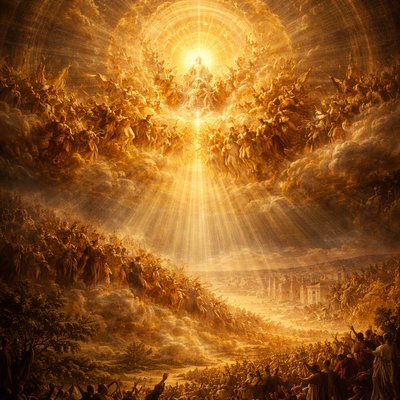
First century Palestine.  Jesus sits on a rock on a hillside teaching a large group of His disciples.  The Sermon on the Mount.  Jesus wears a plain robe like most ordinary men.  Jesus' face is kind, but intense, as He teaches. The other people are mostly peasants, farmers, and tradesmen.  There are also women present, wearing plain, everyday clothing.  Some couples have also brought their children.  The Sea of Galilee shines in the far distance.
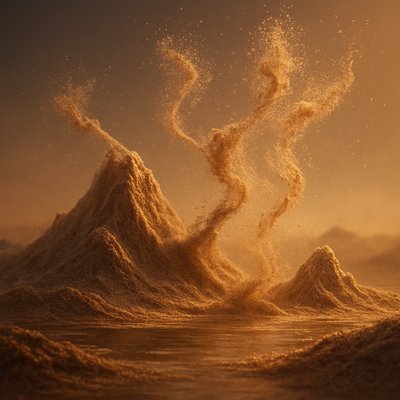
Kinetic Sand Sculpture Style Transfer Example
a tree in nature
bicyle resting against a wall
urban street with city activity
still life with everyday objects
a tree in nature
urban street with city activity
still life with everyday objects
animal standing in natural pose
wide landscape with natural scenery
portrait
landscape
New York City
Seabiscuit vs. War Admiral (The Gaze)

    A hyper-realistic, high-resolution photograph capturing the apex of the 1938 match race between Seabiscuit and War Admiral.

    Focus: The composition is tight, showing both horses running neck-and-neck, dominating the frame. The camera angle is side-on and slightly low, emphasizing their size and muscle. The critical focus is on the space between the horses' heads as they are running stride for stride.

    Details: War Admiral (the dark bay) should show determination and slight surprise, with his head stretched out. Seabiscuit (the smaller bay) should display his characteristic "game" look—intense, focused, and seemingly looking directly into War Admiral's eyes (or toward his rival). Both jockeys (Red Pollard or George Woolf for Seabiscuit; Charles Kurtsinger for War Admiral) are visible, leaning low and urging their mounts on.

    Atmosphere: The light should be bright but slightly diffused, suggesting an autumn afternoon at Pimlico. Dust and track debris are kicked up behind them, blurred slightly by the horses' tremendous speed. The image must convey the raw power, intense rivalry, and the exact moment when the smaller horse asserts his dominance.

    Style: Cinematic photography, realistic texture, sharp focus on the horses' eyes and muscle definition.
Seabiscuit vs. War Admiral (The Gaze)

    A hyper-realistic, high-resolution photograph capturing the apex of the 1938 match race between Seabiscuit and War Admiral.

    Focus: The composition is tight, showing both horses running neck-and-neck, dominating the frame. The camera angle is side-on and slightly low, emphasizing their size and muscle. The critical focus is on the space between the horses' heads as they are running stride for stride.

    Details: War Admiral (the dark bay) should show determination and slight surprise, with his head stretched out. Seabiscuit (the smaller bay) should display his characteristic "game" look—intense, focused, and seemingly looking directly into War Admiral's eyes (or toward his rival). Both jockeys (Red Pollard or George Woolf for Seabiscuit; Charles Kurtsinger for War Admiral) are visible, leaning low and urging their mounts on.

    Atmosphere: The light should be bright but slightly diffused, suggesting an autumn afternoon at Pimlico. Dust and track debris are kicked up behind them, blurred slightly by the horses' tremendous speed. The image must convey the raw power, intense rivalry, and the exact moment when the smaller horse asserts his dominance.

    Style: Cinematic photography, realistic texture, sharp focus on the horses' eyes and muscle definition.
Seabiscuit vs. War Admiral (The Gaze)

    A hyper-realistic, high-resolution photograph capturing the apex of the 1938 match race between Seabiscuit and War Admiral.

    Focus: The composition is tight, showing both horses running neck-and-neck, dominating the frame. The camera angle is side-on and slightly low, emphasizing their size and muscle. The critical focus is on the space between the horses' heads as they are running stride for stride.

    Details: War Admiral (the dark bay) should show determination and slight surprise, with his head stretched out. Seabiscuit (the smaller bay) should display his characteristic "game" look—intense, focused, and seemingly looking directly into War Admiral's eyes (or toward his rival). Both jockeys (Red Pollard or George Woolf for Seabiscuit; Charles Kurtsinger for War Admiral) are visible, leaning low and urging their mounts on.

    Atmosphere: The light should be bright but slightly diffused, suggesting an autumn afternoon at Pimlico. Dust and track debris are kicked up behind them, blurred slightly by the horses' tremendous speed. The image must convey the raw power, intense rivalry, and the exact moment when the smaller horse asserts his dominance.

    Style: Cinematic photography, realistic texture, sharp focus on the horses' eyes and muscle definition.
Seabiscuit vs. War Admiral (The Gaze)

    A hyper-realistic, high-resolution photograph capturing the apex of the 1938 match race between Seabiscuit and War Admiral.

    Focus: The composition is tight, showing both horses running neck-and-neck, dominating the frame. The camera angle is side-on and slightly low, emphasizing their size and muscle. The critical focus is on the space between the horses' heads as they are running stride for stride.

    Details: War Admiral (the dark bay) should show determination and slight surprise, with his head stretched out. Seabiscuit (the smaller bay) should display his characteristic "game" look—intense, focused, and seemingly looking directly into War Admiral's eyes (or toward his rival). Both jockeys (Red Pollard or George Woolf for Seabiscuit; Charles Kurtsinger for War Admiral) are visible, leaning low and urging their mounts on.

    Atmosphere: The light should be bright but slightly diffused, suggesting an autumn afternoon at Pimlico. Dust and track debris are kicked up behind them, blurred slightly by the horses' tremendous speed. The image must convey the raw power, intense rivalry, and the exact moment when the smaller horse asserts his dominance.

    Style: Cinematic photography, realistic texture, sharp focus on the horses' eyes and muscle definition.
A historically accurate and atmospheric depiction of the signing of the Mayflower Compact aboard the ship in November 1620. The scene is set in the dimly lit, cramped cabin of the Mayflower, with the ship's timbers and rigging subtly visible, conveying the challenging conditions of the voyage. A simple table or chest serves as the signing surface. The primary focus is on a small group of the last individuals signing the document: specifically, the indentured servants (or 'strangers' not directly part of the Separatist congregation) approaching or at the table. Their expressions show a mix of weary determination, understanding of the necessity, and perhaps a hint of quiet apprehension or resignation to this new social contract, given their status. They are dressed in the plain, practical clothing typical of 17th-century commoners and laborers. Figures of prominent Pilgrims or 'Saints' (like William Bradford or John Carver) are visible in the background, observing the proceedings with a sense of gravity and leadership, but they are not the central focus. The lighting is low and warm, perhaps from a lantern, creating a chiaroscuro effect that highlights the faces of the signers. The atmosphere conveys the momentousness of the act under difficult circumstances, the diverse composition of the group, and the early seeds of self-governance in a new world. The artistic style is a realistic, historically detailed oil painting, capturing the solemnity and human element of this pivotal historical moment."
Surrealism Art Style, Digital Art Style, a brilliantly vibrant, whimsical, and exaggerated landscape depicting the mythical "Big Rock Candy Mountain." The massive mountain at the center of the scene is composed entirely of striped rock candy, glistening in the eternal sunshine. A cheerful hobo figure, relaxed and smiling, is seen lounging by a sparkling stream of pure lemonade that flows down the mountainside. The landscape is surrounded by giant peppermint stick forests and trees whose leaves are crisp dollar bills. The clouds in the sky are made of whipped cream, and the rain is a sweet syrup. There are prominent features like a cigarette tree, a luscious ham tree, and railroad tracks where the boxcars are always empty and waiting. The colors are hyper-saturated and joyful, rendered with the smooth, detailed clarity of digital art, yet maintaining a dreamlike, slightly absurd quality. Focus intently on the dazzling texture of the candy landscape, the flowing lemonade water, and the utopian, escapist joy of the scene.
At her Mother's house in Penang, Wing Sun's mother, a beautiful chinese woman in her 30s, is standing in her bedroom looking out the window at night.  We see her from a quarter view inside the room.  She is pensive and an air of tension fills the room as she remembers growing up in this house.  Her hair is long and black, and she's wearing her housecoat.  A lantern gives low light inside the room.  It's raining outside.
The Rider & Bike: In the center foreground, a lone rider speeds away from the camera on a futuristic, hubless "light-cycle" sportbike. The bike features glowing cyan and orange wheel rings and leaves a vibrant neon reflection on the road. The rider wears a matching full-coverage armored suit with a sleek integrated helmet.

The Path: The road is a glowing blue laser-grid highway extending into the infinite horizon.

The Libra Gateway: Spanning the entire highway ahead is a monumental, rectangular cosmic archway or door frame. It is constructed of towering, glowing violet and deep blue digital circuitry and crystallized stardust.

The Scales: Hanging majestically from the center of the archway's lintel is a gigantic set of Cosmic Scales, suspended directly over the highway. The scales are perfectly balanced and composed of radiant golden energy and concentrated star clusters, shining brightly against the dark space background.