Oil Portrait Art Style Style Transfer Example Art

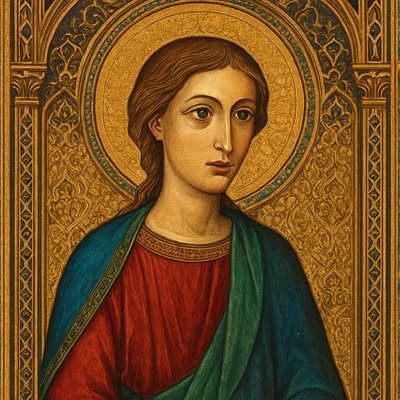
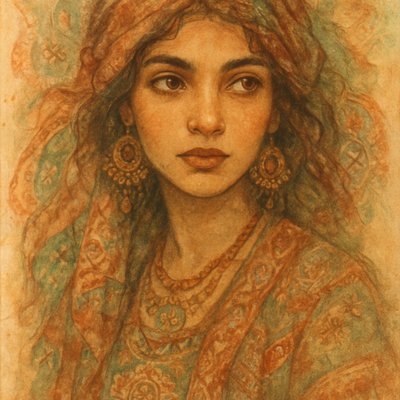
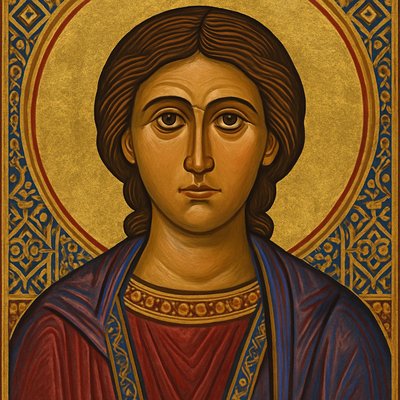
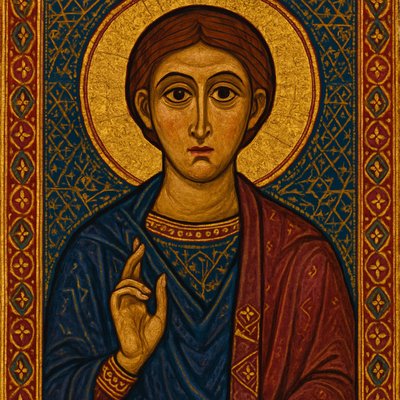
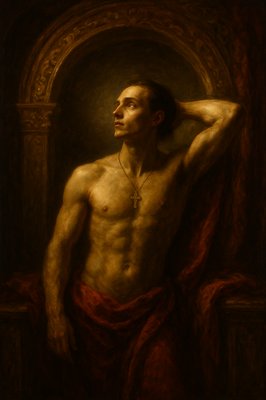
portrait of a person with expressive eyes
Cinematic Film Style, Romanticism Art Style, a stunningly beautiful and atmospheric portrait of a Geisha in 1930s Kyoto. She is dressed in an exquisite, flowing silk kimono with intricate floral patterns and a wide obi sash. Her face is painted in traditional white makeup with striking red lips and piercing blue-gray eyes. She is standing on a traditional wooden bridge over a stream in Gion, with soft pink cherry blossoms falling around her like snow. The lighting is a warm, golden-hour glow that creates a soft-focus, ethereal background of old wooden teahouses and paper lanterns. Focus on the shimmering texture of the silk, the delicate movement of the blossoms, and a sense of quiet, longing beauty.

a tree in nature
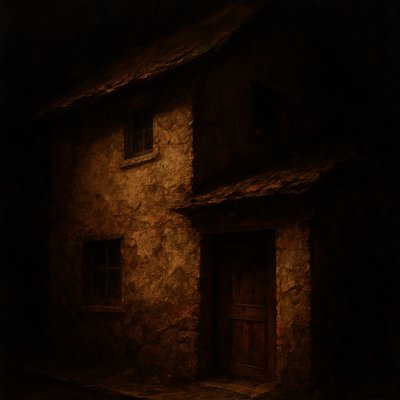
house with front view
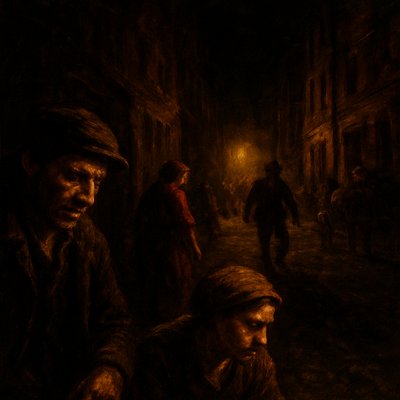
A historically accurate and atmospheric depiction of the signing of the Mayflower Compact aboard the ship in November 1620. The scene is set in the dimly lit, cramped cabin of the Mayflower, with the ship's timbers and rigging subtly visible, conveying the challenging conditions of the voyage. A simple table or chest serves as the signing surface. The primary focus is on a small group of the last individuals signing the document: specifically, the indentured servants (or 'strangers' not directly part of the Separatist congregation) approaching or at the table. Their expressions show a mix of weary determination, understanding of the necessity, and perhaps a hint of quiet apprehension or resignation to this new social contract, given their status. They are dressed in the plain, practical clothing typical of 17th-century commoners and laborers. Figures of prominent Pilgrims or 'Saints' (like William Bradford or John Carver) are visible in the background, observing the proceedings with a sense of gravity and leadership, but they are not the central focus. The lighting is low and warm, perhaps from a lantern, creating a chiaroscuro effect that highlights the faces of the signers. The atmosphere conveys the momentousness of the act under difficult circumstances, the diverse composition of the group, and the early seeds of self-governance in a new world. The artistic style is a realistic, historically detailed oil painting, capturing the solemnity and human element of this pivotal historical moment."

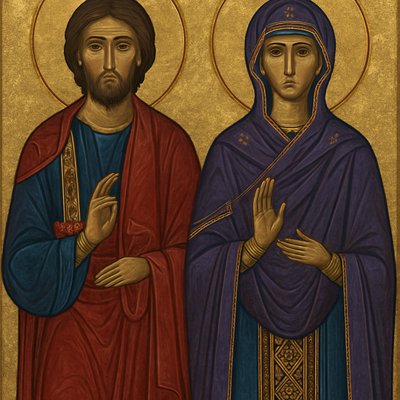
portrait of two people together
portrait of a person with expressive eyes
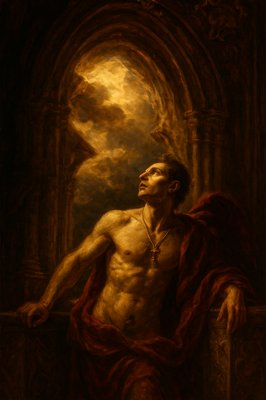
 He (God) setteth an end to darkness, and searcheth out all perfection: the stones of darkness, and the shadow of death. From Job 28:3 using a Spiritual figure as a dove to represent the one searching.
 He (God) setteth an end to darkness, and searcheth out all perfection: the stones of darkness, and the shadow of death. From Job 28:3 using a Spiritual figure as a dove to represent the one searching. There are many glowing stones in the darkness and a door representing the shadows of death.
 He (God) setteth an end to darkness, and searcheth out all perfection: the stones of darkness, and the shadow of death. From Job 28:3 using a Spiritual figure as a dove to represent the one searching. There are many glowing stones in the darkness and a door representing the shadows of death.
A koi pond seen from above, orange and white koi fish swimming among lily pads, clear water with subtle ripples, fallen cherry blossom petals floating on the surface, dappled sunlight
portrait of a person with expressive eyes
portrait of two people together
portrait of a person with expressive eyes
Vaporwave portrait of a retro girl with glitch effects, surrounded by floating busts and neon grids, cyan and magenta palette, surreal 80s mall aesthetic
portrait of two people together
portrait of a person with expressive eyes
portrait of two people together
portrait of a person with expressive eyes
portrait of two people together
portrait of a person with expressive eyes