Oath Taking Scene With Dramatic Gestures In The Art Style Of Neoclassicism V 6.1 Art

Historical battle scene with emotional intensity in the art style of Romanticism --v 6.1
Metamorphosis scene with beings transforming into energy in the art style of Visionary Art --v 6.1
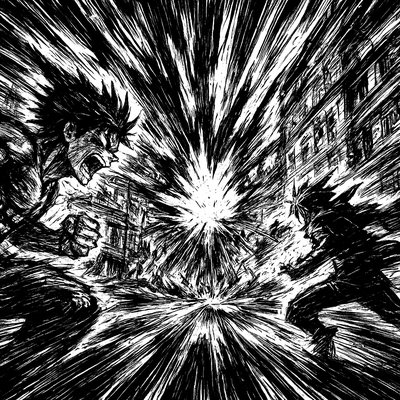
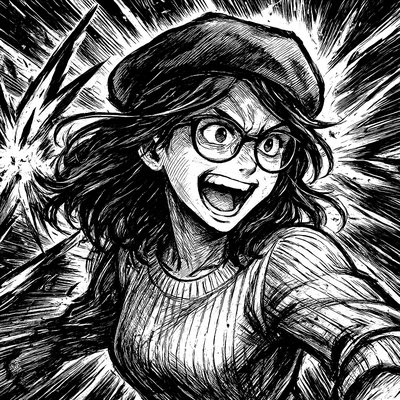
Shonen Battle Manga Art Style Style Transfer Example
Agricultural scenes celebrating peasant workers in the art style of Mexican Muralism --v 6.1
Mythological scene reinterpreted with contemporary symbols in the art style of Transavantgarde --v 6.1
Landscape scene dissected into overlapping fragments in the art style of Cubism --v 6.1
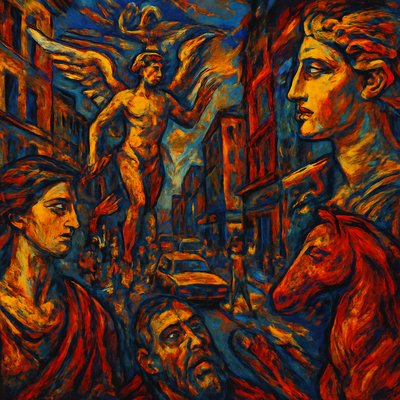
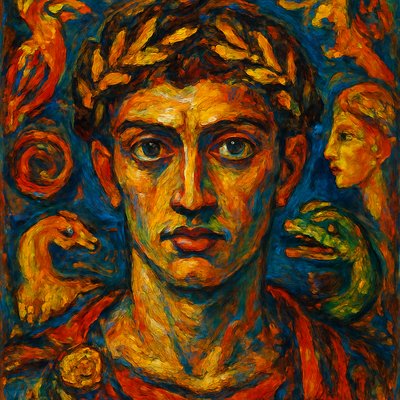
Mythological scene reinterpreted with contemporary urgency in the art style of Neo-Expressionism --v 6.1
Mythological scene reinterpreted with contemporary resonance in the art style of Neo-Romanticism --v 6.1
Isometric pixel art building or interior scene in the art style of Pixel Art --v 6.1
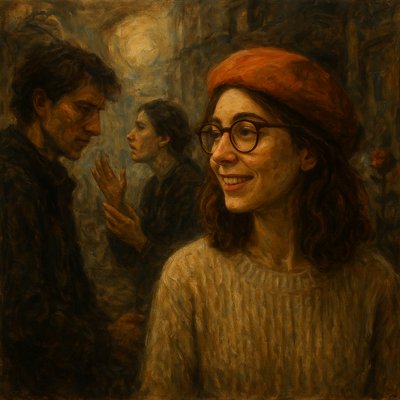
Interior scene with ambiguous narrative and mood in the art style of New European Painting --v 6.1
Historical scene with emphasis on authentic period details in the art style of Pre-Raphaelite --v 6.1
Narrative Figurative Art Style Style Transfer Example
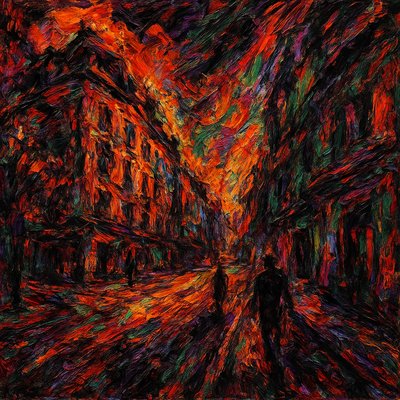
urban street with city activity
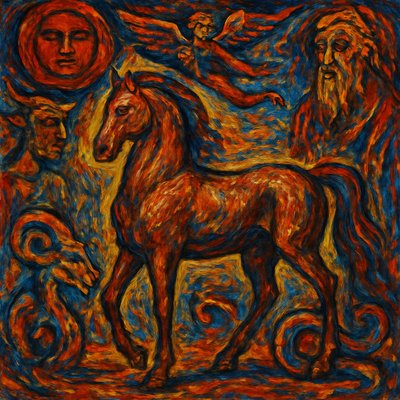
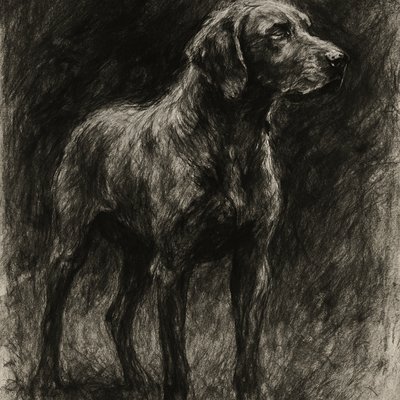
animal standing in natural pose
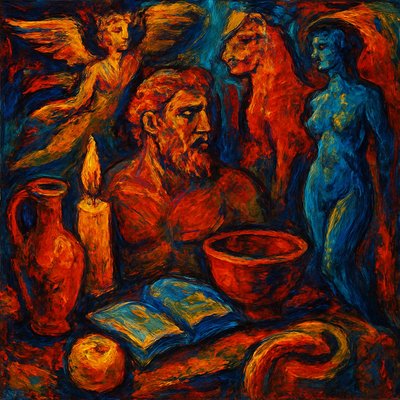
still life with everyday objects
wide landscape with natural scenery
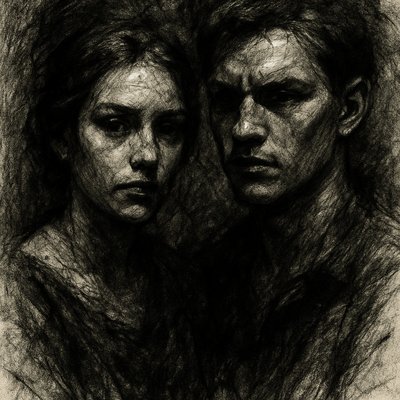
portrait of two people together
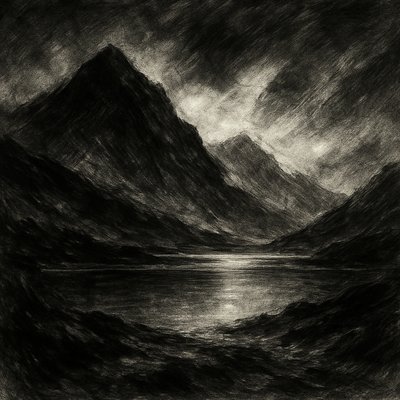
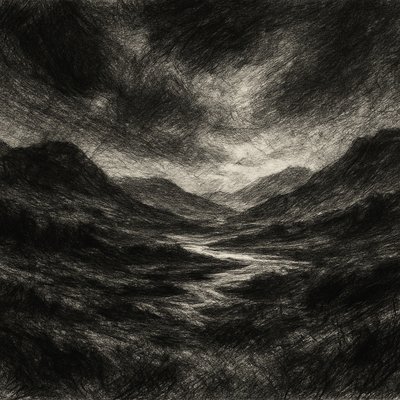
serene landscape with mountains and water
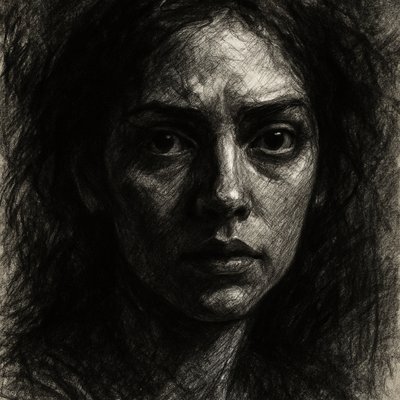
portrait of a person with expressive eyes
Magical baker girl with cupcakes
Cheerful village scene with distorted perspective in the art style of Naive Art --v 6.1
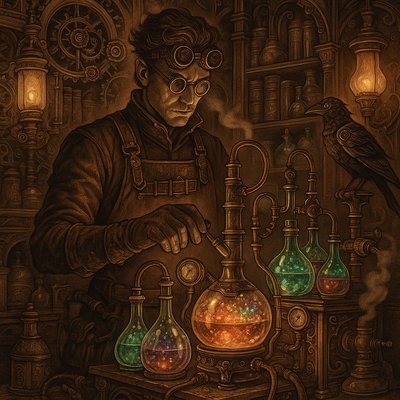
A steampunk alchemist stands in a cluttered workshop illuminated by the warm glow of gas lamps. He wears a leather apron adorned with brass buckles and a pair of intricate goggles perched on his forehead. His gloved hands tinker with a bubbling alembic connected by coiled copper tubes to a maze of glass vials filled with glowing, iridescent liquids. The background is a mix of Victorian elegance and industrial grit--ornate wooden shelves lined with dusty tomes and jars of exotic ingredients, alongside rusted gears and steam-powered contraptions whirring softly. A faint mist of steam rises from a brass furnace, and a mechanical raven with glowing red eyes perches on a nearby stand, observing the scene with curiosity.
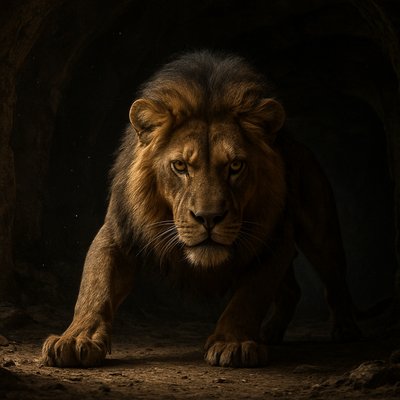
A majestic lion, eyes gleaming with predatory intensity, crouches low in a shadowy, ancient cave. Its powerful muscles are tensed, ready to spring. Dust motes dance in slivers of light piercing the cavern. The atmosphere is tense and expectant. Photorealistic, cinematic lighting, deep shadows, natural textures, dramatic perspective. Scene is figurative depiction of Psalm 10:9-10.
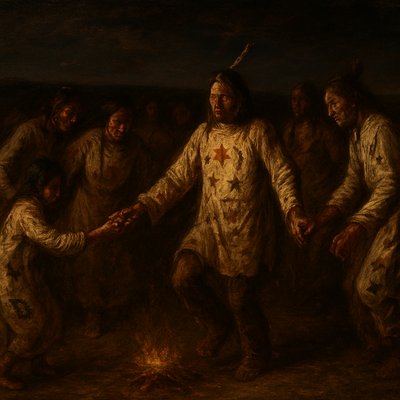
"A historically accurate depiction of a Ghost Dance, focusing on the late 19th-century context, specifically around 1890-1891. The scene shows Lakota (Sioux) or Northern Paiute people (specify one or include elements of both, but avoid anachronisms) participating in the ceremony.

Setting: A vast, open prairie or high desert landscape, under an expansive sky. The time of day could be dusk or night, with a prominent moon or stars, or a bright, clear day. Avoid overtly spiritual or ethereal elements like floating spirits unless explicitly requested for a later, more symbolic iteration. The focus should be on the earthly ceremony.

Participants: A circle of men, women, and children, hand-in-hand, moving in a slow, rhythmic shuffle or circular motion. Their faces show a mixture of devotion, hope, and determination. Some may have expressions of trance or deep concentration.

Attire:

    Ghost Dance Shirts/Dresses: Emphasize the unique Ghost Dance shirts and dresses, which were typically made of muslin or canvas. These garments should feature painted designs such as stars, crescents, birds (especially eagles or crows), buffalo, human figures, or crosses. The designs should appear hand-painted, not mass-produced.

    Hair and Adornments: Participants should have braided hair or wear it long. Some may wear feathers (e.g., eagle or hawk feathers) in their hair. Minimal traditional adornments, as the focus was often on the Ghost Dance shirt itself. Avoid overly elaborate or Hollywood-esque depictions of war bonnets unless relevant to a specific individual and context.

    Footwear: Moccasins or bare feet.

Action/Atmosphere:

    The dancers are moving in a counter-clockwise circle, with a central figure or a small group often leading.

    The overall mood is one of earnest prayer and communal spiritual effort. The dance should convey a sense of hope for renewal and the return of the old ways, rather than aggression or despair.

    There might be a central pole or small fire as a focal point, around which the dance takes place.

    Avoid any signs of direct conflict or violence; the Ghost Dance itself was a non-violent spiritual movement.

Specific Considerations for Accuracy:

    Wovoka's Influence: The teachings of Wovoka (the Northern Paiute prophet) emphasized peace, hard work, and the return of the buffalo and deceased ancestors. The scene should subtly reflect this hopeful, redemptive spirit.

    Regional Variations: If focusing on Lakota, consider their specific interpretations, which sometimes included more imagery related to their warrior traditions on the shirts, but still within the peaceful framework of the dance.

    Respectful Portrayal: Ensure the depiction is respectful and avoids any stereotypical or caricatured representations of Indigenous people. Focus on their human dignity and spiritual sincerity.
Shonen Battle Manga Art Style Style Transfer Example
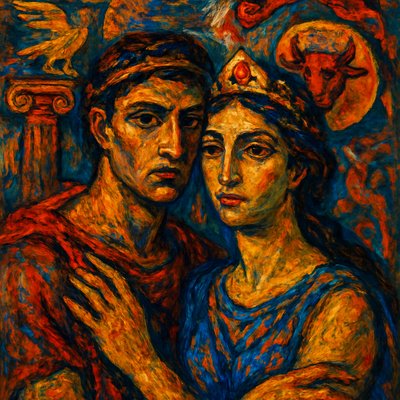
portrait of two people together
animal standing in natural pose
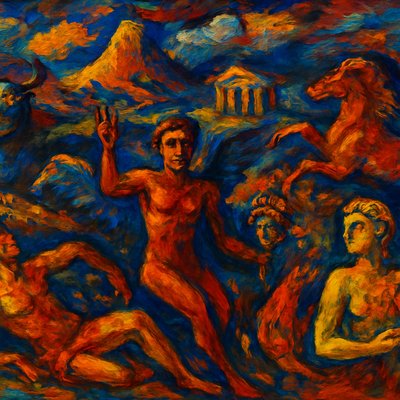
wide landscape with natural scenery
portrait of a person with expressive eyes
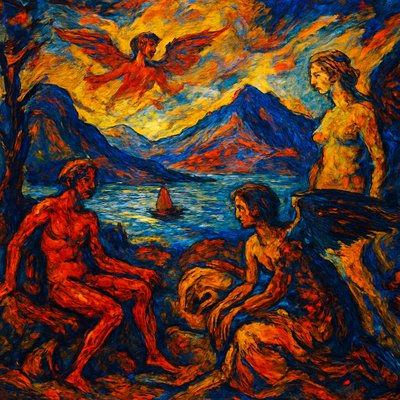
serene landscape with mountains and water
Expressionism Art Style Style Transfer Example