New Media Art Style Style Transfer Example Art

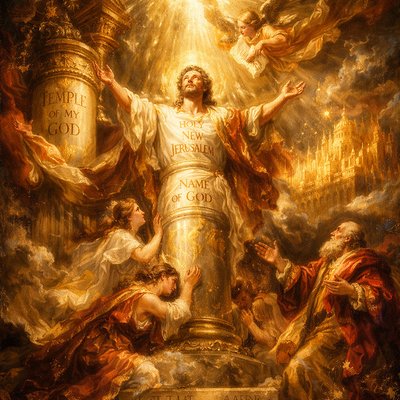
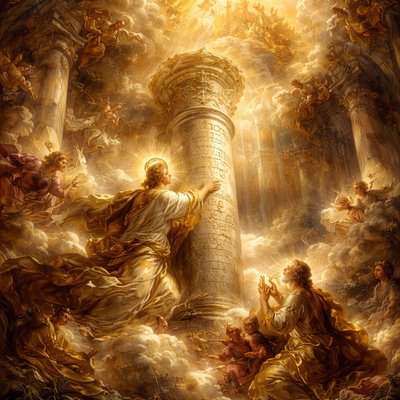
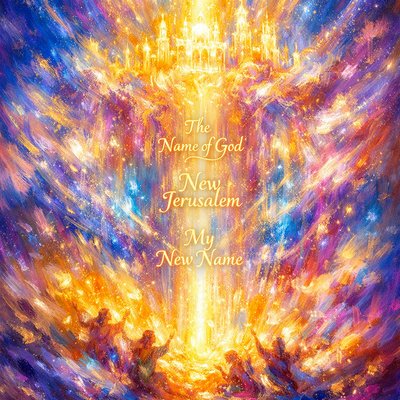
new Jerusalem come down from heaven
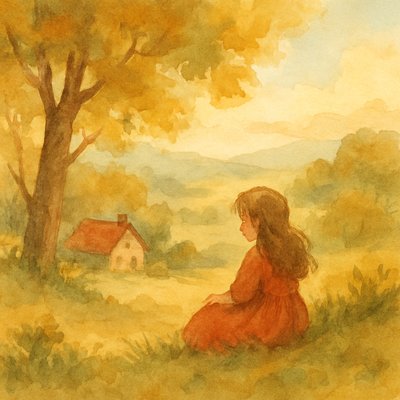
loose watercolor style, vibrant yet soft washes, visible brushstrokes, luminous transparency, natural light, serene atmosphere
a tree in nature
Visionary Art Style, Bioluminescence Art Style, an awe-inspiring, luminous depiction of ancient Jewish cosmology for Psalm 8:3, presented with profound depth and ethereal glow. The central feature is a vast, shimmering, domed firmament (raqia), appearing as a translucent, opalescent boundary stretching across the scene, separating realms. Above this firmament, immense, glowing celestial waters swirl with bioluminescent currents of deep blues, purples, and greens, illuminated by an unseen, brilliant divine light emanating from the highest heavens. Large, radiant stars and a luminous crescent moon are not distant objects, but rather appear as integral, internally glowing bioluminescent entities set within the shimmering surface of the firmament, their light subtly pulsing. Below, hints of foundational earth and the "waters below" are visible, also touched by soft, ethereal glows. The entire scene is alive with vibrant, jewel-toned celestial colors and a sense of boundless, mystical energy. Focus on the layered, translucent quality of the firmament, the dynamic, living glow of the bioluminescent waters and embedded celestial bodies, and an overwhelming sense of ancient, sacred wonder and divine power.
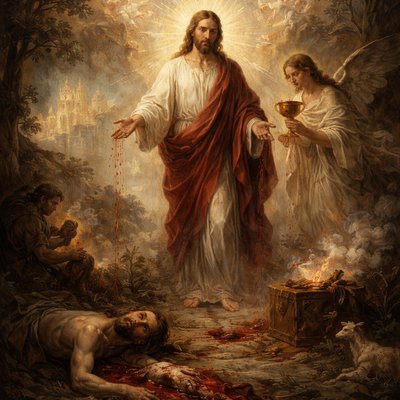
Woe unto them that call evil good, and good evil; that put darkness for light, and light for darkness; that put bitter for sweet, and sweet for bitter!

"The world is in greater peril from those who tolerate or encourage evil than from those who actually commit it."

DO NOT PUT WORDS IN THE IMAGE
A historically accurate and atmospheric depiction of the signing of the Mayflower Compact aboard the ship in November 1620. The scene is set in the dimly lit, cramped cabin of the Mayflower, with the ship's timbers and rigging subtly visible, conveying the challenging conditions of the voyage. A simple table or chest serves as the signing surface. The primary focus is on a small group of the last individuals signing the document: specifically, the indentured servants (or 'strangers' not directly part of the Separatist congregation) approaching or at the table. Their expressions show a mix of weary determination, understanding of the necessity, and perhaps a hint of quiet apprehension or resignation to this new social contract, given their status. They are dressed in the plain, practical clothing typical of 17th-century commoners and laborers. Figures of prominent Pilgrims or 'Saints' (like William Bradford or John Carver) are visible in the background, observing the proceedings with a sense of gravity and leadership, but they are not the central focus. The lighting is low and warm, perhaps from a lantern, creating a chiaroscuro effect that highlights the faces of the signers. The atmosphere conveys the momentousness of the act under difficult circumstances, the diverse composition of the group, and the early seeds of self-governance in a new world. The artistic style is a realistic, historically detailed oil painting, capturing the solemnity and human element of this pivotal historical moment."
house with front view
still life with everyday objects
portrait of a person with expressive eyes
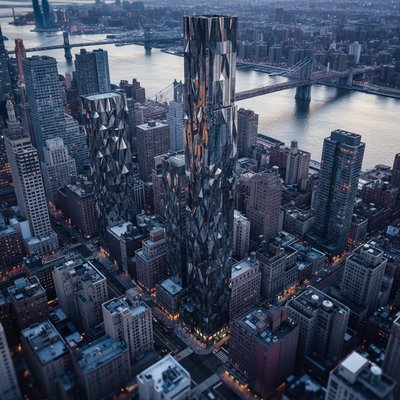
New York City aerial view
 a whimsical christmas tree made of cats, with many small cats stacked on top to form the shape of an xmas star, white background, simple watercolor style, minimalism, pastel tones, simple details, hand-drawn illustration, pasted picture, simple lines, simple drawing style, white background, white space
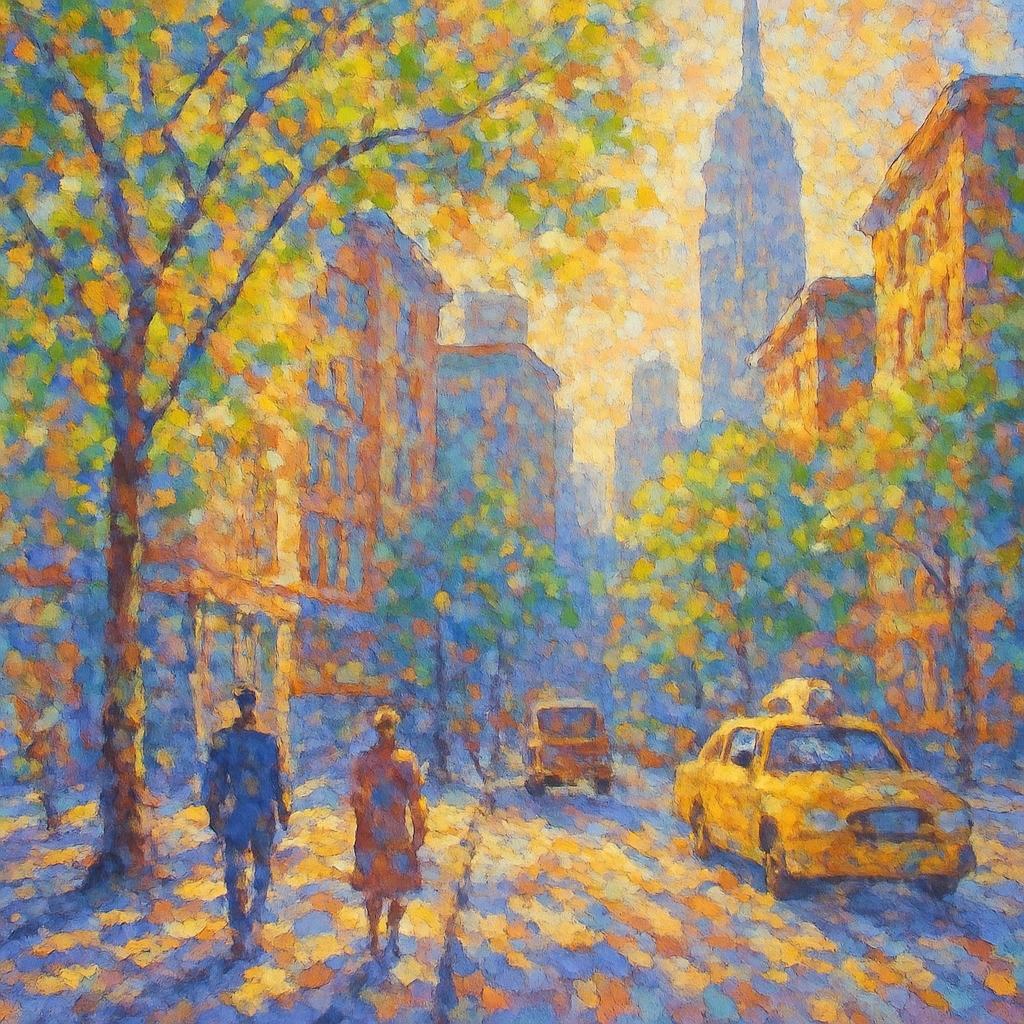
urban street with city activity
still life arrangement of fruits and flowers
a tree in nature
bicyle resting against a wall
portrait of two people together
animal standing in natural pose
urban street with city activity
wide landscape with natural scenery
serene landscape with mountains and water
still life arrangement of fruits and flowers
house with front view
bicyle resting against a wall
portrait of two people together
animal standing in natural pose
still life with everyday objects
wide landscape with natural scenery

portrait of a person with expressive eyes
serene landscape with mountains and water
Bustling holiday christmas scene, evening, bakery

Mother and child embrace
Dancers in rehearsal
bicyle resting against a wall
portrait of two people together
wide landscape with natural scenery
portrait of a person with expressive eyes
serene landscape with mountains and water
still life arrangement of fruits and flowers
A historically accurate and atmospheric depiction of the signing of the Mayflower Compact aboard the ship in November 1620. The scene is set in the dimly lit, cramped cabin of the Mayflower, with the ship's timbers and rigging subtly visible, conveying the challenging conditions of the voyage. A simple table or chest serves as the signing surface. The primary focus is on a small group of the last individuals signing the document: specifically, the indentured servants (or 'strangers' not directly part of the Separatist congregation) approaching or at the table. Their expressions show a mix of weary determination, understanding of the necessity, and perhaps a hint of quiet apprehension or resignation to this new social contract, given their status. They are dressed in the plain, practical clothing typical of 17th-century commoners and laborers. Figures of prominent Pilgrims or 'Saints' (like William Bradford or John Carver) are visible in the background, observing the proceedings with a sense of gravity and leadership, but they are not the central focus. The lighting is low and warm, perhaps from a lantern, creating a chiaroscuro effect that highlights the faces of the signers. The atmosphere conveys the momentousness of the act under difficult circumstances, the diverse composition of the group, and the early seeds of self-governance in a new world. The artistic style is a realistic, historically detailed oil painting, capturing the solemnity and human element of this pivotal historical moment."
house with front view