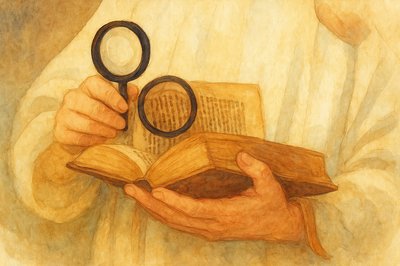
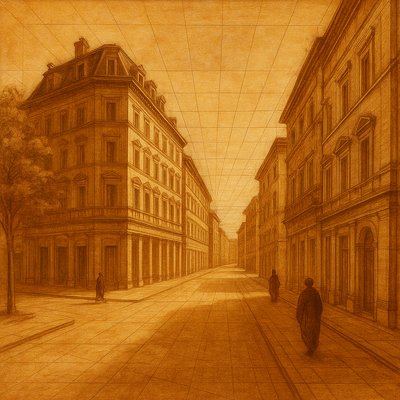
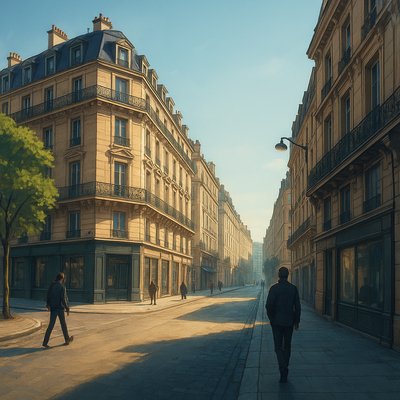
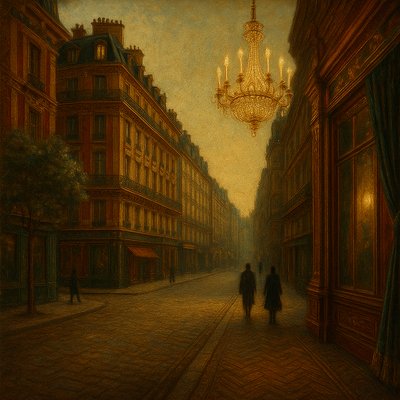
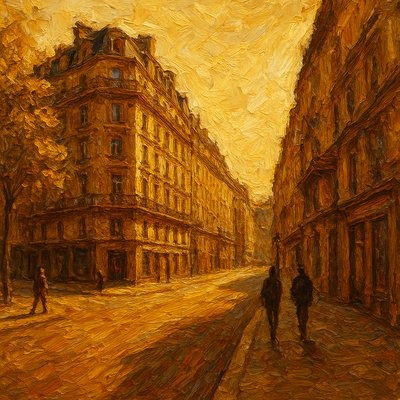
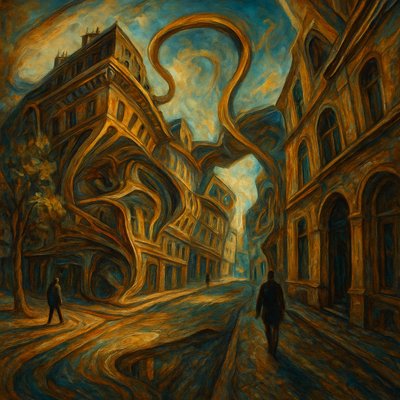
New European Painting Style Style Transfer Example Art

Create an image of the short-lived U.S. Army post known as Fort Lowell, New Mexico, circa 1868. The buildings are made of rough-hewn, rustic logs and timber, surrounded by a high mountain valley and coniferous trees, reflecting the high altitude of the New Mexico territory. Show a small number of New Mexico volunteers in period uniforms and their horses within a simple log palisade or fence line. The scene should be overcast and rugged, capturing the isolation of a frontier outpost
Matte Painting Digital Art Style Style Transfer Example
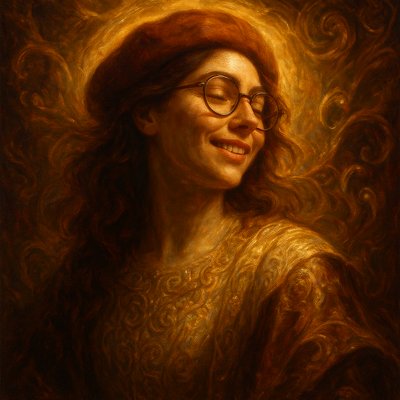
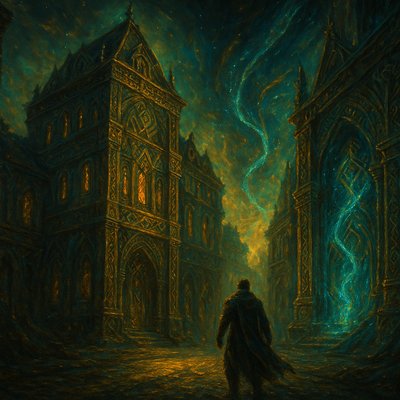
Romantic Classical Art Style Style Transfer Example
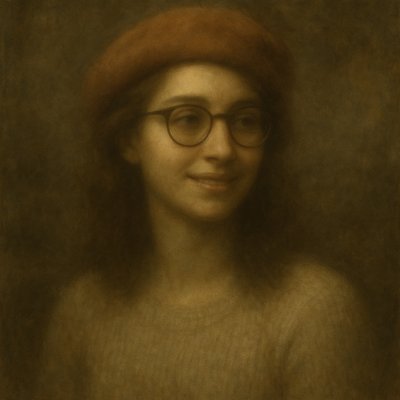
Renaissance Portrait Art Style Style Transfer Example
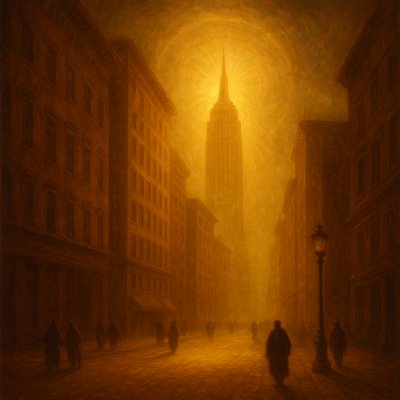
New York City
Matte Painting Digital Art Style Style Transfer Example
Interior scene with ambiguous narrative and mood in the art style of New European Painting --v 6.1
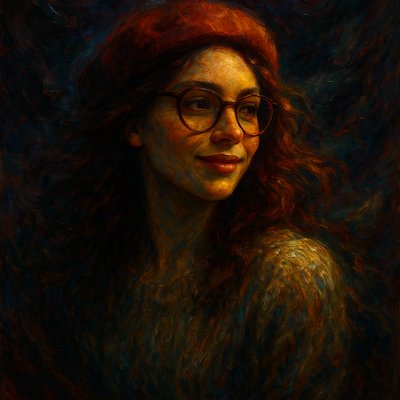
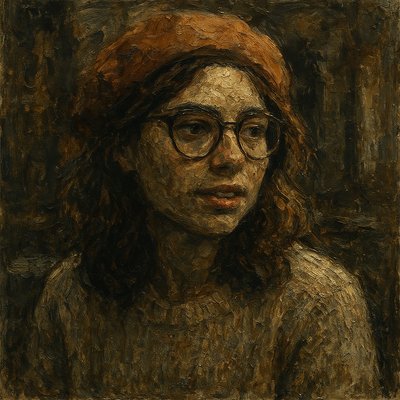
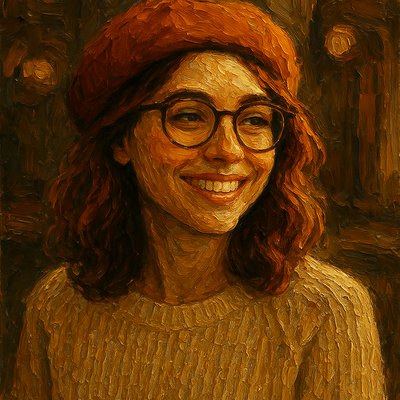
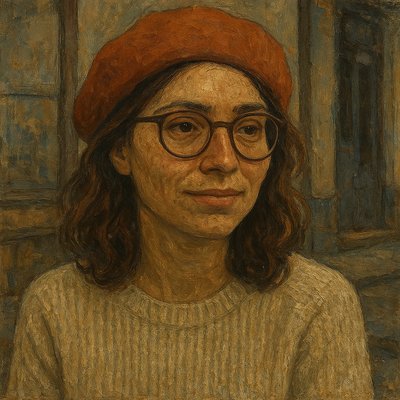
Portrait with subtle narrative and symbolic elements in the art style of New European Painting --v 6.1
Ashcan School Art Style Style Transfer Example
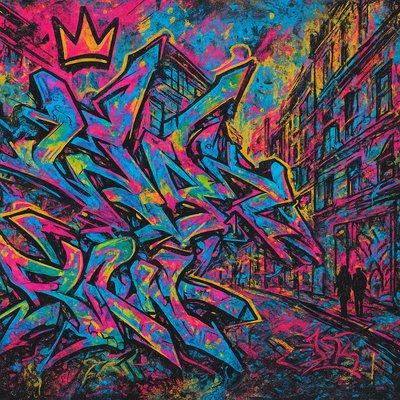
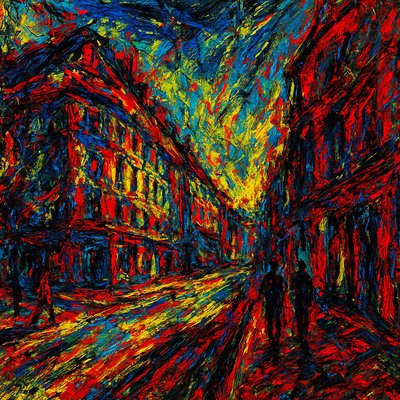
Neo-Expressionist Modern Art Style Style Transfer Example
Renaissance Portrait Art Style Style Transfer Example
Sfumato Portrait Renaissance Art Style Style Transfer Example
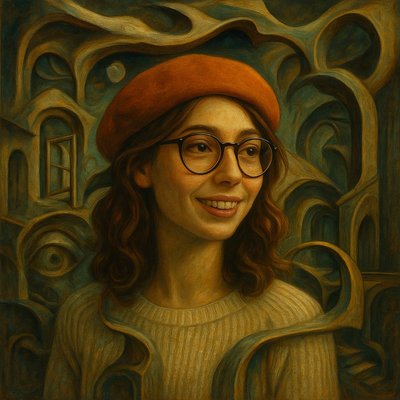
Surrealist Modern Art Style Style Transfer Example
Ashcan School Art Style Style Transfer Example
Neo-Expressionist Modern Art Style Style Transfer Example
Surrealist Modern Art Style Style Transfer Example
Plein Air Landscape Art Style Style Transfer Example
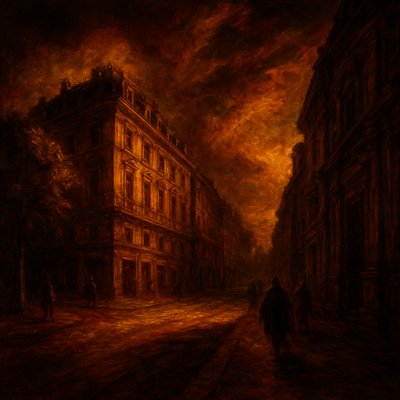
Baroque Religious Art Style Transfer Example
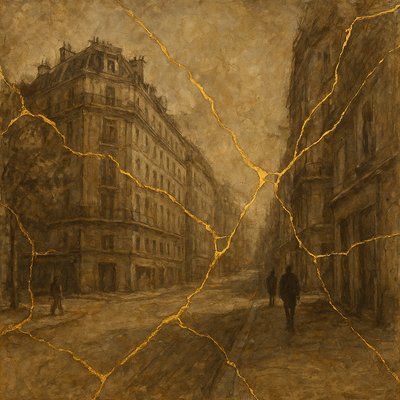
Wabi-Sabi Kintsugi Painting Style Transfer Example
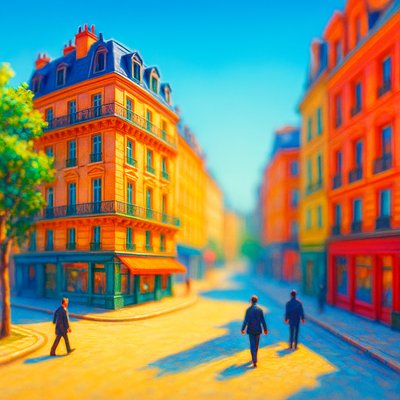
Tilt-Shift Diorama Painting Style Transfer Example
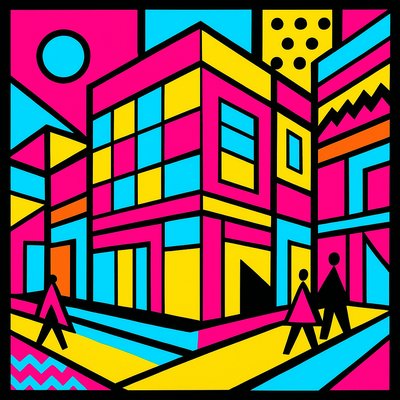
Neo-Geo Art Style Style Transfer Example
Forest Nature Art Style Transfer Example
A historically accurate and atmospheric depiction of the signing of the Mayflower Compact aboard the ship in November 1620. The scene is set in the dimly lit, cramped cabin of the Mayflower, with the ship's timbers and rigging subtly visible, conveying the challenging conditions of the voyage. A simple table or chest serves as the signing surface. The primary focus is on a small group of the last individuals signing the document: specifically, the indentured servants (or 'strangers' not directly part of the Separatist congregation) approaching or at the table. Their expressions show a mix of weary determination, understanding of the necessity, and perhaps a hint of quiet apprehension or resignation to this new social contract, given their status. They are dressed in the plain, practical clothing typical of 17th-century commoners and laborers. Figures of prominent Pilgrims or 'Saints' (like William Bradford or John Carver) are visible in the background, observing the proceedings with a sense of gravity and leadership, but they are not the central focus. The lighting is low and warm, perhaps from a lantern, creating a chiaroscuro effect that highlights the faces of the signers. The atmosphere conveys the momentousness of the act under difficult circumstances, the diverse composition of the group, and the early seeds of self-governance in a new world. The artistic style is a realistic, historically detailed oil painting, capturing the solemnity and human element of this pivotal historical moment."
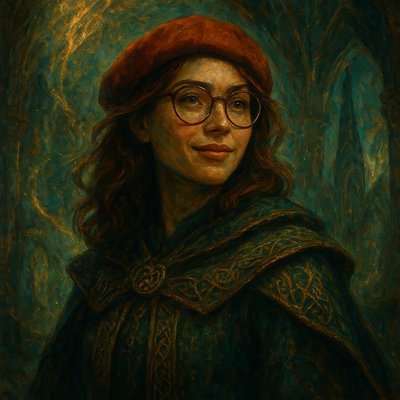

Group composition reflecting on contemporary social dynamics in the art style of New European Painting --v 6.1
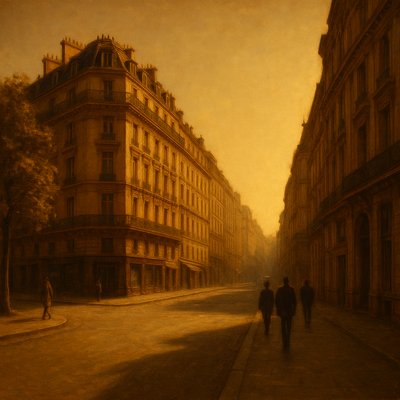
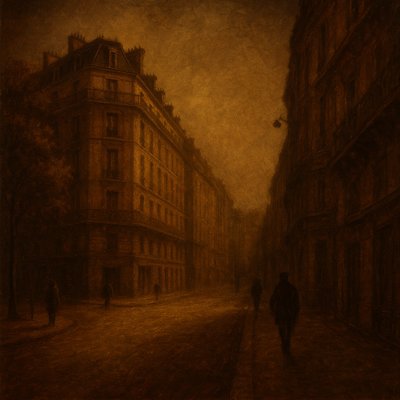
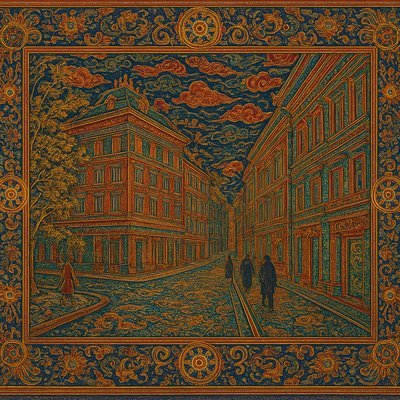
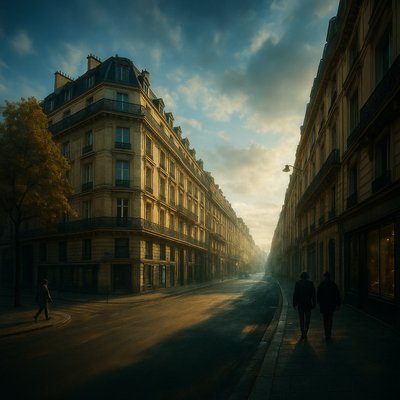
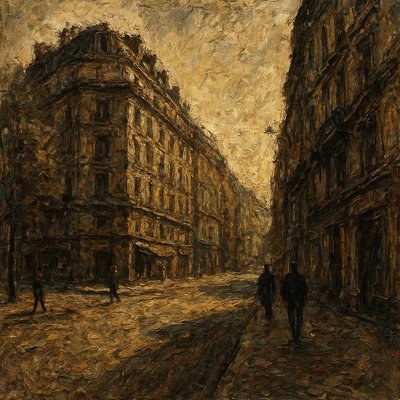
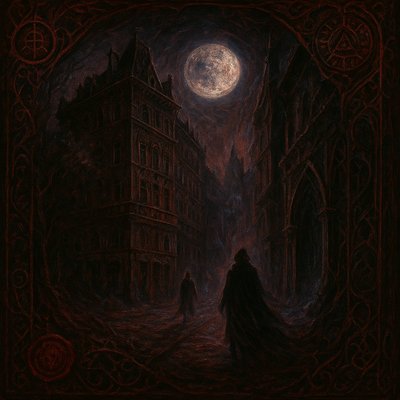
Urban scene blending realism and expressive brushwork in the art style of New European Painting --v 6.1
Landscape merging observed reality with imaginative elements in the art style of New European Painting --v 6.1
Figurative abstraction exploring human form and gesture in the art style of New European Painting --v 6.1
Still life exploring themes of memory and time in the art style of New European Painting --v 6.1