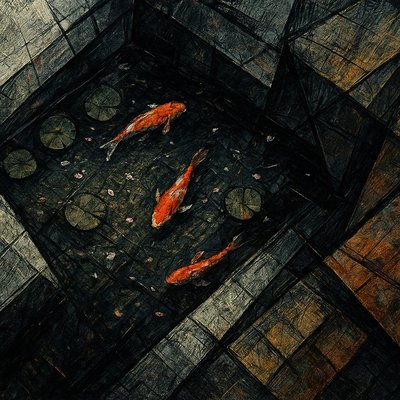
Neo Conceptualism Art

wide landscape with natural scenery

still life arrangement of fruits and flowers
Create an image of the short-lived U.S. Army post known as Fort Lowell, New Mexico, circa 1868. The buildings are made of rough-hewn, rustic logs and timber, surrounded by a high mountain valley and coniferous trees, reflecting the high altitude of the New Mexico territory. Show a small number of New Mexico volunteers in period uniforms and their horses within a simple log palisade or fence line. The scene should be overcast and rugged, capturing the isolation of a frontier outpost
De Stijl Art Style Style Transfer Example
a tree in nature
a tree in nature
house with front view
portrait of two people together
a tree in nature
house with front view
bicyle resting against a wall
animal standing in natural pose
still life with everyday objects
portrait of a person with expressive eyes
serene landscape with mountains and water
still life arrangement of fruits and flowers
portrait of a person with expressive eyes
serene landscape with mountains and water
De Stijl Art Style Style Transfer Example
house with front view
Create an image of the short-lived U.S. Army post known as Fort Lowell, New Mexico, circa 1868. The buildings are made of rough-hewn, rustic logs and timber, surrounded by a high mountain valley and coniferous trees, reflecting the high altitude of the New Mexico territory. Show a small number of New Mexico volunteers in period uniforms and their horses within a simple log palisade or fence line. The scene should be overcast and rugged, capturing the isolation of a frontier outpost
A historically accurate and deeply somber depiction of the immediate aftermath of the Wounded Knee Massacre in December 1890. The scene captures the desolate, snow-covered landscape of the Pine Ridge Reservation. Focus on the fallen Lakota men, women, and children, scattered across the snow, their bodies still and tragic. A few surviving individuals are shown in postures of profound grief or shock, perhaps tending to the wounded. The distant presence of U.S. soldiers, heavily armed, stands as a stark and cold counterpoint to the devastation. The atmosphere is one of profound sorrow, loss, and the brutal silence of winter. The lighting is cold and muted, emphasizing the harshness of the environment and the tragedy of the event. The artistic style should be a realistic, painterly approach, evoking the historical period with unflinching honesty but without graphic sensationalism. The intent is to serve as a memorial to the victims and a historical testament to the tragic event."
City in motion
Jesus Christ Lord and King over all
house with front view
bicyle resting against a wall
portrait of two people together
urban street with city activity
portrait of two people together
bicyle resting against a wall
urban street with city activity
serene landscape with mountains and water
still life arrangement of fruits and flowers
Classical Realist Figurative Art Style Style Transfer Example
a tree in nature
animal standing in natural pose
still life with everyday objects
wide landscape with natural scenery

animal standing in natural pose
still life with everyday objects