Mystical Nativity Scene "In The Style Of Sandro Botticelli" "Renaissance Elegance With Elongated Figures And Flowing Art

Seaside Impressionism Art Style Style Transfer Example
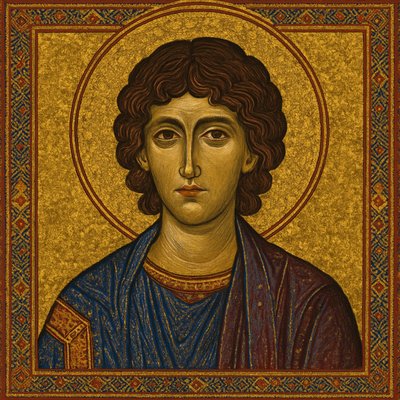
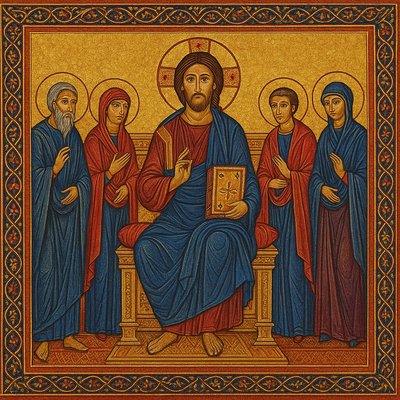
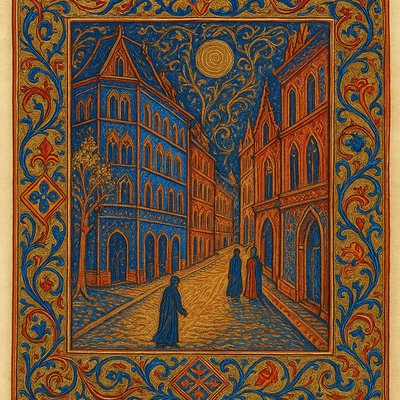
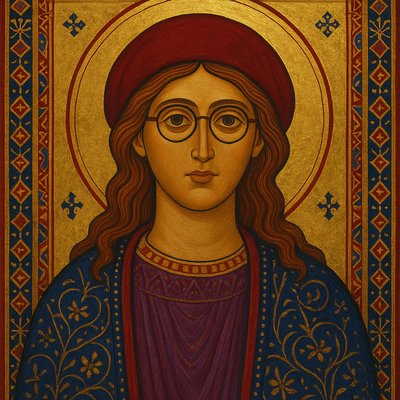
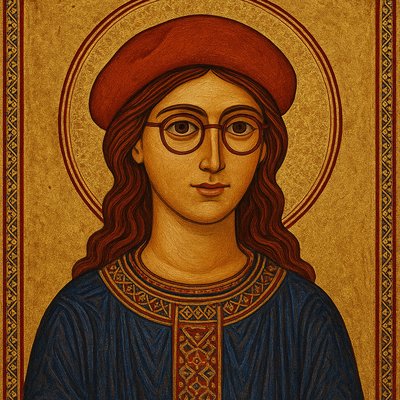
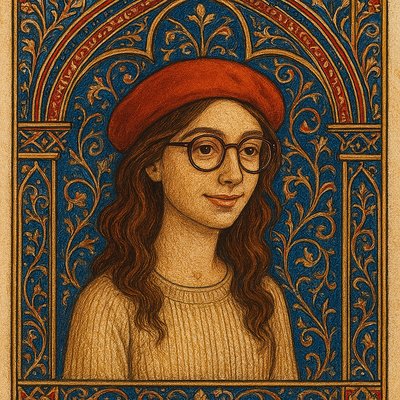
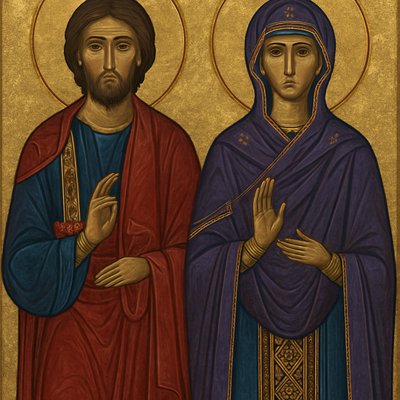
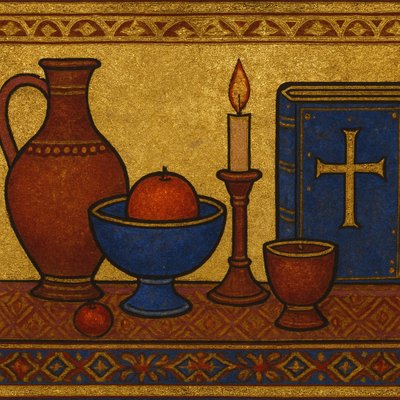
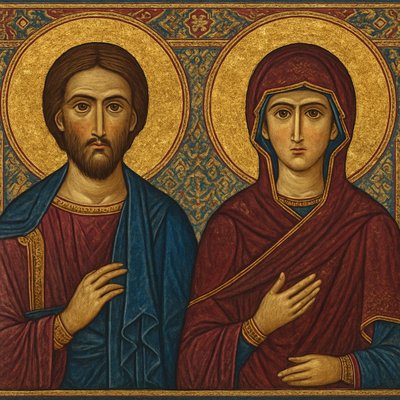
Byzantine Art Style Style Transfer Example
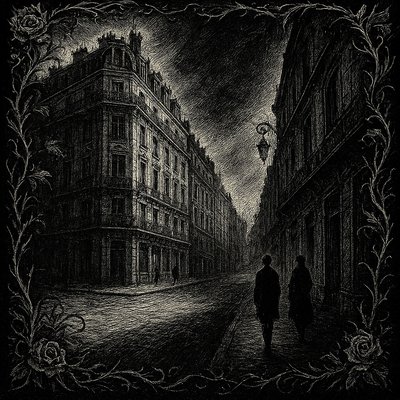
urban street with city activity
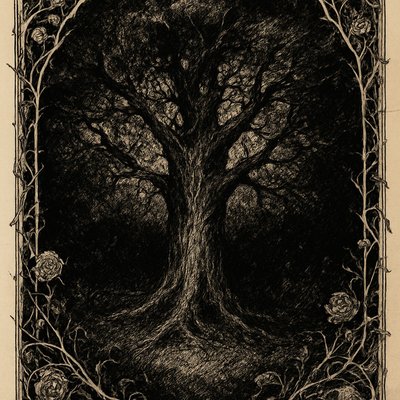
a tree in nature
bicyle resting against a wall
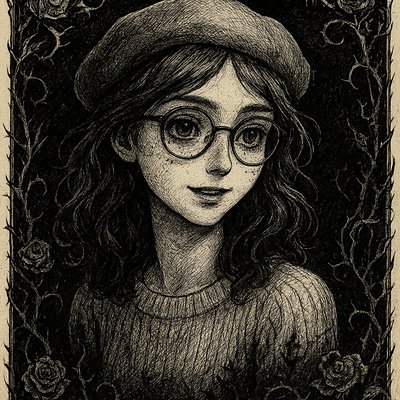
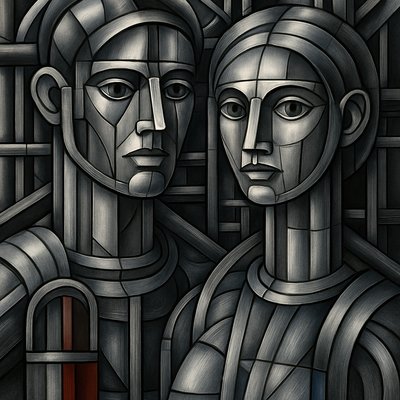
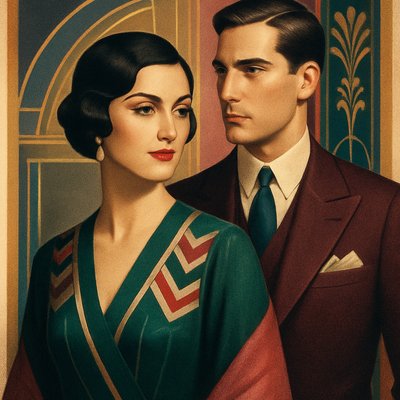
portrait of two people together
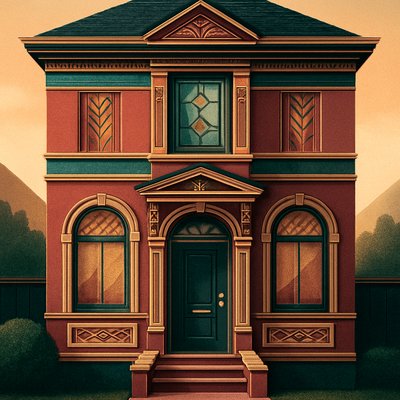
house with front view
bicyle resting against a wall
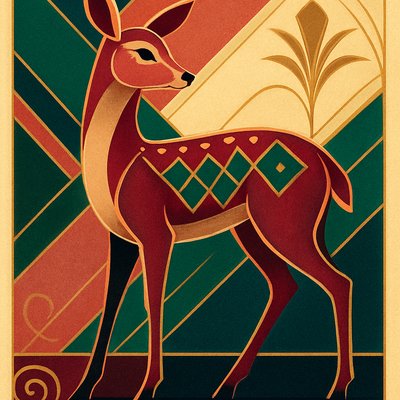
animal standing in natural pose
urban street with city activity
still life with everyday objects
wide landscape with natural scenery
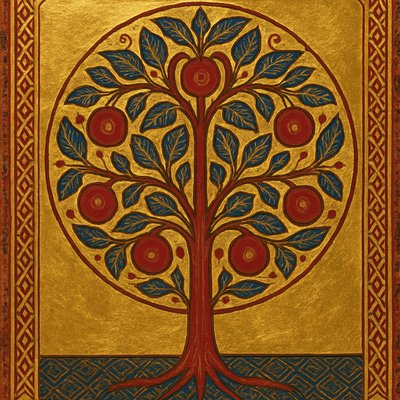
portrait of two people together
a tree in nature
urban street with city activity
animal standing in natural pose
wide landscape with natural scenery
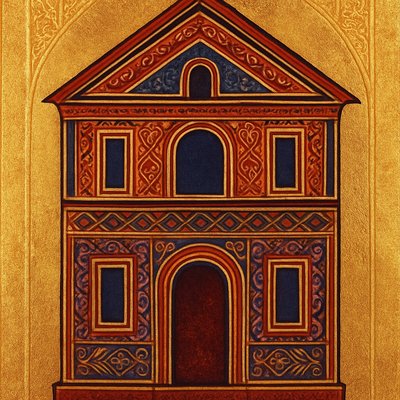
urban street with city activity
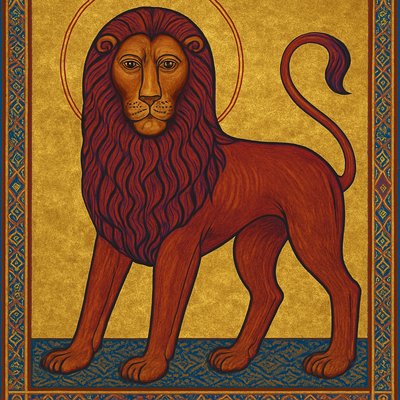
portrait of two people together
animal standing in natural pose
wide landscape with natural scenery
serene landscape with mountains and water
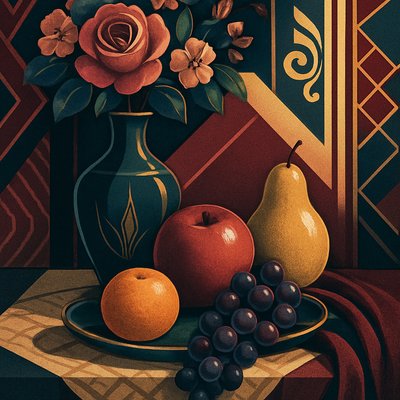
still life arrangement of fruits and flowers
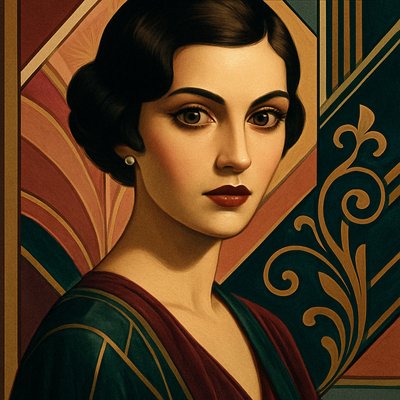
portrait of a person with expressive eyes
still life arrangement of fruits and flowers
portrait of a person with expressive eyes
still life arrangement of fruits and flowers
An incredibly detailed and profound scene depicting the Vision of the Dry Bones from Ezekiel 37. The immediate foreground features a stark, highly detailed close-up of a single ancient human skull, its empty eye sockets gazing out, perfectly rendered with realistic bone texture. Beyond this skull, stretching into the mid-ground, a vast, desolate valley is entirely carpeted with an immense, sprawling expanse of countless other ancient, stark white human bones and skulls. A powerful, divine wind (ruach), emanating an ethereal, sacred glow, swirls violently through this boneyard. This divine energy causes the bones to dramatically rattle, shift, and miraculously knit together, forming complete skeletons. Further in the background, some of these skeletons have already begun to rapidly form tendons, flesh, and skin, starting to rise as part of a nascent, colossal army. The sky above is dramatic and ominous, with streaks of divine light breaking through thick clouds. The overall mood is one of overwhelming desolation, followed by the initial, awe-inspiring moments of miraculous transformation and the promise of life."
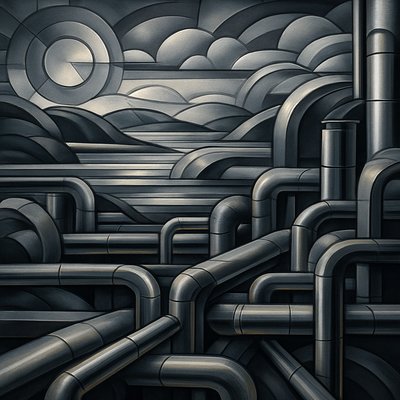
Industrial Materials Minimalism Art Style Style Transfer Example
house with front view
A detailed, ancient-style map of the land of Canaan, with distinct, labeled territories for the Hivites, Arkite, and Sinite people groups. Each territory should have subtle visual cues reflecting their possible historical characteristics or natural environments. For example, the Hivite territory could show some hilly or forested areas, the Arkite territory might feature a coastal city, and the Sinite territory could suggest a more inland or mountainous region. The map should have a weathered, parchment-like texture, with an elegant, old-world font for the labels. In one corner, a small, illuminated manuscript-style illustration could depict three distinct figures, each subtly representing one of the groups, perhaps dressed in period-appropriate attire and engaging in an activity typical of their region. The overall aesthetic should evoke historical scholarship and cartography."
A band of five anthropomorphic cats, depicted as the "Bay City Rollers," performing on a brightly lit stage. They are dressed in matching tartan suits, reminiscent of the band's iconic style. Each cat has expressive facial features, conveying a sense of rock-and-roll energy.

The central cat is the lead singer, holding a vintage microphone and wearing a striking tartan suit. To his left, another cat plays a bass guitar. To his right, another cat stands with drumsticks, ready to play. Two other cats complete the band, striking poses with their fists raised in the air, embodying the energetic performance style of the Bay City Rollers.

In the background, a large, enthusiastic crowd of blurred, indistinct figures is cheering, illuminated by stage lights. Above the stage, spotlights shine down. The stage itself is dark, allowing the cats and their instruments to stand out.

At the bottom of the image, in large, bold, sparkly letters, is the text "CATURDAY NIGHT!" The overall style is vibrant, fun, and captures the retro pop essence of the 1970s.
A band of five anthropomorphic cats, depicted as the "Bay City Rollers," performing on a brightly lit stage. They are dressed in matching tartan suits, reminiscent of the band's iconic style. Each cat has expressive facial features, conveying a sense of rock-and-roll energy.

The central cat is the lead singer, holding a vintage microphone and wearing a striking tartan suit. To his left, another cat plays a bass guitar. To his right, another cat stands with drumsticks, ready to play. Two other cats complete the band, striking poses with their fists raised in the air, embodying the energetic performance style of the Bay City Rollers.

In the background, a large, enthusiastic crowd of blurred, indistinct figures is cheering, illuminated by stage lights. Above the stage, spotlights shine down. The stage itself is dark, allowing the cats and their instruments to stand out.

At the bottom of the image, in large, bold, sparkly letters, is the text "CATURDAY NIGHT!" The overall style is vibrant, fun, and captures the retro pop essence of the 1970s.
A thrilling and vibrant scene from the board game Candy Land, capturing the excitement of sliding down its biggest, most iconic slide. The slide itself is massive, curving, and made entirely of a glistening, colorful candy material, like a giant, rainbow-striped candy cane or smooth, translucent hard candy. A cheerful, diverse group of children (or classic Candy Land characters like Princess Lolly or Mr. Mint) are depicted in mid-descent, laughing and filled with joy, their hands in the air.

Below and around the slide, the fantastical landscape of Candy Land stretches out: rolling hills of frosting, lollipop trees, rivers of chocolate, gingerbread houses, and giant gumdrops. The colors are incredibly vivid and saturated, creating a truly fantastical and edible world. The perspective is dynamic, looking down the slide with the characters, enhancing the sense of speed and fun. The lighting is bright and cheerful, emphasizing the candy's sparkle and the overall joyful atmosphere.
An awe-inspiring and whimsical scene featuring Willy Wonka's Great Glass Wonkavator, soaring through the sky and beyond the confines of the chocolate factory. The Wonkavator itself is a magnificent, multi-directional glass elevator, transparent and sparkling, with Willy Wonka (wearing his iconic top hat, purple coat, and bowtie) and Charlie Bucket (and perhaps Grandpa Joe) inside, looking out with expressions of wonder and excitement. The interior is filled with intricate buttons and levers for controlling its magical flight.

The Wonkavator is depicted in mid-flight, perhaps bursting through the factory roof or ascending above the clouds. Below it, the fantastical landscape of the Chocolate Factory is visible – chocolate rivers, edible gardens, candy cane trees, and various whimsical buildings. Beyond the factory, a stunning, imaginative sky unfolds, perhaps with floating candy clouds, distant fantastical landmarks, or even glimpses of outer space and planets. The lighting is bright and magical, emphasizing the glass's transparency and the vibrant colors of the world below and beyond. The overall mood is one of boundless adventure, limitless possibilities, and pure, joyful fantasy."
An underwater scene with sea creatures transforming into each other in a chaotic art style --v 6.1
Religious scene with dramatic lighting and gesture in the art style of Academic Art --v 6.1
Ornate interior scene with aesthetic objects and furnishings in the art style of Aestheticism --v 6.1