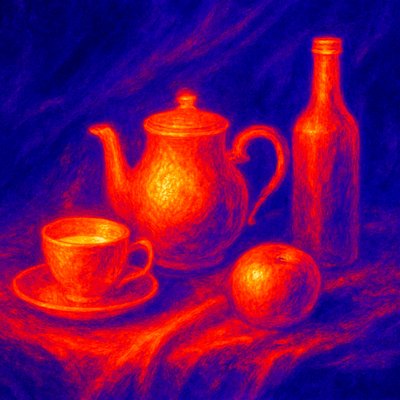
Morning Fog Lifting From River Art

a tree in nature
house with front view
bicyle resting against a wall
urban street with city activity
serene landscape with mountains and water
A historically accurate, high-quality black and white photograph from 1943. The scene is a bustling village hall in wartime Britain, decorated with Union Jack flags and a large banner reading, "Wings for Victory - Raise Funds for the RAF."

The focus is on several pairs of dancers on a wooden floor. The main subjects are smartly dressed African American airmen in USAAF uniforms dancing with British women wearing fashionable 1940s floral print dresses. They are engaged in an energetic and joyous moment of the Lindy Hop (or Jitterbug/Swing dancing), characterized by dynamic movement, big smiles, and one pair caught in a mid-air 'breakaway' or 'swing-out' move. In the background, a small jazz band featuring a drummer and saxophone player is visible on a low stage. The atmosphere is warm, integrated, and full of the energy of an exciting, new dance style.
Cinematic Film Style, Traditional Japanese Ukiyo-e Influence, a regal and incredibly poised portrait of the geisha Mameha (inspired by Michelle Yeoh). She is seated in a refined, dimly lit wooden teahouse, her posture perfectly upright and elegant. She wears a heavy silk kimono in peaceful, sophisticated colors like slate blue and silver, with delicate hand-painted motifs of plum blossoms. Her face is a "mask" of white traditional makeup, featuring sharp red lips and wise, observant eyes that convey deep intelligence. She is in the middle of a ritual, perhaps holding a delicate porcelain tea bowl with perfectly choreographed hands. The lighting is soft and atmospheric, catching the shimmer of her silk and the intricate details of her high, lacquered hairstyle adorned with a single, understated silver hairpin. Focus on the feeling of quiet power, impeccable grace, and the stillness of a master artist.
A candid, tender photograph of a person lying sick in a dimly lit, cozy bedroom, buried under a heavy quilt with only their pale face showing, eyes closed in sleep. Tissues and medicine bottles clutter a bedside table. Curled beside the person in bed is a fluffy calico cat that has a pair of feathered angel wings. The cat is asleep too. Soft, natural light streams from a window to the left. Film grain.
A candid, tender photograph of a person lying sick in a dimly lit, cozy bedroom, buried under a heavy quilt with only their pale face showing, eyes closed in sleep. Tissues and medicine bottles clutter a bedside table. Curled beside is a fluffy calico cat that has a pair of feathered angel wings. The cat is asleep too. Soft, natural light streams from a window to the left. Film grain.
A candid, tender photograph of a person lying sick in a dimly lit, cozy bedroom, buried under a heavy quilt with only their pale face showing, eyes closed in sleep. Tissues and medicine bottles clutter a bedside table. Curled beside the person in bed is a fluffy calico cat that has a pair of feathered angel wings. The cat is asleep too. Soft, natural light streams from a window to the left. Film grain.
Epic Landscape Photography Style, Wide-Angle Lens, Golden Hour Lighting. A profound, sweeping photograph of a single, colossal ancient Eastern Cottonwood tree standing isolated in the center of a vast expanse of the Nebraska rolling highlands (Sandhills).

The Tree: It is massive and gnarled, a true sentinel of the plains, with a thick, deeply fissured trunk and sprawling, asymmetrical branches shaped by years of constant wind.

The Environment: The surrounding landscape is a sea of undulating, gentle hills covered in knee-high mixed-grass prairie that glows coppery-gold and sage-green in the late afternoon light. The grasses are visibly swaying in the breeze. A faint, winding dirt track leads toward the horizon.

The Sky & Light: The sky is immense and dramatic, taking up two-thirds of the frame, filled with textured cumulus clouds catching the brilliant oranges, deep purples, and soft pinks of the sunset. The light is warm, casting long shadows across the folds of the hills. The mood is quiet, vast, and solitary.
A historically accurate and atmospheric depiction of the signing of the Mayflower Compact aboard the ship in November 1620. The scene is set in the dimly lit, cramped cabin of the Mayflower, with the ship's timbers and rigging subtly visible, conveying the challenging conditions of the voyage. A simple table or chest serves as the signing surface. The primary focus is on a small group of the last individuals signing the document: specifically, the indentured servants (or 'strangers' not directly part of the Separatist congregation) approaching or at the table. Their expressions show a mix of weary determination, understanding of the necessity, and perhaps a hint of quiet apprehension or resignation to this new social contract, given their status. They are dressed in the plain, practical clothing typical of 17th-century commoners and laborers. Figures of prominent Pilgrims or 'Saints' (like William Bradford or John Carver) are visible in the background, observing the proceedings with a sense of gravity and leadership, but they are not the central focus. The lighting is low and warm, perhaps from a lantern, creating a chiaroscuro effect that highlights the faces of the signers. The atmosphere conveys the momentousness of the act under difficult circumstances, the diverse composition of the group, and the early seeds of self-governance in a new world. The artistic style is a realistic, historically detailed oil painting, capturing the solemnity and human element of this pivotal historical moment."
Epic Landscape Photography Style, Wide-Angle Lens, Golden Hour Lighting. A profound, sweeping photograph of a single, colossal ancient Eastern Cottonwood tree standing isolated in the center of a vast expanse of the Nebraska rolling highlands (Sandhills).

The Tree: It is massive and gnarled, a true sentinel of the plains, with a thick, deeply fissured trunk and sprawling, asymmetrical branches shaped by years of constant wind.

The Environment: The surrounding landscape is a sea of undulating, gentle hills covered in knee-high mixed-grass prairie that glows coppery-gold and sage-green in the late afternoon light. The grasses are visibly swaying in the breeze. A faint, winding dirt track leads toward the horizon.

The Sky & Light: The sky is immense and dramatic, taking up two-thirds of the frame, filled with textured cumulus clouds catching the brilliant oranges, deep purples, and soft pinks of the sunset. The light is warm, casting long shadows across the folds of the hills. The mood is quiet, vast, and solitary.
Epic Landscape Photography Style, Wide-Angle Lens, Golden Hour Lighting. A profound, sweeping photograph of a single, colossal ancient Eastern Cottonwood tree standing isolated in the center of a vast expanse of the Nebraska rolling highlands (Sandhills).

The Tree: It is massive and gnarled, a true sentinel of the plains, with a thick, deeply fissured trunk and sprawling, asymmetrical branches shaped by years of constant wind.

The Environment: The surrounding landscape is a sea of undulating, gentle hills covered in knee-high mixed-grass prairie that glows coppery-gold and sage-green in the late afternoon light. The grasses are visibly swaying in the breeze. A faint, winding dirt track leads toward the horizon.

The Sky & Light: The sky is immense and dramatic, taking up two-thirds of the frame, filled with textured cumulus clouds catching the brilliant oranges, deep purples, and soft pinks of the sunset. The light is warm, casting long shadows across the folds of the hills. The mood is quiet, vast, and solitary.
Epic Landscape Photography Style, Wide-Angle Lens, Golden Hour Lighting. A profound, sweeping photograph of a single, colossal ancient Eastern Cottonwood tree standing isolated in the center of a vast expanse of the Nebraska rolling highlands (Sandhills).

The Tree: It is massive and gnarled, a true sentinel of the plains, with a thick, deeply fissured trunk and sprawling, asymmetrical branches shaped by years of constant wind.

The Environment: The surrounding landscape is a sea of undulating, gentle hills covered in knee-high mixed-grass prairie that glows coppery-gold and sage-green in the late afternoon light. The grasses are visibly swaying in the breeze. A faint, winding dirt track leads toward the horizon.

The Sky & Light: The sky is immense and dramatic, taking up two-thirds of the frame, filled with textured cumulus clouds catching the brilliant oranges, deep purples, and soft pinks of the sunset. The light is warm, casting long shadows across the folds of the hills. The mood is quiet, vast, and solitary.
A historically accurate and atmospheric depiction of the signing of the Mayflower Compact aboard the ship in November 1620. The scene is set in the dimly lit, cramped cabin of the Mayflower, with the ship's timbers and rigging subtly visible, conveying the challenging conditions of the voyage. A simple table or chest serves as the signing surface. The primary focus is on a small group of the last individuals signing the document: specifically, the indentured servants (or 'strangers' not directly part of the Separatist congregation) approaching or at the table. Their expressions show a mix of weary determination, understanding of the necessity, and perhaps a hint of quiet apprehension or resignation to this new social contract, given their status. They are dressed in the plain, practical clothing typical of 17th-century commoners and laborers. Figures of prominent Pilgrims or 'Saints' (like William Bradford or John Carver) are visible in the background, observing the proceedings with a sense of gravity and leadership, but they are not the central focus. The lighting is low and warm, perhaps from a lantern, creating a chiaroscuro effect that highlights the faces of the signers. The atmosphere conveys the momentousness of the act under difficult circumstances, the diverse composition of the group, and the early seeds of self-governance in a new world. The artistic style is a realistic, historically detailed oil painting, capturing the solemnity and human element of this pivotal historical moment."
An incredibly detailed and profound scene depicting the Vision of the Dry Bones from Ezekiel 37. The immediate foreground features a stark, highly detailed close-up of a single ancient human skull, its empty eye sockets gazing out, perfectly rendered with realistic bone texture. Beyond this skull, stretching into the mid-ground, a vast, desolate valley is entirely carpeted with an immense, sprawling expanse of countless other ancient, stark white human bones and skulls. A powerful, divine wind (ruach), emanating an ethereal, sacred glow, swirls violently through this boneyard. This divine energy causes the bones to dramatically rattle, shift, and miraculously knit together, forming complete skeletons. Further in the background, some of these skeletons have already begun to rapidly form tendons, flesh, and skin, starting to rise as part of a nascent, colossal army. The sky above is dramatic and ominous, with streaks of divine light breaking through thick clouds. The overall mood is one of overwhelming desolation, followed by the initial, awe-inspiring moments of miraculous transformation and the promise of life."
A serene and rustic autumn landscape, featuring an aged John Deere farm implement (a seeder or planter) in the foreground. The old machinery retains its weathered green and rust colors but is now positioned amidst a carpet of vibrant fallen autumn leaves in shades of gold, orange, and russet.

The large, leafy trees in the middle ground, which were green in the original image, are now transformed into glorious specimens of fall foliage, displaying brilliant yellows, fiery oranges, and deep reds. The distant field shows hints of freshly turned earth or dry, golden stubble. In the background, the small house with the blue roof remains, nestled amongst a dense forest that is also ablaze with autumn colors.


The sky is a clear, bright autumn blue, with warm, golden sunlight characteristic of a pleasant fall day, casting gentle shadows and highlighting the rich textures of the old equipment, the tree bark, and the colorful leaves. The overall mood is one of peaceful rural charm, autumnal beauty, and the quiet dignity of farm life as the seasons change.
A woman dressed in Great Depression era fashion, standing in a dimly lit, humble setting. She wears a modest, long-sleeved dress made of durable, slightly faded cotton or rayon, with a mid-calf hemline. The dress is a muted color like dusty blue, faded green, or soft brown, possibly with a subtle, small floral or geometric pattern. Her hair is styled simply, perhaps in soft waves or a practical updo, and she wears sturdy, low-heeled lace-up shoes. Her posture is resilient, reflecting the strength of the era. The background is simple and sparse, hinting at the economic hardship, perhaps an old wooden wall or a faded curtain. The overall feeling is one of quiet determination and dignified hardship
A woman dressed in Great Depression era fashion, standing in a dimly lit, humble setting. She wears a modest, long-sleeved dress made of durable, slightly faded cotton or rayon, with a mid-calf hemline. The dress is a muted color like dusty blue, faded green, or soft brown, possibly with a subtle, small floral or geometric pattern. Her hair is styled simply, perhaps in soft waves or a practical updo, and she wears sturdy, low-heeled lace-up shoes. Her posture is resilient, reflecting the strength of the era. The background is simple and sparse, hinting at the economic hardship, perhaps an old wooden wall or a faded curtain. The overall feeling is one of quiet determination and dignified hardship Use Art Deco architecture or Art Deco interior in the background, but describe the fashion as faded, worn, and humble. Juxtapose the sleek, modern geometry of the setting with the practical, mended, and heavy wool textures of the clothing.
This sounds like a wonderfully whimsical and festive image! Combining the classic pumpkin head with a burst of candy and unique carving will make for a very creative Halloween or autumn piece.

Here's a prompt for a Happy Pumpkin Head Figure with Candy Bursting Out for ArtStyles.com:

Happy Pumpkin Head with Candy Burst Prompt

"A cheerful and fantastical figure with a large, glowing jack-o'-lantern for a head. The pumpkin's face is carved with a distinctly happy, friendly, wide-mouthed smile and joyful eyes. Instead of traditional jagged cuts, the facial features (eyes, nose, mouth) are intricately carved with elegant, swirling, vine-like patterns, giving it a whimsical and artistic look. The pumpkin head emits a warm, inviting orange glow from within.

Dramatically bursting and cascading out of the very top of the pumpkin's head is an overflowing abundance of vibrant, colorful Halloween candy. This candy explosion includes individually wrapped chocolates, lollipops, jelly beans, candy corn, and various brightly colored sweets, all tumbling outwards in a joyous, sugary fountain.

The figure itself has a rustic, scarecrow-like body, perhaps dressed in tattered but festive autumn-colored clothing (e.g., burlap, plaid, or warm browns and oranges), standing in an autumnal setting. The background could feature a gently lit pumpkin patch, fallen autumn leaves, or a soft, blurred evening sky. The lighting is warm and enchanting, highlighting the pumpkin's glow and the glossy sheen of the candy. The overall mood is one of festive joy, playful magic, and autumnal abundance."whimsical illustration, vibrant autumn colors, detailed candy textures, glowing effects, playful character design, festive atmosphere
This sounds like a wonderfully whimsical and festive image! Combining the classic pumpkin head with a burst of candy and unique carving will make for a very creative Halloween or autumn piece.

Here's a prompt for a Happy Pumpkin Head Figure with Candy Bursting Out for ArtStyles.com:

Happy Pumpkin Head with Candy Burst Prompt

"A cheerful and fantastical figure with a large, glowing jack-o'-lantern for a head. The pumpkin's face is carved with a distinctly happy, friendly, wide-mouthed smile and joyful eyes. Instead of traditional jagged cuts, the facial features (eyes, nose, mouth) are intricately carved with elegant, swirling, vine-like patterns, giving it a whimsical and artistic look. The pumpkin head emits a warm, inviting orange glow from within.

Dramatically bursting and cascading out of the very top of the pumpkin's head is an overflowing abundance of vibrant, colorful Halloween candy. This candy explosion includes individually wrapped chocolates, lollipops, jelly beans, candy corn, and various brightly colored sweets, all tumbling outwards in a joyous, sugary fountain.

The figure itself has a rustic, scarecrow-like body, perhaps dressed in tattered but festive autumn-colored clothing (e.g., burlap, plaid, or warm browns and oranges), standing in an autumnal setting. The background could feature a gently lit pumpkin patch, fallen autumn leaves, or a soft, blurred evening sky. The lighting is warm and enchanting, highlighting the pumpkin's glow and the glossy sheen of the candy. The overall mood is one of festive joy, playful magic, and autumnal abundance. stylized realism, intricate detail, dynamic composition, warm dramatic lighting, focus on textures (pumpkin, candy), fantasy elements"
"A solitary and ominous Black Plague Doctor stands in a dimly lit, narrow cobblestone alleyway in a medieval European city. The doctor is clad head-to-toe in their iconic, dark, heavy protective gear: a long, oil-soaked waxed canvas or leather coat, dark gloves, and a wide-brimmed black hat. Their most striking feature, the beaked mask with dark, glass eyeholes, is prominent, creating an eerie, bird-like silhouette that conceals their face entirely. A wooden cane or pointer is held firmly in one gloved hand.

The atmosphere is heavy and foreboding. The background features dark, crumbling stone or timber-framed buildings with shuttered windows, hinting at a city under quarantine. Smoke or mist might subtly swirl around their feet. The lighting is stark and dramatic, perhaps from a distant lantern or a sliver of pale moonlight, casting deep shadows and highlighting the grim details of their attire. The overall mood is one of profound isolation, historical dread, and silent vigilance against an invisible enemy."
A woman dressed in Great Depression era fashion, standing in a dimly lit, humble setting. She wears a modest, long-sleeved dress made of durable, slightly faded cotton or rayon, with a mid-calf hemline. The dress is a muted color like dusty blue, faded green, or soft brown, possibly with a subtle, small floral or geometric pattern. Her hair is styled simply, perhaps in soft waves or a practical updo, and she wears sturdy, low-heeled lace-up shoes. Her posture is resilient, reflecting the strength of the era. The background is simple and sparse, hinting at the economic hardship, perhaps an old wooden wall or a faded curtain. The overall feeling is one of quiet determination and dignified hardship Use Art Deco architecture or Art Deco interior in the background, but describe the fashion as faded, worn, and humble. Juxtapose the sleek, modern geometry of the setting with the practical, mended, and heavy wool textures of the clothing.
"A cheerful and fantastical figure with a large, glowing jack-o'-lantern for a head. The pumpkin's face is carved with a distinctly happy, friendly, wide-mouthed smile and joyful eyes. Instead of traditional jagged cuts, the facial features (eyes, nose, mouth) are intricately carved with elegant, swirling, vine-like patterns, giving it a whimsical and artistic look. The pumpkin head emits a warm, inviting orange glow from within.

Dramatically bursting and cascading out of the very top of the pumpkin's head is an overflowing abundance of vibrant, colorful Halloween candy. This candy explosion includes individually wrapped chocolates, lollipops, jelly beans, candy corn, and various brightly colored sweets, all tumbling outwards in a joyous, sugary fountain.

The figure itself has a rustic, scarecrow-like body, perhaps dressed in tattered but festive autumn-colored clothing (e.g., burlap, plaid, or warm browns and oranges), standing in an autumnal setting. The background could feature a gently lit pumpkin patch, fallen autumn leaves, or a soft, blurred evening sky. The lighting is warm and enchanting, highlighting the pumpkin's glow and the glossy sheen of the candy. The overall mood is one of festive joy, playful magic, and autumnal abundance. stylized realism, intricate detail, dynamic composition, warm dramatic lighting, focus on textures (pumpkin, candy), fantasy elements"