Model In Flowing Red Gown On Marble Stairs Art

Style: Ethereal Historical Fantasy Portrait. The mood is quiet, reverent, and deeply mystical. Soft, natural moonlight is the primary light source, creating gentle rim-lighting.

The Subject (Asonya): A woman of the ancient, antediluvian world, dressed with profound modesty. She is wrapped in multi-layered, heavy robes of woven wool dyed in deep indigo and charcoal grey that conceal her form. A textured veil covers her hair and frames her face. Her expression is contemplative and gentle, with eyes gazing upward.

The Moon Phase Connection: The current moon phase—a slender, glowing Waning Crescent—is intrinsically tied to her appearance.

    The Headpiece: A clasp made of pale, almost translucent moonstone in the exact shape of the crescent moon secures her veil. It seems to hold an internal, soft luminescence.

    The Projection: A faint, ethereal projection of the crescent moon phase is visible subtly glowing on the fabric of her veil over her forehead, as if starlight is clinging to her.

Action & Setting: She stands on an ancient, wind-worn stone platform used for observing the heavens. In her hands, she holds a simple, dark earthenware bowl filled with still water. The reflection of the actual crescent moon in the sky is perfectly captured in the water she holds.

Atmosphere: The background is a vast, clear night sky filled with countless stars. The air feels old and still.
Stencil Street Art Style Style Transfer Example
a tree in nature
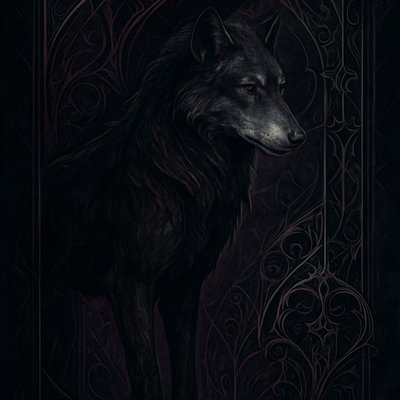
animal standing in natural pose
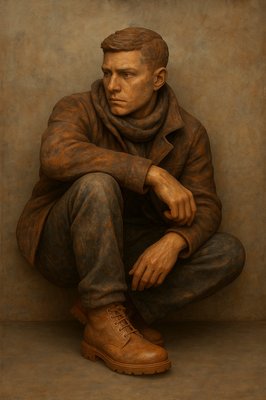
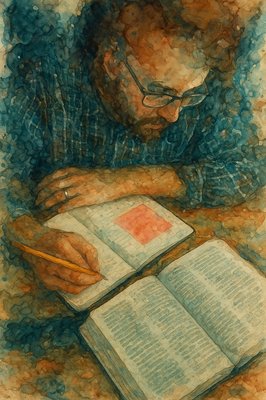
portrait of a person with expressive eyes
Landscape
Dragon
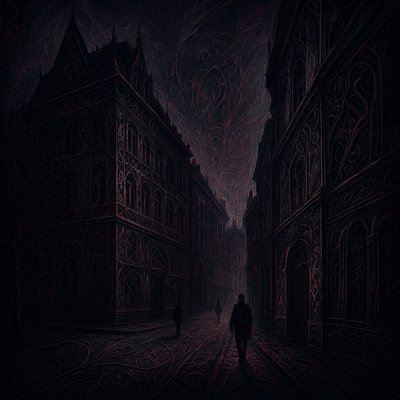
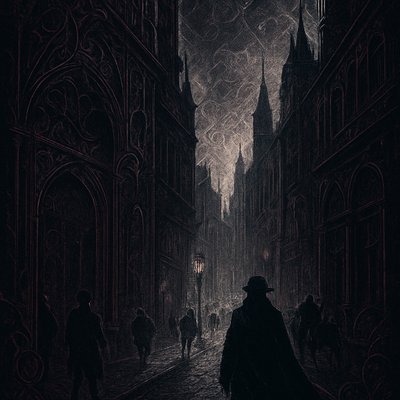
urban street with city activity
a tree in nature
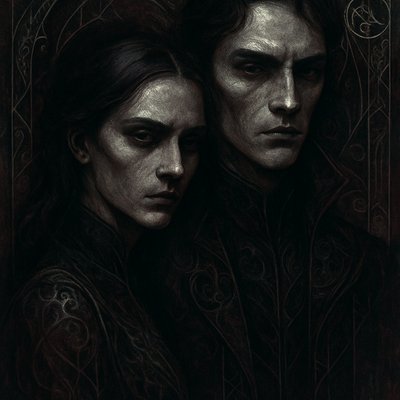
portrait of two people together
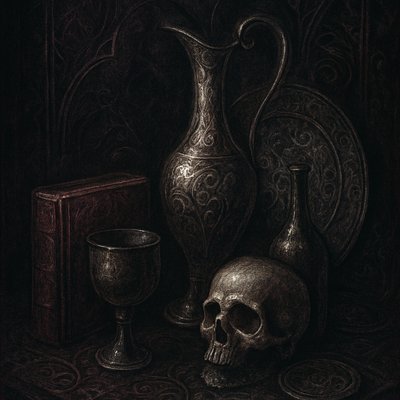
still life with everyday objects
animal standing in natural pose
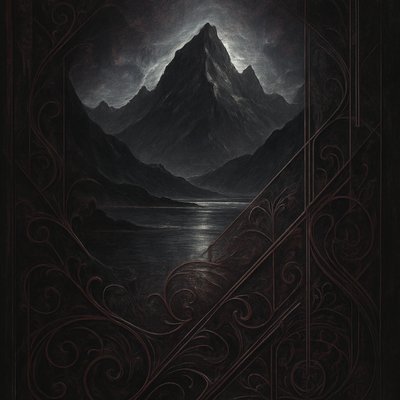
serene landscape with mountains and water
a tree in nature
urban street with city activity
animal standing in natural pose
still life with everyday objects
wide landscape with natural scenery

serene landscape with mountains and water
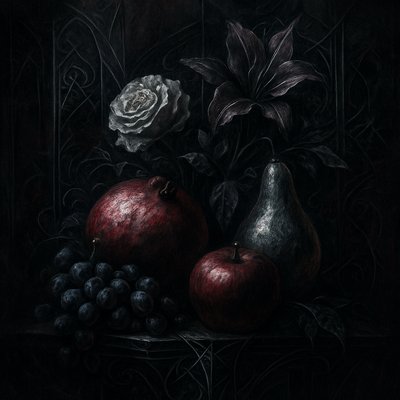
still life arrangement of fruits and flowers
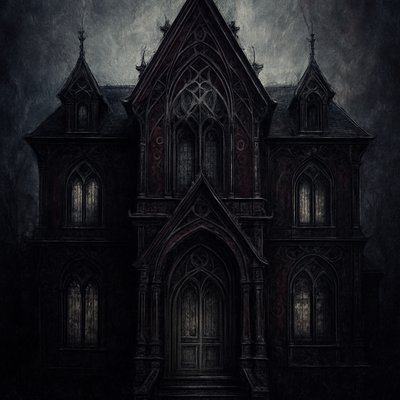
house with front view
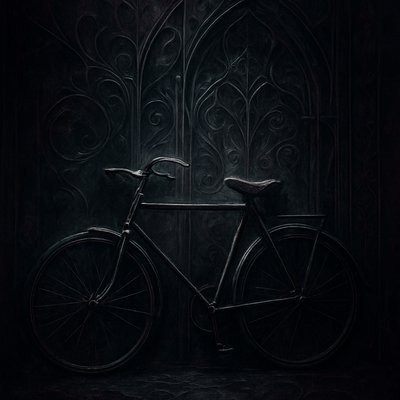
bicyle resting against a wall
urban street with city activity
portrait of two people together
still life with everyday objects
wide landscape with natural scenery
serene landscape with mountains and water
still life arrangement of fruits and flowers
Portrait
Still Life
A historically accurate and atmospheric depiction of the signing of the Mayflower Compact aboard the ship in November 1620. The scene is set in the dimly lit, cramped cabin of the Mayflower, with the ship's timbers and rigging subtly visible, conveying the challenging conditions of the voyage. A simple table or chest serves as the signing surface. The primary focus is on a small group of the last individuals signing the document: specifically, the indentured servants (or 'strangers' not directly part of the Separatist congregation) approaching or at the table. Their expressions show a mix of weary determination, understanding of the necessity, and perhaps a hint of quiet apprehension or resignation to this new social contract, given their status. They are dressed in the plain, practical clothing typical of 17th-century commoners and laborers. Figures of prominent Pilgrims or 'Saints' (like William Bradford or John Carver) are visible in the background, observing the proceedings with a sense of gravity and leadership, but they are not the central focus. The lighting is low and warm, perhaps from a lantern, creating a chiaroscuro effect that highlights the faces of the signers. The atmosphere conveys the momentousness of the act under difficult circumstances, the diverse composition of the group, and the early seeds of self-governance in a new world. The artistic style is a realistic, historically detailed oil painting, capturing the solemnity and human element of this pivotal historical moment."

a tree in nature
Generate a realistic, eye-level photograph of a white 2002 Dodge Ram 2500 pickup truck, specifically a quad cab model, pulling a 33-foot Sunnybrook Sunset Creek travel trailer. The trailer must have distinct, painted aluminum siding. The entire rig is situated in the middle of heavy, slow-moving traffic on Interstate 40 (I-40) in Amarillo, Texas, with other cars and semi-trucks visible all around. The time of day is late afternoon, with the sun casting long shadows, and the sky is clear, typical of the Texas Panhandle. The focus is on the truck and trailer, showing the details of both vehicles amidst the bustling highway environment.
A historically accurate, high-quality black and white photograph from 1943. The scene is a bustling village hall in wartime Britain, decorated with Union Jack flags and a large banner reading, "Wings for Victory - Raise Funds for the RAF."

The focus is on several pairs of dancers on a wooden floor. The main subjects are smartly dressed African American airmen in USAAF uniforms dancing with British women wearing fashionable 1940s floral print dresses. They are engaged in an energetic and joyous moment of the Lindy Hop (or Jitterbug/Swing dancing), characterized by dynamic movement, big smiles, and one pair caught in a mid-air 'breakaway' or 'swing-out' move. In the background, a small jazz band featuring a drummer and saxophone player is visible on a low stage. The atmosphere is warm, integrated, and full of the energy of an exciting, new dance style.
house with front view
portrait of two people together
animal standing in natural pose
wide landscape with natural scenery
portrait of a person with expressive eyes
still life arrangement of fruits and flowers