Mirror Compact Style Transfer Example Art

Post-Apocalyptic Sci-Fi Art Style Transfer Example
Shounen Power-Up Aura Portrait Style Transfer Example
Ukiyo-e Anime Fusion Portrait Style Transfer Example
Hyper-Realistic Miniature Diorama Art Style Transfer Example
Hand Embroidery Illustration / Textile Art Style Transfer Example

Arcade Fighter Character Select Screen Style Transfer Example
90s Anime Cell Animation Still Style Transfer Example
Post-Apocalyptic Sci-Fi Art Style Transfer Example
Alien World Sci-Fi Art Style Transfer Example
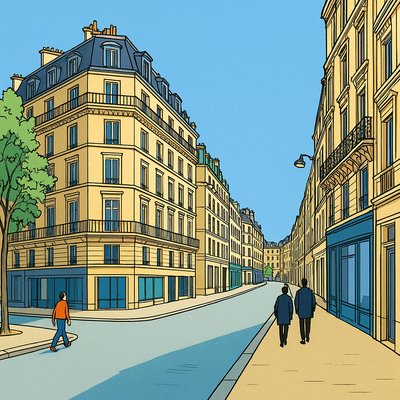
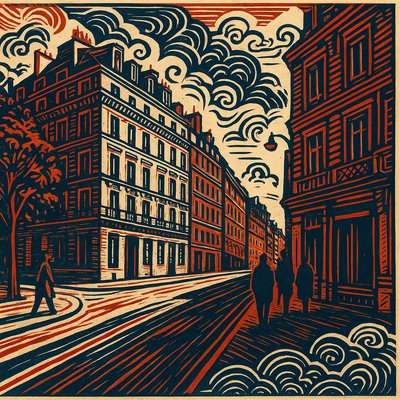
urban street with city activity
house with front view
animal standing in natural pose
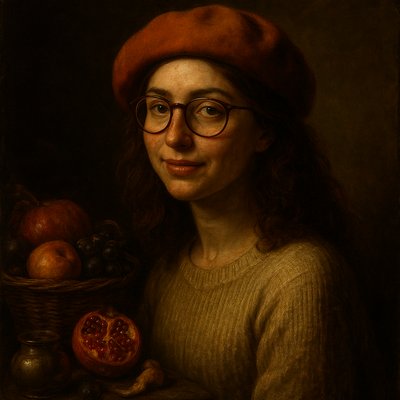
portrait of a person with expressive eyes
still life arrangement of fruits and flowers
Space Opera Sci-Fi Art Style Transfer Example
European Comic Art (Ligne Claire) Style Transfer Example
Ukiyo-e Anime Fusion Portrait Style Transfer Example
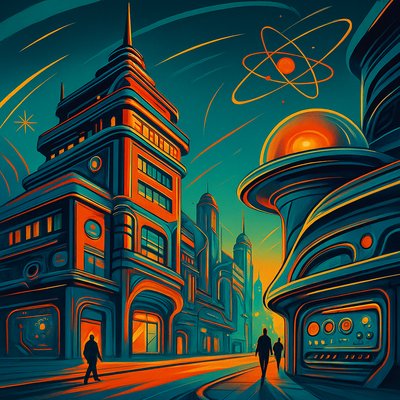
Retro Futurism Sci-Fi Art Style Transfer Example
Arcade Fighter Character Select Screen Style Transfer Example
Mid-Century Modern Interior Design Style Transfer Example

Alien World Sci-Fi Art Style Transfer Example
Space Opera Sci-Fi Art Style Transfer Example
European Comic Art (Ligne Claire) Style Transfer Example
Mid-Century Modern Furniture Art Style Transfer Example

Retro Futurism Sci-Fi Art Style Transfer Example
Mid-Century Modern Interior Design Style Transfer Example
Dutch Golden Age Still Life Art Style Style Transfer Example
a tree in nature
portrait of two people together
animal standing in natural pose
serene landscape with mountains and water
still life arrangement of fruits and flowers
portrait of a person with expressive eyes
house with front view
bicyle resting against a wall
urban street with city activity
still life with everyday objects
wide landscape with natural scenery
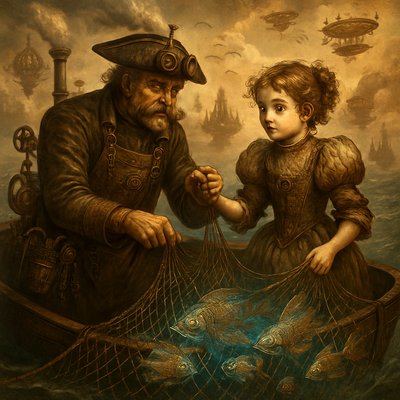
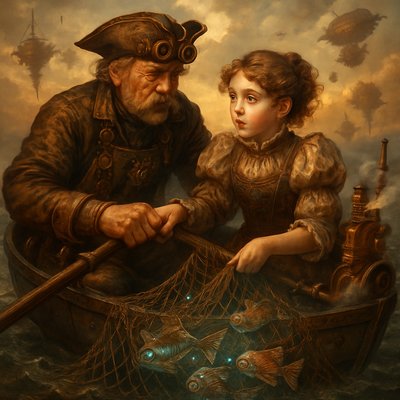
A highly detailed steampunk fantasy reimagining of Émile Renouf's "The Helping Hand" (1881), where an elderly fisherman with a weathered face, bushy mustache, brass-rimmed goggles perched on his forehead, a leather apron adorned with gears and pouches of tools, and a tricorn hat fitted with a small steam whistle,  assists a wide-eyed young girl in a frilly Victorian dress modified with corseted bodice, puffed sleeves of oil-stained fabric, and tiny mechanical bird brooch row an old sailboat with the mast down. They sit together in a compact, riveted iron sailboat propelled by a hissing steam engine at the stern, with exposed copper pipes, whirring pistons, and a propeller churning the ethereal, mist-shrouded waves of a fantastical ocean dotted with floating clockwork islands and distant airships billowing smoke. The pair collaboratively hauls a massive, enchanted fishing net woven with glowing aether filaments and brass weights, teeming with bioluminescent mechanical fish hybrids—scales of etched metal and fins like unfolding fans—symbolizing intergenerational ingenuity and wonder. Render in intricate digital art style blending Victorian engraving precision with fantastical whimsy, warm sepia tones accented by burnished golds, verdigris greens, and sparks of arcane blue energy, dramatic chiaroscuro lighting from a setting sun filtered through industrial haze, ultra-detailed textures on leather, rust, and fabric, cinematic composition with dynamic tension in their clasped hands
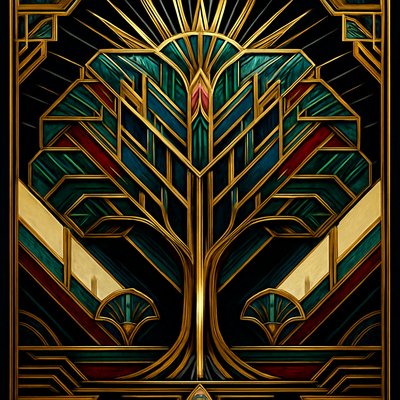
Deco cocktail lounge
A historically accurate and atmospheric depiction of the signing of the Mayflower Compact aboard the ship in November 1620. The scene is set in the dimly lit, cramped cabin of the Mayflower, with the ship's timbers and rigging subtly visible, conveying the challenging conditions of the voyage. A simple table or chest serves as the signing surface. The primary focus is on a small group of the last individuals signing the document: specifically, the indentured servants (or 'strangers' not directly part of the Separatist congregation) approaching or at the table. Their expressions show a mix of weary determination, understanding of the necessity, and perhaps a hint of quiet apprehension or resignation to this new social contract, given their status. They are dressed in the plain, practical clothing typical of 17th-century commoners and laborers. Figures of prominent Pilgrims or 'Saints' (like William Bradford or John Carver) are visible in the background, observing the proceedings with a sense of gravity and leadership, but they are not the central focus. The lighting is low and warm, perhaps from a lantern, creating a chiaroscuro effect that highlights the faces of the signers. The atmosphere conveys the momentousness of the act under difficult circumstances, the diverse composition of the group, and the early seeds of self-governance in a new world. The artistic style is a realistic, historically detailed oil painting, capturing the solemnity and human element of this pivotal historical moment."