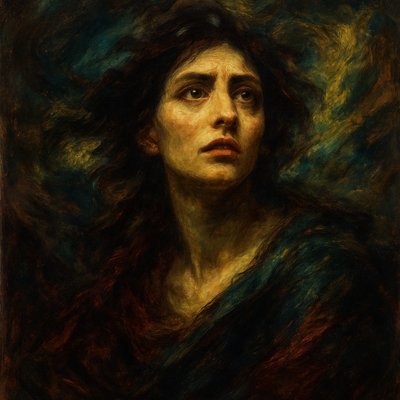
Melancholic Figure Contemplating Nature's Beauty In The Art Style Of Romanticism V 6.1 Art

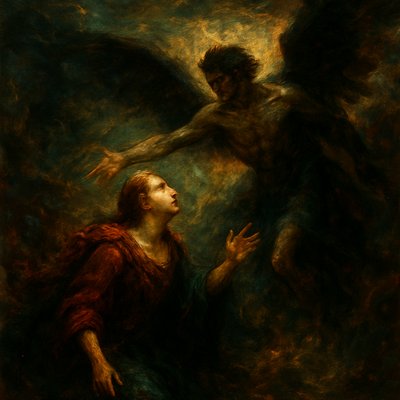
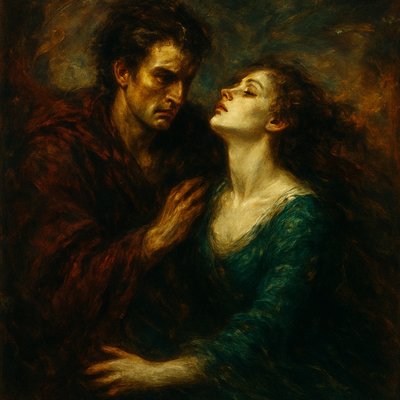
Passionate scene from literature or folklore in the art style of Romanticism --v 6.1
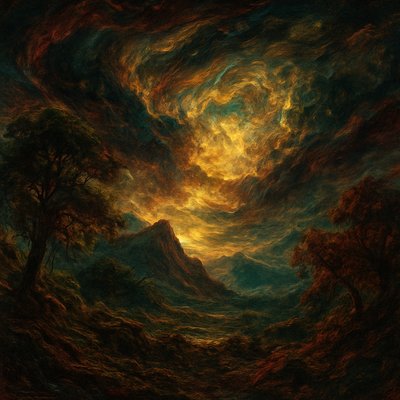
Sublime landscape with stormy sky and lone figure in the art style of Romanticism --v 6.1
Historical battle scene with emotional intensity in the art style of Romanticism --v 6.1
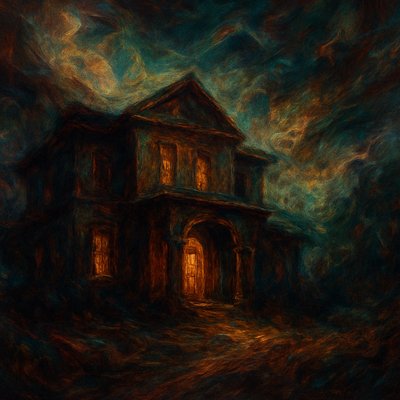
Gothic revival architecture with dramatic lighting in the art style of Romanticism --v 6.1
Historical battle scene with emotional intensity in the art style of Romanticism --v 6.1
Gothic revival architecture with dramatic lighting in the art style of Romanticism --v 6.1
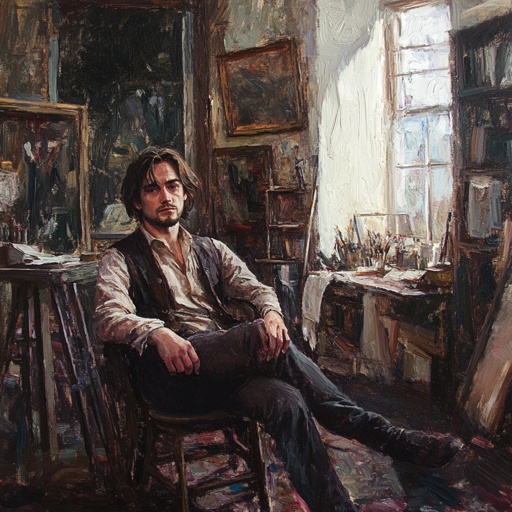
Portrait of a brooding artist in their studio in the art style of Romanticism --v 6.1
house with front view
Portrait of a brooding artist in their studio in the art style of Romanticism --v 6.1
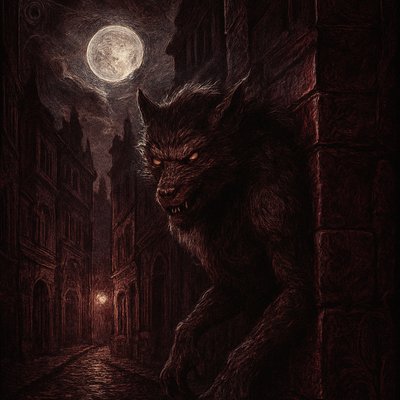
A dramatic black-and-white engraving in the style of Gustave Doré, depicting a menacing werewolf lurking in the shadows of an old European city street at night. The creature hides behind a stone building corner, partially illuminated by cold moonlight that casts deep, dramatic shadows. The scene evokes the ominous mood of a wanted poster but includes no text or framing. Render with intricate linework, fine etching details, high contrast, and rich textures reminiscent of 19th-century woodcut engravings.
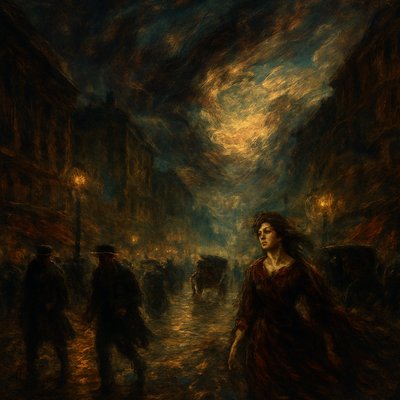
urban street with city activity
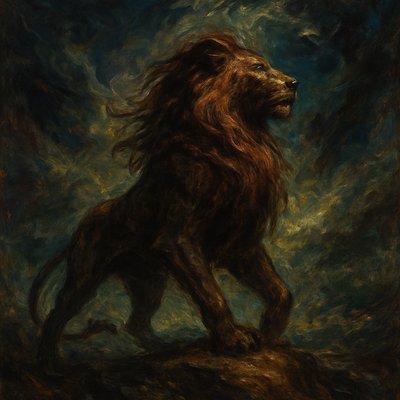
animal standing in natural pose
https://youtu.be/KgWm047RU7E?si=WddzumUKlw2KyyaI
bicyle resting against a wall
portrait of two people together
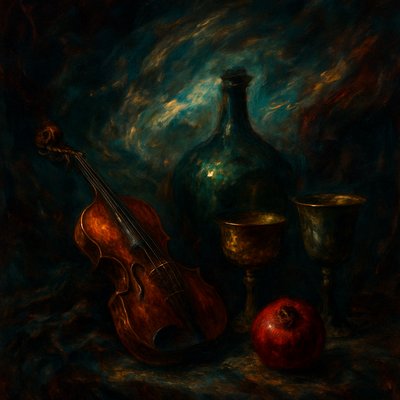
still life with everyday objects
wide landscape with natural scenery
portrait of a person with expressive eyes
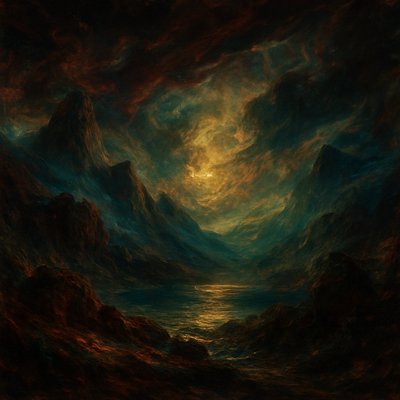
serene landscape with mountains and water
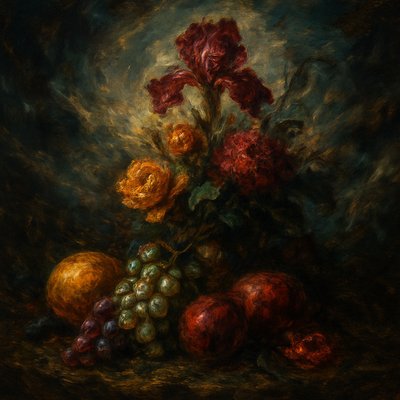
still life arrangement of fruits and flowers
Dramatic seascape with shipwreck and turbulent waves in the art style of Romanticism --v 6.1
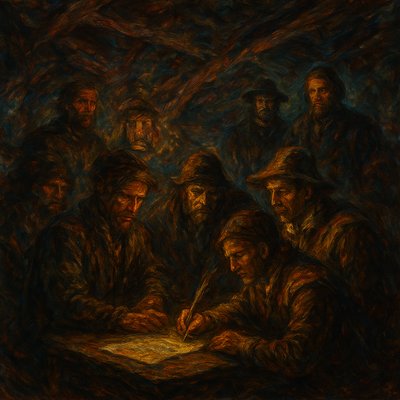
A historically accurate and atmospheric depiction of the signing of the Mayflower Compact aboard the ship in November 1620. The scene is set in the dimly lit, cramped cabin of the Mayflower, with the ship's timbers and rigging subtly visible, conveying the challenging conditions of the voyage. A simple table or chest serves as the signing surface. The primary focus is on a small group of the last individuals signing the document: specifically, the indentured servants (or 'strangers' not directly part of the Separatist congregation) approaching or at the table. Their expressions show a mix of weary determination, understanding of the necessity, and perhaps a hint of quiet apprehension or resignation to this new social contract, given their status. They are dressed in the plain, practical clothing typical of 17th-century commoners and laborers. Figures of prominent Pilgrims or 'Saints' (like William Bradford or John Carver) are visible in the background, observing the proceedings with a sense of gravity and leadership, but they are not the central focus. The lighting is low and warm, perhaps from a lantern, creating a chiaroscuro effect that highlights the faces of the signers. The atmosphere conveys the momentousness of the act under difficult circumstances, the diverse composition of the group, and the early seeds of self-governance in a new world. The artistic style is a realistic, historically detailed oil painting, capturing the solemnity and human element of this pivotal historical moment."
Artwork depicting expanded states of consciousness in the art style of Visionary Art --v 6.1
Storm over ancient castle
Grand manner portrait of a notable figure in the art style of Academic Art --v 6.1
Mountain valley vista
Landscape with dreamy, idealized natural beauty in the art style of Aestheticism --v 6.1