Matte Painting Digital Art Style Style Transfer Example Art

a painting of a woman looking in a mirror
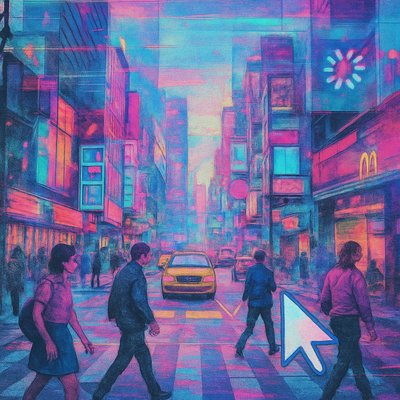
urban street with city activity
a tree in nature
house with front view
bicyle resting against a wall
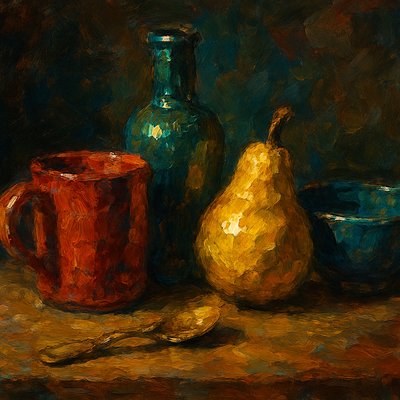
still life with everyday objects
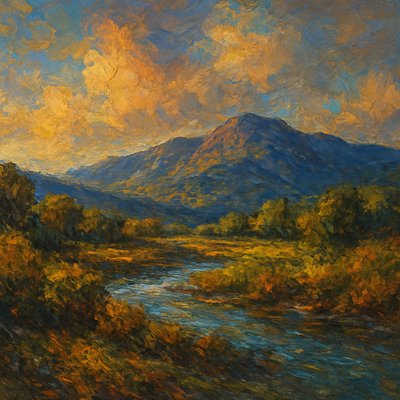
wide landscape with natural scenery
still life arrangement of fruits and flowers
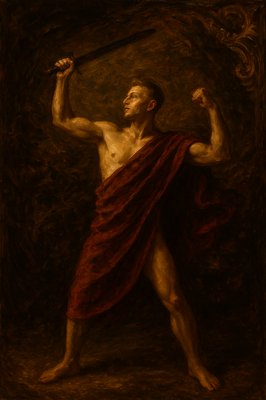
a painting of a man with a knife in his hand
a painting of a man with a ring around his neck
a tree in nature
urban street with city activity
animal standing in natural pose
bicyle resting against a wall
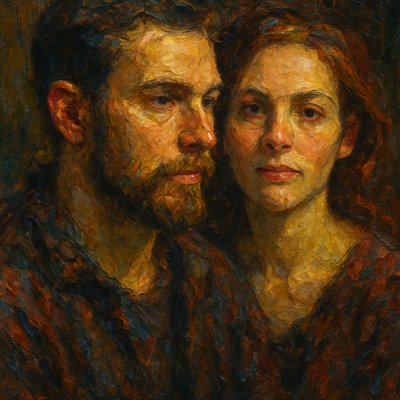
portrait of two people together
wide landscape with natural scenery
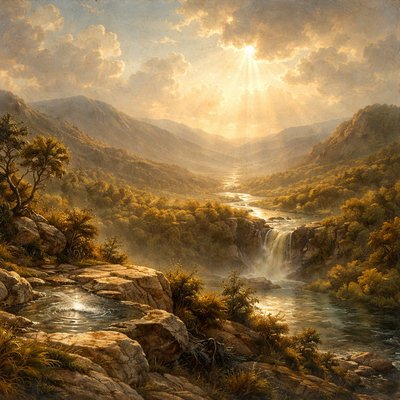
serene landscape with mountains and water
portrait of a person with expressive eyes
New York City
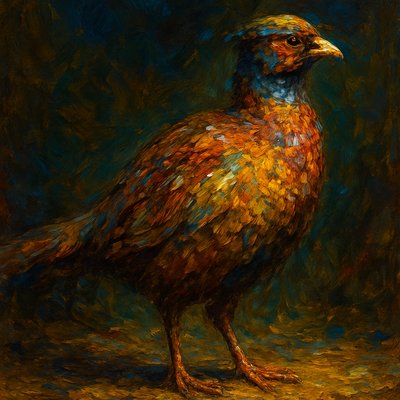
a tree in nature
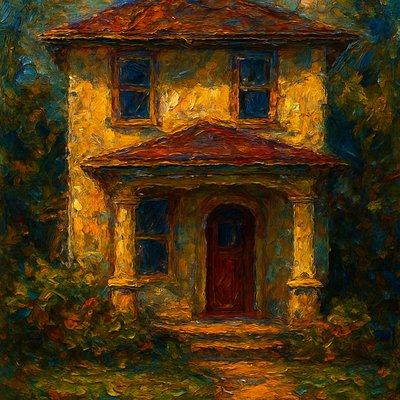
house with front view
bicyle resting against a wall
still life with everyday objects
animal standing in natural pose
wide landscape with natural scenery
portrait of a person with expressive eyes
Banquet table with oysters and wine
in the style of John Atkinson Grimshaw,
bird’s‑eye view, camera looking downward from a moderate height over hot air balloons rising steadily and moving with the wind through clear blue skies,
subtle curvature of the landscape visible below,
rich jewel‑tone reds, teals, and golds catching warm natural sunlight, realistic wind‑driven motion, natural directional flow, a hillside overlook below with small groups of people watching the balloons, holding umbrellas for shade, wearing Victorian‑style clothing,
long tailored coats, layered skirts, high collars,
grounded composition, realistic atmospheric depth, cinematic painterly
in the style of John Atkinson Grimshaw,
bird’s‑eye view, camera looking downward from a moderate height over hot air balloons rising steadily and moving with the wind through clear blue skies,
subtle curvature of the landscape visible below,
rich jewel‑tone reds, teals, and golds catching warm natural sunlight, realistic wind‑driven motion, natural directional flow, a hillside overlook below with small groups of people watching the balloons, holding umbrellas for shade, wearing Victorian‑style clothing,
long tailored coats, layered skirts, high collars,
grounded composition, realistic atmospheric depth, cinematic painterly
a tree in nature
house with front view
urban street with city activity
animal standing in natural pose
wide landscape with natural scenery
serene landscape with mountains and water
still life arrangement of fruits and flowers
a painting of people walking down a city street
A historically accurate and atmospheric depiction of the signing of the Mayflower Compact aboard the ship in November 1620. The scene is set in the dimly lit, cramped cabin of the Mayflower, with the ship's timbers and rigging subtly visible, conveying the challenging conditions of the voyage. A simple table or chest serves as the signing surface. The primary focus is on a small group of the last individuals signing the document: specifically, the indentured servants (or 'strangers' not directly part of the Separatist congregation) approaching or at the table. Their expressions show a mix of weary determination, understanding of the necessity, and perhaps a hint of quiet apprehension or resignation to this new social contract, given their status. They are dressed in the plain, practical clothing typical of 17th-century commoners and laborers. Figures of prominent Pilgrims or 'Saints' (like William Bradford or John Carver) are visible in the background, observing the proceedings with a sense of gravity and leadership, but they are not the central focus. The lighting is low and warm, perhaps from a lantern, creating a chiaroscuro effect that highlights the faces of the signers. The atmosphere conveys the momentousness of the act under difficult circumstances, the diverse composition of the group, and the early seeds of self-governance in a new world. The artistic style is a realistic, historically detailed oil painting, capturing the solemnity and human element of this pivotal historical moment."
still life with everyday objects
portrait of two people together
serene landscape with mountains and water