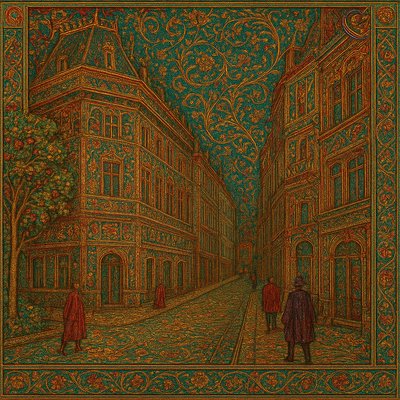
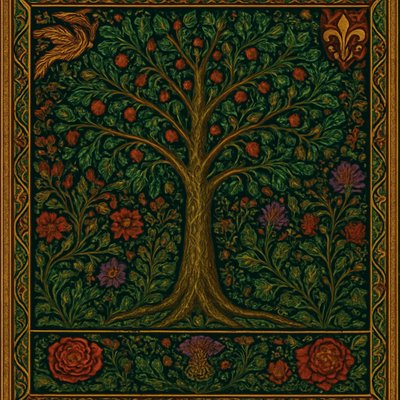
Line Of Stones Placed At Low Tide Art

Arnold Schwarzenegger, extreme caricature, enormously tall crew cut hair, massive muscles, tiny lower body, exaggerated robotic expression, big head on tiny body, thick crisp black outlines, vibrant saturated colors, clean comic illustration style
Platter with peacock and fruit garland border
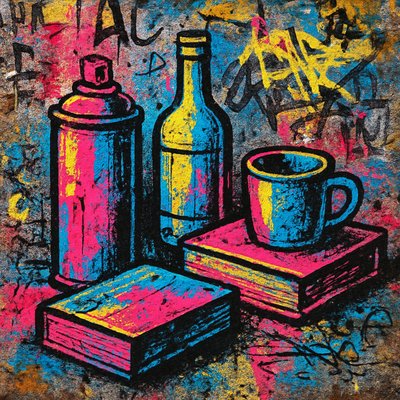
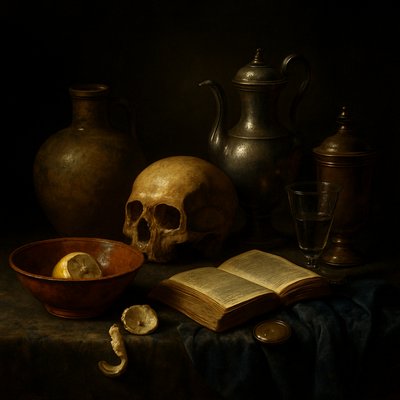
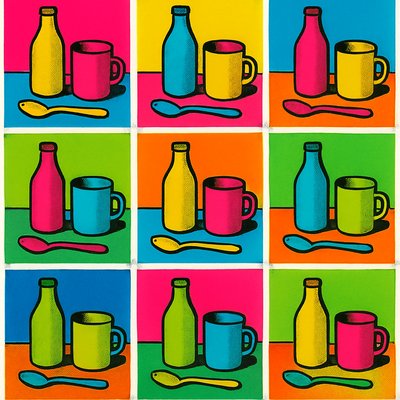
still life with everyday objects
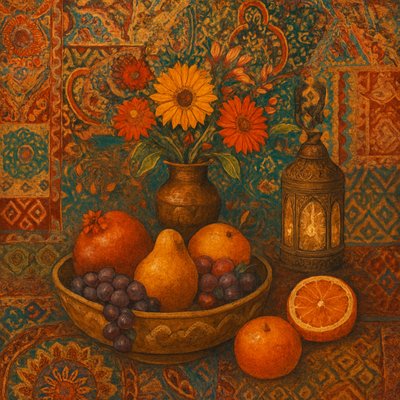
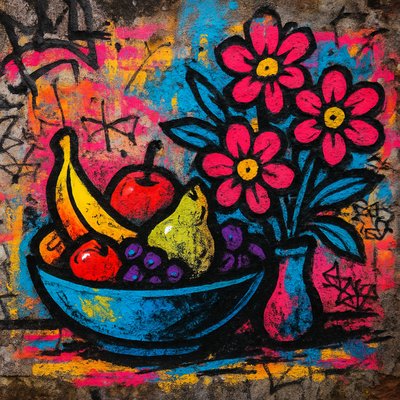
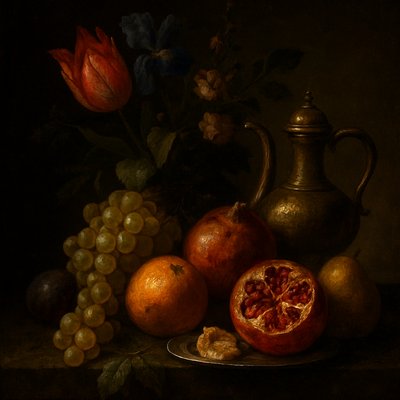
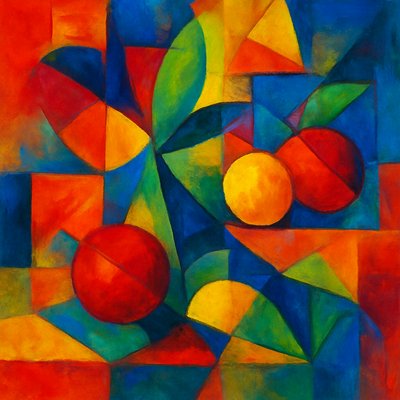
still life arrangement of fruits and flowers
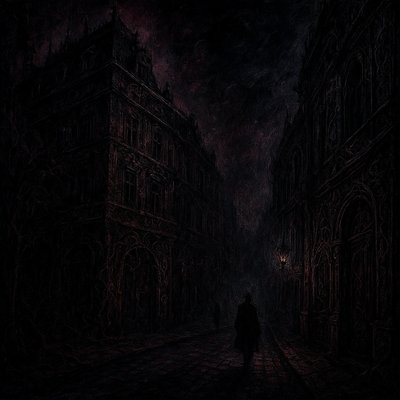
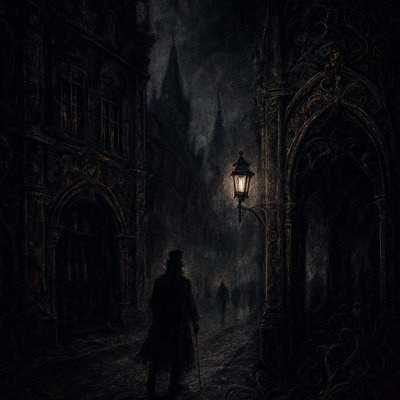
"A solitary and ominous Black Plague Doctor stands in a dimly lit, narrow cobblestone alleyway in a medieval European city. The doctor is clad head-to-toe in their iconic, dark, heavy protective gear: a long, oil-soaked waxed canvas or leather coat, dark gloves, and a wide-brimmed black hat. Their most striking feature, the beaked mask with dark, glass eyeholes, is prominent, creating an eerie, bird-like silhouette that conceals their face entirely. A wooden cane or pointer is held firmly in one gloved hand.

The atmosphere is heavy and foreboding. The background features dark, crumbling stone or timber-framed buildings with shuttered windows, hinting at a city under quarantine. Smoke or mist might subtly swirl around their feet. The lighting is stark and dramatic, perhaps from a distant lantern or a sliver of pale moonlight, casting deep shadows and highlighting the grim details of their attire. The overall mood is one of profound isolation, historical dread, and silent vigilance against an invisible enemy."
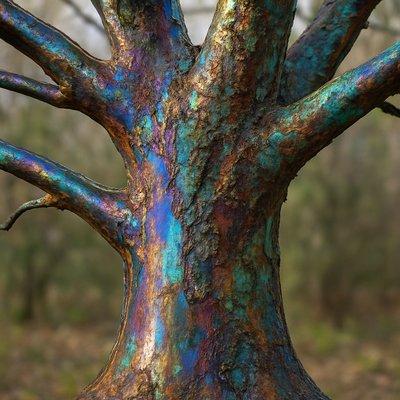
a tree in nature
house with front view
a tree in nature
house with front view
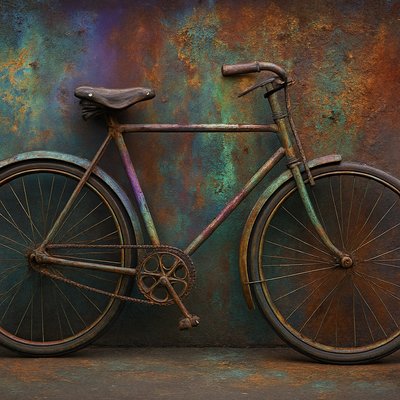
bicyle resting against a wall
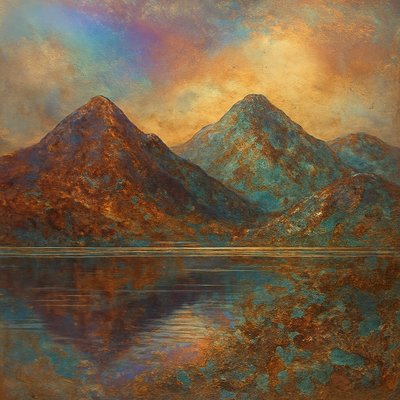
serene landscape with mountains and water
Swan with detailed feathers
Architectural Origami Narrative Style Transfer Example
urban street with city activity
animal standing in natural pose
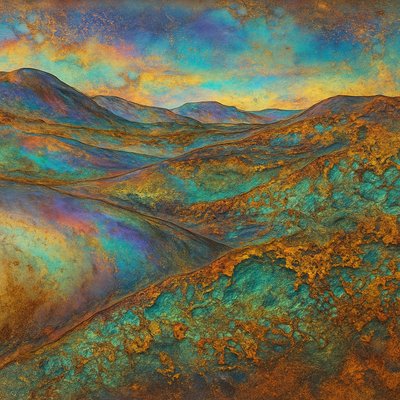
wide landscape with natural scenery
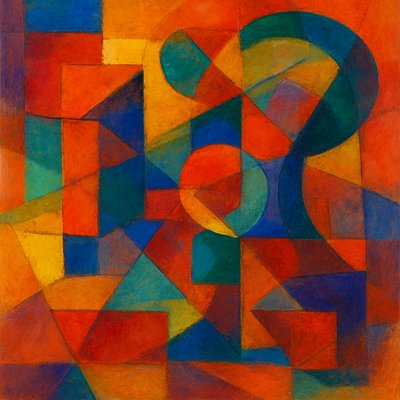
Ancient Greek Classical Art Style Style Transfer Example
still life with everyday objects
A profound and epic scene depicting the Vision of the Dry Bones from Ezekiel 37. In a desolate, vast valley, countless dry human bones are scattered, stark white and ancient. A powerful, divine wind (ruach) swirls through the valley, imbued with a sacred, ethereal glow, causing the bones to rattle and miraculously knit together. Tendons, flesh, and skin rapidly form over the skeletal structures, transforming them into fully-formed human figures. As the divine breath enters, the figures rise, not as individuals, but as a colossal, awe-inspiring army standing upright, gazing forward with renewed life and purpose. The sky above is dramatic, perhaps with stormy clouds breaking to reveal a divine light. The overall mood is one of miraculous resurrection, immense power, and hopeful restoration."

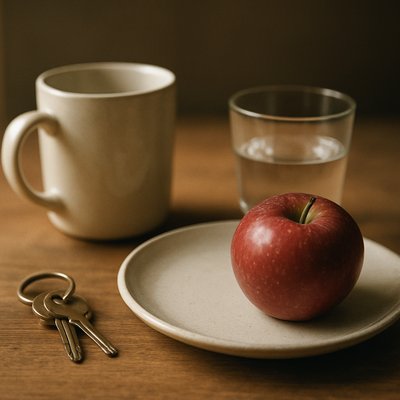
still life with everyday objects
animal standing in natural pose
still life with everyday objects
serene landscape with mountains and water
still life
still life arrangement
Seabiscuit vs. War Admiral (The Gaze)

    A hyper-realistic, high-resolution photograph capturing the apex of the 1938 match race between Seabiscuit and War Admiral.

    Focus: The composition is tight, showing both horses running neck-and-neck, dominating the frame. The camera angle is side-on and slightly low, emphasizing their size and muscle. The critical focus is on the space between the horses' heads as they are running stride for stride.

    Details: War Admiral (the dark bay) should show determination and slight surprise, with his head stretched out. Seabiscuit (the smaller bay) should display his characteristic "game" look—intense, focused, and seemingly looking directly into War Admiral's eyes (or toward his rival). Both jockeys (Red Pollard or George Woolf for Seabiscuit; Charles Kurtsinger for War Admiral) are visible, leaning low and urging their mounts on.

    Atmosphere: The light should be bright but slightly diffused, suggesting an autumn afternoon at Pimlico. Dust and track debris are kicked up behind them, blurred slightly by the horses' tremendous speed. The image must convey the raw power, intense rivalry, and the exact moment when the smaller horse asserts his dominance.

    Style: Cinematic photography, realistic texture, sharp focus on the horses' eyes and muscle definition.
Seabiscuit vs. War Admiral (The Gaze)

    A hyper-realistic, high-resolution photograph capturing the apex of the 1938 match race between Seabiscuit and War Admiral.

    Focus: The composition is tight, showing both horses running neck-and-neck, dominating the frame. The camera angle is side-on and slightly low, emphasizing their size and muscle. The critical focus is on the space between the horses' heads as they are running stride for stride.

    Details: War Admiral (the dark bay) should show determination and slight surprise, with his head stretched out. Seabiscuit (the smaller bay) should display his characteristic "game" look—intense, focused, and seemingly looking directly into War Admiral's eyes (or toward his rival). Both jockeys (Red Pollard or George Woolf for Seabiscuit; Charles Kurtsinger for War Admiral) are visible, leaning low and urging their mounts on.

    Atmosphere: The light should be bright but slightly diffused, suggesting an autumn afternoon at Pimlico. Dust and track debris are kicked up behind them, blurred slightly by the horses' tremendous speed. The image must convey the raw power, intense rivalry, and the exact moment when the smaller horse asserts his dominance.

    Style: Cinematic photography, realistic texture, sharp focus on the horses' eyes and muscle definition.
Seabiscuit vs. War Admiral (The Gaze)

    A hyper-realistic, high-resolution photograph capturing the apex of the 1938 match race between Seabiscuit and War Admiral.

    Focus: The composition is tight, showing both horses running neck-and-neck, dominating the frame. The camera angle is side-on and slightly low, emphasizing their size and muscle. The critical focus is on the space between the horses' heads as they are running stride for stride.

    Details: War Admiral (the dark bay) should show determination and slight surprise, with his head stretched out. Seabiscuit (the smaller bay) should display his characteristic "game" look—intense, focused, and seemingly looking directly into War Admiral's eyes (or toward his rival). Both jockeys (Red Pollard or George Woolf for Seabiscuit; Charles Kurtsinger for War Admiral) are visible, leaning low and urging their mounts on.

    Atmosphere: The light should be bright but slightly diffused, suggesting an autumn afternoon at Pimlico. Dust and track debris are kicked up behind them, blurred slightly by the horses' tremendous speed. The image must convey the raw power, intense rivalry, and the exact moment when the smaller horse asserts his dominance.

    Style: Cinematic photography, realistic texture, sharp focus on the horses' eyes and muscle definition.
Seabiscuit vs. War Admiral (The Gaze)

    A hyper-realistic, high-resolution photograph capturing the apex of the 1938 match race between Seabiscuit and War Admiral.

    Focus: The composition is tight, showing both horses running neck-and-neck, dominating the frame. The camera angle is side-on and slightly low, emphasizing their size and muscle. The critical focus is on the space between the horses' heads as they are running stride for stride.

    Details: War Admiral (the dark bay) should show determination and slight surprise, with his head stretched out. Seabiscuit (the smaller bay) should display his characteristic "game" look—intense, focused, and seemingly looking directly into War Admiral's eyes (or toward his rival). Both jockeys (Red Pollard or George Woolf for Seabiscuit; Charles Kurtsinger for War Admiral) are visible, leaning low and urging their mounts on.

    Atmosphere: The light should be bright but slightly diffused, suggesting an autumn afternoon at Pimlico. Dust and track debris are kicked up behind them, blurred slightly by the horses' tremendous speed. The image must convey the raw power, intense rivalry, and the exact moment when the smaller horse asserts his dominance.

    Style: Cinematic photography, realistic texture, sharp focus on the horses' eyes and muscle definition.
An incredibly detailed and profound scene depicting the Vision of the Dry Bones from Ezekiel 37. The immediate foreground features a stark, highly detailed close-up of a single ancient human skull, its empty eye sockets gazing out, perfectly rendered with realistic bone texture. Beyond this skull, stretching into the mid-ground, a vast, desolate valley is entirely carpeted with an immense, sprawling expanse of countless other ancient, stark white human bones and skulls. A powerful, divine wind (ruach), emanating an ethereal, sacred glow, swirls violently through this boneyard. This divine energy causes the bones to dramatically rattle, shift, and miraculously knit together, forming complete skeletons. Further in the background, some of these skeletons have already begun to rapidly form tendons, flesh, and skin, starting to rise as part of a nascent, colossal army. The sky above is dramatic and ominous, with streaks of divine light breaking through thick clouds. The overall mood is one of overwhelming desolation, followed by the initial, awe-inspiring moments of miraculous transformation and the promise of life."
still life with everyday objects
Modern Architecture Art Style Transfer Example
Installation Modern Art Style Style Transfer Example
Urban Alienation Expressionism Art Style Style Transfer Example
a tree in nature
bicyle resting against a wall
wide landscape with natural scenery
serene landscape with mountains and water