Line Of Stones Placed At Low Tide Art

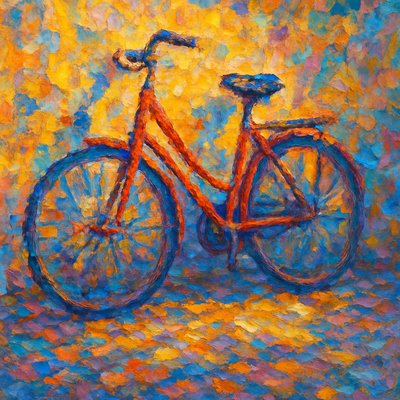
bicyle resting against a wall
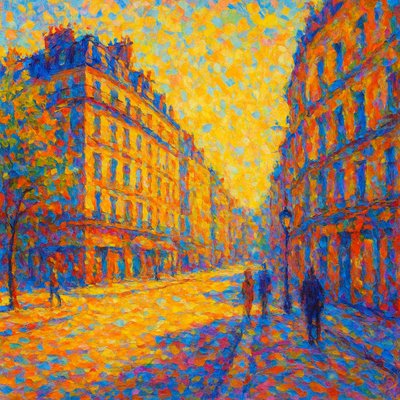
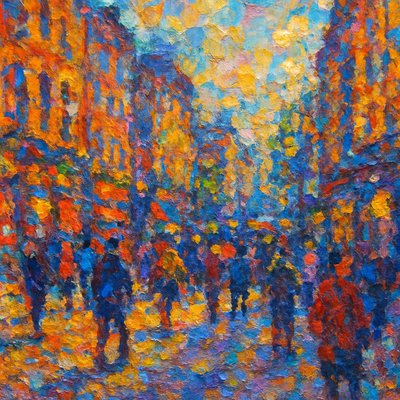
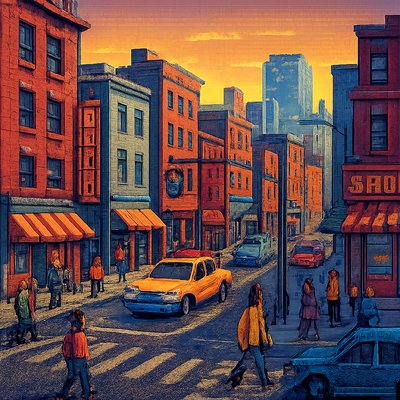
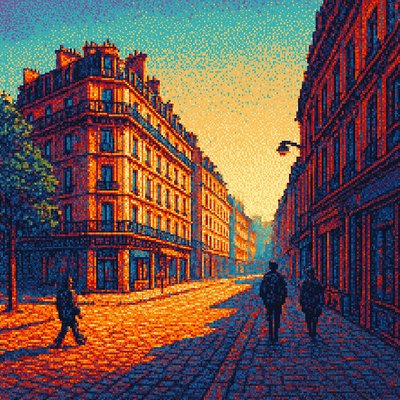
urban street with city activity
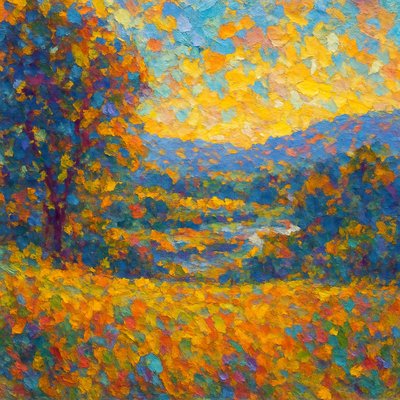
wide landscape with natural scenery

A historically accurate and atmospheric depiction of the signing of the Mayflower Compact aboard the ship in November 1620. The scene is set in the dimly lit, cramped cabin of the Mayflower, with the ship's timbers and rigging subtly visible, conveying the challenging conditions of the voyage. A simple table or chest serves as the signing surface. The primary focus is on a small group of the last individuals signing the document: specifically, the indentured servants (or 'strangers' not directly part of the Separatist congregation) approaching or at the table. Their expressions show a mix of weary determination, understanding of the necessity, and perhaps a hint of quiet apprehension or resignation to this new social contract, given their status. They are dressed in the plain, practical clothing typical of 17th-century commoners and laborers. Figures of prominent Pilgrims or 'Saints' (like William Bradford or John Carver) are visible in the background, observing the proceedings with a sense of gravity and leadership, but they are not the central focus. The lighting is low and warm, perhaps from a lantern, creating a chiaroscuro effect that highlights the faces of the signers. The atmosphere conveys the momentousness of the act under difficult circumstances, the diverse composition of the group, and the early seeds of self-governance in a new world. The artistic style is a realistic, historically detailed oil painting, capturing the solemnity and human element of this pivotal historical moment."

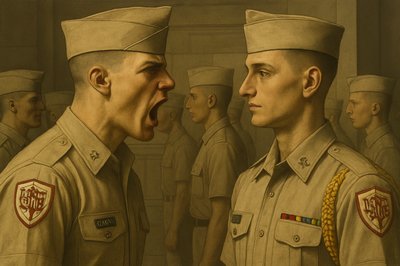
portrait of two people together
urban street with city activity
bicyle resting against a wall
portrait of two people together
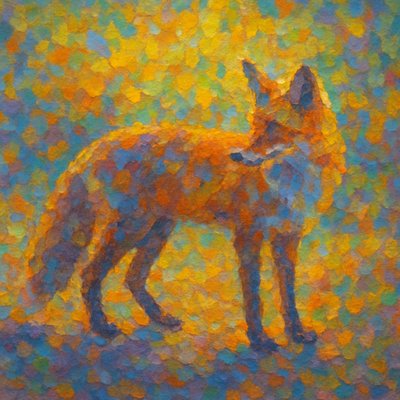
animal standing in natural pose
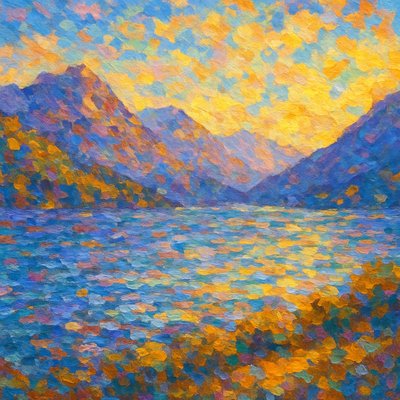
serene landscape with mountains and water
animal standing in natural pose
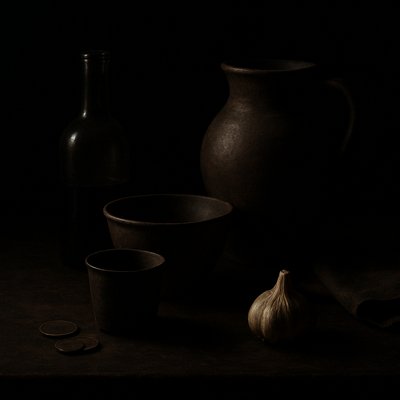
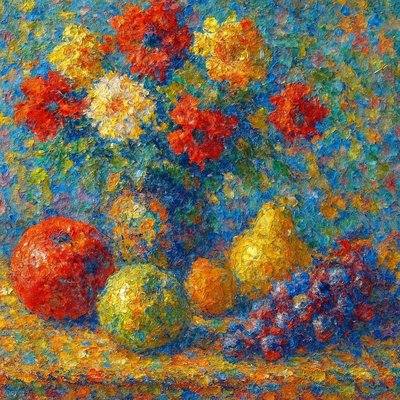
still life arrangement of fruits and flowers
portrait of a person with expressive eyes
a man sitting at a table writing on a piece of paper
Chronophotographic Mosaic Style Transfer Example
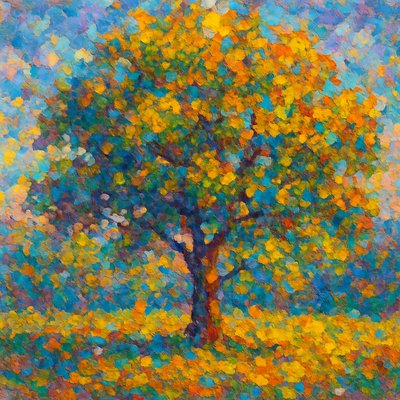
a tree in nature
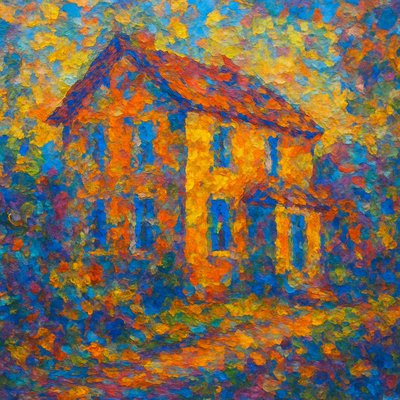
house with front view
wide landscape with natural scenery
portrait of a person with expressive eyes
Sculptural Cubism Art Style Style Transfer Example
a tree in nature
That's an excellent idea for a powerful, dramatic image. Jannes and Jambres opposing Moses is a scene that calls for intense figures and a sense of divine confrontation.

Here is a prompt for ArtStyles.com focusing on Jannes and Jambres, the Egyptian magicians who tried to replicate Moses's miracles:

Jannes and Jambres Prompt

"A dramatic, indoor scene from the Book of Exodus depicting the confrontation between Moses and the Egyptian magicians, Jannes and Jambres, in the court of Pharaoh. In the foreground, Jannes and Jambres stand proudly, dressed in ornate, gold-trimmed Egyptian robes, their faces stern and defiant. They are surrounded by their magical staffs and are attempting to replicate a miracle, perhaps surrounded by writhing, magically created snakes. Moses stands opposite them, his figure conveying authority and resolve, illuminated by a stark, celestial light. The background is a grand, dimly lit hall in the Egyptian palace, filled with massive columns and Pharaoh watching from his throne. The mood is one of intense rivalry, ancient power, and dramatic tension." "cinematic lighting, ultra-realistic, epic scale, magical energy effects"
serene landscape with mountains and water
Sculptural Cubism Art Style Style Transfer Example
portrait of two people together
urban street with city activity
wide landscape with natural scenery
still life arrangement of fruits and flowers
a tree in nature
house with front view
bicyle resting against a wall
animal standing in natural pose
portrait of a person with expressive eyes
serene landscape with mountains and water
house with front view
portrait of two people together
urban street with city activity
wide landscape with natural scenery
portrait of a person with expressive eyes
bicyle resting against a wall