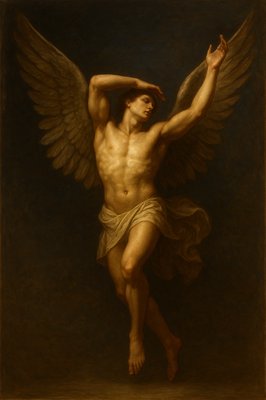
John Singer Sargent Oil Painting Style, Grand Manner Portraiture, Rich Impasto Brushwork. A Full Length, Elegant Portrait Of A Art

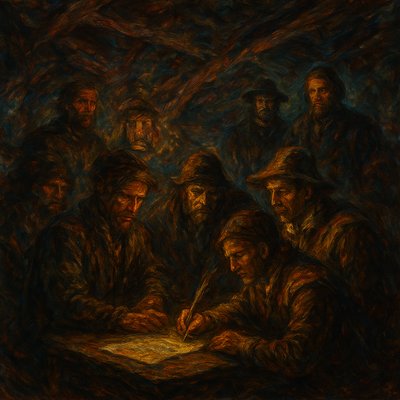
A historically accurate and atmospheric depiction of the signing of the Mayflower Compact aboard the ship in November 1620. The scene is set in the dimly lit, cramped cabin of the Mayflower, with the ship's timbers and rigging subtly visible, conveying the challenging conditions of the voyage. A simple table or chest serves as the signing surface. The primary focus is on a small group of the last individuals signing the document: specifically, the indentured servants (or 'strangers' not directly part of the Separatist congregation) approaching or at the table. Their expressions show a mix of weary determination, understanding of the necessity, and perhaps a hint of quiet apprehension or resignation to this new social contract, given their status. They are dressed in the plain, practical clothing typical of 17th-century commoners and laborers. Figures of prominent Pilgrims or 'Saints' (like William Bradford or John Carver) are visible in the background, observing the proceedings with a sense of gravity and leadership, but they are not the central focus. The lighting is low and warm, perhaps from a lantern, creating a chiaroscuro effect that highlights the faces of the signers. The atmosphere conveys the momentousness of the act under difficult circumstances, the diverse composition of the group, and the early seeds of self-governance in a new world. The artistic style is a realistic, historically detailed oil painting, capturing the solemnity and human element of this pivotal historical moment."
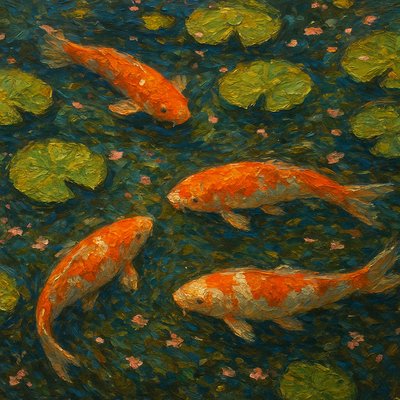
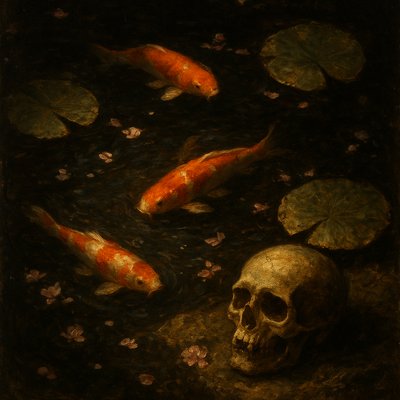
A koi pond seen from above, orange and white koi fish swimming among lily pads, clear water with subtle ripples, fallen cherry blossom petals floating on the surface, dappled sunlight
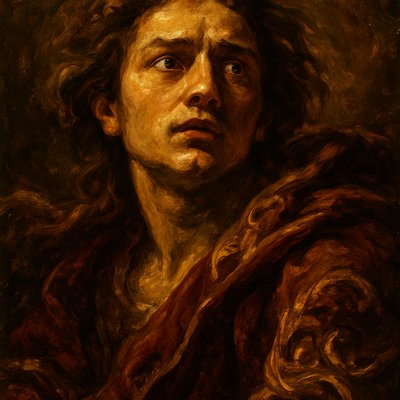
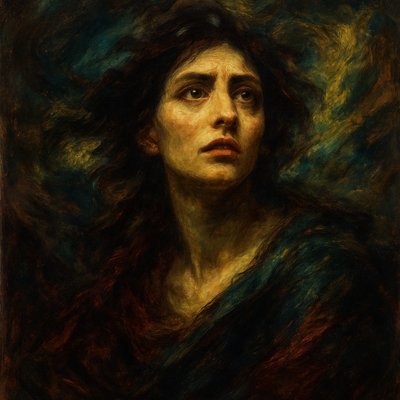
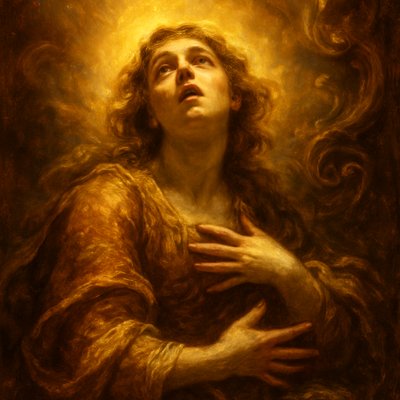
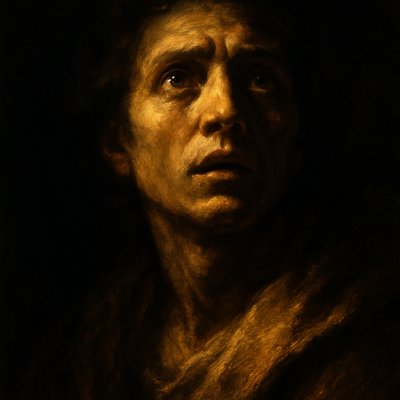
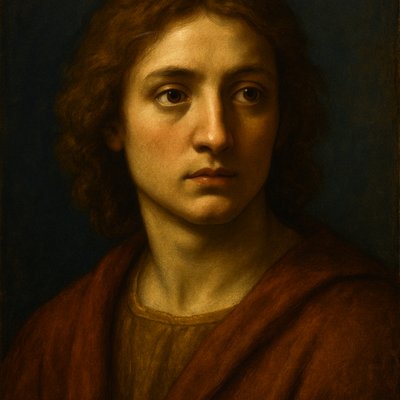
portrait of a person with expressive eyes
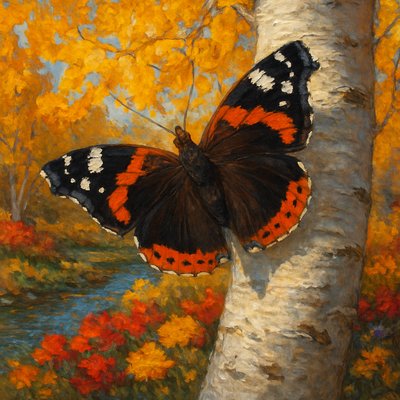
Oil Painting Art Style, a magnificent Red Admiral butterfly with its wings spread wide, revealing intricate patterns of bold black, vivid orange-red, and crisp white, firmly perched on the distinctive, textured white bark of an aspen tree. This scene is set at a lower elevation, where the aspen grows near a gently flowing stream, its banks adorned with a lush fall garden of colorful autumn flowers—deep reds, golden yellows, and fiery oranges—arranged in a picturesque display. Overhead and around, the aspen tree's own leaves are ablaze with brilliant, bright gold, adding a stunning luminosity to the scene. The entire composition is illuminated by clear, crisp autumn light, casting subtle shadows and highlighting the rich textures. Focus on the detailed brushwork on the butterfly's wings, the tangible texture of the aspen bark, and the vibrant, layered colors of the fall foliage and flowers, especially the striking golden aspen leaves, creating a detailed and serene artistic composition.
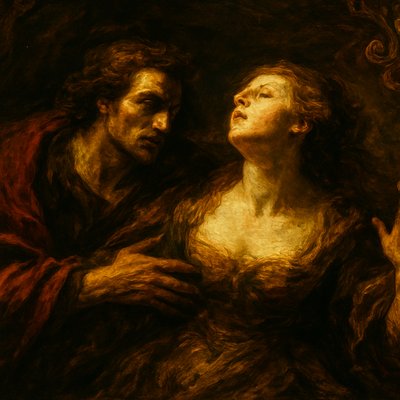
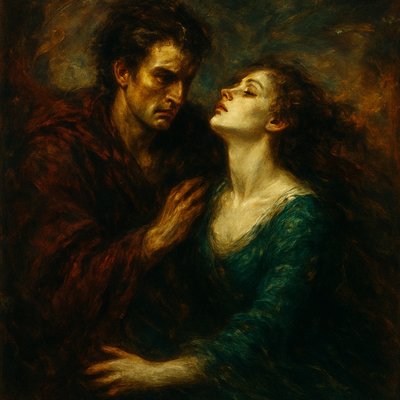
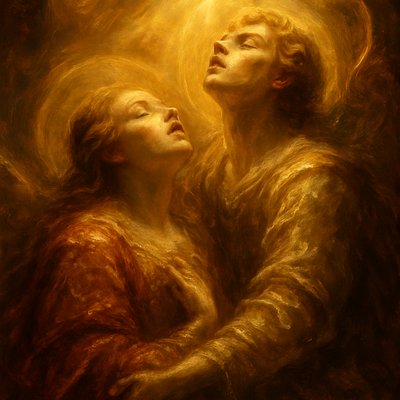
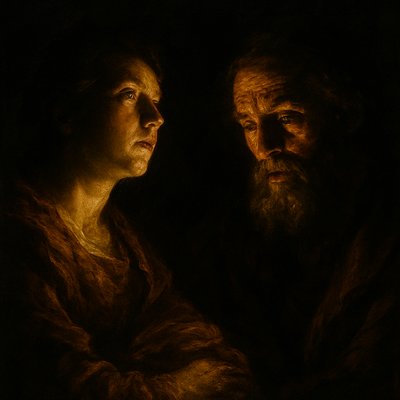
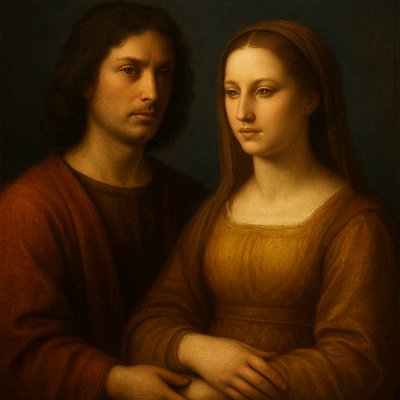
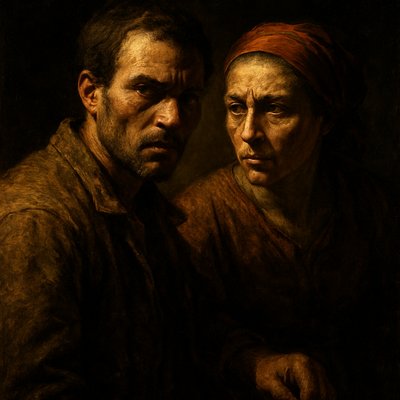
portrait of two people together
portrait of a person with expressive eyes
portrait of two people together
portrait of a person with expressive eyes
A tranquil and inviting autumn landscape, depicting a park-like setting with large trees and a central pile of fallen leaves. The trees framing the foreground and extending into the middle ground are now in their full, glorious fall colors, displaying a rich tapestry of brilliant yellows, deep oranges, fiery reds, and warm russets.
The ground is generously covered with a soft, thick carpet of fallen autumn leaves, rendered in various warm hues. A prominent, neatly gathered pile of raked leaves sits in the middle ground, inviting curiosity or play, with its textures and colors clearly visible. In the background, hints of a path or road gently wind through more fall foliage, suggesting a peaceful stroll.

The sky above is a soft, clear autumn blue, allowing warm, diffused sunlight to filter through the canopy, casting gentle shadows and highlighting the vibrant colors of the leaves both on the trees and on the ground. The overall mood is one of serene autumnal beauty, crisp air, and the pleasant, nostalgic feeling of a beautiful fall day in a park."
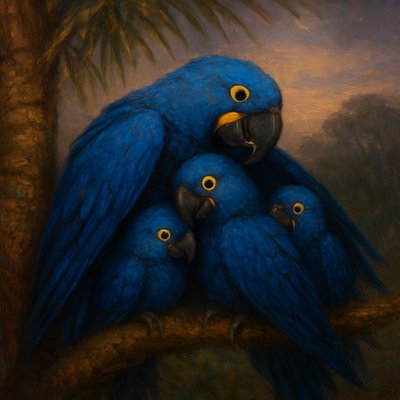
Oil Painting Art Style, a tender and protective scene featuring a small, close-knit flock of magnificent Blue Hyacinth Macaws gathering for roosting at dusk. On a sturdy branch of a tall palm tree within an open woodland, a mother Hyacinth Macaw is prominently depicted, gently extending a wing to cover a smaller, younger macaw nestled securely beneath her. The macaws, with their incredibly vibrant, deep blue plumage and striking yellow eye rings, are nestled closely together, their bodies positioned to evoke a powerful sense of being 'covered' and finding 'refuge' under a protective wing. The soft, fading twilight glow illuminates their feathers with a deep, iridescent sheen and casts gentle, lengthening shadows. The surrounding natural environment is rendered in muted, dusky tones of green and purple, creating a tranquil atmosphere of safety and secure communal rest. Focus on the exquisite detail of the macaws' feathers and tender facial expressions, particularly the mother and young, the profound warmth and security of their huddle, and the peaceful, protective mood inspired by their collective refuge.
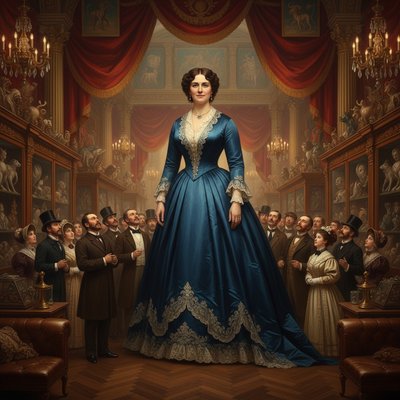
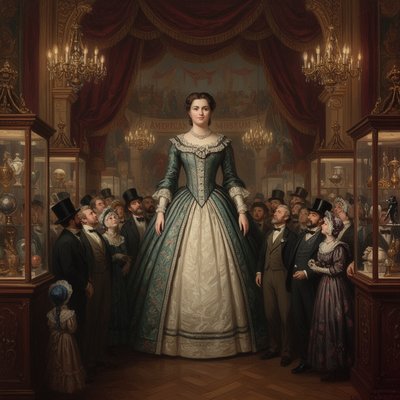
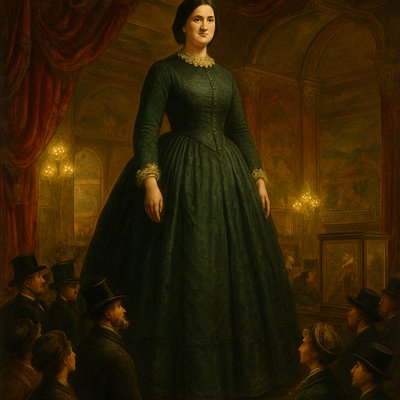
Victorian Oil Painting Art Style, Historical Digital Art Style, a rich and detailed full-body portrait of the famous giantess Anna Swan standing in the center of a lavish, gaslit exhibition hall at P.T. Barnum's American Museum in the 1860s. She is towering over the surrounding crowd of average-sized gentlemen in top hats and ladies in bonnets, whose heads only reach her waistline; they look up at her with expressions of awe and curiosity. Anna is dressed with immense dignity in a fashionable, expansive Victorian silk gown with a crinoline hoop skirt, tailored bodice, and lace trim. Her face is gentle, intelligent, and composed. The background is crowded with heavy red velvet drapery, gilded architectural details, curiosities in glass cases, and painted circus banners faintly visible. The lighting is warm, dramatic gaslight, creating deep shadows and highlighting the rich fabrics and the incredible scale of Anna Swan compared to her environment.
a tree in nature
bicyle resting against a wall
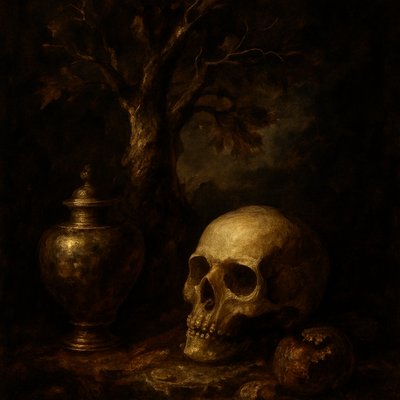
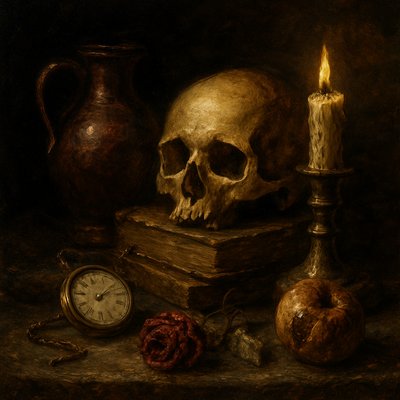
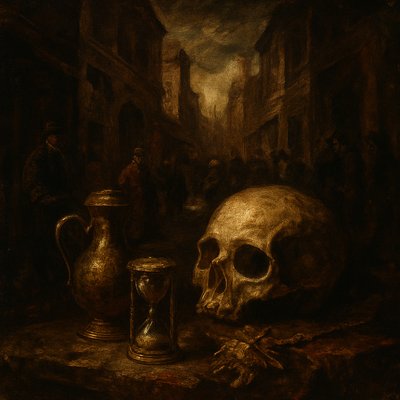
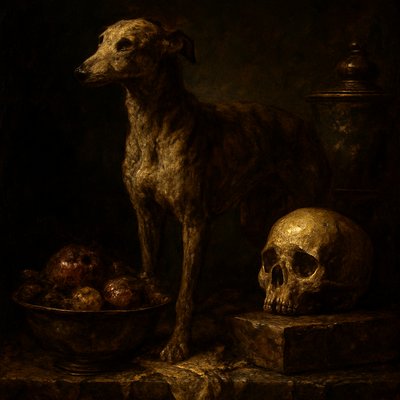
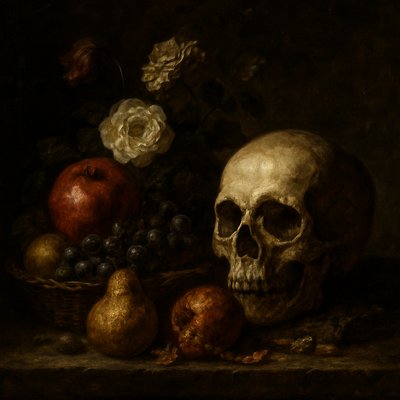
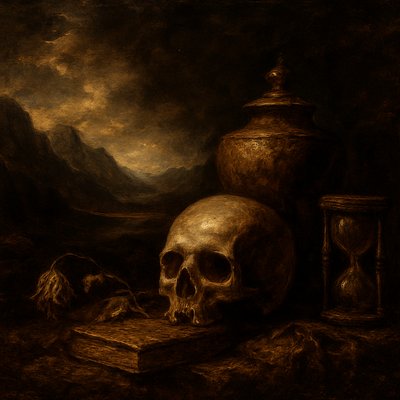
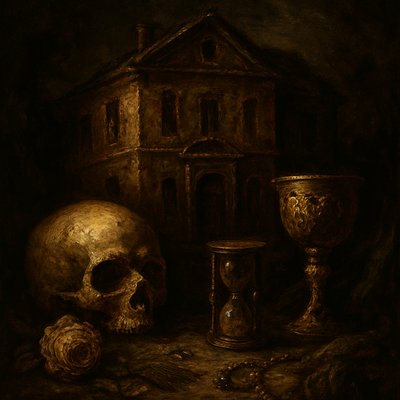
Baroque Vanitas Still Life Art Style Style Transfer Example
still life with everyday objects
urban street with city activity
animal standing in natural pose
still life arrangement of fruits and flowers
Baroque Vanitas Still Life Art Style Style Transfer Example
serene landscape with mountains and water
portrait of a person with expressive eyes
wide landscape with natural scenery
house with front view
portrait of two people together
Epic Biblical Baroque Painting Style, High-Contrast Tenebrism Lighting, Supernatural Realism. A monumental, earth-shattering scene at Golgotha at the precise moment of death.

The Central Figure: Jesus hangs lifelessly on a rough wooden cross, head bowed in finality, his body pale and scarred. A subtle, fading divine light emanates from him. The titulus above his head reads "INRI."

The Manifestation of the Roar (Jasher 54 influence): At the very instant of his death, the environment is violently convulsing, visualizing the "roar" of Judah echoing through time. Behind and above the cross, the dark, stormy clouds are being ripped apart by a massive, translucent ethereal manifestation of a roaring Lion's head formed from dust, lightning, and golden spiritual energy.

The Environmental Impact: The ground beneath the cross is cracking open with deep fissures. Massive boulders are shattering into dust mid-air. The temple veil in the distant city background is visibly tearing top-to-bottom.

The Human Reaction: Below the cross, the scene is one of absolute supernatural terror (as described in Jasher). Roman centurions are cowering on the ground, covering their ears, their helmets knocked off. Horses are rearing wildly, throwing their riders. The few followers present (Mary, John) are driven to their knees, not just in grief, but overwhelmed by the physical force of the cosmic event. The lighting is a chaotic mix of deep eclipse shadow and blinding bursts of supernatural golden-red light from the roaring manifestation.
portrait of a person with expressive eyes
portrait of two people together
A koi pond seen from above, orange and white koi fish swimming among lily pads, clear water with subtle ripples, fallen cherry blossom petals floating on the surface, dappled sunlight
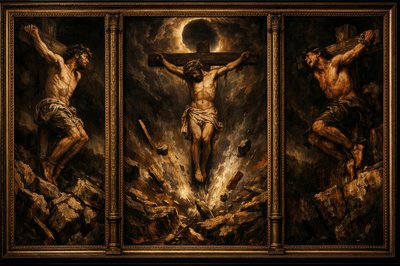
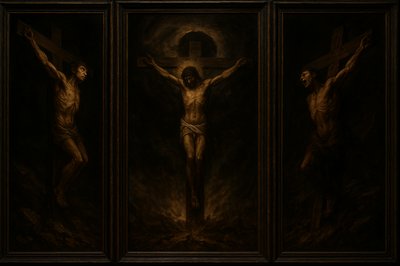
A triptych oil painting, presented as three heavily framed, connected panels in the dramatic, tenebrism style of Baroque masters like Caravaggio. The overall atmosphere is one of supernatural, oppressive darkness and violent chaos.

The Left Panel shows the penitent thief on his cross, body twisted in pain but his face turned toward the center panel with a look of sorrowful acceptance. A faint, supernatural light illuminates his face against a nearly black sky. Below him, rocks are splitting.

The Center Panel is dominated by Jesus on the cross, head bowed in finality. The sky is a swirling vortex of eclipse darkness, blotting out the sun. The ground beneath the cross is violently cracking open, emitting dust and smoke, with debris caught in mid-air from the earthquake shockwave.

The Right Panel shows the impenitent thief, writhing and screaming against his bonds, his face contorted in rage looking away from the center. He is almost swallowed by the shadows. The cross appears unstable as the cliffside crumbles beneath it. The entire triptych has a rich, dark color palette of deep browns, blacks, and muted crimson, textured with visible, frantic brushstrokes.
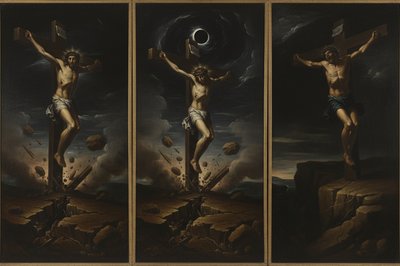
A triptych oil painting, presented as three heavily framed, connected panels in the dramatic, tenebrism style of Baroque masters like Caravaggio. The overall atmosphere is one of supernatural, oppressive darkness and violent chaos.

The Left Panel shows the penitent thief on his cross, body twisted in pain but his face turned toward the center panel with a look of sorrowful acceptance. A faint, supernatural light illuminates his face against a nearly black sky. Below him, rocks are splitting.

The Center Panel is dominated by Jesus on the cross, head bowed in finality. The sky is a swirling vortex of eclipse darkness, blotting out the sun. The ground beneath the cross is violently cracking open, emitting dust and smoke, with debris caught in mid-air from the earthquake shockwave.

The Right Panel shows the impenitent thief, writhing and screaming against his bonds, his face contorted in rage looking away from the center. He is almost swallowed by the shadows. The cross appears unstable as the cliffside crumbles beneath it. The entire triptych has a rich, dark color palette of deep browns, blacks, and muted crimson, textured with visible, frantic brushstrokes.
A triptych oil painting, presented as three heavily framed, connected panels in the dramatic, tenebrism style of Baroque masters like Caravaggio. The overall atmosphere is one of supernatural, oppressive darkness and violent chaos.

The Left Panel shows the penitent thief on his cross, body twisted in pain but his face turned toward the center panel with a look of sorrowful acceptance. A faint, supernatural light illuminates his face against a nearly black sky. Below him, rocks are splitting.

The Center Panel is dominated by Jesus on the cross, head bowed in finality. The sky is a swirling vortex of eclipse darkness, blotting out the sun. The ground beneath the cross is violently cracking open, emitting dust and smoke, with debris caught in mid-air from the earthquake shockwave.

The Right Panel shows the impenitent thief, writhing and screaming against his bonds, his face contorted in rage looking away from the center. He is almost swallowed by the shadows. The cross appears unstable as the cliffside crumbles beneath it. The entire triptych has a rich, dark color palette of deep browns, blacks, and muted crimson, textured with visible, frantic brushstrokes.
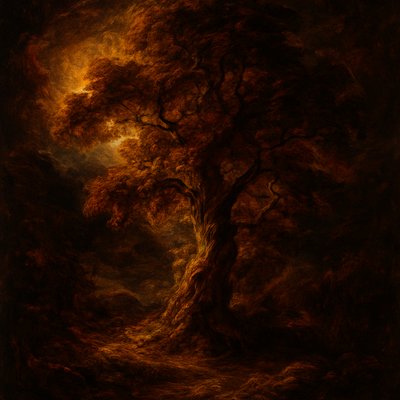
a tree in nature
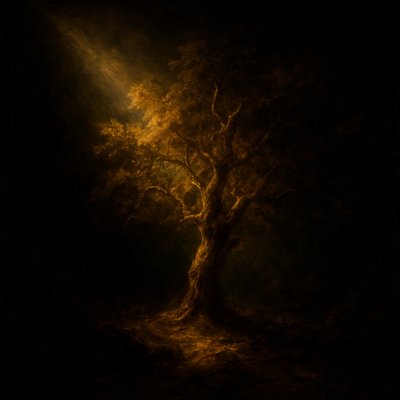
a tree in nature
a painting of a man with angel wings
portrait of a person with expressive eyes
a painting of jesus holding a wooden box