Jesus Christ Lord And King Over All Art

Tiny Horse Inside a Glass Ornament
a clear glass christmas ornament containing a miniature horse scene, glowing fairy lights, gentle snowfall particles inside, hyper-detailed reflections, delicate glass texture, whimsical fantasy realism, dreamy warm lighting, bokeh background
Gingerbread Horse Village on a table beautifully decorated for a Christmas party with  tiny gingerbread horses, little houses made of cookie and icing, warm golden bakery glow, cinnamon and molasses textures, holiday whimsy, soft shadowing, charming handcrafted style, cinematic close-up composition

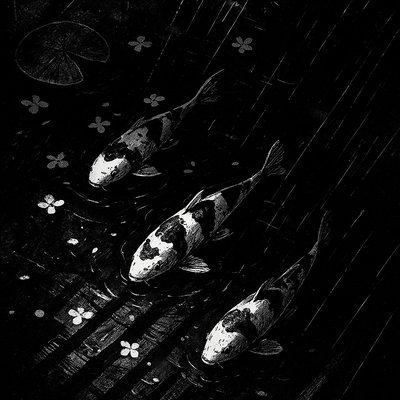
A koi pond seen from above, orange and white koi fish swimming among lily pads, clear water with subtle ripples, fallen cherry blossom petals floating on the surface, dappled sunlight

 a whimsical christmas tree made of cats, with many small cats stacked on top to form the shape of an xmas star, white background, simple watercolor style, minimalism, pastel tones, simple details, hand-drawn illustration, pasted picture, simple lines, simple drawing style, white background, white space

Cinematic Still Life Photography, Atmospheric Chiaroscuro Lighting, Macro Details. A high-stakes chess game mid-match, set upon a unique, well-worn board inside the dimly lit quarters of a pirate captain.

The Board: The chessboard isn't separate; the squares are carved directly into the surface of a thick, heavy oak table, stained with rum rings and knife marks. The light squares are inlaid, scratched mother-of-pearl, and the dark squares are burned wood.

The Pieces in Play: The unique pirate-themed pieces (from the previous design) are scattered across the board.

    One side (The 'White' pieces): Carved from aged, yellowed whale bone. A "King Captain" piece is cornered behind a line of "Pawn Deckhands."

    The other side (The 'Black' pieces): Cast from heavy, tarnished blackened iron. An iron "Knight Boarding Party" piece (on a rope swing) is aggressively positioned near the center.

The Atmosphere: The scene is lit dramatically by a single, smoky oil lantern hanging overhead, casting long shadows. Scattered around the board on the table are a few real gold doubloons mixed with captured pieces, a half-empty bottle of grog, and a rolled-up parchment chart. The background is dark wood paneling and a glimpse of a flintlock pistol. The focus is razor-sharp on the textures of the carved bone and corroded iron pieces.
Cinematic Still Life Photography, Atmospheric Chiaroscuro Lighting, Macro Details. A high-stakes chess game mid-match, set upon a unique, well-worn board inside the dimly lit quarters of a pirate captain.

The Board: The chessboard isn't separate; the squares are carved directly into the surface of a thick, heavy oak table, stained with rum rings and knife marks. The light squares are inlaid, scratched mother-of-pearl, and the dark squares are burned wood.

The Pieces in Play: The unique pirate-themed pieces (from the previous design) are scattered across the board.

    One side (The 'White' pieces): Carved from aged, yellowed whale bone. A "King Captain" piece is cornered behind a line of "Pawn Deckhands."

    The other side (The 'Black' pieces): Cast from heavy, tarnished blackened iron. An iron "Knight Boarding Party" piece (on a rope swing) is aggressively positioned near the center.

The Atmosphere: The scene is lit dramatically by a single, smoky oil lantern hanging overhead, casting long shadows. Scattered around the board on the table are a few real gold doubloons mixed with captured pieces, a half-empty bottle of grog, and a rolled-up parchment chart. The background is dark wood paneling and a glimpse of a flintlock pistol. The focus is razor-sharp on the textures of the carved bone and corroded iron pieces.
An evocative, emotive and respectful interpretation of Psalm 8:3-6 from the Christian faith. The style should take inspiration from the color pallet and brush strokes of the Romantic era. The grandeur of the night sky with its silvery moon, twinkling stars, and billowy clouds is prominently featured. A humble woman with red hair is observing these celestial wonders, symbolizing their reflection on God's creation. While there are no words or text in the image, the overall atmosphere is one of devotion and reverence.
1950s Vintage Illustration Style, Saturday Evening Post Aesthetic, a heartwarming scene under a decorated Christmas tree. Two fluffy kittens, one a ginger tabby and the other a calico, are joyfully playing in a chaotic pile of discarded Christmas wrapping paper, ribbons, and bows. The ginger kitten is tangled in a long piece of shiny red and green paper, batting at a curled ribbon. The calico kitten is pouncing from inside a torn open cardboard gift box, surrounded by crumpled tissue paper. Torn pieces of colorful wrapping paper (gold foil, snowman patterns, stripes) and empty gift tags are scattered everywhere on a plush rug. The Christmas tree above them is glowing with warm fairy lights and decorated with traditional ornaments. The background is a cozy living room with a fireplace.
A triptych oil painting, presented as three heavily framed, connected panels in the dramatic, tenebrism style of Baroque masters like Caravaggio. The overall atmosphere is one of supernatural, oppressive darkness and violent chaos.

The Left Panel shows the penitent thief on his cross, body twisted in pain but his face turned toward the center panel with a look of sorrowful acceptance. A faint, supernatural light illuminates his face against a nearly black sky. Below him, rocks are splitting.

The Center Panel is dominated by Jesus on the cross, head bowed in finality. The sky is a swirling vortex of eclipse darkness, blotting out the sun. The ground beneath the cross is violently cracking open, emitting dust and smoke, with debris caught in mid-air from the earthquake shockwave.

The Right Panel shows the impenitent thief, writhing and screaming against his bonds, his face contorted in rage looking away from the center. He is almost swallowed by the shadows. The cross appears unstable as the cliffside crumbles beneath it. The entire triptych has a rich, dark color palette of deep browns, blacks, and muted crimson, textured with visible, frantic brushstrokes.
A triptych oil painting, presented as three heavily framed, connected panels in the dramatic, tenebrism style of Baroque masters like Caravaggio. The overall atmosphere is one of supernatural, oppressive darkness and violent chaos.

The Left Panel shows the penitent thief on his cross, body twisted in pain but his face turned toward the center panel with a look of sorrowful acceptance. A faint, supernatural light illuminates his face against a nearly black sky. Below him, rocks are splitting.

The Center Panel is dominated by Jesus on the cross, head bowed in finality. The sky is a swirling vortex of eclipse darkness, blotting out the sun. The ground beneath the cross is violently cracking open, emitting dust and smoke, with debris caught in mid-air from the earthquake shockwave.

The Right Panel shows the impenitent thief, writhing and screaming against his bonds, his face contorted in rage looking away from the center. He is almost swallowed by the shadows. The cross appears unstable as the cliffside crumbles beneath it. The entire triptych has a rich, dark color palette of deep browns, blacks, and muted crimson, textured with visible, frantic brushstrokes.
A triptych oil painting, presented as three heavily framed, connected panels in the dramatic, tenebrism style of Baroque masters like Caravaggio. The overall atmosphere is one of supernatural, oppressive darkness and violent chaos.

The Left Panel shows the penitent thief on his cross, body twisted in pain but his face turned toward the center panel with a look of sorrowful acceptance. A faint, supernatural light illuminates his face against a nearly black sky. Below him, rocks are splitting.

The Center Panel is dominated by Jesus on the cross, head bowed in finality. The sky is a swirling vortex of eclipse darkness, blotting out the sun. The ground beneath the cross is violently cracking open, emitting dust and smoke, with debris caught in mid-air from the earthquake shockwave.

The Right Panel shows the impenitent thief, writhing and screaming against his bonds, his face contorted in rage looking away from the center. He is almost swallowed by the shadows. The cross appears unstable as the cliffside crumbles beneath it. The entire triptych has a rich, dark color palette of deep browns, blacks, and muted crimson, textured with visible, frantic brushstrokes.
Ornament Rack of Tiny Horses
a collection of christmas ornaments shaped like tiny horses, glossy painted ceramic, metallic highlights, candy cane stripes, hand-painted details, dramatic holiday lighting, rich reds and greens, festive atmosphere
Ornament Rack of Tiny Horses
a collection of christmas ornaments shaped like tiny horses, glossy painted ceramic, metallic highlights, candy cane stripes, hand-painted details, dramatic holiday lighting, rich reds and greens, festive atmosphere
Ornament Rack of Tiny Horses
a collection of christmas ornaments shaped like tiny horses, glossy painted ceramic, metallic highlights, candy cane stripes, hand-painted details, dramatic holiday lighting, rich reds and greens, festive atmosphere
A profoundly symbolic and awe-inspiring depiction of a colossal, luminous pearl which rolls to open a gate in the New Jerusalem, captured in the dynamic act of rolling away, similar to the stone being moved from Christ's tomb. The gate, a single, immense, perfectly spherical pearl, is shown mid-motion, having just been set aside from the entrance, revealing the glorious city beyond. The pearl and the entrance opening are the same size.

The pearl itself glows with an intense, soft iridescence, reflecting the divine light. Its surface shows subtle, exquisite details of mother-of-pearl. The frame or opening from which it has rolled away is visible, perhaps showing immense, smooth tracks or channels in the transparent gold structure of the city wall, reinforcing the idea of its monumental movement.

Through the now open gate, the radiant glory of the New Jerusalem streams forth. Pure gold streets, like transparent glass, extend into the city, illuminated by an intense, divine light that emanates from within. Heavenly architecture, impossibly beautiful and intricate, is glimpsed in the distance, beckoning. The atmosphere is one of profound sanctity, triumphant revelation, and welcoming access to the divine, with the act of the pearl rolling away symbolizing a breakthrough or an open invitation. The lighting is ethereal and grand, emphasizing the pearl's luster and the city's overwhelming glory."
Epic Biblical Baroque Painting Style, High-Contrast Tenebrism Lighting, Supernatural Realism. A monumental, earth-shattering scene at Golgotha at the precise moment of death.

The Central Figure: Jesus hangs lifelessly on a rough wooden cross, head bowed in finality, his body pale and scarred. A subtle, fading divine light emanates from him. The titulus above his head reads "INRI."

The Manifestation of the Roar (Jasher 54 influence): At the very instant of his death, the environment is violently convulsing, visualizing the "roar" of Judah echoing through time. Behind and above the cross, the dark, stormy clouds are being ripped apart by a massive, translucent ethereal manifestation of a roaring Lion's head formed from dust, lightning, and golden spiritual energy.

The Environmental Impact: The ground beneath the cross is cracking open with deep fissures. Massive boulders are shattering into dust mid-air. The temple veil in the distant city background is visibly tearing top-to-bottom.

The Human Reaction: Below the cross, the scene is one of absolute supernatural terror (as described in Jasher). Roman centurions are cowering on the ground, covering their ears, their helmets knocked off. Horses are rearing wildly, throwing their riders. The few followers present (Mary, John) are driven to their knees, not just in grief, but overwhelmed by the physical force of the cosmic event. The lighting is a chaotic mix of deep eclipse shadow and blinding bursts of supernatural golden-red light from the roaring manifestation.
A profoundly symbolic and awe-inspiring depiction of a colossal, luminous pearl gate in the New Jerusalem, captured in the dynamic act of rolling away, similar to the stone being moved from Christ's tomb. The gate, a single, immense, perfectly spherical pearl, is shown mid-motion, having just been set aside from the entrance, revealing the glorious city beyond.

The pearl itself glows with an intense, soft iridescence, reflecting the divine light. Its surface shows subtle, exquisite details of mother-of-pearl. The frame or opening from which it has rolled away is visible, perhaps showing immense, smooth tracks or channels in the transparent gold structure of the city wall, reinforcing the idea of its monumental movement.

Through the now open gate, the radiant glory of the New Jerusalem streams forth. Pure gold streets, like transparent glass, extend into the city, illuminated by an intense, divine light that emanates from within. Heavenly architecture, impossibly beautiful and intricate, is glimpsed in the distance, beckoning. The atmosphere is one of profound sanctity, triumphant revelation, and welcoming access to the divine, with the act of the pearl rolling away symbolizing a breakthrough or an open invitation. The lighting is ethereal and grand, emphasizing the pearl's luster and the city's overwhelming glory."
Seamless triptych artwork, continuous scene flowing left to right, left panel shows a palomino horse in the foreground on the far left side of the scene walking down a grassy slope toward a reflective teal-blue river in the Scottish Highlands with rocks and ferns around its hooves, center panel continues the same landscape as the horse now appears in the midground at the center of the scene standing at the river’s edge drinking from the reflective water beside ancient moss-covered stone ruins, right panel continues the scene as the horse appears far away in the distance on the far right side of the scene following the riverbank toward steep mist-covered mountains with dramatic sunlight breaking through the clouds, unified natural palette of greens golds and reflective teal blues, consistent cinematic lighting, shared horizon line, smooth uninterrupted left-to-right visual flow with no panel separation.
Epic Comic Book Cover Art, Neoclassical Painting Influence, Cinematic Lighting. A majestic female superhero with long red hair, a fusion of Captain America's tactical practicality and the classical personification of "Columbia." She stands atop a rugged coastal fortress wall with the ocean crashing below at dawn.

The Costume: A blend of armored protection and classical drapery. She wears a fitted, reinforced tactical suit in deep ocean blue with scale-mail elements. Over this, a heavy, flowing crimson and white striped sash is draped toga-style across her chest and shoulder, held by a golden eagle clasp. Modest styling.

The Gear: Instead of a cowl, she wears a gleaming, stylized armored tiara/crown with a prominent central star, evoking classical statues. On her left arm is a massive, ornate round shield. The shield features a relief sculpture design: a central star surrounded by an anchor motif and an encircling laurel wreath, painted in muted red, white, blue, and antique gold. She wears heavy armored gauntlets and combat boots.

The Vibe: Powerful, statuesque, and inspiring. Her pose is strong and unwavering, looking out over the horizon. The lighting is golden sunrise light mixing with sea spray.
Epic Comic Book Cover Art, Neoclassical Painting Influence, Cinematic Lighting. A majestic female superhero with long red hair, a fusion of Captain America's tactical practicality and the classical personification of "Columbia." She stands atop a rugged coastal fortress wall with the ocean crashing below at dawn.

The Costume: A blend of armored protection and classical drapery. She wears a fitted, reinforced tactical suit in deep ocean blue with scale-mail elements. Over this, a heavy, flowing crimson and white striped sash is draped toga-style across her chest and shoulder, held by a golden eagle clasp.

The Gear: Instead of a cowl, she wears a gleaming, stylized armored tiara/crown with a prominent central star, evoking classical statues. On her left arm is a massive, ornate round shield. The shield features a relief sculpture design: a central star surrounded by an anchor motif and an encircling laurel wreath, painted in muted red, white, blue, and antique gold. She wears heavy armored gauntlets and combat boots.

The Vibe: Powerful, statuesque, and inspiring. Her pose is strong and unwavering, looking out over the horizon. The lighting is golden sunrise light mixing with sea spray.
Tiny Horse Inside a Glass Ornament
a clear glass christmas ornament containing a miniature horse scene, glowing fairy lights, gentle snowfall particles inside, hyper-detailed reflections, delicate glass texture, whimsical fantasy realism, dreamy warm lighting, bokeh background
A grand night-time view of the iconic fountains at Caesar's Palace in Las Vegas. The water is illuminated from below with vibrant neon magenta, electric blue, and bright tangerine lights. Surrounding the perimeter of the fountain are large, stylized Christmas trees constructed entirely of glossy, metallic ornaments in various sizes. These ornament trees are shimmering in shades of silver, gold, magenta pink, cobalt blue, and tangerine orange. No green or red anywhere in the scene. The Roman-style architecture of the hotel is visible in the background under a dark desert sky. Ultra-glamorous, high-gloss textures, cinematic wide-angle shot, 8k resolution, ray-traced reflections.
A triptych set of three drawings, continuous scene flowing left to right, left panel shows a palomino horse in the foreground on the far left side of the scene walking down a grassy slope toward a reflective teal-blue river in the Scottish Highlands with rocks and ferns around its hooves.
Center panel continues the same landscape as the horse now appears in the midground at the center of the scene standing at the river’s edge drinking from the reflective water beside ancient moss-covered stone ruins.
Right panel continues the scene as the horse appears far away in the distance on the far right side of the scene following the riverbank toward steep mist-covered mountains with dramatic sunlight breaking through the clouds, unified natural palette of greens golds and reflective teal blues, consistent cinematic lighting, shared horizon line, smoothf uninterrupted left-to-right visual flow with no panel separation.
Seamless triptych artwork with no dividing lines or borders, continuous scene flowing left to right, left panel shows a palomino horse in the foreground on the far left side of the scene walking down a grassy slope toward a reflective teal-blue river in the Scottish Highlands with rocks and ferns around its hooves, center panel continues the same landscape as the horse now appears in the midground at the center of the scene standing at the river’s edge drinking from the reflective water beside ancient moss-covered stone ruins, right panel continues the scene as the horse appears far away in the distance on the far right side of the scene following the riverbank toward steep mist-covered mountains with dramatic sunlight breaking through the clouds, unified natural palette of greens golds and reflective teal blues, consistent cinematic lighting, shared horizon line, smooth uninterrupted left-to-right visual flow with no panel separation.
Epic Comic Book Cover Art, Neoclassical Painting Influence, Cinematic Lighting. A majestic female superhero, a fusion of Captain America's tactical practicality and the classical personification of "Columbia." She stands atop a rugged coastal fortress wall with the ocean crashing below at dawn.

The Costume: A blend of armored protection and classical drapery. She wears a fitted, reinforced tactical suit in deep ocean blue with scale-mail elements. Over this, a heavy, flowing crimson and white striped sash is draped toga-style across her chest and shoulder, held by a golden eagle clasp.

The Gear: Instead of a cowl, she wears a gleaming, stylized armored tiara/crown with a prominent central star, evoking classical statues. On her left arm is a massive, ornate round shield. The shield features a relief sculpture design: a central star surrounded by an anchor motif and an encircling laurel wreath, painted in muted red, white, blue, and antique gold. She wears heavy armored gauntlets and combat boots.

The Vibe: Powerful, statuesque, and inspiring. Her pose is strong and unwavering, looking out over the horizon. The lighting is golden sunrise light mixing with sea spray.
A highly detailed mosaic artwork depicting a classic Christmas tree, intricately composed of mixed tesserae including vibrant smalti glass tiles, sparkling gemstones, metallic gold and silver leaf accents, and opaque ceramic tiles. The tree features layered triangular branches in rich greens with iridescent emerald and forest smalti, adorned with multicolored gemstone ornaments in ruby, sapphire, emerald, and amber hues, metallic gold tiles forming garlands and shimmering highlights, and a radiant golden star at the top crafted from gold smalti and metallic inlays. Subtle opaque white and ivory tiles suggest snow accents, with tiny pearl-like elements for added luminosity. The background is a deep midnight blue with subtle starry specks in silver metallic tiles, evoking a festive night sky. Byzantine-inspired ornate style with tiny irregular tesserae, thin dark grout lines for contrast, hyper-detailed texture, luminous reflections on glass and gems, dimensional depth from raised tiles, photorealistic mosaic rendering, sharp focus, elegant and celebratory composition
Gritty Historical Realism Style, Cinematic Film Photography, Natural Daylight. A powerful, candid medium shot of the infamous pirate duo, Anne Bonny and Mary Read, standing side-by-side on the weathered wooden deck of the sloop Revenge in the Caribbean Sea (circa 1720).

The Subjects: Both are dressed in practical, worn 18th-century male sailor's attire—loose canvas breeches, oversized linen shirts, heavy leather waistcoats, and bandanas—scruffy clothing that disguises their gender at a distance but reveals them as fiercely capable women upon closer inspection. Their faces are sun-weathered, dirty, and determined.

Specific Details: Anne Bonny (left) has fiery red hair escaping a dark bandana and a tricorn hat pushed back; she holds a drawn cutlass and has a defiant, volatile expression. Mary Read (right) looks sturdier, wearing a heavy wool coat, arms crossed over her chest with two flintlock pistols visible in her sash, looking steady and calculating.

The Setting: The background is a chaotic, working pirate ship deck with coils of tarred rope, rigging, barrels, and a cannon. Beyond the rail is the turquoise ocean and a hazy tropical coastline. The lighting is harsh, midday sun, with salt spray in the air. The mood is tense, rebellious, and authentic. Film grain texture.
Create an image inspired by the sentiment of 1 Peter 3:3-4, with an emphasis on elements of gentleness and tranquility. The art should evoke a deeply respectful and devotional tone towards Christianity. Although the style should be digital, no text or words should be used in the image. Instead, use symbolism and visual cues to express the essence of the scripture, creating a serene, spiritual atmosphere in the artwork.
A profoundly symbolic and awe-inspiring depiction of a colossal, luminous pearl gate in the New Jerusalem, captured in the dynamic act of rolling away, similar to the stone being moved from Christ's tomb. The gate, a single, immense, perfectly spherical pearl, is shown mid-motion, having just been set aside from the entrance, revealing the glorious city beyond.

The pearl itself glows with an intense, soft iridescence, reflecting the divine light. Its surface shows subtle, exquisite details of mother-of-pearl. The frame or opening from which it has rolled away is visible, perhaps showing immense, smooth tracks or channels in the transparent gold structure of the city wall, reinforcing the idea of its monumental movement.

Through the now open gate, the radiant glory of the New Jerusalem streams forth. Pure gold streets, like transparent glass, extend into the city, illuminated by an intense, divine light that emanates from within. Heavenly architecture, impossibly beautiful and intricate, is glimpsed in the distance, beckoning. The atmosphere is one of profound sanctity, triumphant revelation, and welcoming access to the divine, with the act of the pearl rolling away symbolizing a breakthrough or an open invitation. The lighting is ethereal and grand, emphasizing the pearl's luster and the city's overwhelming glory."
A highly detailed mosaic artwork depicting a classic Christmas tree, intricately composed of mixed tesserae including vibrant smalti glass tiles, sparkling gemstones, metallic gold and silver leaf accents, and opaque ceramic tiles. The tree features layered triangular branches in rich greens with iridescent emerald and forest smalti, adorned with multicolored gemstone ornaments in ruby, sapphire, emerald, and amber hues, metallic gold tiles forming garlands and shimmering highlights, and a radiant golden star at the top crafted from gold smalti and metallic inlays. Subtle opaque white and ivory tiles suggest snow accents, with tiny pearl-like elements for added luminosity. The background is a deep midnight blue with subtle starry specks in silver metallic tiles, evoking a festive night sky. Byzantine-inspired ornate style with tiny irregular tesserae, thin dark grout lines for contrast, hyper-detailed texture, luminous reflections on glass and gems, dimensional depth from raised tiles, photorealistic mosaic rendering, sharp focus, elegant and celebratory composition
A historically accurate and atmospheric depiction of the signing of the Mayflower Compact aboard the ship in November 1620. The scene is set in the dimly lit, cramped cabin of the Mayflower, with the ship's timbers and rigging subtly visible, conveying the challenging conditions of the voyage. A simple table or chest serves as the signing surface. The primary focus is on a small group of the last individuals signing the document: specifically, the indentured servants (or 'strangers' not directly part of the Separatist congregation) approaching or at the table. Their expressions show a mix of weary determination, understanding of the necessity, and perhaps a hint of quiet apprehension or resignation to this new social contract, given their status. They are dressed in the plain, practical clothing typical of 17th-century commoners and laborers. Figures of prominent Pilgrims or 'Saints' (like William Bradford or John Carver) are visible in the background, observing the proceedings with a sense of gravity and leadership, but they are not the central focus. The lighting is low and warm, perhaps from a lantern, creating a chiaroscuro effect that highlights the faces of the signers. The atmosphere conveys the momentousness of the act under difficult circumstances, the diverse composition of the group, and the early seeds of self-governance in a new world. The artistic style is a realistic, historically detailed oil painting, capturing the solemnity and human element of this pivotal historical moment."
New York City
New York City
Two dancers in embrace
A stunning, high-contrast black and white cinematic still, mimicking the style of 1920s German Expressionism. Depict a luxurious, futuristic rooftop garden party. The scene features Freder, the young master, surrounded by several glamorous, wealthy, aristocratic ladies. The women are all dressed in ornate, art-deco-inspired gowns, their hair styled in sleek 1920s waves. Each lady wears an intricate, opulent Venetian masquerade mask that covers their eyes, adding an element of mystery and formality. In the background, the colossal, sharp, angular skyscrapers of the 'Metropolis' cityscape loom under a dramatic, moody sky. The garden is filled with exotic, highly geometric and stylized plants and gilded statues, reflecting the extreme wealth of the elite. Cinematic lighting, dramatic shadows, deep focus, silent film aesthetic, high detail, photorealistic.
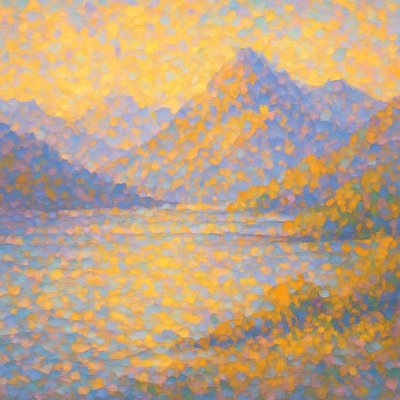
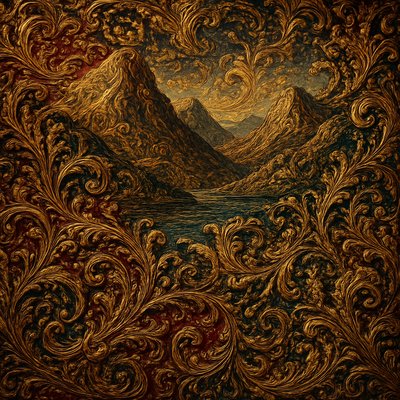
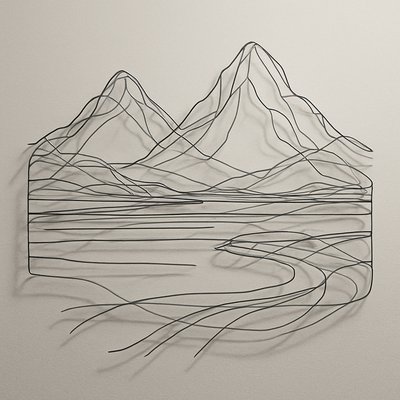
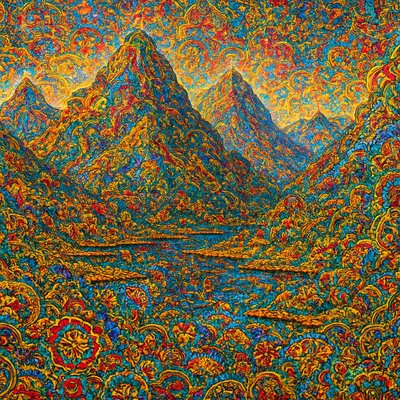
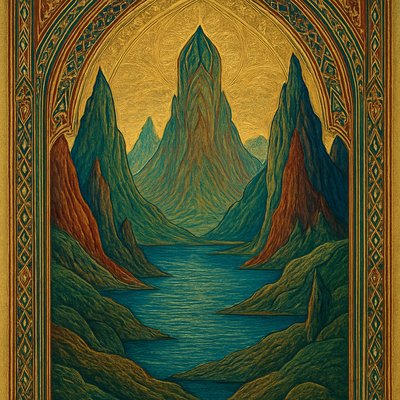
serene landscape with mountains and water
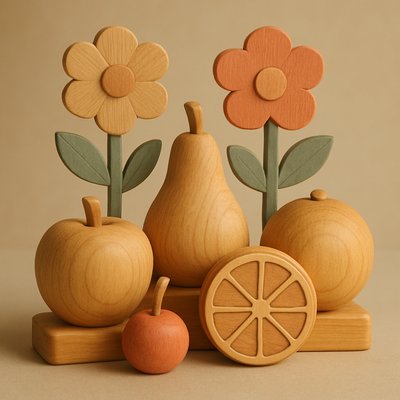
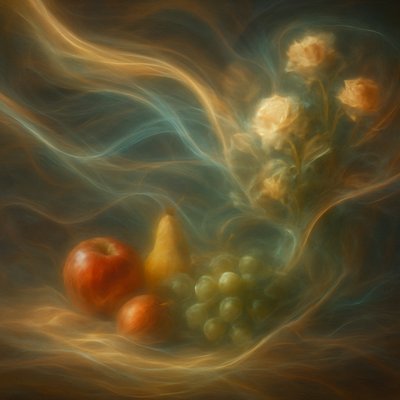
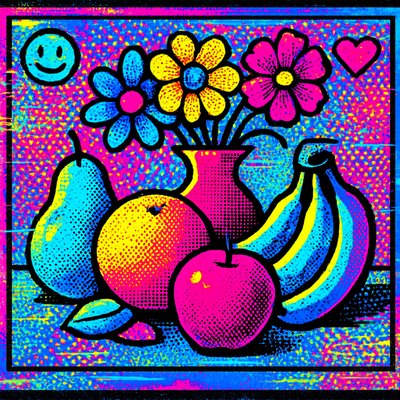
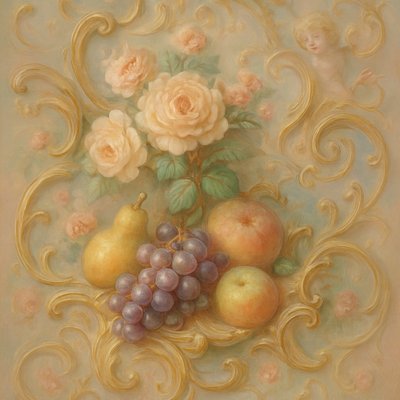
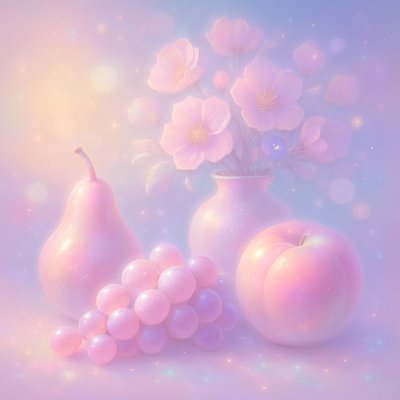
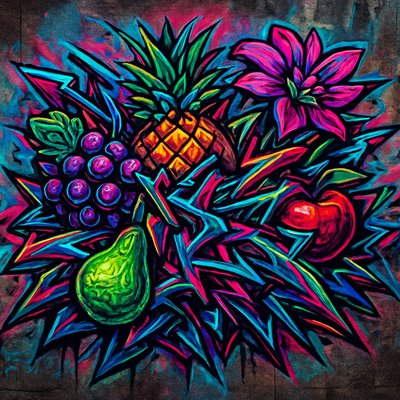
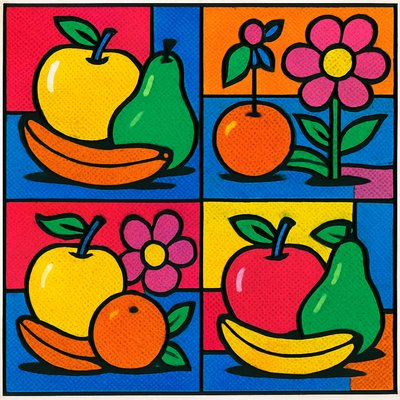
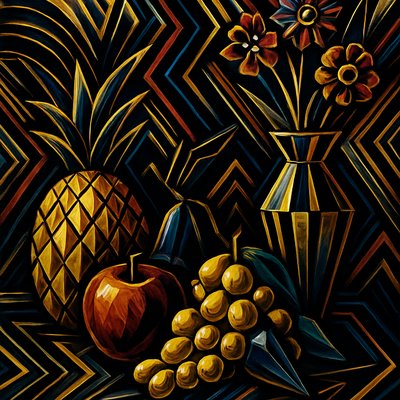
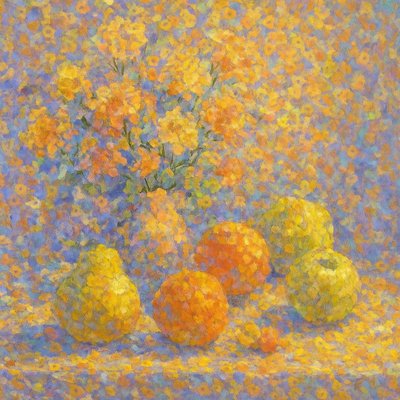
still life arrangement of fruits and flowers
Angelic Woman: A highly detailed photorealistic mosaic artwork in the elegant Art Nouveau style strongly influenced by Gustav Klimt, depicting a serene ethereal angelic female figure in three-quarter profile view from the left, eyes gently closed, calm contemplative expression with subtle blush and red lips, head slightly bowed, hands clasped in prayer over the chest. The entire form--including flawless skin, elaborate voluminous curly hair with flowing organic swirls, large intricate angelic wings, and ornate decorative covering--is intricately composed as a luxurious mixed-material mosaic using tiny irregular tesserae dominated by deep midnight blue and radiant gold tones; vibrant hand-cut smalti glass in midnight blue, sapphire, and luminous gold; abundant sparkling embedded gemstones in lapis, turquoise, and pearl hues; extensive metallic gold leaf accents forming spiral, floral, and whiplash curve patterns; opaque ceramic and marble tiles for subtle texture; and delicate pearl inlays for soft luminosity. Hair and figure feature characteristic Klimt-inspired swirling gold filigree, geometric motifs, and organic curving lines; prominent wings rendered in layered feather-like segments with Art Nouveau flowing forms in gold-outlined midnight blue; radiant golden sunburst halo behind the head enhanced with decorative radial patterns. Vast midnight blue night sky background filled with scattered twinkling stars crafted from pearl and silver inlays and a prominent glowing crescent moon in gold and pearl tesserae, dramatic luminous highlights and iridescent reflections on glass, metals, and gems, slight dimensional depth from raised tiles, thin subtle grout lines for elegant contrast, opulent baroque-infused Art Nouveau hyper-intricate style blending surreal fantasy and symbolic celestial ornamentation, sharp focus, transcendent serene mood
serene landscape with mountains and water
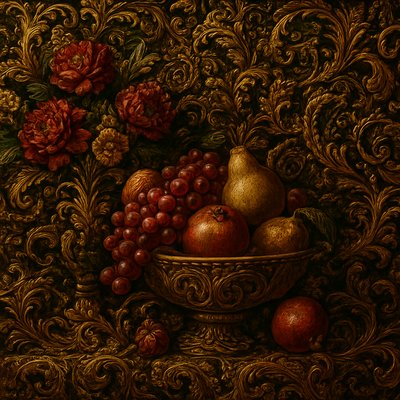
still life arrangement of fruits and flowers