Intersecting Circles And Triangles Art

Quiet urban scene in muted greys and browns in the art style of Tonalism --v 6.1
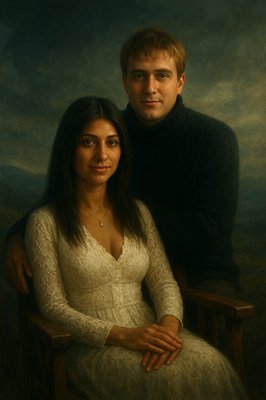
Portrait with symbolic objects and enigmatic expression in the art style of Symbolism --v 6.1
3D graffiti letters with shadow and perspective in the art style of Graffiti --v 6.1
Snow and ice sculpture responding to winter environment in the art style of Land Art --v 6.1
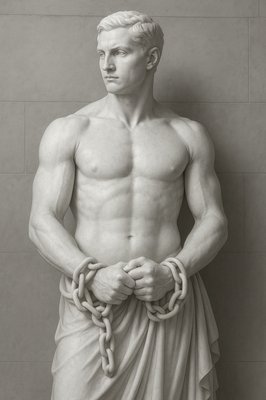
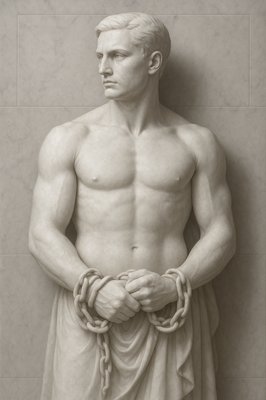
Portrait with stoic expression and classical drapery in the art style of Neoclassicism --v 6.1
Sublime landscape with stormy sky and lone figure in the art style of Romanticism --v 6.1
Portrait with stoic expression and classical drapery in the art style of Neoclassicism --v 6.1
Sublime landscape with stormy sky and lone figure in the art style of Romanticism --v 6.1
Portrait with stoic expression and classical drapery in the art style of Neoclassicism --v 6.1
Trees and reflections with vibrant, unmixed colors in the art style of Fauvism --v 6.1
Still life with symbolic objects and precise details in the art style of Renaissance --v 6.1
Decorative mirror frame with fan and shell motifs in the art style of Art Deco --v 6.1
Trees and reflections with vibrant, unmixed colors in the art style of Fauvism --v 6.1
Decorative mirror frame with fan and shell motifs in the art style of Art Deco --v 6.1
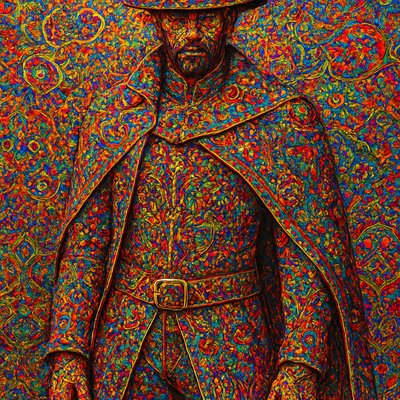
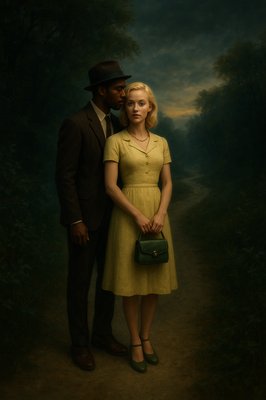
a man in a suit and hat leaning against a wall
A highly realistic and historically accurate image set in the deep, waterlogged mud of the Texas Cross Timbers (Montague County) in 1840. The scene captures the frustrating moment when the Chihuahua Traders caravan is completely stuck. Foreground focus is on several heavy, wooden Conestoga freight wagons, mired up to their axles in dark, thick mud. Exhausted oxen are straining and distressed, their drivers in rough frontier attire attempting to free the wheels with ropes and levers. In the mid-ground, a small group of the American equestrian circus performers stands next to their distinctive, high-quality riding horses, which are visibly more refined than the typical pack animals. The performers are dressed in sturdy but distinct traveling clothes, looking ill-equipped and frustrated by the muddy conditions. One performer is carefully securing a colorful carriage or cart containing unique circus props, struggling to keep it from sinking. The overall mood is one of miserable delay and hardship. Cloudy, oppressive sky; detailed realism; wide-angle shot; dark, moody lighting.
An awe-inspiring and whimsical scene featuring Willy Wonka's Great Glass Wonkavator, soaring through the sky and beyond the confines of Ontario Canada and its flag. The Wonkavator itself is a magnificent, multi-directional glass elevator, transparent and sparkling, with Willy Wonka (wearing his iconic top hat, purple coat, and bowtie) and 2 Canadian ladies looking out with expressions of joy, wonder and excitement. The interior is filled with intricate buttons and levers for controlling its magical flight. The Wonkavator is depicted in mid-flight, ascending above the clouds flying out to the ocean. Below it, the fantastical landscape of Ontario Canada is visible with a large Canadian flay flying over the city. – and various whimsical buildings. Beyond Ontario, a stunning, imaginative sky unfolds, perhaps with floating candy clouds, distant fantastical landmarks, or even glimpses of outer space and planets. The lighting is bright and magical, emphasizing the glass's transparency and the vibrant colors of the world below and beyond. The overall mood is one of boundless adventure, limitless possibilities, and pure, joyful fantasy."
A highly realistic and historically accurate image set in the deep, waterlogged mud of the Texas Cross Timbers (Montague County) in 1840. The scene captures the frustrating moment when the Chihuahua Traders caravan is completely stuck. Foreground focus is on several heavy, wooden Conestoga freight wagons, mired up to their axles in dark, thick mud. Exhausted oxen are straining and distressed, their drivers in rough frontier attire attempting to free the wheels with ropes and levers. In the mid-ground, a small group of the American equestrian circus performers stands next to their distinctive, high-quality riding horses, which are visibly more refined than the typical pack animals. The performers are dressed in sturdy but distinct traveling clothes, looking ill-equipped and frustrated by the muddy conditions. One performer is carefully securing a colorful carriage or cart containing unique circus props, struggling to keep it from sinking. The overall mood is one of miserable delay and hardship. Cloudy, oppressive sky; detailed realism; wide-angle shot; dark, moody lighting.
generate an adam and eve motif image in the wilds of Eden and the great serpent over their heads with a pygmy elephant in the background
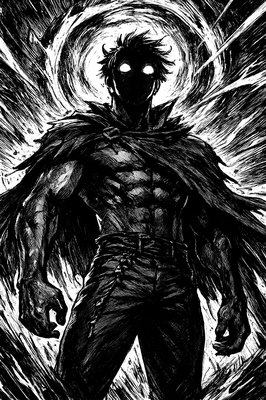
a black and white photo of a man's face
generate an adam and eve motif image in the wilds of Eden and the great serpent over their heads with a pygmy elephant in the background
Jesus stands at the door and knocks
A stunning, high-contrast black and white cinematic still, mimicking the style of 1920s German Expressionism. Depict a luxurious, futuristic rooftop garden party. The scene features Freder, the young master, surrounded by several glamorous, wealthy, aristocratic ladies. The women are all dressed in ornate, art-deco-inspired gowns, their hair styled in sleek 1920s waves. Each lady wears an intricate, opulent Venetian masquerade mask that covers their eyes, adding an element of mystery and formality. In the background, the colossal, sharp, angular skyscrapers of the 'Metropolis' cityscape loom under a dramatic, moody sky. The garden is filled with exotic, highly geometric and stylized plants and gilded statues, reflecting the extreme wealth of the elite. Cinematic lighting, dramatic shadows, deep focus, silent film aesthetic, high detail, photorealistic.
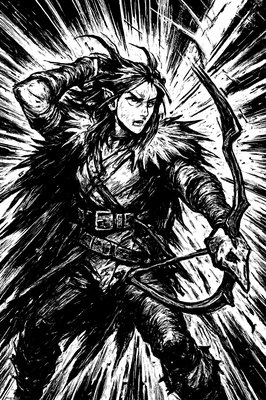
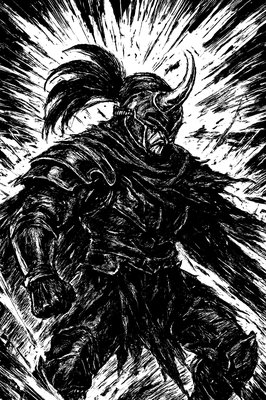
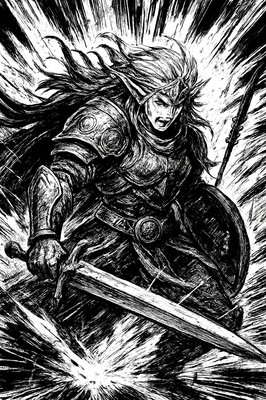
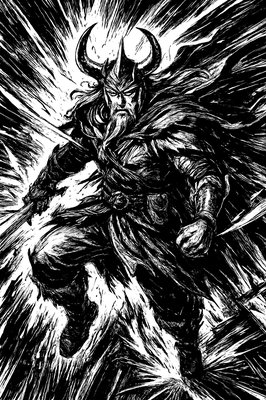
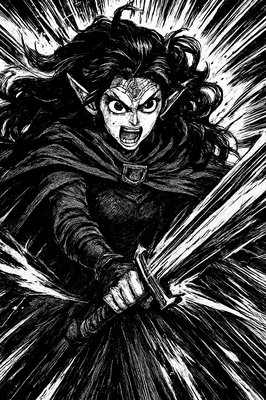
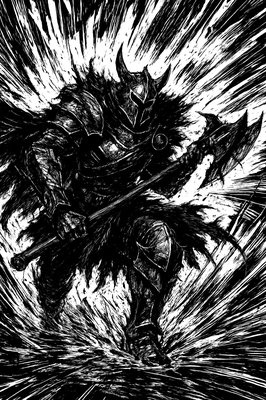
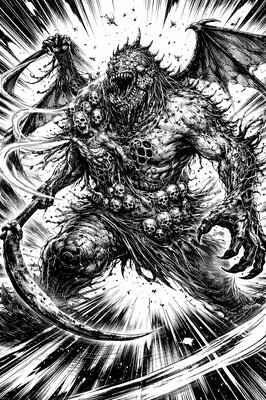
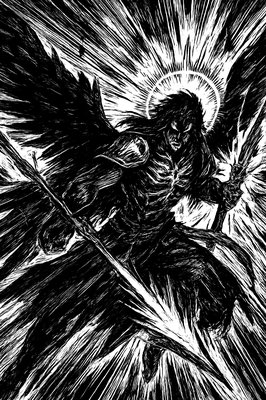
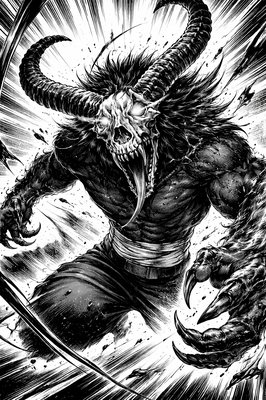
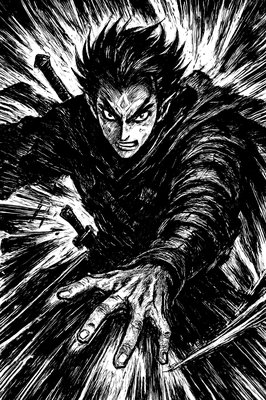
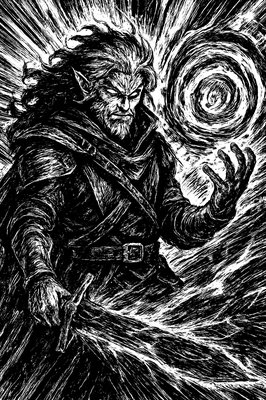
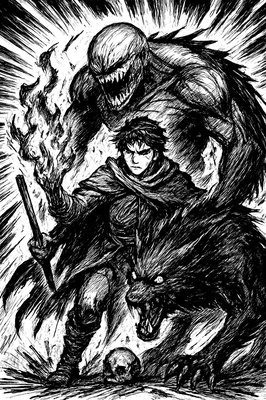
a black and white drawing of a man with a sword
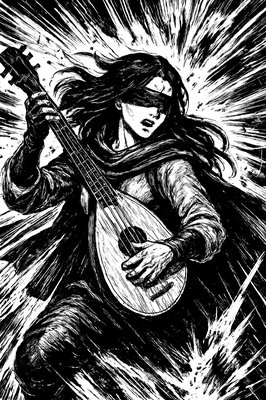
a black and white drawing of a man with a guitar
A historically accurate and deeply somber depiction of the immediate aftermath of the Wounded Knee Massacre in December 1890. The scene captures the desolate, snow-covered landscape of the Pine Ridge Reservation. Focus on the fallen Lakota men, women, and children, scattered across the snow, their bodies still and tragic. A few surviving individuals are shown in postures of profound grief or shock, perhaps tending to the wounded. The distant presence of U.S. soldiers, heavily armed, stands as a stark and cold counterpoint to the devastation. The atmosphere is one of profound sorrow, loss, and the brutal silence of winter. The lighting is cold and muted, emphasizing the harshness of the environment and the tragedy of the event. The artistic style should be a realistic, painterly approach, evoking the historical period with unflinching honesty but without graphic sensationalism. The intent is to serve as a memorial to the victims and a historical testament to the tragic event."
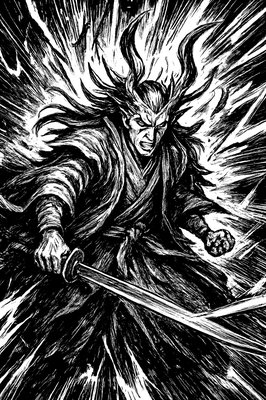
a black and white drawing of a man with a sword
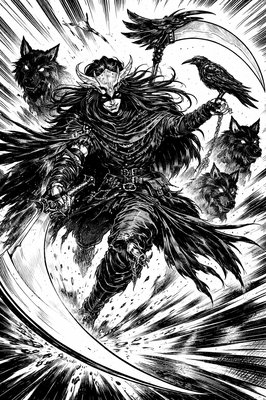
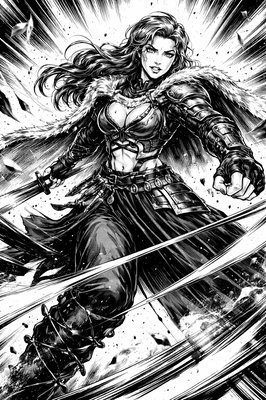
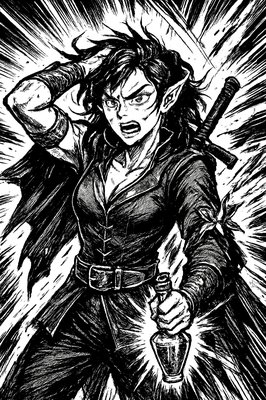
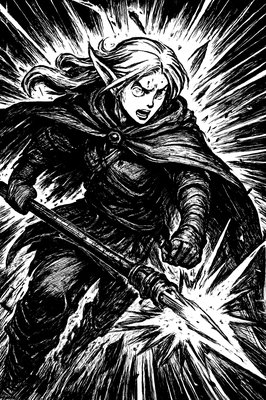
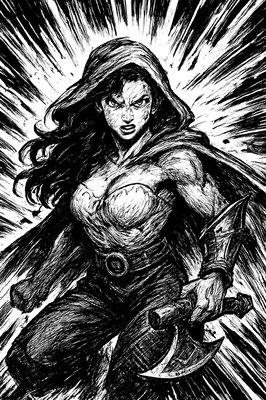
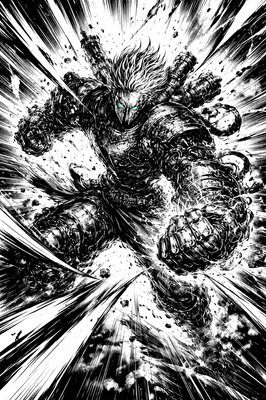
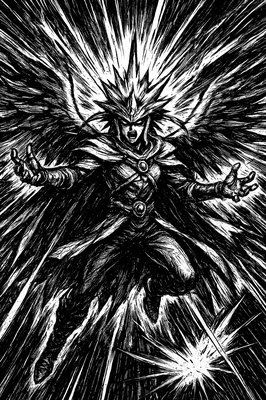
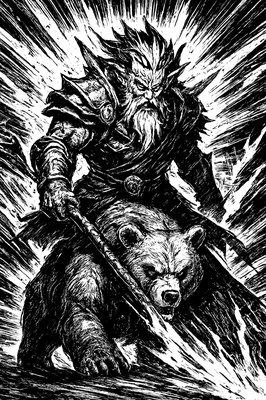
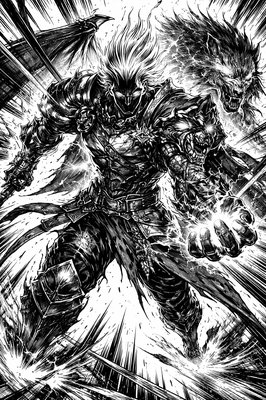
a black and white drawing of a person holding a sword
a black and white drawing of a person holding a guitar
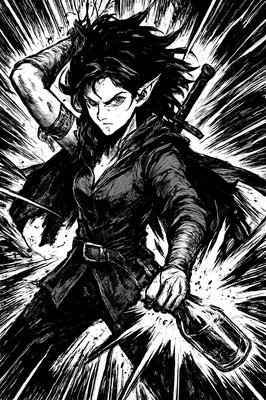
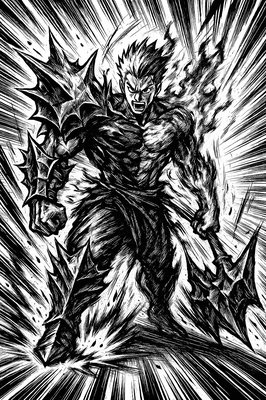
a black and white drawing of a man with a gun
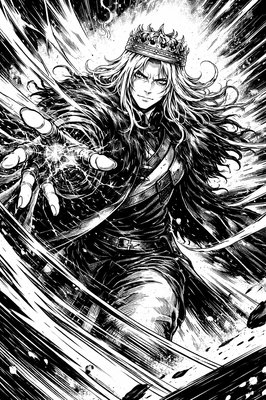
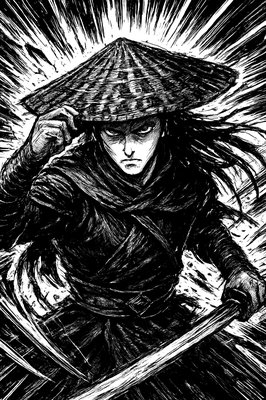
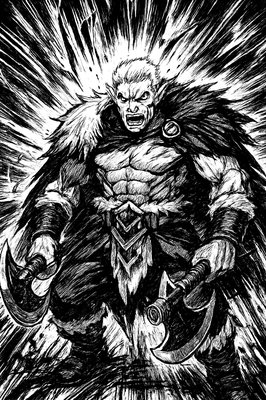
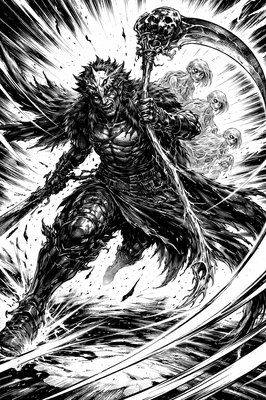
a black and white drawing of a man with a sword