Holographic Sticker Design Style Transfer Example Art

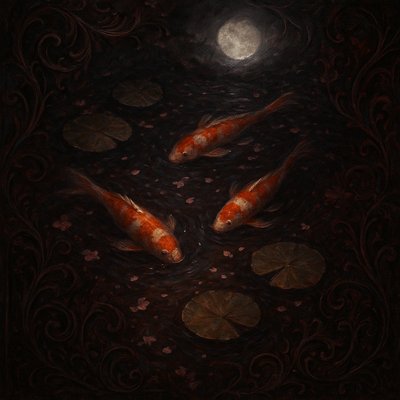
A koi pond seen from above, orange and white koi fish swimming among lily pads, clear water with subtle ripples, fallen cherry blossom petals floating on the surface, dappled sunlight
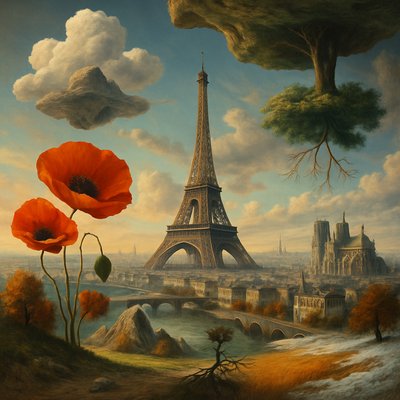
Metamorphosis scene with beings transforming into energy in the art style of Visionary Art --v 6.1
Kitschy objects transformed into surreal sculptures in the art style of Lowbrow Art --v 6.1
A stunning, high-contrast black and white cinematic still, mimicking the style of 1920s German Expressionism. Depict a luxurious, futuristic rooftop garden party. The scene features Freder, the young master, surrounded by several glamorous, wealthy, aristocratic ladies. The women are all dressed in ornate, art-deco-inspired gowns, their hair styled in sleek 1920s waves. Each lady wears an intricate, opulent Venetian masquerade mask that covers their eyes, adding an element of mystery and formality. In the background, the colossal, sharp, angular skyscrapers of the 'Metropolis' cityscape loom under a dramatic, moody sky. The garden is filled with exotic, highly geometric and stylized plants and gilded statues, reflecting the extreme wealth of the elite.
Everyday objects transformed into bizarre forms in the art style of Surrealism --v 6.1
A party in 1920s Weimar Berlin. Opulent, crumbling ballroom, flickering gaslight, deep shadows. Flapper-era attendees in high fashion. Decadent feast, champagne, cigarette smoke. A central antique table with mysterious ritual objects. Juxtaposition of extreme luxury and hidden magic. Cinematic realism, dark academia, chiaroscuro, rich jewel tones. Influenced by Babylon Berlin series aesthetics.
A dynamic, eye-level shot of a large, white fabric pillowcase (perhaps with subtle wrinkles or a simple pattern) being tilted sideways, with an enormous, colorful cascade of Halloween candy pouring out of its opening. The candy is a vibrant mix of popular, recognizable types: individually wrapped chocolates, lollipops, brightly colored hard candies, chewy sweets, and small bags of treats. The candies should be mid-air, tumbling and spilling across the frame, creating a sense of energetic abundance
A woman dressed in Great Depression era fashion, standing in a dimly lit, humble setting. She wears a modest, long-sleeved dress made of durable, slightly faded cotton or rayon, with a mid-calf hemline. The dress is a muted color like dusty blue, faded green, or soft brown, possibly with a subtle, small floral or geometric pattern. Her hair is styled simply, perhaps in soft waves or a practical updo, and she wears sturdy, low-heeled lace-up shoes. Her posture is resilient, reflecting the strength of the era. The background is simple and sparse, hinting at the economic hardship, perhaps an old wooden wall or a faded curtain. The overall feeling is one of quiet determination and dignified hardship
An underwater scene with sea creatures transforming into each other in a chaotic art style --v 6.1
Light-based installation transforming space perception in the art style of Installation Art --v 6.1
Common household items transformed into art pieces in the art style of Pop Art --v 6.1
A secret witches' party in 1920s Weimar Berlin. Opulent, crumbling ballroom, flickering gaslight, deep shadows. Flapper-era attendees in high fashion, subtle occult accessories. Decadent feast, champagne, cigarette smoke. A central antique table with mysterious ritual objects. Juxtaposition of extreme luxury and hidden magic. Cinematic realism, dark academia, chiaroscuro, rich jewel tones. Influenced by Babylon Berlin aesthetics.
A statuesque woman dressed in high-fashion 1930s Great Depression era glamour, imbued with a strong Art Deco aesthetic. She stands confidently, showcasing a bias-cut evening gown of shimmering silk or satin in a rich jewel tone (e.g., emerald green, sapphire blue, ruby red, or metallic silver/gold). The gown features an elongated, sleek silhouette, perhaps a dramatic cowl neck, a plunging back, or subtle shoulder pads. Her hair is styled in soft, sculpted finger waves. She wears elegant, long gloves and carries a small, decorative clutch bag. The background is a sophisticated Art Deco interior, perhaps with geometric patterns, polished chrome details, and ambient, dramatic lighting, or she stands against a backdrop of Art Deco skyscraper architecture. The overall mood is one of sophistication, elegance, and timeless allure."
Zombies
Metamorphosis scene with beings transforming into energy in the art style of Visionary Art --v 6.1
Kitschy objects transformed into surreal sculptures in the art style of Lowbrow Art --v 6.1
A woman dressed in Great Depression era fashion, standing in a dimly lit, humble setting. She wears a modest, long-sleeved dress made of durable, slightly faded cotton or rayon, with a mid-calf hemline. The dress is a muted color like dusty blue, faded green, or soft brown, possibly with a subtle, small floral or geometric pattern. Her hair is styled simply, perhaps in soft waves or a practical updo, and she wears sturdy, low-heeled lace-up shoes. Her posture is resilient, reflecting the strength of the era. The background is simple and sparse, hinting at the economic hardship, perhaps an old wooden wall or a faded curtain. The overall feeling is one of quiet determination and dignified hardship Use Art Deco architecture or Art Deco interior in the background, but describe the fashion as faded, worn, and humble. Juxtapose the sleek, modern geometry of the setting with the practical, mended, and heavy wool textures of the clothing.
An underwater scene with sea creatures transforming into each other in a chaotic art style --v 6.1
Light-based installation transforming space perception in the art style of Installation Art --v 6.1
Common household items transformed into art pieces in the art style of Pop Art --v 6.1
A whimsical and enchanting scene inside Willy Wonka's Chocolate Factory, featuring his extraordinary golden egg-laying geese. Several plump, pristine white geese are perched comfortably in ornate, perhaps slightly absurd, nests made of candy floss or sweet wrappers. Each goose is in the process of laying, or has just laid, a perfectly smooth, shimmering golden egg, which glows with a soft, magical luminescence. The geese themselves have a benevolent, slightly proud expression. The background reveals a fantastical, imaginative section of the factory, with edible landscapes, rivers of chocolate, and machinery built from confectionery. The lighting is soft, warm, and magical, emphasizing the golden glow of the eggs and the fantastical nature of the setting. The overall mood is one of sweet wonder, delight, and a touch of eccentricity."
“He was taken from prison and from judgment: and who shall declare his generation? for he was cut off out of the land of the living: for the transgression of my people was he stricken.” (Isaiah 53:8, KJV)
A highly detailed, close-up shot of a Willy Wonka Golden Ticket, partially pulled from a classic Wonka Bar wrapper. The ticket itself is made of shimmering, radiant gold foil, catching and reflecting light in dazzling ways. It features elegant, whimsical typography in a classic, slightly ornate font, clearly stating 'WONKA'S GOLDEN TICKET' and the iconic invitation to the chocolate factory. The edges of the ticket might show slight crinkling or wear from being found. Surrounding the ticket, the vibrant, colorful Wonka Bar wrapper is visible, possibly in shades of purple and white, with the distinctive 'WONKA' logo prominently displayed. The background is a soft, dreamlike blur, suggesting the excitement and wonder surrounding its discovery, perhaps hinting at a magical, candy-filled factory in the distance. The lighting is bright and enchanting, emphasizing the ticket's golden luster."
"A historically accurate depiction of a Ghost Dance, focusing on the late 19th-century context, specifically around 1890-1891. The scene shows Lakota (Sioux) or Northern Paiute people (specify one or include elements of both, but avoid anachronisms) participating in the ceremony.

Setting: A vast, open prairie or high desert landscape, under an expansive sky. The time of day could be dusk or night, with a prominent moon or stars, or a bright, clear day. Avoid overtly spiritual or ethereal elements like floating spirits unless explicitly requested for a later, more symbolic iteration. The focus should be on the earthly ceremony.

Participants: A circle of men, women, and children, hand-in-hand, moving in a slow, rhythmic shuffle or circular motion. Their faces show a mixture of devotion, hope, and determination. Some may have expressions of trance or deep concentration.

Attire:

    Ghost Dance Shirts/Dresses: Emphasize the unique Ghost Dance shirts and dresses, which were typically made of muslin or canvas. These garments should feature painted designs such as stars, crescents, birds (especially eagles or crows), buffalo, human figures, or crosses. The designs should appear hand-painted, not mass-produced.

    Hair and Adornments: Participants should have braided hair or wear it long. Some may wear feathers (e.g., eagle or hawk feathers) in their hair. Minimal traditional adornments, as the focus was often on the Ghost Dance shirt itself. Avoid overly elaborate or Hollywood-esque depictions of war bonnets unless relevant to a specific individual and context.

    Footwear: Moccasins or bare feet.

Action/Atmosphere:

    The dancers are moving in a counter-clockwise circle, with a central figure or a small group often leading.

    The overall mood is one of earnest prayer and communal spiritual effort. The dance should convey a sense of hope for renewal and the return of the old ways, rather than aggression or despair.

    There might be a central pole or small fire as a focal point, around which the dance takes place.

    Avoid any signs of direct conflict or violence; the Ghost Dance itself was a non-violent spiritual movement.

Specific Considerations for Accuracy:

    Wovoka's Influence: The teachings of Wovoka (the Northern Paiute prophet) emphasized peace, hard work, and the return of the buffalo and deceased ancestors. The scene should subtly reflect this hopeful, redemptive spirit.

    Regional Variations: If focusing on Lakota, consider their specific interpretations, which sometimes included more imagery related to their warrior traditions on the shirts, but still within the peaceful framework of the dance.

    Respectful Portrayal: Ensure the depiction is respectful and avoids any stereotypical or caricatured representations of Indigenous people. Focus on their human dignity and spiritual sincerity.
Oil Painting Art Style, a lively scene showcasing multiple vibrant Quaker Parrots (Monk Parakeets) in crisp detail, actively perched, interacting, and flying around their extraordinary communal stick nest. The nest, a massive and intricate structure woven from countless twigs, serves as a striking backdrop, resembling a complex, multi-chambered apartment building for birds high within a large, leafy tree. The focus is primarily on the parrots themselves: their distinctive bright green plumage, grey chests, and intelligent, curious eyes are rendered with exquisite detail. Several parrots are clearly visible, their individual feathers, beaks, and expressions highlighted. The setting is bright and lively, illuminated by clear, natural sunlight, casting detailed shadows. Focus on the vibrant colors and fine feather details of the Quaker Parrots, their lively activity, and the impressive scale and texture of their communal stick nest as an integral part of their environment.
a group of people standing next to each other
a poster of a woman with dreadlocks on her head
a poster of a woman playing a guitar
a painting of jesus holding a book and a heart
a poster of a black woman with a red background
a poster of a man with dreadlocks on his head