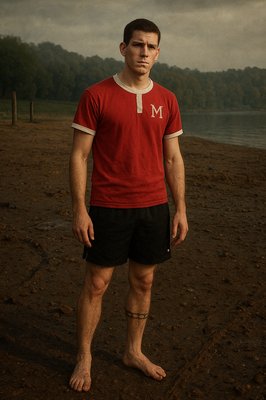
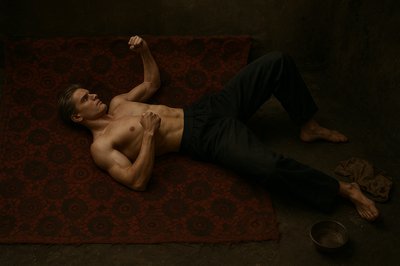
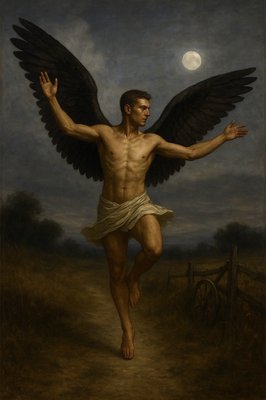
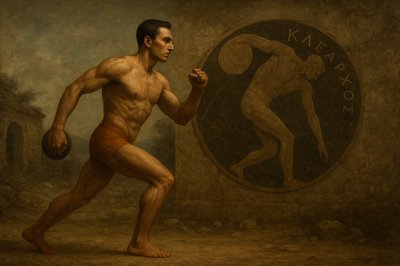
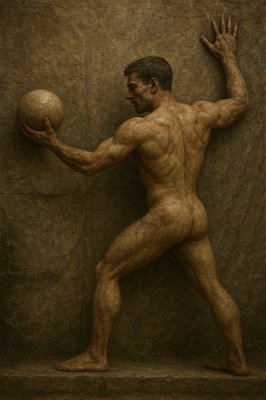
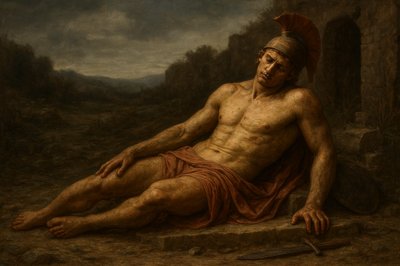
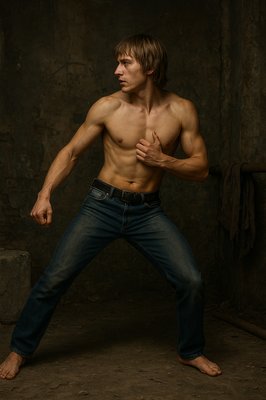
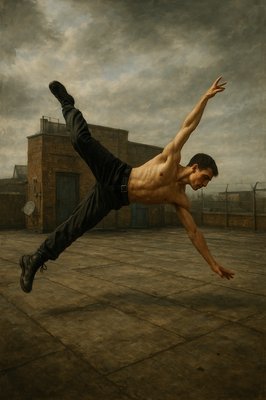
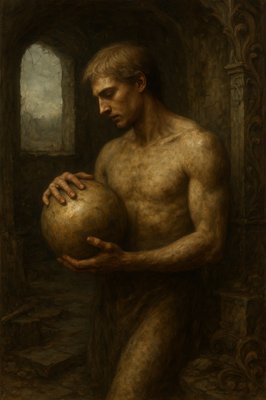
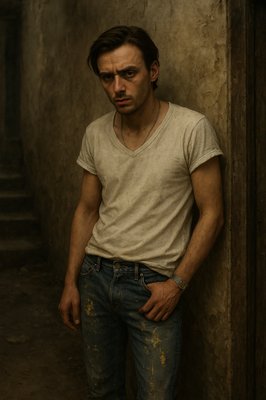
Hand Drawn Sticker Design Style Transfer Example Art

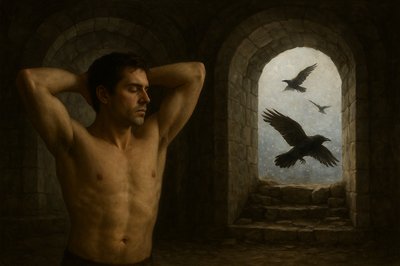
a painting of a man with his hands in the air
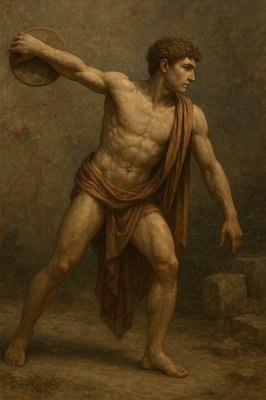
a painting of a man holding a statue
a painting of a man running in a cave
a man holding a basketball in his right hand
a painting of a man kneeling on a cliff
a statue of a man holding a ball
a statue of a man standing in a doorway
a statue of a man holding a basketball ball
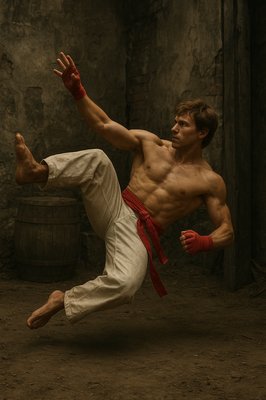
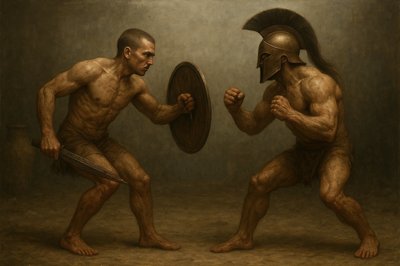
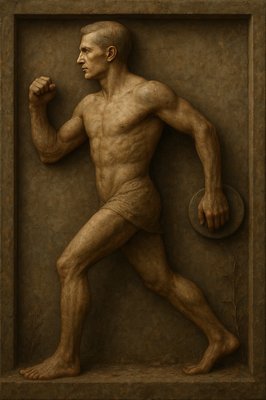
a statue of a man with a fist up
Personal anxiety levels as mountain range
Golden Age Storybook Illustration Style, Rich Watercolor and Ink, Warm Sun-Drenched Lighting. A dynamic scene capturing a moment of desperate effort in a lush, overgrown vineyard.

    The Action (The Fox): A lithe, reddish-orange fox is caught in mid-air at the very apex of a maximum vertical leap. Its body is stretched precariously thin, hind legs kicking the air, and front paws strained upward. Its jaws are snapping wildly just inches below the target, eyes wide with intense, watering desire and frustration. The fox looks slightly bedraggled, suggesting this is not the first jump.
    The Prize (The Grapes): Hanging tantalizingly just out of reach from a thick, gnarled old vine is a magnificent, heavy cluster of deep purple, plump grapes. They are rendered to look incredibly juicy, dusted with natural bloom and catching the sunlight so they appear almost glowing and irresistible.

    The Setting: The afternoon sun filters through broad green grape leaves, casting dappled light on the dusty ground below, which shows disturbed earth from previous failed attempts. The overall mood is one of hot, tantalizing frustration.
A koi pond seen from above, orange and white koi fish swimming among lily pads, clear water with subtle ripples, fallen cherry blossom petals floating on the surface, dappled sunlight
A secret witches' party in 1920s Weimar Berlin. Opulent, crumbling ballroom, flickering gaslight, deep shadows. Flapper-era attendees in high fashion, subtle occult accessories. Decadent feast, champagne, cigarette smoke. A central antique table with mysterious ritual objects. Juxtaposition of extreme luxury and hidden magic. Cinematic realism, dark academia, chiaroscuro, rich jewel tones. Influenced by Babylon Berlin aesthetics.
a painting of a man standing in front of a stained glass window
A party in 1920s Weimar Berlin. Opulent, crumbling ballroom, flickering gaslight, deep shadows. Flapper-era attendees in high fashion. Decadent feast, champagne, cigarette smoke. A central antique table with mysterious ritual objects. Juxtaposition of extreme luxury and hidden magic. Cinematic realism, dark academia, chiaroscuro, rich jewel tones. Influenced by Babylon Berlin series aesthetics.
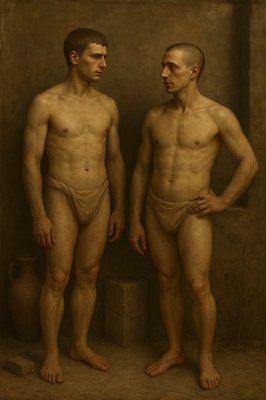
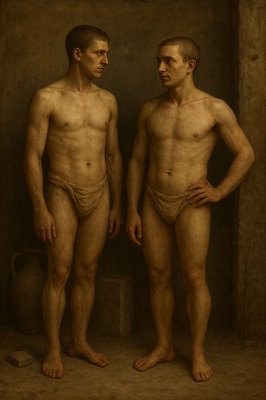
a statue of two men standing next to each other
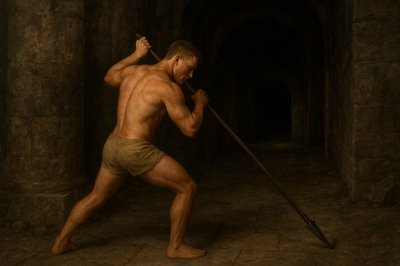
a statue of a man holding onto a pole
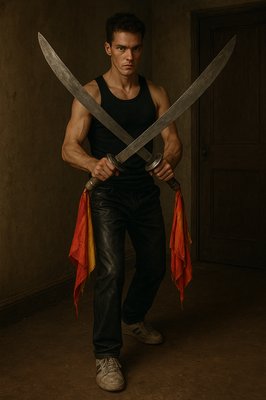
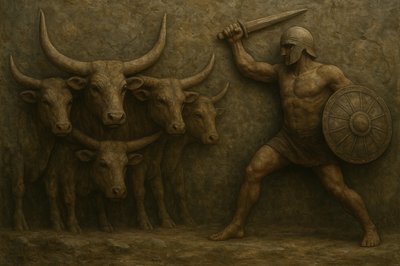
a statue of a man holding a sword
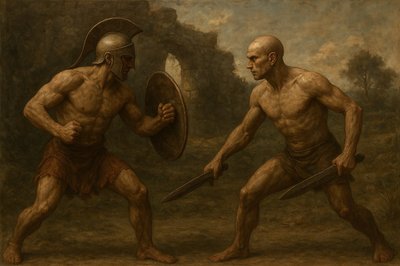
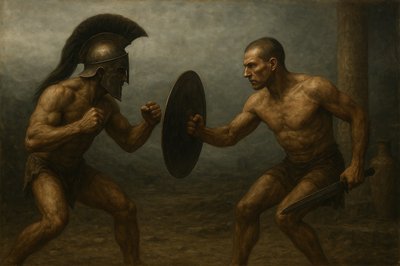
a statue of a spartan holding a sword
a cartoon of two men sitting at a table
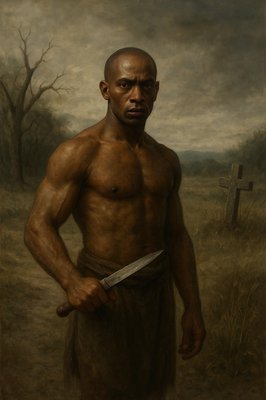
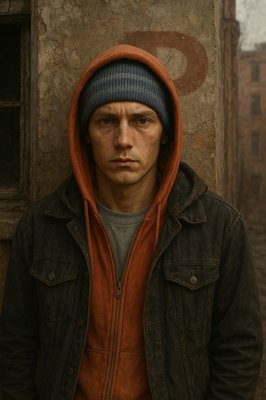
a painting of a man with his arms crossed
a painting of a man with glasses and a beard
house with front view
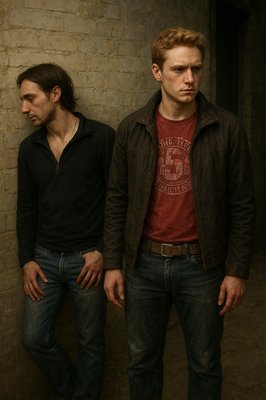
portrait of two people together
animal standing in natural pose
urban street with city activity
still life with everyday objects
portrait of a person with expressive eyes
Atmospheric interior scene from Nancy Drew book #81 The Mardi Gras Mystery, set inside the grand, dimly lit Seaton Mansion nicknamed 'Bat Hollow' in New Orleans during Mardi Gras. Teenage detective Nancy Drew with her classic reddish-blonde hair, blue eyes, and determined smile, trying on an elegant masquerade costume—perhaps a sparkling gown with purple, green, and gold accents, feathered mask in hand, beads around her neck. Her friends Bess (blonde, bubbly, in a glamorous pink feathered outfit) and George (short dark hair, athletic, in a fun jester or adventurous costume) are nearby, laughing and adjusting outfits in front of a large antique mirror. Ned Nickerson helps Nancy with a clasp, smiling. In the background: Brian Seaton and his father Bartholomew in partial bat-themed costumes (capes, masks with bat ears/wings), an old grand staircase with wrought-iron details, flickering candlelight or chandeliers casting shadows, antique furniture, a framed portrait on the wall hinting at the stolen painting mystery, Mardi Gras beads and confetti scattered around. Moody yet festive lighting—warm glows against dark wood paneling and high ceilings—evoking a haunted Southern mansion vibe mixed with holiday excitement. 1980s Nancy Drew book illustration style, adventurous, detailed costumes, cinematic composition, vibrant colors popping against gothic shadows
A whimsical and enchanting scene inside Willy Wonka's Chocolate Factory, featuring his extraordinary golden egg-laying geese. Several plump, pristine white geese are perched comfortably in ornate, perhaps slightly absurd, nests made of candy floss or sweet wrappers. Each goose is in the process of laying, or has just laid, a perfectly smooth, shimmering golden egg, which glows with a soft, magical luminescence. The geese themselves have a benevolent, slightly proud expression. The background reveals a fantastical, imaginative section of the factory, with edible landscapes, rivers of chocolate, and machinery built from confectionery. The lighting is soft, warm, and magical, emphasizing the golden glow of the eggs and the fantastical nature of the setting. The overall mood is one of sweet wonder, delight, and a touch of eccentricity."
A highly detailed, close-up shot of a Willy Wonka Golden Ticket, partially pulled from a classic Wonka Bar wrapper. The ticket itself is made of shimmering, radiant gold foil, catching and reflecting light in dazzling ways. It features elegant, whimsical typography in a classic, slightly ornate font, clearly stating 'WONKA'S GOLDEN TICKET' and the iconic invitation to the chocolate factory. The edges of the ticket might show slight crinkling or wear from being found. Surrounding the ticket, the vibrant, colorful Wonka Bar wrapper is visible, possibly in shades of purple and white, with the distinctive 'WONKA' logo prominently displayed. The background is a soft, dreamlike blur, suggesting the excitement and wonder surrounding its discovery, perhaps hinting at a magical, candy-filled factory in the distance. The lighting is bright and enchanting, emphasizing the ticket's golden luster."
A stunning, high-contrast black and white cinematic still, mimicking the style of 1920s German Expressionism. Depict a luxurious, futuristic rooftop garden party. The scene features Freder, the young master, surrounded by several glamorous, wealthy, aristocratic ladies. The women are all dressed in ornate, art-deco-inspired gowns, their hair styled in sleek 1920s waves. Each lady wears an intricate, opulent Venetian masquerade mask that covers their eyes, adding an element of mystery and formality. In the background, the colossal, sharp, angular skyscrapers of the 'Metropolis' cityscape loom under a dramatic, moody sky. The garden is filled with exotic, highly geometric and stylized plants and gilded statues, reflecting the extreme wealth of the elite.
A woman dressed in Great Depression era fashion, standing in a dimly lit, humble setting. She wears a modest, long-sleeved dress made of durable, slightly faded cotton or rayon, with a mid-calf hemline. The dress is a muted color like dusty blue, faded green, or soft brown, possibly with a subtle, small floral or geometric pattern. Her hair is styled simply, perhaps in soft waves or a practical updo, and she wears sturdy, low-heeled lace-up shoes. Her posture is resilient, reflecting the strength of the era. The background is simple and sparse, hinting at the economic hardship, perhaps an old wooden wall or a faded curtain. The overall feeling is one of quiet determination and dignified hardship
A statuesque woman dressed in high-fashion 1930s Great Depression era glamour, imbued with a strong Art Deco aesthetic. She stands confidently, showcasing a bias-cut evening gown of shimmering silk or satin in a rich jewel tone (e.g., emerald green, sapphire blue, ruby red, or metallic silver/gold). The gown features an elongated, sleek silhouette, perhaps a dramatic cowl neck, a plunging back, or subtle shoulder pads. Her hair is styled in soft, sculpted finger waves. She wears elegant, long gloves and carries a small, decorative clutch bag. The background is a sophisticated Art Deco interior, perhaps with geometric patterns, polished chrome details, and ambient, dramatic lighting, or she stands against a backdrop of Art Deco skyscraper architecture. The overall mood is one of sophistication, elegance, and timeless allure."
A woman dressed in Great Depression era fashion, standing in a dimly lit, humble setting. She wears a modest, long-sleeved dress made of durable, slightly faded cotton or rayon, with a mid-calf hemline. The dress is a muted color like dusty blue, faded green, or soft brown, possibly with a subtle, small floral or geometric pattern. Her hair is styled simply, perhaps in soft waves or a practical updo, and she wears sturdy, low-heeled lace-up shoes. Her posture is resilient, reflecting the strength of the era. The background is simple and sparse, hinting at the economic hardship, perhaps an old wooden wall or a faded curtain. The overall feeling is one of quiet determination and dignified hardship Use Art Deco architecture or Art Deco interior in the background, but describe the fashion as faded, worn, and humble. Juxtapose the sleek, modern geometry of the setting with the practical, mended, and heavy wool textures of the clothing.
a group of people standing next to each other
a tree in nature
bicyle resting against a wall
wide landscape with natural scenery
serene landscape with mountains and water