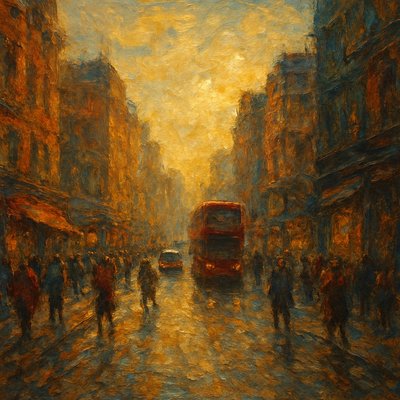
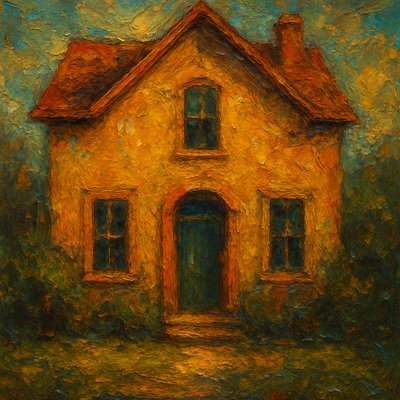
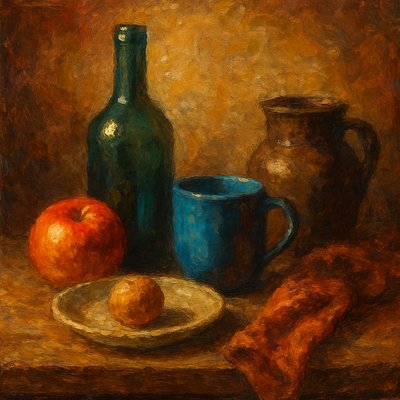
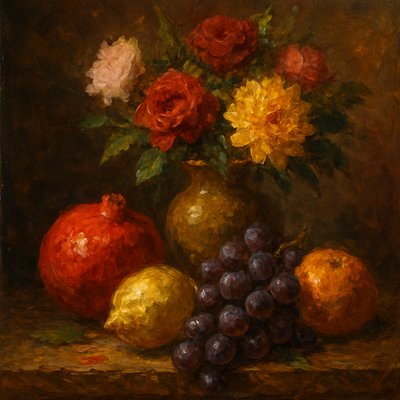
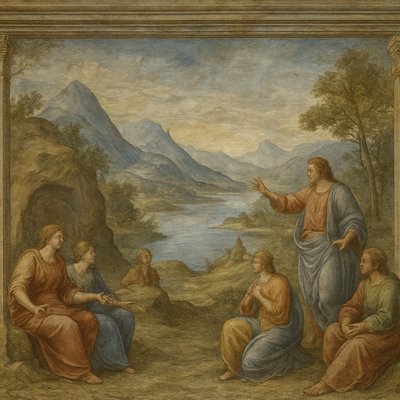
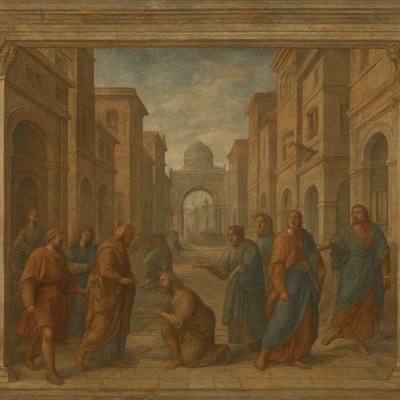
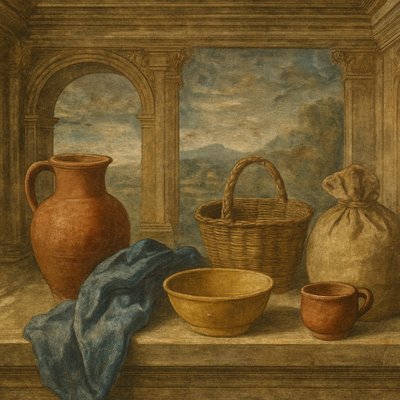
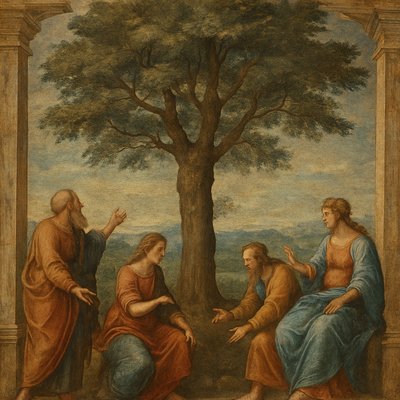
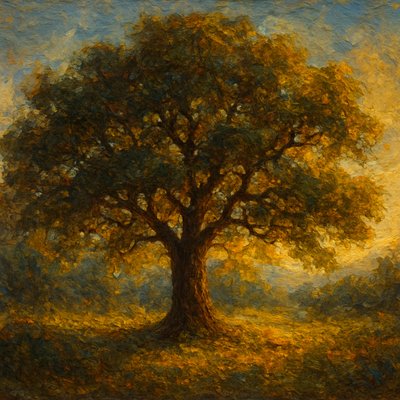
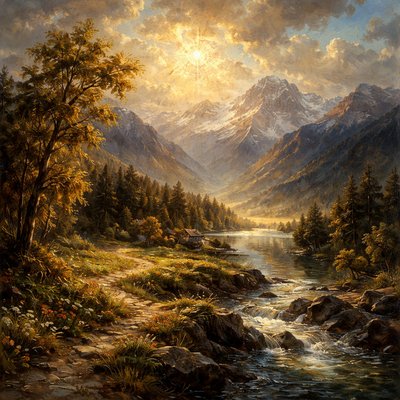
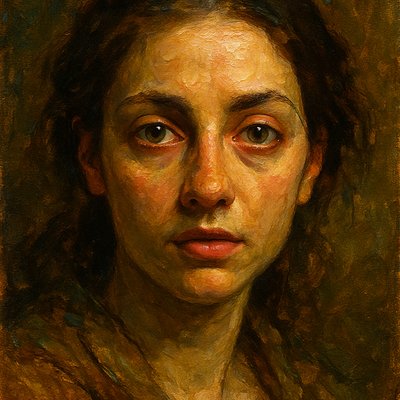
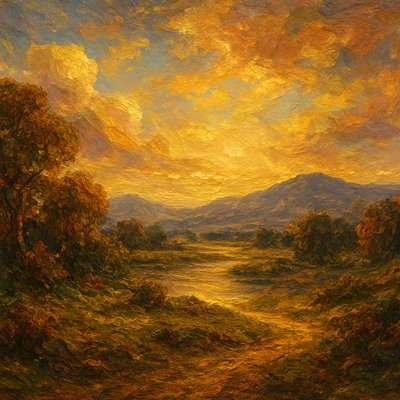
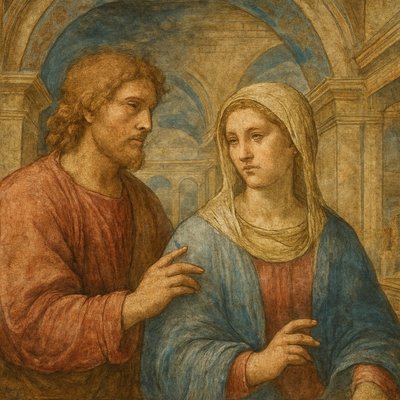
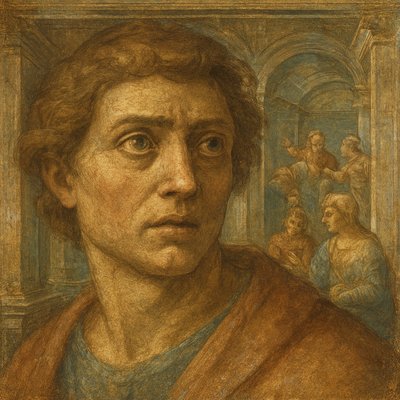
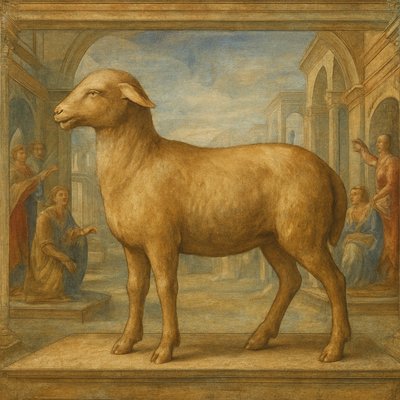
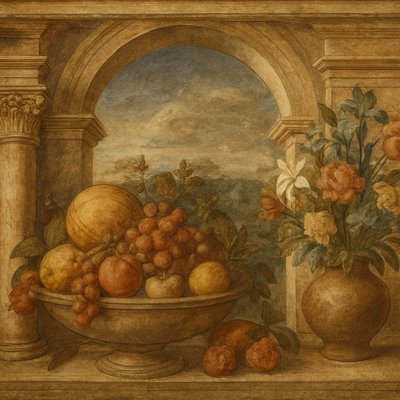
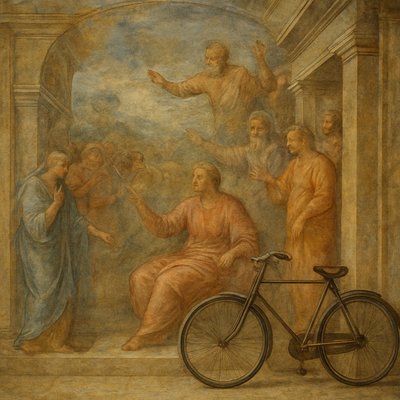
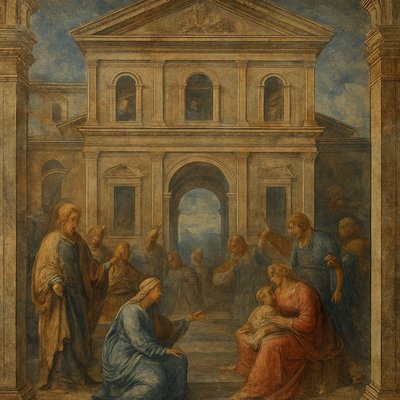
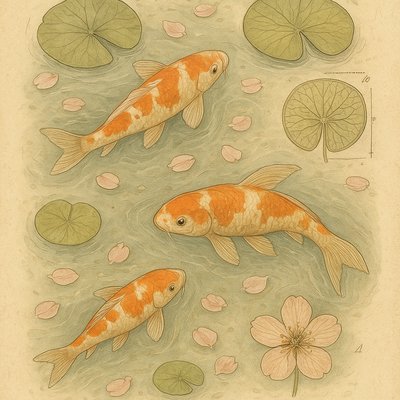
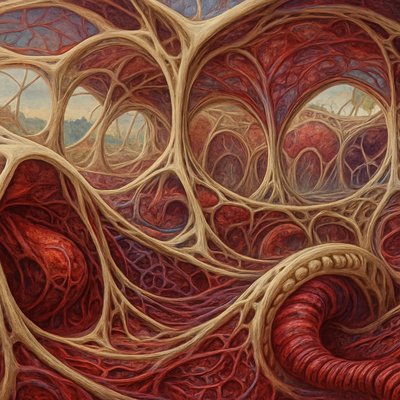
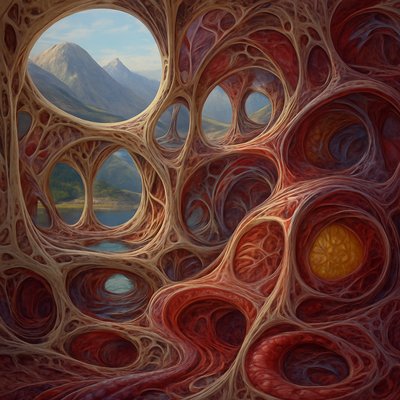
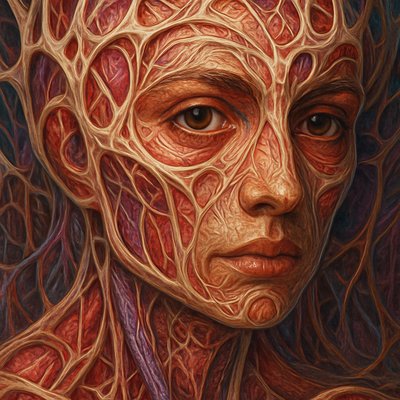
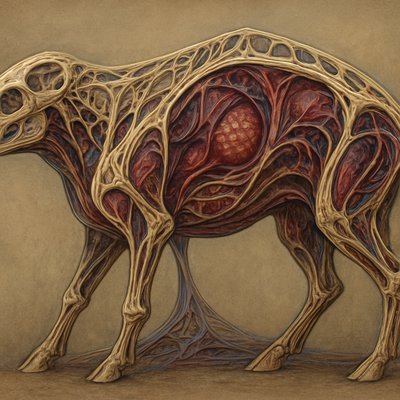
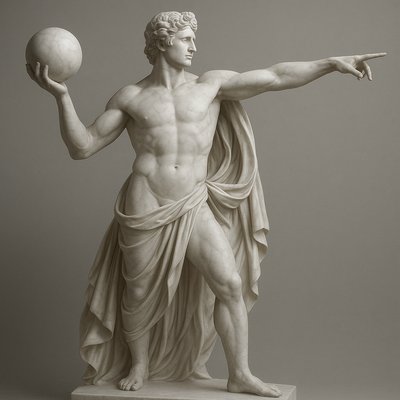
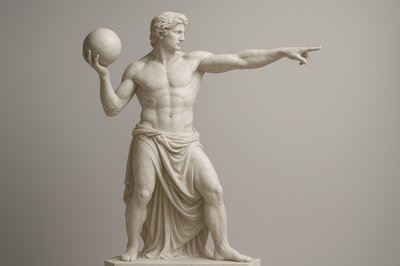
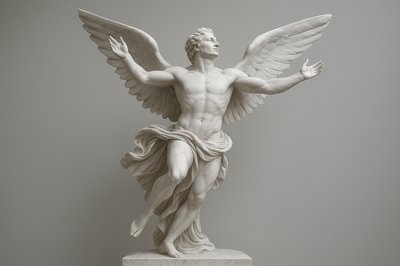
Gothic Classical Art Style Style Transfer Example Art

Painting combining classical themes with contemporary imagery in the art style of Transavantgarde --v 6.1
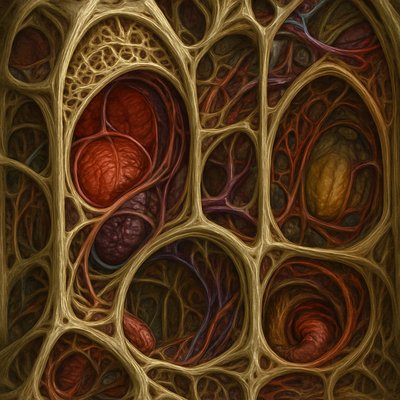
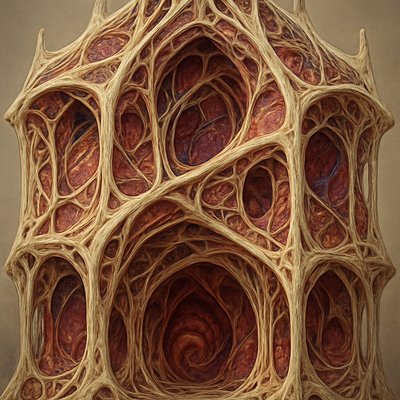
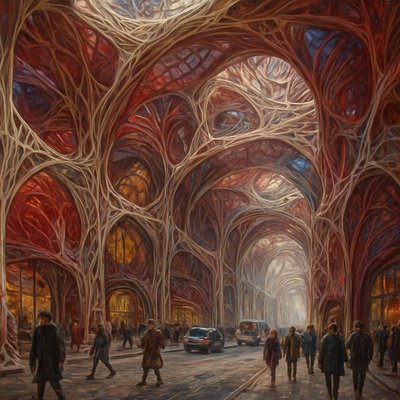
Sculpture blending classical forms with modern materials in the art style of Transavantgarde --v 6.1
Eclectic painting mixing classical and modern motifs in the art style of Transavantgarde --v 6.1
My sincerest apologies that the Queen appeared angry! That's completely contrary to the "serene and noble expression" we aimed for and the dignity implied by Psalm 45. We need to explicitly reinforce a gentler, more gracious demeanor.

You're also right to focus on the gold's shine. We can definitely enhance that.

To address both issues—the expression and the gold's luminosity—we'll make two key adjustments:

    Refine Expression: Use stronger words for a gentle, majestic, and perhaps beatific expression.

    Enhance Gold's Shine: Introduce Baroque Art Style as a secondary influence. Baroque is famous for its dramatic light, intense gleam on metals and jewels, and dynamic richness, which will make the gold truly radiant. It pairs beautifully with Oil Painting for opulence.

Revised Prompt for "Queen in Gold of Ophir - Gentle Expression & Shining Gold"

    Oil Painting Art Style, Baroque Art Style, a breathtakingly majestic and regal portrait of "The Queen in Gold of Ophir," inspired by Psalm 45. The Queen stands with impeccable grace and royal dignity, her posture radiating quiet power. Her expression is serene, gentle, and profoundly gracious, with a subtle, knowing smile, reflecting noble peace. She is adorned in an exquisitely elaborate gown woven entirely from the finest, purest gold of Ophir, which shimmers and gleams with unparalleled brilliance, catching every ray of light. Her attire is intricately embellished with countless precious jewels—sapphires, rubies, and emeralds—each sparkling intensely with Baroque dynamism. A delicate yet regal golden crown, also ablaze with light, rests upon her head. The setting is a grand, opulent royal palace chamber, with rich tapestries and polished marble, bathed in dramatic, warm, golden ambient light that creates striking highlights and deep, luxurious shadows, making her and her lavish garments glow. Focus on the unparalleled brilliance, texture, and radiant shine of her golden gown, the intense sparkle of her jewels, her majestic yet gentle presence, and the luxurious, sacred atmosphere befitting a queen in God's presence.
    A breathtaking, full-size artistic standing buffalo, rendered entirely in the style of intricate, luminous glass art, reminiscent of the painted buffalo installations. The buffalo's majestic form is composed of countless individual pieces of vibrant, multifaceted stained glass or fused glass, meticulously cut, arranged, and joined.

    The entire surface of this glass buffalo is adorned with various miniature, finely detailed scenes and patterns etched, painted, or embedded within the glass itself, or created by the unique coloration and texture of the glass pieces. These scenes depict:

        Iconic Yellowstone landscapes: Old Faithful erupting in miniature, the Grand Canyon of the Yellowstone, geothermal pools.

        Local wildlife: Elk, bears, wolves, eagles (all rendered in the glass medium).

        Native American art motifs: Geometric patterns, symbols, and figures (also within the glass).

    The buffalo's interior is subtly illuminated, causing the entire sculpture to glow from within, acting as a beacon of art and nature. Light catches every facet of the glass, creating a dazzling play of refracted colors that project intricate patterns onto the surrounding natural environment.

    The setting is the glory of Yellowstone National Park, specifically an expansive, iconic vista. Perhaps in a verdant meadow with distant geysers steaming, or near a crystal-clear river. The morning sun, bright and golden, backlights the buffalo, intensifying its inner glow and creating a dramatic contrast with the rugged, natural beauty of the park. The atmosphere is one of awe, harmony between art and nature, and a profound celebration of the spirit of the American West. The artistic style is hyper-realistic, emphasizing the detailed texture, transparency, and brilliant light play inherent in glass art, seamlessly integrated into a vibrant, natural landscape.
Painting combining classical techniques with digital aesthetics in the art style of Post-Internet Art --v 6.1
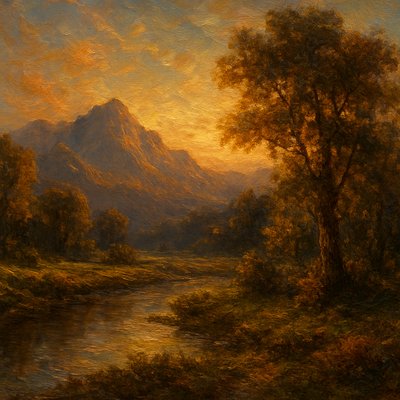
Landscape with classical ruins and noble figures in the art style of Neoclassicism --v 6.1
A historically accurate and atmospheric depiction of the signing of the Mayflower Compact aboard the ship in November 1620. The scene is set in the dimly lit, cramped cabin of the Mayflower, with the ship's timbers and rigging subtly visible, conveying the challenging conditions of the voyage. A simple table or chest serves as the signing surface. The primary focus is on a small group of the last individuals signing the document: specifically, the indentured servants (or 'strangers' not directly part of the Separatist congregation) approaching or at the table. Their expressions show a mix of weary determination, understanding of the necessity, and perhaps a hint of quiet apprehension or resignation to this new social contract, given their status. They are dressed in the plain, practical clothing typical of 17th-century commoners and laborers. Figures of prominent Pilgrims or 'Saints' (like William Bradford or John Carver) are visible in the background, observing the proceedings with a sense of gravity and leadership, but they are not the central focus. The lighting is low and warm, perhaps from a lantern, creating a chiaroscuro effect that highlights the faces of the signers. The atmosphere conveys the momentousness of the act under difficult circumstances, the diverse composition of the group, and the early seeds of self-governance in a new world. The artistic style is a realistic, historically detailed oil painting, capturing the solemnity and human element of this pivotal historical moment."
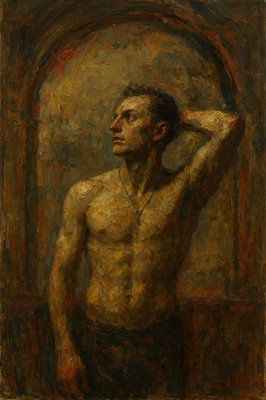
Portrait with stoic expression and classical drapery in the art style of Neoclassicism --v 6.1
Painting combining classical themes with contemporary imagery in the art style of Transavantgarde --v 6.1
Eclectic painting mixing classical and modern motifs in the art style of Transavantgarde --v 6.1
Sculpture blending classical forms with modern materials in the art style of Transavantgarde --v 6.1
Eclectic painting mixing classical and modern motifs in the art style of Transavantgarde --v 6.1
A historically accurate and atmospheric depiction of the signing of the Mayflower Compact aboard the ship in November 1620. The scene is set in the dimly lit, cramped cabin of the Mayflower, with the ship's timbers and rigging subtly visible, conveying the challenging conditions of the voyage. A simple table or chest serves as the signing surface. The primary focus is on a small group of the last individuals signing the document: specifically, the indentured servants (or 'strangers' not directly part of the Separatist congregation) approaching or at the table. Their expressions show a mix of weary determination, understanding of the necessity, and perhaps a hint of quiet apprehension or resignation to this new social contract, given their status. They are dressed in the plain, practical clothing typical of 17th-century commoners and laborers. Figures of prominent Pilgrims or 'Saints' (like William Bradford or John Carver) are visible in the background, observing the proceedings with a sense of gravity and leadership, but they are not the central focus. The lighting is low and warm, perhaps from a lantern, creating a chiaroscuro effect that highlights the faces of the signers. The atmosphere conveys the momentousness of the act under difficult circumstances, the diverse composition of the group, and the early seeds of self-governance in a new world. The artistic style is a realistic, historically detailed oil painting, capturing the solemnity and human element of this pivotal historical moment."
Painting combining classical techniques with digital aesthetics in the art style of Post-Internet Art --v 6.1
Stencil art with political message in the art style of Street Art --v 6.1
    A breathtaking and vibrant artwork rendered entirely in the style of a grand, traditional stained glass masterwork, without any visible window frame or architectural borders. The central, dominant subject is a majestic, life-sized buffalo, meticulously composed from countless individual pieces of richly colored, textured, and patterned stained glass, seamlessly joined by intricate lead lines.

    The entire surface of this stained glass buffalo is adorned with miniature, finely detailed scenes and patterns created directly from the cut and arranged glass pieces themselves. These integrated scenes within the buffalo's form vividly depict:

        Iconic Yellowstone landscapes: Old Faithful erupting, the Grand Canyon of the Yellowstone, and geothermal pools, all rendered through brilliant, luminous glass.

        Local wildlife: Elk, bears, wolves, and eagles, seamlessly depicted with incredible detail through various glass textures and colors.

        Native American art motifs: Geometric patterns and symbols, intricately incorporated as part of the glass design.

    The areas surrounding the buffalo within this expansive stained glass artwork extend the Yellowstone theme, depicting a vast, stylized landscape of soaring mountains, dense pine forests, a winding river, and a vibrant sky, all rendered in the same luminous stained glass technique.

    The entire artwork is bathed in brilliant, natural light streaming through it, causing every piece of glass to glow with dazzling, jewel-toned colors. Light refracts and casts intricate, colored patterns outwards, creating an immersive, ethereal atmosphere as if the artwork itself is a portal. The artistic style emphasizes the exquisite craftsmanship, the seamless transitions of colored light, and the profound beauty of both the buffalo and the Yellowstone wilderness it represents, presented as a singular, unbounded work of luminous art.
    A breathtaking and vibrant artwork rendered entirely in the style of a grand, traditional stained glass masterwork, without any visible window frame or architectural borders. The central, dominant subject is a majestic, life-sized buffalo, meticulously composed from countless individual pieces of richly colored, textured, and patterned stained glass, seamlessly joined by intricate lead lines.

    The entire surface of this stained glass buffalo is adorned with miniature, finely detailed scenes and patterns created directly from the cut and arranged glass pieces themselves. These integrated scenes within the buffalo's form vividly depict:

        Iconic Yellowstone landscapes: Old Faithful erupting, the Grand Canyon of the Yellowstone, and geothermal pools, all rendered through brilliant, luminous glass.

        Local wildlife: Elk, bears, wolves, and eagles, seamlessly depicted with incredible detail through various glass textures and colors.

        Native American art motifs: Geometric patterns and symbols, intricately incorporated as part of the glass design.

    The areas surrounding the buffalo within this expansive stained glass artwork extend the Yellowstone theme, depicting a vast, stylized landscape of soaring mountains, dense pine forests, a winding river, and a vibrant sky, all rendered in the same luminous stained glass technique.

    The entire artwork is bathed in brilliant, natural light streaming through it, causing every piece of glass to glow with dazzling, jewel-toned colors. Light refracts and casts intricate, colored patterns outwards, creating an immersive, ethereal atmosphere as if the artwork itself is a portal. The artistic style emphasizes the exquisite craftsmanship, the seamless transitions of colored light, and the profound beauty of both the buffalo and the Yellowstone wilderness it represents, presented as a singular, unbounded work of luminous art.
Stencil art with political message in the art style of Street Art --v 6.1
Heroic figure in classical pose against stark background in the art style of Neoclassicism --v 6.1
Meme-inspired fine art piece in the art style of Post-Internet Art --v 6.1
Readymade object presented as art in the art style of Dada --v 6.1