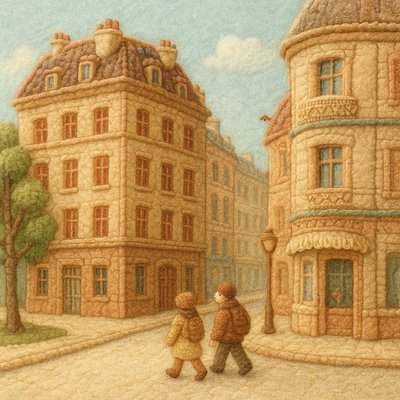
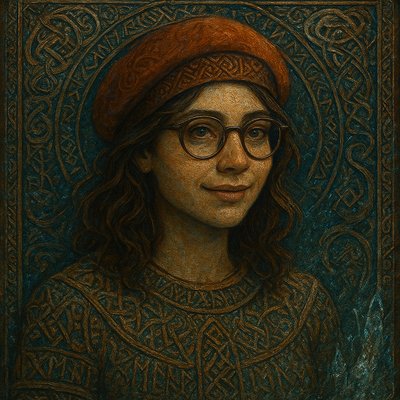
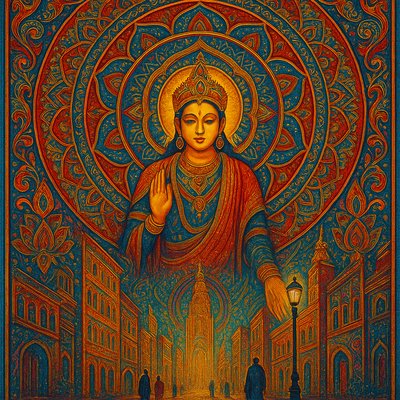
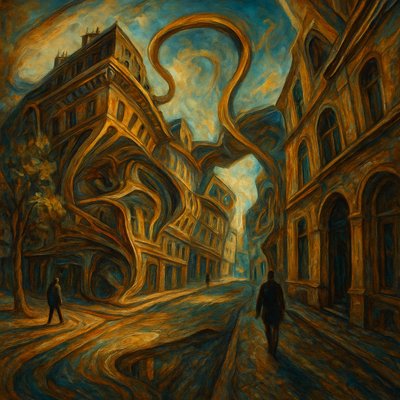
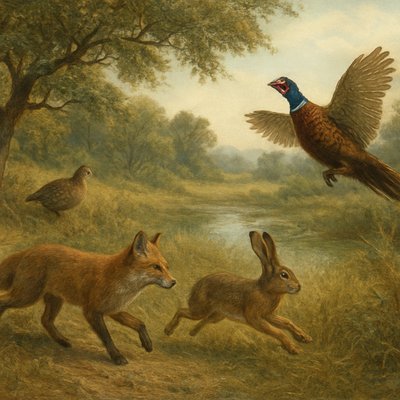
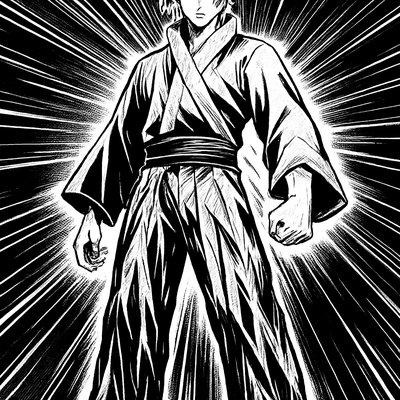
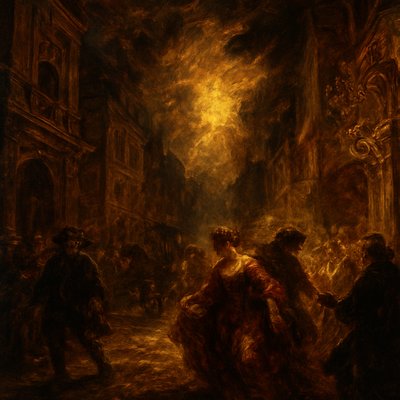
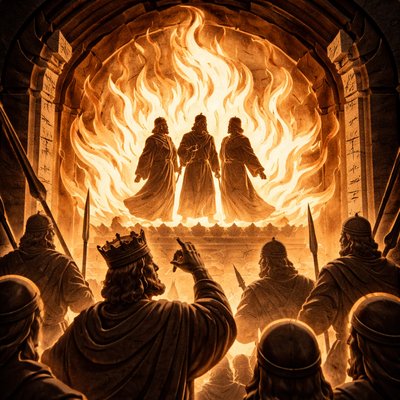
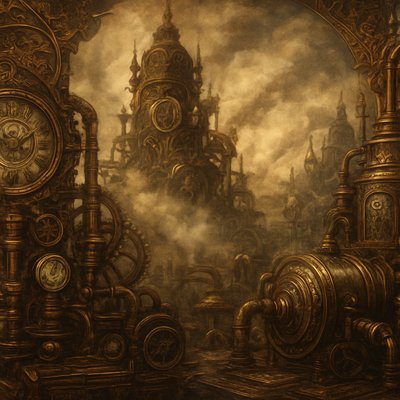
Futuristic Cyberpunk Cityscape In The Art Style Of Anime Niji 6 Art

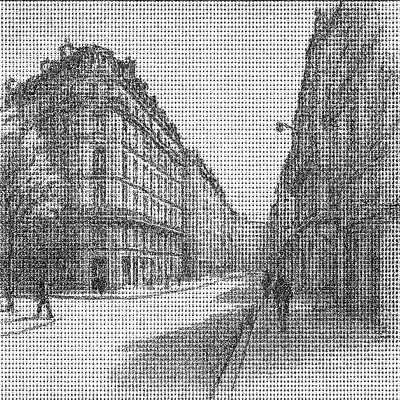
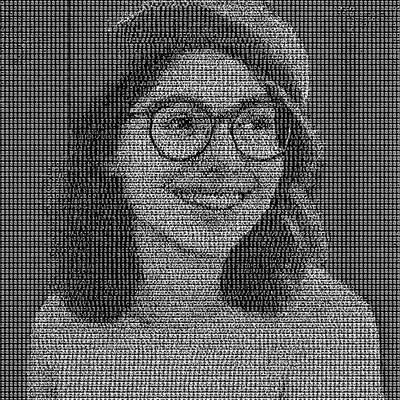
Bacteriological Agar Art Style Transfer Example
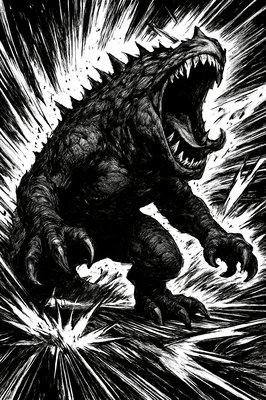
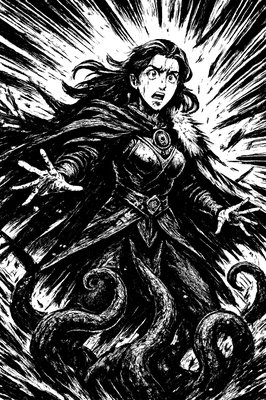
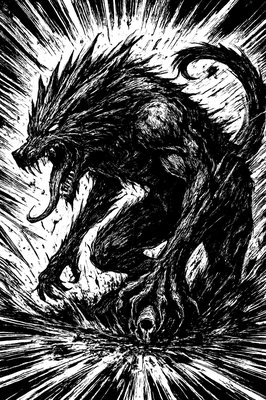
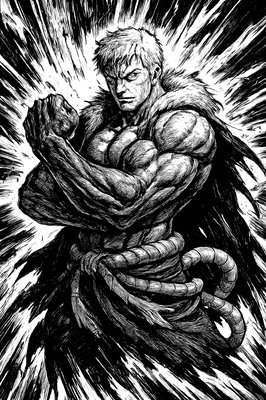
Cartoon Comic Art Style Transfer Example
Art Style & Atmosphere: A richly detailed, cinematic fantasy photograph with a whimsical, storybook quality. The lighting is dappled and golden, filtering through a complex canopy, creating a serene and wondrous atmosphere.

The Subjects: A magnificent, large Bengal tigress with deep orange and black fur walks with a slow, confident stride through the center of the frame. Perched comfortably on her shoulder blades, looking around with wide-eyed curiosity, is a small tabby kitten with unusual, muted olive-green and brownish-grey striped fur.

The Environment (The Forest-Library): The setting is a seamless, magical fusion of an ancient woodland and a grand library.

    The Trees: Towering, gnarled trees have trunks that are not just bark, but carved wooden bookshelves packed tight with thousands of leather-bound books, scrolls, and codices.

    The Canopy: The "leaves" above are a mixture of real green foliage and open book pages fluttering in the breeze, creating a stained-glass effect with the sunlight.

    The Floor: The forest floor is a mix of moss, roots, and stacks of old books that look like natural rock formations or undergrowth.

    School Elements: Old, weathered wooden school desks are integrated into the landscape, some overgrown with ivy, holding open botanical textbooks. A large slate chalkboard, covered in arcane botanical diagrams, is embedded into a mossy rock face.

Composition: A wide-angle shot showing the scale of the environment as the tigress and kitten move along a path paved with worn flagstones and embedded encyclopedias.
Art Style: Analytical Cubism, avant-garde oil painting style reminiscent of Picasso and Braque.

Subject: A dense, tangled thicket of Rhododendrons and Mountain Laurel bushes.

Composition & Details: The entire natural scene is deconstructed into overlapping geometric planes, fractured shards, and intersecting angles. There are no curved lines; everything is rendered in cubes, cones, and trapezoids.

    The Rhododendrons: Large, showy flower trusses are broken into faceted crystalline structures of deep magenta, rose pink, and violet blocks, looking like explosions of colored quartz rather than soft petals.

    The Mountain Laurels: The smaller, intricate flowers are rendered as complex, repeating geometric star-patterns and angular cups in white and pale pink with distinct red polygonal markings.

    Foliage & Branches: The thick, leathery leaves are fragmented green triangles and parallelograms overlapping each other, creating a sense of depth without traditional perspective. The woody stems and branches are jagged, intersecting brown and grey cylinders that shatter across the frame.
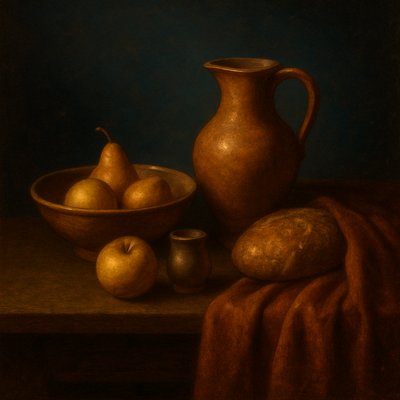
Color & Texture: A palette of muted earth tones—ochre, burnt umber, forest green, and slate grey—contrasted sharply with the jewel-toned facets of the flower colors. The finish should have a heavy, textured oil paint feel with visible palette knife marks and rough brushwork.
Art Style: Analytical Cubism, avant-garde oil painting style reminiscent of Picasso and Braque.

Subject: A dense, tangled thicket of Rhododendrons and Mountain Laurel bushes.

Composition & Details: The entire natural scene is deconstructed into overlapping geometric planes, fractured shards, and intersecting angles. There are no curved lines; everything is rendered in cubes, cones, and trapezoids.

    The Rhododendrons: Large, showy flower trusses are broken into faceted crystalline structures of deep magenta, rose pink, and violet blocks, looking like explosions of colored quartz rather than soft petals.

    The Mountain Laurels: The smaller, intricate flowers are rendered as complex, repeating geometric star-patterns and angular cups in white and pale pink with distinct red polygonal markings.

    Foliage & Branches: The thick, leathery leaves are fragmented green triangles and parallelograms overlapping each other, creating a sense of depth without traditional perspective. The woody stems and branches are jagged, intersecting brown and grey cylinders that shatter across the frame.
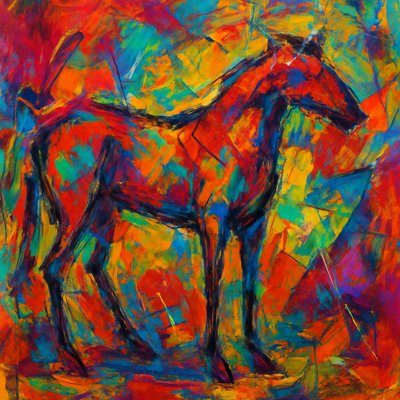
Color & Texture: A palette of muted earth tones—ochre, burnt umber, forest green, and slate grey—contrasted sharply with the jewel-toned facets of the flower colors. The finish should have a heavy, textured oil paint feel with visible palette knife marks and rough brushwork.
Art Style: Analytical Cubism, avant-garde oil painting style reminiscent of Picasso and Braque.

Subject: A dense, tangled thicket of Rhododendrons and Mountain Laurel bushes.

Composition & Details: The entire natural scene is deconstructed into overlapping geometric planes, fractured shards, and intersecting angles. There are no curved lines; everything is rendered in cubes, cones, and trapezoids.

    The Rhododendrons: Large, showy flower trusses are broken into faceted crystalline structures of deep magenta, rose pink, and violet blocks, looking like explosions of colored quartz rather than soft petals.

    The Mountain Laurels: The smaller, intricate flowers are rendered as complex, repeating geometric star-patterns and angular cups in white and pale pink with distinct red polygonal markings.

    Foliage & Branches: The thick, leathery leaves are fragmented green triangles and parallelograms overlapping each other, creating a sense of depth without traditional perspective. The woody stems and branches are jagged, intersecting brown and grey cylinders that shatter across the frame.

Color & Texture: A palette of muted earth tones—ochre, burnt umber, forest green, and slate grey—contrasted sharply with the jewel-toned facets of the flower colors. The finish should have a heavy, textured oil paint feel with visible palette knife marks and rough brushwork.
Art Style: Analytical Cubism, avant-garde oil painting style reminiscent of Picasso and Braque.

Subject: A dense, tangled thicket of Rhododendrons and Mountain Laurel bushes.

Composition & Details: The entire natural scene is deconstructed into overlapping geometric planes, fractured shards, and intersecting angles. There are no curved lines; everything is rendered in cubes, cones, and trapezoids.

    The Rhododendrons: Large, showy flower trusses are broken into faceted crystalline structures of deep magenta, rose pink, and violet blocks, looking like explosions of colored quartz rather than soft petals.

    The Mountain Laurels: The smaller, intricate flowers are rendered as complex, repeating geometric star-patterns and angular cups in white and pale pink with distinct red polygonal markings.

    Foliage & Branches: The thick, leathery leaves are fragmented green triangles and parallelograms overlapping each other, creating a sense of depth without traditional perspective. The woody stems and branches are jagged, intersecting brown and grey cylinders that shatter across the frame.

Color & Texture: A palette of muted earth tones—ochre, burnt umber, forest green, and slate grey—contrasted sharply with the jewel-toned facets of the flower colors. The finish should have a heavy, textured oil paint feel with visible palette knife marks and rough brushwork.
Photorealism Art Style, a profoundly dramatic and intensely luminous image depicting a vision of Heaven seen from the ground. The scene is dominated by a blazing, overwhelming celestial light that is violently breaking through the darkness of the night sky. This light is not the sun, but the pure glory of God, manifesting as swirling gold, brilliant white, and ethereal blue luminescence that seems to pull the viewer upward. A long red-haired woman, wearing simple, flowing heavenly attire, stands below, gazing upward with an expression of ecstatic awe and reverence. She is bathed in the brilliant, otherworldly light streaming down, suggesting the moment of divine revelation where the heavens are torn open. The focus is on the raw, blinding intensity of the divine light, the realistic texture of the woman's awe-struck face, and the vibrant, chaotic energy of the celestial vision, creating a powerful image of a direct, momentary glimpse into the boundless presence of Heaven.
Visionary Art Style, a magnificent and intricate dream catcher is centrally suspended, its delicate threads and web meticulously woven with beads and feathers that glow softly. Within the very center of its web, the dream catcher is catching a breathtaking, radiant glimpse of Heaven. This glimpse reveals a scene of ethereal golden light, celestial swirling clouds in soft pastels, and hints of majestic, serene landscapes bathed in divine luminosity. The dream catcher itself is adorned with vibrant, iridescent feathers in hues of white, pearl, and soft blue, and tiny shimmering beads, all illuminated by the heavenly light it contains. It hangs against a deep, mystical twilight sky, with distant stars twinkling softly. Focus on the stunning contrast between the detailed, earthy dream catcher and the luminous, otherworldly vision within its web, emphasizing the radiant glow and the profound, peaceful beauty of the celestial glimpse.
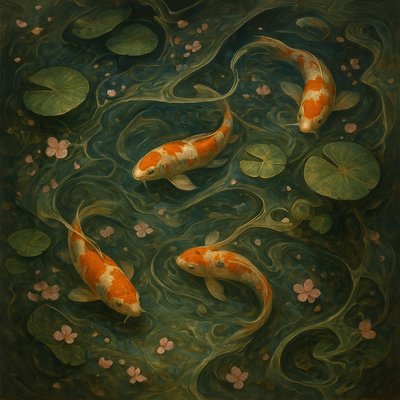
A koi pond seen from above, orange and white koi fish swimming among lily pads, clear water with subtle ripples, fallen cherry blossom petals floating on the surface, dappled sunlight
house with front view
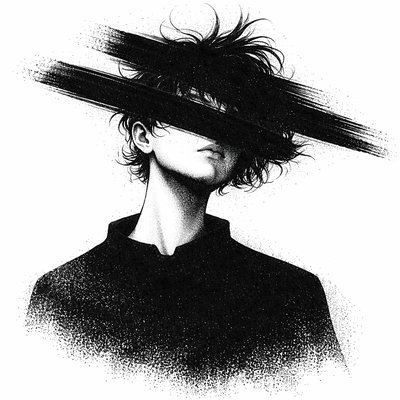
Primal Scream Expressionism Art Style Style Transfer Example
Sfumato Portrait Renaissance Art Style Style Transfer Example
Neon-Futurism Digital Art Style, Bioluminescent Sci-Fi Cosmic Setting, Extreme Focal Point. A high-speed "tunnel-vision" perspective where everything converges on a single, brilliant point of light.

The Rider & Bike Consistency: The lone motorcyclist—in the signature sleek, armored suit and helmet—is leaning dangerously low, pinned to the chassis of the hubless "light-cycle." The bike's cyan and orange neon rings are vibrating with energy as it accelerates toward the center of the frame.

The Path (The Solar Path): The glowing blue laser-grid highway has turned into a golden-white bridge of solid light. It leads directly into the chest of a colossal celestial entity.

The Leo Presence: Looming ahead is the magnificent Celestial Lion, a titan made of burning solar flares and rhythmic orange circuitry. He stands in a regal, powerful stance. At the center of his chest lies Regulus, a massive, pulsating white-blue star that acts as a gateway.

The Action: The highway doesn't stop; it goes straight into the center of Regulus. The rider is seconds away from entering the star's core. Solar prominences and loops of liquid fire arch over the road like a stadium of light.

Atmosphere: Intense heat and majesty. The colors are dominated by deep ambers, fiery oranges, and the blinding white-blue light of the star Regulus.

Lighting: The rider is almost a silhouette against the overwhelming brightness of the Lion's heart. Intense "lens flare" and shimmering heat-haze effects blur the edges of the digital grid.
animal standing in natural pose
“That their hearts might be comforted, being knit together in love, and unto all riches of the full assurance of understanding, to the acknowledgement of the mystery of God, and of the Father, and of Christ; In whom are hid all the treasures of wisdom and knowledge. And this I say, lest any man should beguile you with enticing words. For though I be absent in the flesh, yet am I with you in the spirit, joying and beholding your order, and the stedfastness of your faith in Christ.” (Colossians 2:2-5, KJV)
Please use youthful people to express this.
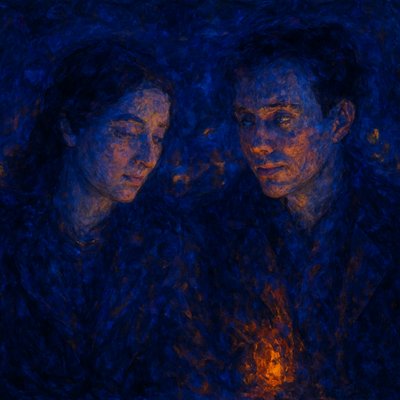
portrait of two people together
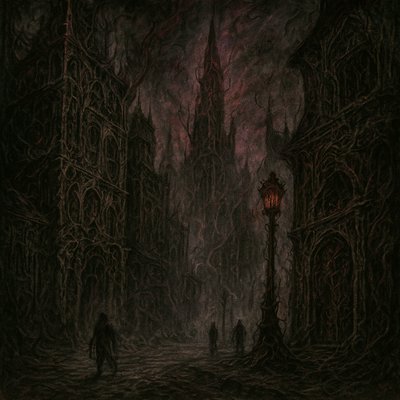
Gothic Architecture Art Style Transfer Example
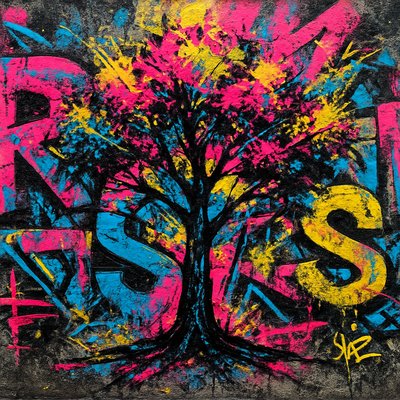
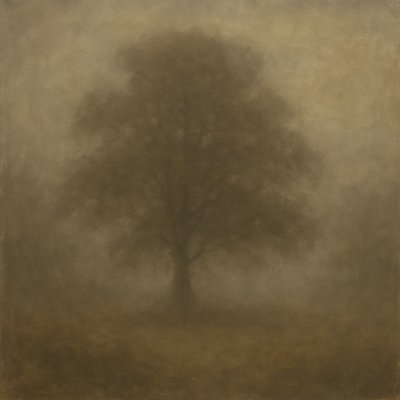
a tree in nature
animal standing in natural pose
Seabiscuit vs. War Admiral (The Gaze)

    A hyper-realistic, high-resolution photograph capturing the apex of the 1938 match race between Seabiscuit and War Admiral.

    Focus: The composition is tight, showing both horses running neck-and-neck, dominating the frame. The camera angle is side-on and slightly low, emphasizing their size and muscle. The critical focus is on the space between the horses' heads as they are running stride for stride.

    Details: War Admiral (the dark bay) should show determination and slight surprise, with his head stretched out. Seabiscuit (the smaller bay) should display his characteristic "game" look—intense, focused, and seemingly looking directly into War Admiral's eyes (or toward his rival). Both jockeys (Red Pollard or George Woolf for Seabiscuit; Charles Kurtsinger for War Admiral) are visible, leaning low and urging their mounts on.

    Atmosphere: The light should be bright but slightly diffused, suggesting an autumn afternoon at Pimlico. Dust and track debris are kicked up behind them, blurred slightly by the horses' tremendous speed. The image must convey the raw power, intense rivalry, and the exact moment when the smaller horse asserts his dominance.

    Style: Cinematic photography, realistic texture, sharp focus on the horses' eyes and muscle definition.
The Venus Rose pattern of the ecliptic
Modern Gothic Art Style Transfer Example
Renaissance Religious Art Style Transfer Example
Gothic Romance Art Style Transfer Example
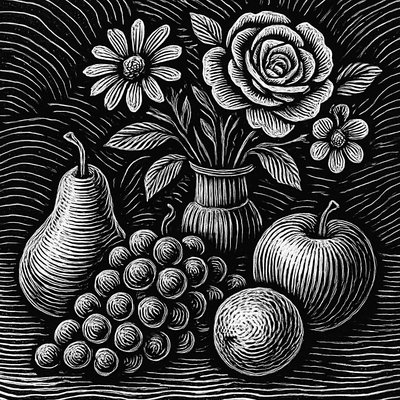
still life arrangement of fruits and flowers
3D Rendered Digital Art Style Style Transfer Example
Baroque Vanitas Still Life Art Style Style Transfer Example
portrait of two people together
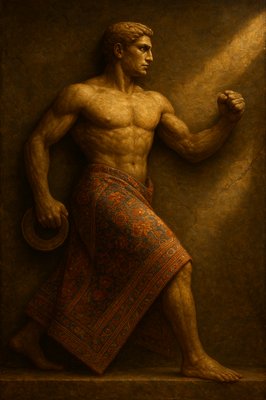
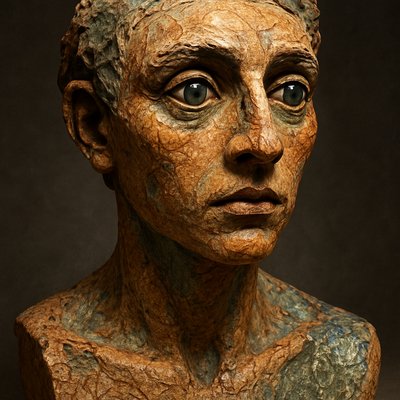
Bronze Figurative Sculpture Art Style Style Transfer Example
Mythological Allegory Renaissance Art Style Style Transfer Example
a painting of a man on a cross with wings
Appropriation Art Style Style Transfer Example
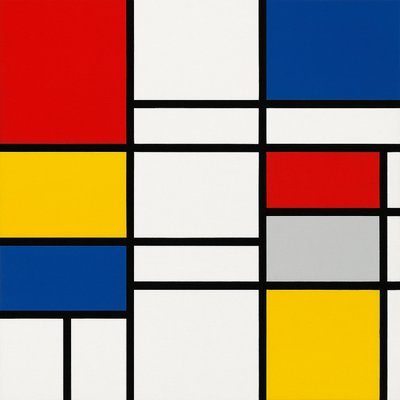
Abstract Art Style Style Transfer Example
Performance Art Style Style Transfer Example
Impressionist Still Life Art Style Style Transfer Example
Digital Glitch Modern Art Style Style Transfer Example
a man standing in front of a fence with his hands in the air
Spray Paint Dream Style Transfer Example
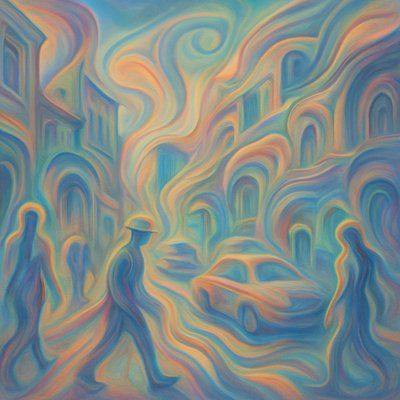
Beautiful landscape
a drawing of a man with white hair