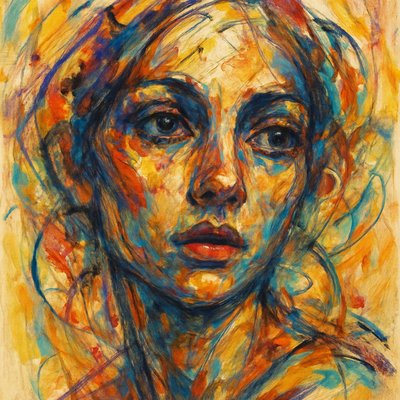
Ezekiel 1:1 28 Create The Angel Described In These Verses Give The Wheels Eyes And Make Sure The Animal Heads Are In The Right Art

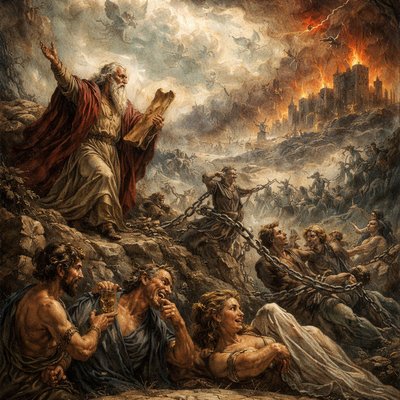
Now therefore be ye not mockers, lest your bands be made strong: for I have heard from the Lord GOD of hosts a consumption, even determined upon the whole earth. 
(Isaiah 28:22 KJV)
A classical sculpture
Kawaii Sticker Design Style Transfer Example
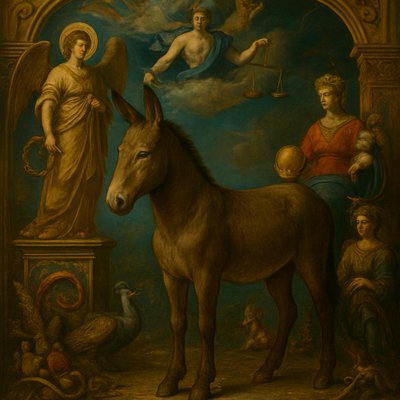
animal standing in natural pose
“I went mourning without the sun: I stood up, and I cried in the congregation.” (Job 30:28, KJV)
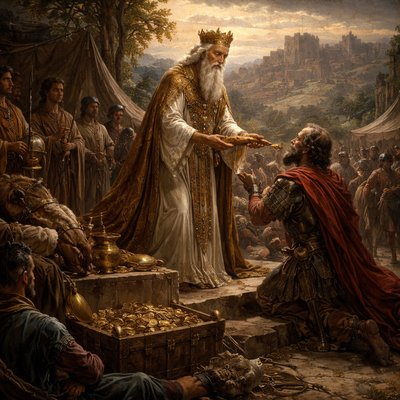
“For this Melchisedec, king of Salem, priest of the most high God, who met Abraham returning from the slaughter of the kings, and blessed him; To whom also Abraham gave a tenth part of all; first being by interpretation King of righteousness, and after that also King of Salem, which is, King of peace;” (Hebrews 7:1-2, KJV)
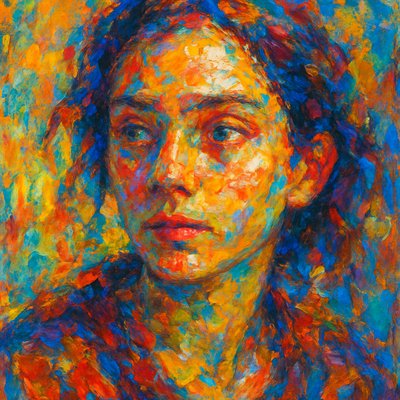
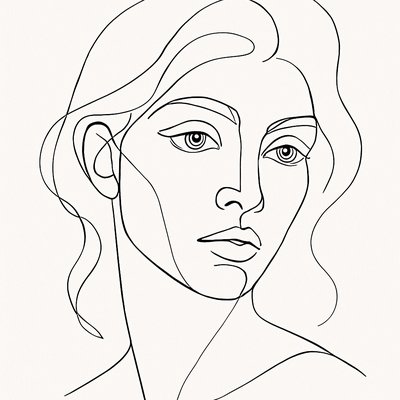
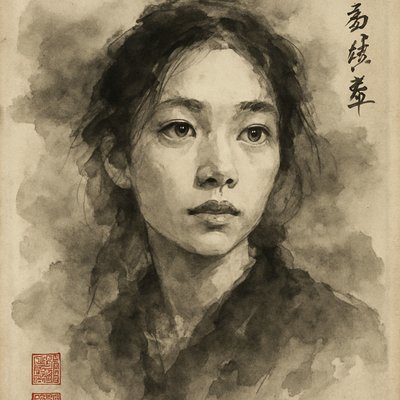
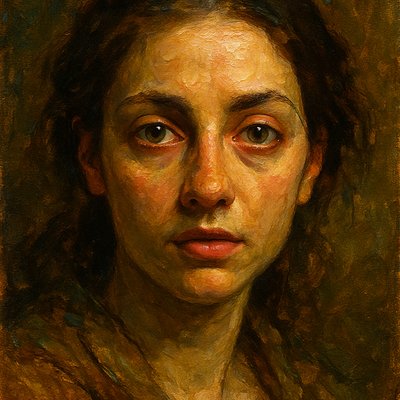
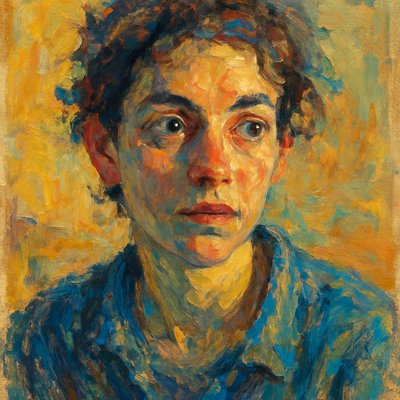
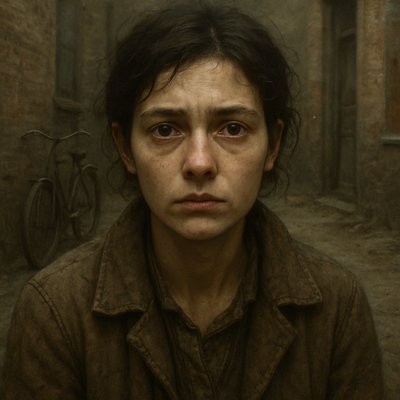
portrait of a person with expressive eyes
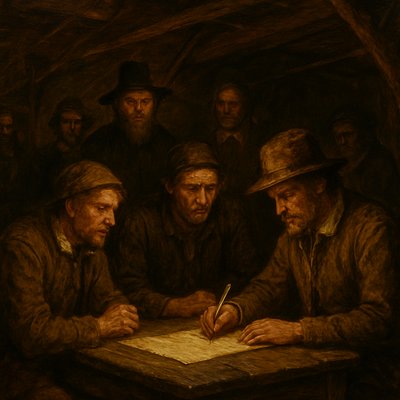
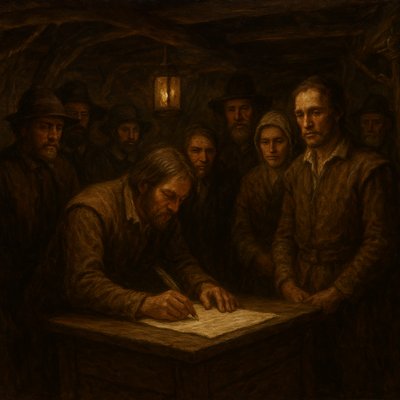
A historically accurate and atmospheric depiction of the signing of the Mayflower Compact aboard the ship in November 1620. The scene is set in the dimly lit, cramped cabin of the Mayflower, with the ship's timbers and rigging subtly visible, conveying the challenging conditions of the voyage. A simple table or chest serves as the signing surface. The primary focus is on a small group of the last individuals signing the document: specifically, the indentured servants (or 'strangers' not directly part of the Separatist congregation) approaching or at the table. Their expressions show a mix of weary determination, understanding of the necessity, and perhaps a hint of quiet apprehension or resignation to this new social contract, given their status. They are dressed in the plain, practical clothing typical of 17th-century commoners and laborers. Figures of prominent Pilgrims or 'Saints' (like William Bradford or John Carver) are visible in the background, observing the proceedings with a sense of gravity and leadership, but they are not the central focus. The lighting is low and warm, perhaps from a lantern, creating a chiaroscuro effect that highlights the faces of the signers. The atmosphere conveys the momentousness of the act under difficult circumstances, the diverse composition of the group, and the early seeds of self-governance in a new world. The artistic style is a realistic, historically detailed oil painting, capturing the solemnity and human element of this pivotal historical moment."
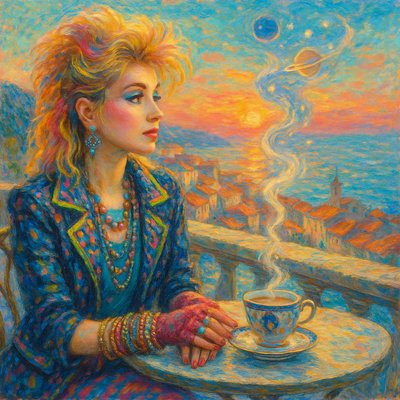
A young woman with timeless 1980s glamour, Cyndi Lauper-like look, sits at a small outdoor café table on a cliff overlooking a picturesque seaside town. She gazes over the town below as the sun rises, casting radiant hues of pink, orange, and teal across the rooftops and narrow streets. She has luminous pastel makeup, bright expressive eyes, and a stylishly teased hairstyle with vivid color streaks. Her outfit is eclectic and bold: layered accessories, a patterned jacket with neon accents, fingerless gloves, and whimsical jewelry sparkling in the morning light. On the table beside her rests a delicate porcelain coffee cup of fine Italian china, painted with intricate cobalt blue, gold, and crimson designs. From the cup, steam rises, transforming into miniature planets, glowing constellations, and swirling galaxies that drift upward like vapor into the sky above. The atmosphere is cinematic, luminous, filled with radiant tones, crisp clarity, and classic beauty, with no dark overlay.
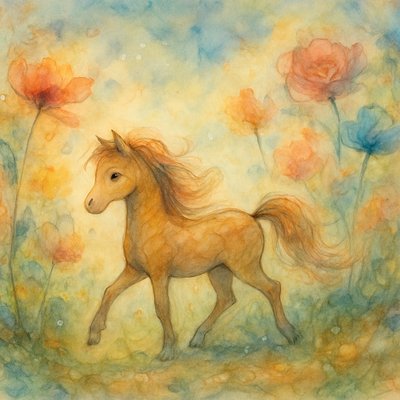
  A whimsical little horse wandering through a fantastical meadow of oversized flowers, soft morning light, delicate sparkles drifting in the air, intricate details, watercolor-dream mood, gentle movement in the mane and tail, expressive eyes, cinematic depth and color
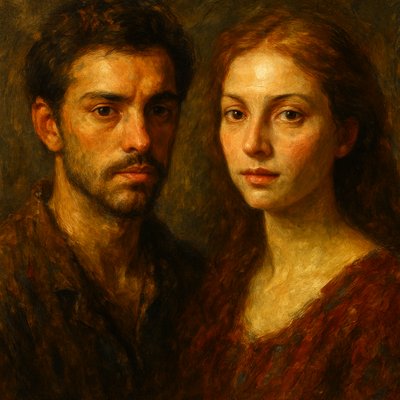
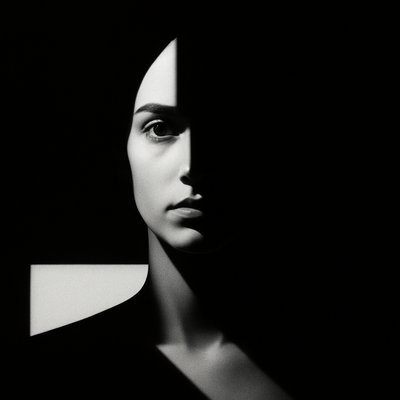
portrait of two people together
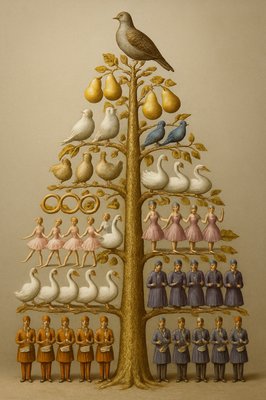
Create an elegant Christmas tree from a gold leaf pear tree with a partridge on the top, yellow pears, 2 turtledoves, 3 french hens 4 calling birds which are bluebirds, 5 golden rings, 6 geese, 7 swans, 8 bright pink ballerinas, 8 maids with royal blue dresses and milk pails, 9 Lords in purple, 10 Pipers in silver,  12 drummers in orange. No green or red colors
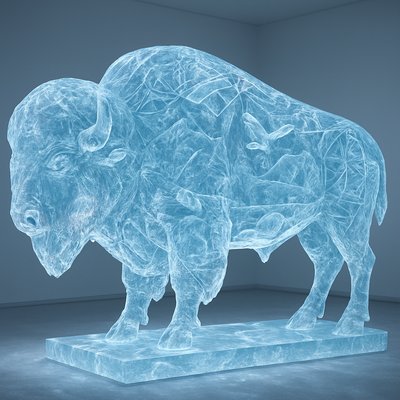
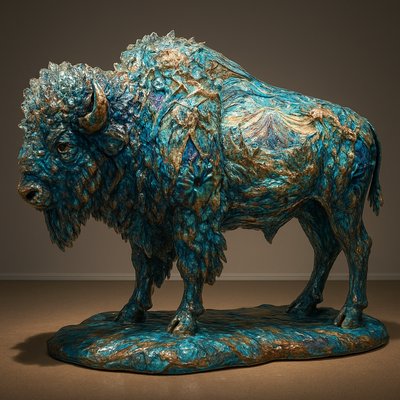
    A breathtaking, full-size artistic sculpture of a standing buffalo, rendered entirely in the style of intricate, luminous glass art, reminiscent of the painted buffalo installations found in West Yellowstone. The Buffalo is standing in the nature of Yellowstone National Park. The buffalo's form is composed of countless individual pieces of vibrant, multifaceted stained glass or fused glass, meticulously cut, arranged, and joined, creating a cohesive and majestic shape.

    Instead of traditional paint, the entire surface of this glass buffalo is adorned with various miniature, finely detailed scenes and patterns etched, painted, or embedded within the glass itself, or created by the unique coloration and texture of the glass pieces. These scenes could depict:

        Western landscapes: Yellowstone's geysers, mountain ranges, pine forests, rivers.

        Wildlife: Elk, bears, wolves, eagles (in glass).

        Native American art motifs: Geometric patterns, symbols, and figures (also rendered in glass).

        Historical moments: Subtle nods to early explorers or iconic figures (stylized in glass).

    The buffalo's interior is subtly illuminated, causing the entire sculpture to glow from within. Light catches every facet of the glass, creating a dazzling play of refracted colors and intricate shadows on the ground around it. The background is a clean, modern art gallery setting with soft, focused lighting, allowing the buffalo to be the sole, radiant centerpiece. The atmosphere is one of awe, wonder, and appreciation for artistic craftsmanship and the spirit of the American West, reimagined through a unique, luminous medium. The artistic style is hyper-realistic, emphasizing the detailed texture, transparency, and brilliant light play inherent in glass art."
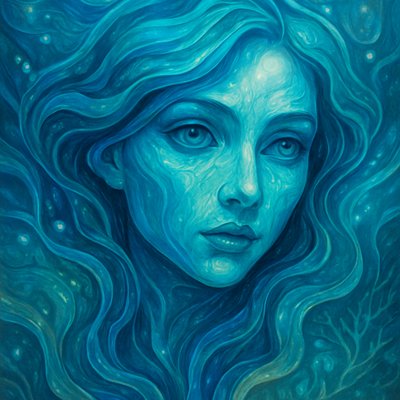
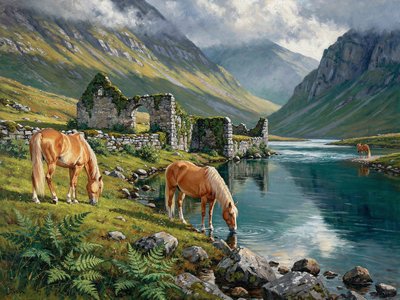
A triptych set of three drawings, continuous scene flowing left to right, left panel shows a palomino horse in the foreground on the far left side of the scene walking down a grassy slope toward a reflective teal-blue river in the Scottish Highlands with rocks and ferns around its hooves.
Center panel continues the same landscape as the horse now appears in the midground at the center of the scene standing at the river’s edge drinking from the reflective water beside ancient moss-covered stone ruins.
Right panel continues the scene as the horse appears far away in the distance on the far right side of the scene following the riverbank toward steep mist-covered mountains with dramatic sunlight breaking through the clouds, unified natural palette of greens golds and reflective teal blues, consistent cinematic lighting, shared horizon line, smoothf uninterrupted left-to-right visual flow with no panel separation.
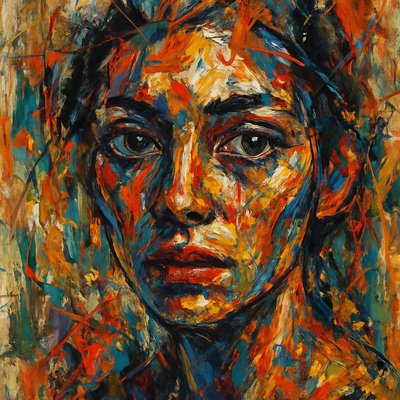
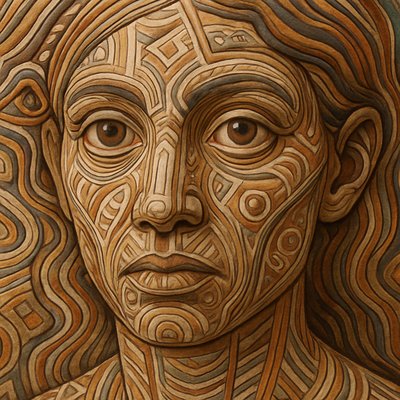
portrait of a person with expressive eyes
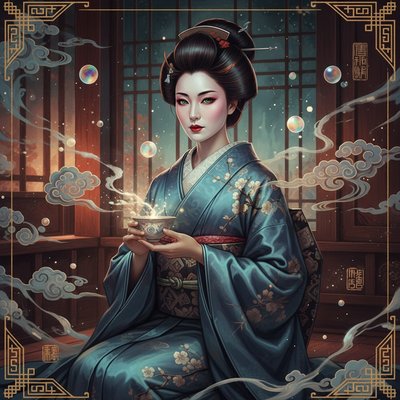
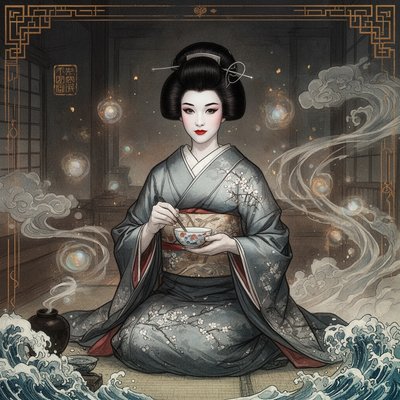
Cinematic Film Style, Traditional Japanese Ukiyo-e Influence, a regal and incredibly poised portrait of the geisha Mameha (inspired by Michelle Yeoh). She is seated in a refined, dimly lit wooden teahouse, her posture perfectly upright and elegant. She wears a heavy silk kimono in peaceful, sophisticated colors like slate blue and silver, with delicate hand-painted motifs of plum blossoms. Her face is a "mask" of white traditional makeup, featuring sharp red lips and wise, observant eyes that convey deep intelligence. She is in the middle of a ritual, perhaps holding a delicate porcelain tea bowl with perfectly choreographed hands. The lighting is soft and atmospheric, catching the shimmer of her silk and the intricate details of her high, lacquered hairstyle adorned with a single, understated silver hairpin. Focus on the feeling of quiet power, impeccable grace, and the stillness of a master artist.
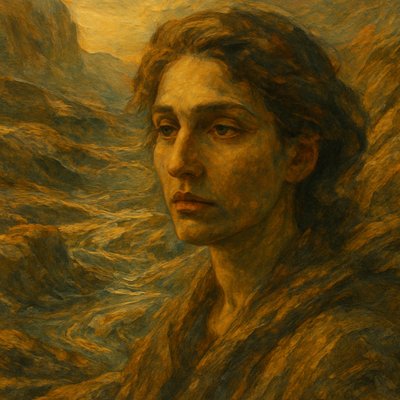
portrait of a person with expressive eyes
Seamless triptych artwork, continuous scene flowing left to right, left panel shows a palomino horse in the foreground on the far left side of the scene walking down a grassy slope toward a reflective teal-blue river in the Scottish Highlands with rocks and ferns around its hooves, center panel continues the same landscape as the horse now appears in the midground at the center of the scene standing at the river’s edge drinking from the reflective water beside ancient moss-covered stone ruins, right panel continues the scene as the horse appears far away in the distance on the far right side of the scene following the riverbank toward steep mist-covered mountains with dramatic sunlight breaking through the clouds, unified natural palette of greens golds and reflective teal blues, consistent cinematic lighting, shared horizon line, smooth uninterrupted left-to-right visual flow with no panel separation.
portrait of a person with expressive eyes
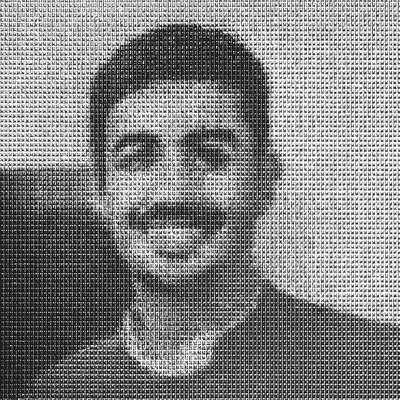
a black and white photo of a man with a mustache
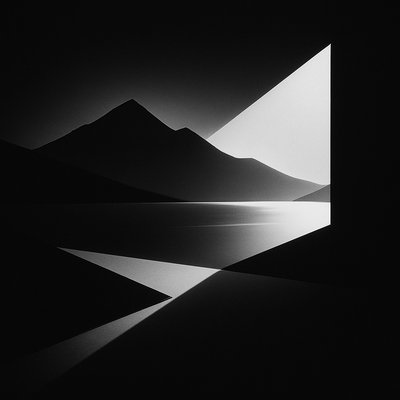
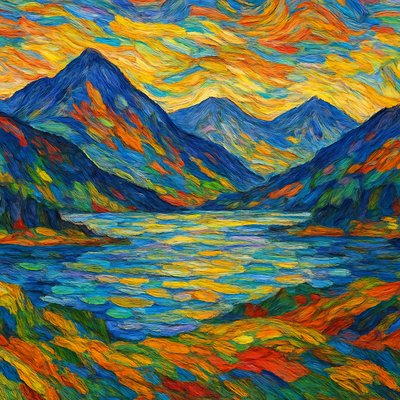
serene landscape with mountains and water
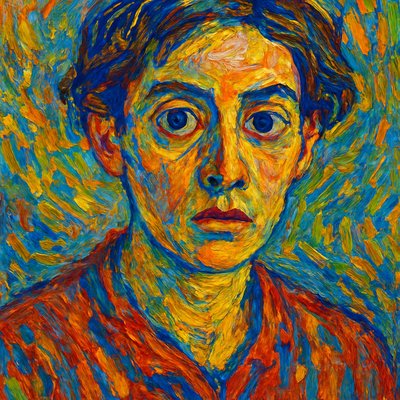
portrait of a person with expressive eyes
Cinematic Film Style, Traditional Japanese Ukiyo-e Influence, a regal and incredibly poised portrait of the geisha Mameha (inspired by Michelle Yeoh). She is seated in a refined, dimly lit wooden teahouse, her posture perfectly upright and elegant. She wears a heavy silk kimono in peaceful, sophisticated colors like slate blue and silver, with delicate hand-painted motifs of plum blossoms. Her face is a "mask" of white traditional makeup, featuring sharp red lips and wise, observant eyes that convey deep intelligence. She is in the middle of a ritual, perhaps holding a delicate porcelain tea bowl with perfectly choreographed hands. The lighting is soft and atmospheric, catching the shimmer of her silk and the intricate details of her high, lacquered hairstyle adorned with a single, understated silver hairpin. Focus on the feeling of quiet power, impeccable grace, and the stillness of a master artist.
portrait of a person with expressive eyes
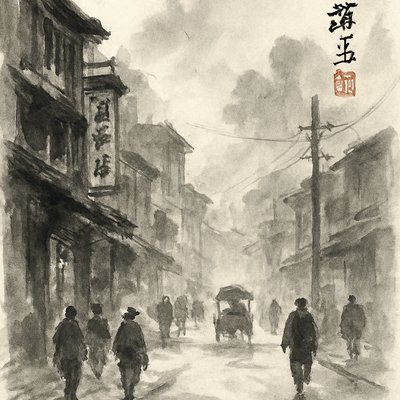
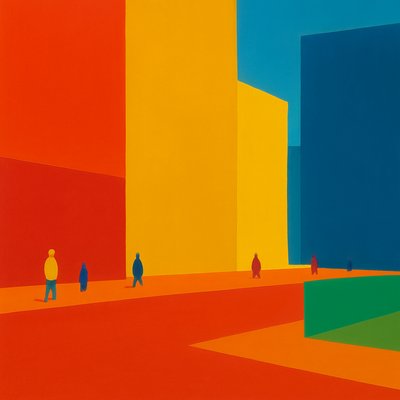
urban street with city activity
portrait of a person with expressive eyes
    A breathtaking, full-size artistic sculpture of a standing buffalo, rendered entirely in the style of intricate, luminous glass art, reminiscent of the painted buffalo installations found in West Yellowstone art shows. The buffalo's form is composed of countless individual pieces of vibrant, multifaceted stained glass or fused glass, meticulously cut, arranged, and joined, creating a cohesive and majestic shape.

    Instead of traditional paint, the entire surface of this glass buffalo is adorned with various miniature, finely detailed scenes and patterns etched, painted, or embedded within the glass itself, or created by the unique coloration and texture of the glass pieces. These scenes could depict:

        Western landscapes: Yellowstone's geysers, mountain ranges, pine forests, rivers.

        Wildlife: Elk, bears, wolves, eagles (in glass).

        Native American art motifs: Geometric patterns, symbols, and figures (also rendered in glass).

        Historical moments: Subtle nods to early explorers or iconic figures (stylized in glass).

    The buffalo's interior is subtly illuminated, causing the entire sculpture to glow from within. Light catches every facet of the glass, creating a dazzling play of refracted colors and intricate shadows on the ground around it. The background is a clean, modern art gallery setting with soft, focused lighting, allowing the buffalo to be the sole, radiant centerpiece. The atmosphere is one of awe, wonder, and appreciation for artistic craftsmanship and the spirit of the American West, reimagined through a unique, luminous medium. The artistic style is hyper-realistic, emphasizing the detailed texture, transparency, and brilliant light play inherent in glass art."
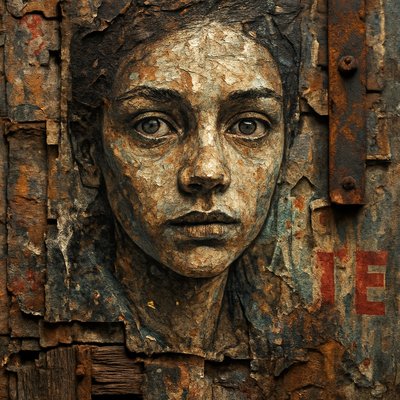
Seamless triptych artwork with no dividing lines or borders, continuous scene flowing left to right, left panel shows a palomino horse in the foreground on the far left side of the scene walking down a grassy slope toward a reflective teal-blue river in the Scottish Highlands with rocks and ferns around its hooves, center panel continues the same landscape as the horse now appears in the midground at the center of the scene standing at the river’s edge drinking from the reflective water beside ancient moss-covered stone ruins, right panel continues the scene as the horse appears far away in the distance on the far right side of the scene following the riverbank toward steep mist-covered mountains with dramatic sunlight breaking through the clouds, unified natural palette of greens golds and reflective teal blues, consistent cinematic lighting, shared horizon line, smooth uninterrupted left-to-right visual flow with no panel separation.
portrait of a person with expressive eyes
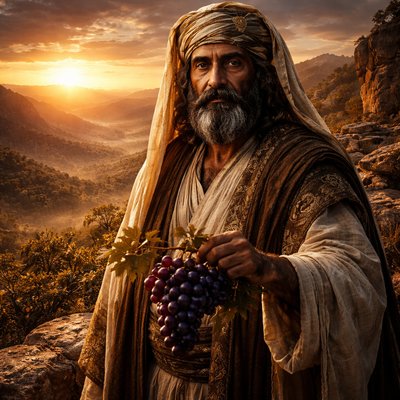
A cinematic portrait of a noble man named Shaho, appearing as an ancient Near Eastern patriarch with a groomed dark beard and weathered, wise eyes. He is wearing heavy linen robes and stands atop a rocky terrace of Mount Lubar. In one hand, he holds a vine branch with deep purple grapes. Behind him, the sun sets over a misty valley, illuminating the "First Vineyard." Hyper-realistic, 8k, dramatic lighting, epic historical film style.
portrait of a person with expressive eyes
A historically accurate and atmospheric depiction of the signing of the Mayflower Compact aboard the ship in November 1620. The scene is set in the dimly lit, cramped cabin of the Mayflower, with the ship's timbers and rigging subtly visible, conveying the challenging conditions of the voyage. A simple table or chest serves as the signing surface. The primary focus is on a small group of the last individuals signing the document: specifically, the indentured servants (or 'strangers' not directly part of the Separatist congregation) approaching or at the table. Their expressions show a mix of weary determination, understanding of the necessity, and perhaps a hint of quiet apprehension or resignation to this new social contract, given their status. They are dressed in the plain, practical clothing typical of 17th-century commoners and laborers. Figures of prominent Pilgrims or 'Saints' (like William Bradford or John Carver) are visible in the background, observing the proceedings with a sense of gravity and leadership, but they are not the central focus. The lighting is low and warm, perhaps from a lantern, creating a chiaroscuro effect that highlights the faces of the signers. The atmosphere conveys the momentousness of the act under difficult circumstances, the diverse composition of the group, and the early seeds of self-governance in a new world. The artistic style is a realistic, historically detailed oil painting, capturing the solemnity and human element of this pivotal historical moment."
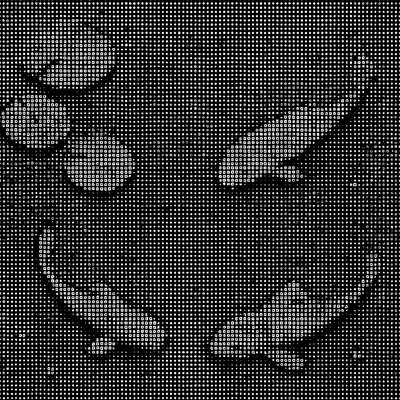
A koi pond seen from above, orange and white koi fish swimming among lily pads, clear water with subtle ripples, fallen cherry blossom petals floating on the surface, dappled sunlight
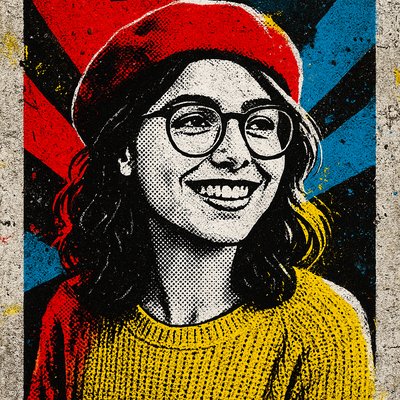
Stencil Street Art Style Style Transfer Example
urban street with city activity
portrait of a person with expressive eyes