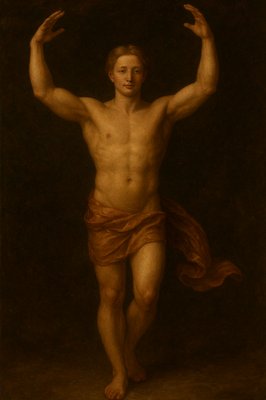
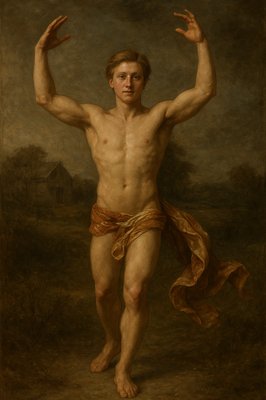
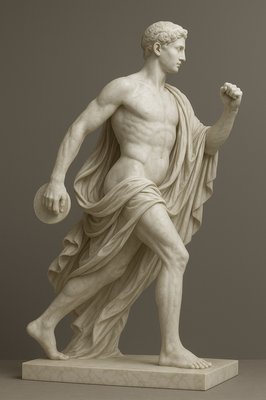
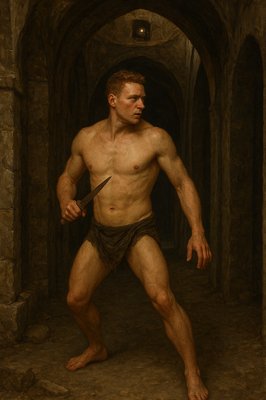
Elijah The Prophet Wrapped His Face In His Mantle And Went Out And Stood In The Entrance Of The Cave.” Art

a drawing of a man with a bird on his shoulder
A historically accurate and atmospheric depiction of the signing of the Mayflower Compact aboard the ship in November 1620. The scene is set in the dimly lit, cramped cabin of the Mayflower, with the ship's timbers and rigging subtly visible, conveying the challenging conditions of the voyage. A simple table or chest serves as the signing surface. The primary focus is on a small group of the last individuals signing the document: specifically, the indentured servants (or 'strangers' not directly part of the Separatist congregation) approaching or at the table. Their expressions show a mix of weary determination, understanding of the necessity, and perhaps a hint of quiet apprehension or resignation to this new social contract, given their status. They are dressed in the plain, practical clothing typical of 17th-century commoners and laborers. Figures of prominent Pilgrims or 'Saints' (like William Bradford or John Carver) are visible in the background, observing the proceedings with a sense of gravity and leadership, but they are not the central focus. The lighting is low and warm, perhaps from a lantern, creating a chiaroscuro effect that highlights the faces of the signers. The atmosphere conveys the momentousness of the act under difficult circumstances, the diverse composition of the group, and the early seeds of self-governance in a new world. The artistic style is a realistic, historically detailed oil painting, capturing the solemnity and human element of this pivotal historical moment."
The constellation Leo the Lion with its decans, Hydra, the Raven and Crater, the cup poured out
A whimsical and enchanting scene inside Willy Wonka's Chocolate Factory, featuring his extraordinary golden egg-laying geese. Several plump, pristine white geese are perched comfortably in ornate, perhaps slightly absurd, nests made of candy floss or sweet wrappers. Each goose is in the process of laying, or has just laid, a perfectly smooth, shimmering golden egg, which glows with a soft, magical luminescence. The geese themselves have a benevolent, slightly proud expression. The background reveals a fantastical, imaginative section of the factory, with edible landscapes, rivers of chocolate, and machinery built from confectionery. The lighting is soft, warm, and magical, emphasizing the golden glow of the eggs and the fantastical nature of the setting. The overall mood is one of sweet wonder, delight, and a touch of eccentricity."

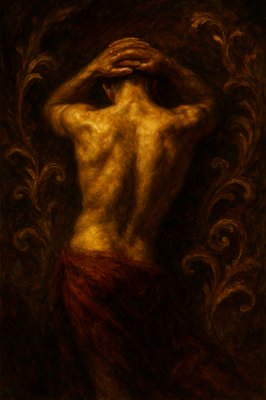
The weight of silence
A historically accurate and atmospheric depiction of the signing of the Mayflower Compact aboard the ship in November 1620. The scene is set in the dimly lit, cramped cabin of the Mayflower, with the ship's timbers and rigging subtly visible, conveying the challenging conditions of the voyage. A simple table or chest serves as the signing surface. The primary focus is on a small group of the last individuals signing the document: specifically, the indentured servants (or 'strangers' not directly part of the Separatist congregation) approaching or at the table. Their expressions show a mix of weary determination, understanding of the necessity, and perhaps a hint of quiet apprehension or resignation to this new social contract, given their status. They are dressed in the plain, practical clothing typical of 17th-century commoners and laborers. Figures of prominent Pilgrims or 'Saints' (like William Bradford or John Carver) are visible in the background, observing the proceedings with a sense of gravity and leadership, but they are not the central focus. The lighting is low and warm, perhaps from a lantern, creating a chiaroscuro effect that highlights the faces of the signers. The atmosphere conveys the momentousness of the act under difficult circumstances, the diverse composition of the group, and the early seeds of self-governance in a new world. The artistic style is a realistic, historically detailed oil painting, capturing the solemnity and human element of this pivotal historical moment."

a sepia photograph of a woman with freckles on her face
Create an image inspired by the sentiment of 1 Peter 3:3-4, with an emphasis on elements of gentleness and tranquility. The art should evoke a deeply respectful and devotional tone towards Christianity. Although the style should be digital, no text or words should be used in the image. Instead, use symbolism and visual cues to express the essence of the scripture, creating a serene, spiritual atmosphere in the artwork.
A historically accurate and atmospheric depiction of the signing of the Mayflower Compact aboard the ship in November 1620. The scene is set in the dimly lit, cramped cabin of the Mayflower, with the ship's timbers and rigging subtly visible, conveying the challenging conditions of the voyage. A simple table or chest serves as the signing surface. The primary focus is on a small group of the last individuals signing the document: specifically, the indentured servants (or 'strangers' not directly part of the Separatist congregation) approaching or at the table. Their expressions show a mix of weary determination, understanding of the necessity, and perhaps a hint of quiet apprehension or resignation to this new social contract, given their status. They are dressed in the plain, practical clothing typical of 17th-century commoners and laborers. Figures of prominent Pilgrims or 'Saints' (like William Bradford or John Carver) are visible in the background, observing the proceedings with a sense of gravity and leadership, but they are not the central focus. The lighting is low and warm, perhaps from a lantern, creating a chiaroscuro effect that highlights the faces of the signers. The atmosphere conveys the momentousness of the act under difficult circumstances, the diverse composition of the group, and the early seeds of self-governance in a new world. The artistic style is a realistic, historically detailed oil painting, capturing the solemnity and human element of this pivotal historical moment."
Historical event
Create a hyper-realistic image with slight surreal elements and extreme detail of a medieval battlefield viewed from a worm's eye perspective, looking up at a fierce warrior in full plate armor, including a visored helmet that obscures his face, standing in a defensive battle stance with a gleaming longsword raised in one hand and a sturdy shield emblazoned with glowing cross emblems in the other, his armor radiating ethereal light from intricate cross motifs.
When you pass through the waters,
    I will be with you;
and when you pass through the rivers,
    they will not sweep over you.
When you walk through the fire,
    you will not be burned;
    the flames will not set you ablaze.
A close up of an eye. Around the eye are daisy petals - as if the eye is the center of the daisy. In the pupil a picture of Jesus swinging a little girl with long red hair, her arms around His neck, close-up view, macro perspective, joyful mood, golden hour color palette, god rays lighting, framing composition, masterpiece, best quality, ultra detailed, sharp focus, highly detailed
A close up of an eye. Around the eye are daisy petals - as if the eye is the center of the daisy with the soft yellow lining the eye. In the pupil there is a field of daisies and picture of Jesus hugging a little girl with long red hair, her arms around His neck, close-up view, macro perspective, joyful mood, golden hour color palette, god rays lighting, rule of thirds composition, masterpiece, best quality, ultra detailed, sharp focus, highly detailed
A cinematic, realistic image, set in the desolate, muddy expanse of the Texas Cross Timbers in 1840. The scene captures the return leg of the Chihuahua Traders Trail. Several heavy, wooden Conestoga wagons are hopelessly mired in deep, dark mud, pulled by straining, distressed oxen and mules. Merchants and teamsters in rugged, damp frontier clothing are struggling, using poles and ropes to try and free a wagon wheel.

In stark contrast, a group of bewildered and exasperated American equestrian circus performers, dressed in bright, slightly tattered stage costumes (e.g., a sequined acrobat, a rider in a velvet jacket, a clown attempting to keep his white makeup clean), stand nearby. They are trying to keep their fine horses and props (perhaps a small, colorful tent piece or a drum) out of the worst of the mire. The sky is overcast and oppressive, reflecting the damp, miserable conditions. The overall lighting should be dark and moody, emphasizing the frustrating five-week delay. Wide-angle shot, photorealistic quality, historical accuracy, dark realism.
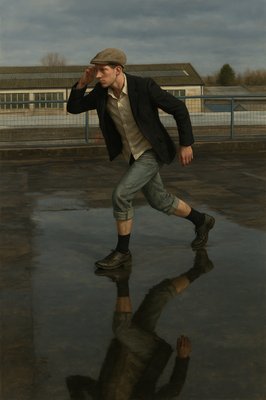
a man is walking in the rain with his reflection in the water
A close up of an eye. Around the eye are daisy petals - as if the eye is the center of the daisy. In the pupil a picture of Jesus swinging a little girl with long red hair, her arms around His neck, close-up view, macro perspective, joyful mood, golden hour color palette, god rays lighting, framing composition, masterpiece, best quality, ultra detailed, sharp focus, highly detailed
A close up of an eye. Around the eye are daisy petals - as if the eye is the center of the daisy. In the pupil a picture of Jesus swinging a little girl with long red hair, her arms around His neck, close-up view, macro perspective, joyful mood, golden hour color palette, god rays lighting, rule of thirds composition, masterpiece, best quality, ultra detailed, sharp focus, highly detailed
A close up of an eye. Around the eye are daisy petals - as if the eye is the center of the daisy. In the pupil a picture of Jesus swinging a little girl with long red hair, her arms around His neck, close-up view, macro perspective, joyful mood, golden hour color palette, god rays lighting, framing composition, masterpiece, best quality, ultra detailed, sharp focus, highly detailed
A close up of an eye. Around the eye are daisy petals - as if the eye is the center of the daisy. Keep eye detail but instead of the colored area have daisies In the pupil there Jesus hugging a little girl with long red hair, her arms around His neck, close-up view, macro perspective, joyful mood, golden hour color palette, god rays lighting, rule of thirds composition, masterpiece, best quality, ultra detailed, sharp focus, highly detailed
A close up of an eye. Around the eye are daisy petals - as if the eye is the center of the daisy with the soft yellow lining the eye. In the pupil there is a field of daisies and picture of Jesus hugging a little girl with long red hair, her arms around His neck, close-up view, macro perspective, joyful mood, golden hour color palette, god rays lighting, rule of thirds composition, masterpiece, best quality, ultra detailed, sharp focus, highly detailed
Sepia Memory Style Transfer Example
Gritty Historical Realism Style, Cinematic Film Photography, Natural Daylight. A powerful, candid medium shot of the infamous pirate duo, Anne Bonny and Mary Read, standing side-by-side on the weathered wooden deck of the sloop Revenge in the Caribbean Sea (circa 1720).

The Subjects: Both are dressed in practical, worn 18th-century male sailor's attire—loose canvas breeches, oversized linen shirts, heavy leather waistcoats, and bandanas—scruffy clothing that disguises their gender at a distance but reveals them as fiercely capable women upon closer inspection. Their faces are sun-weathered, dirty, and determined.

Specific Details: Anne Bonny (left) has fiery red hair escaping a dark bandana and a tricorn hat pushed back; she holds a drawn cutlass and has a defiant, volatile expression. Mary Read (right) looks sturdier, wearing a heavy wool coat, arms crossed over her chest with two flintlock pistols visible in her sash, looking steady and calculating.

The Setting: The background is a chaotic, working pirate ship deck with coils of tarred rope, rigging, barrels, and a cannon. Beyond the rail is the turquoise ocean and a hazy tropical coastline. The lighting is harsh, midday sun, with salt spray in the air. The mood is tense, rebellious, and authentic. Film grain texture.
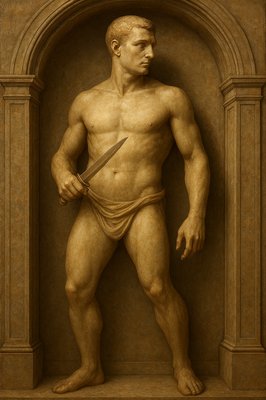
a man holding a pair of scissors in his right hand
Triptych addressing personal and collective history in the art style of New European Painting --v 6.1
Historical scene with Roman architecture and togas in the art style of Neoclassicism --v 6.1
"A solitary and ominous Black Plague Doctor stands in a dimly lit, narrow cobblestone alleyway in a medieval European city. The doctor is clad head-to-toe in their iconic, dark, heavy protective gear: a long, oil-soaked waxed canvas or leather coat, dark gloves, and a wide-brimmed black hat. Their most striking feature, the beaked mask with dark, glass eyeholes, is prominent, creating an eerie, bird-like silhouette that conceals their face entirely. A wooden cane or pointer is held firmly in one gloved hand.

The atmosphere is heavy and foreboding. The background features dark, crumbling stone or timber-framed buildings with shuttered windows, hinting at a city under quarantine. Smoke or mist might subtly swirl around their feet. The lighting is stark and dramatic, perhaps from a distant lantern or a sliver of pale moonlight, casting deep shadows and highlighting the grim details of their attire. The overall mood is one of profound isolation, historical dread, and silent vigilance against an invisible enemy."
Historical scene with Roman architecture and togas in the art style of Neoclassicism --v 6.1
Modern Farmhouse Interior Design Style Transfer Example
A biblical scene of Moses anointing Aaron with oil, inspired by the Book of Exodus. Moses, an older man with a long white beard, is holding a golden goblet and pouring oil directly onto Aaron's uncovered head. Moses is not wearing glasses, and his hands do not touch Aaron's head. Aaron is a man in his 50s with a full beard, dressed in ornate priestly robes with a richly colored ephod and no head covering. The oil flows visibly onto Aaron's head, beard, and garments. The setting is a desert-like environment near the Tabernacle, with woven curtains in the background, illuminated by warm, divine light. The scene reflects a biblical atmosphere with historically accurate clothing and details.
In the style of Franz Marc, create a horse startled from his rest. The horse is in a grassy field, fenced, with mountains in the background. The horse is a light tan with dark mane. The horse is sensitive to a coyote nearby, emerging from a stand of Ponderosa pines. The atmosphere is quiet and calm with some morning fog misting around.
A triptych oil painting, presented as three heavily framed, connected panels in the dramatic, tenebrism style of Baroque masters like Caravaggio. The overall atmosphere is one of supernatural, oppressive darkness and violent chaos.

The Left Panel shows the penitent thief on his cross, body twisted in pain but his face turned toward the center panel with a look of sorrowful acceptance. A faint, supernatural light illuminates his face against a nearly black sky. Below him, rocks are splitting.

The Center Panel is dominated by Jesus on the cross, head bowed in finality. The sky is a swirling vortex of eclipse darkness, blotting out the sun. The ground beneath the cross is violently cracking open, emitting dust and smoke, with debris caught in mid-air from the earthquake shockwave.

The Right Panel shows the impenitent thief, writhing and screaming against his bonds, his face contorted in rage looking away from the center. He is almost swallowed by the shadows. The cross appears unstable as the cliffside crumbles beneath it. The entire triptych has a rich, dark color palette of deep browns, blacks, and muted crimson, textured with visible, frantic brushstrokes.
A triptych oil painting, presented as three heavily framed, connected panels in the dramatic, tenebrism style of Baroque masters like Caravaggio. The overall atmosphere is one of supernatural, oppressive darkness and violent chaos.

The Left Panel shows the penitent thief on his cross, body twisted in pain but his face turned toward the center panel with a look of sorrowful acceptance. A faint, supernatural light illuminates his face against a nearly black sky. Below him, rocks are splitting.

The Center Panel is dominated by Jesus on the cross, head bowed in finality. The sky is a swirling vortex of eclipse darkness, blotting out the sun. The ground beneath the cross is violently cracking open, emitting dust and smoke, with debris caught in mid-air from the earthquake shockwave.

The Right Panel shows the impenitent thief, writhing and screaming against his bonds, his face contorted in rage looking away from the center. He is almost swallowed by the shadows. The cross appears unstable as the cliffside crumbles beneath it. The entire triptych has a rich, dark color palette of deep browns, blacks, and muted crimson, textured with visible, frantic brushstrokes.
In the style of Franz Marc, create a horse startled from his rest. The horse is in a grassy field, fenced, with mountains in the background. The horse is a light tan with dark mane. The horse is sensitive to a coyote nearby, emerging from a stand of Ponderosa pines. The atmosphere is quiet and calm with some morning fog misting around.