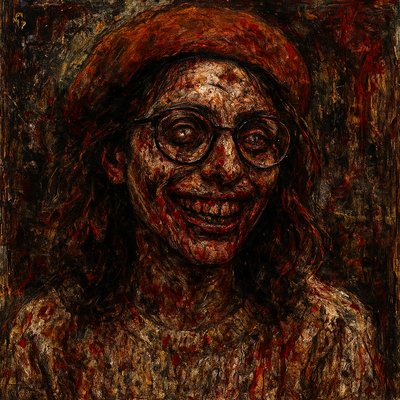
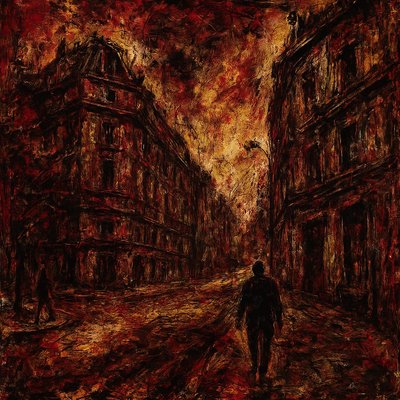
Do Not Use Words To Portray As Angel Drawn In Graffiti Art “And Unto The Angel Of The Church Of The Laodiceans Write; These Art

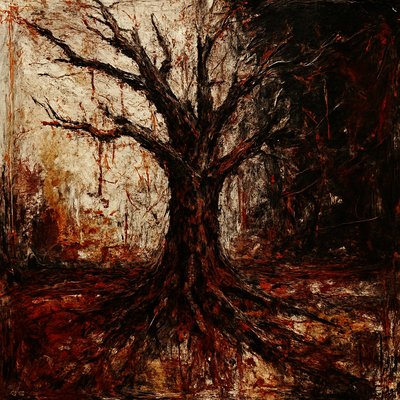
a tree in nature
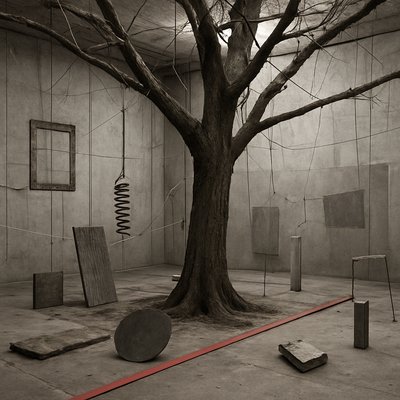
Land/Environmental Conceptual Art Style Style Transfer Example
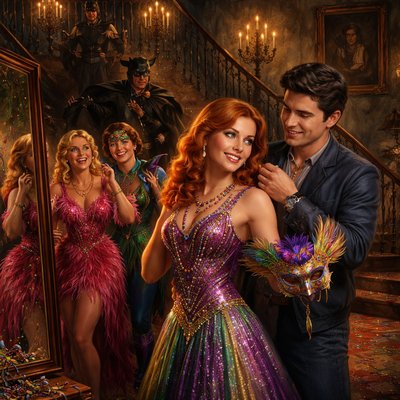
Atmospheric interior scene from Nancy Drew book #81 The Mardi Gras Mystery, set inside the grand, dimly lit Seaton Mansion nicknamed 'Bat Hollow' in New Orleans during Mardi Gras. Teenage detective Nancy Drew with her classic reddish-blonde hair, blue eyes, and determined smile, trying on an elegant masquerade costume—perhaps a sparkling gown with purple, green, and gold accents, feathered mask in hand, beads around her neck. Her friends Bess (blonde, bubbly, in a glamorous pink feathered outfit) and George (short dark hair, athletic, in a fun jester or adventurous costume) are nearby, laughing and adjusting outfits in front of a large antique mirror. Ned Nickerson helps Nancy with a clasp, smiling. In the background: Brian Seaton and his father Bartholomew in partial bat-themed costumes (capes, masks with bat ears/wings), an old grand staircase with wrought-iron details, flickering candlelight or chandeliers casting shadows, antique furniture, a framed portrait on the wall hinting at the stolen painting mystery, Mardi Gras beads and confetti scattered around. Moody yet festive lighting—warm glows against dark wood paneling and high ceilings—evoking a haunted Southern mansion vibe mixed with holiday excitement. 1980s Nancy Drew book illustration style, adventurous, detailed costumes, cinematic composition, vibrant colors popping against gothic shadows
Land/Environmental Conceptual Art Style Style Transfer Example
a tree in nature
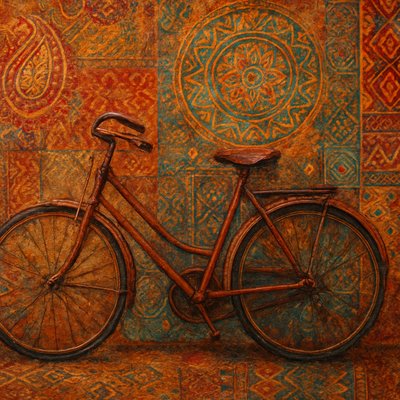
bicyle resting against a wall
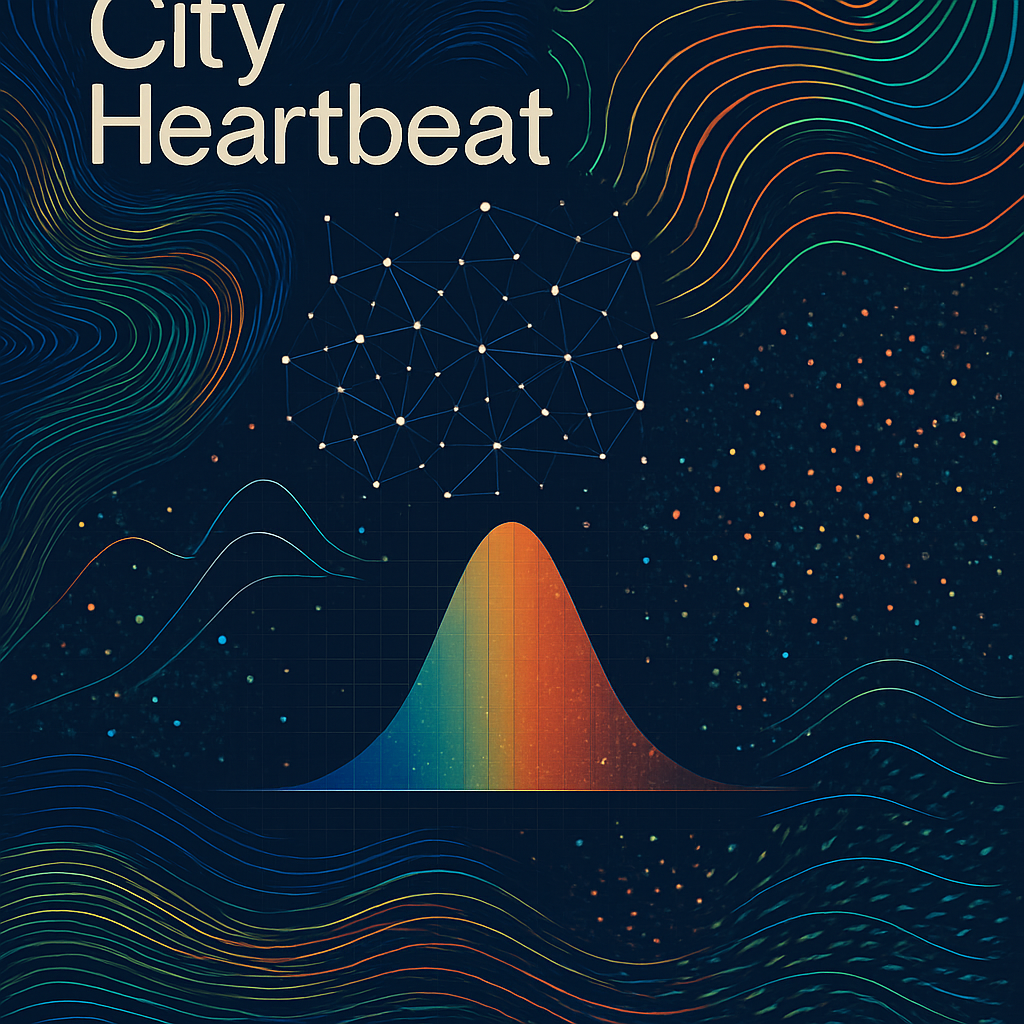
City heartbeat
portrait of two people together
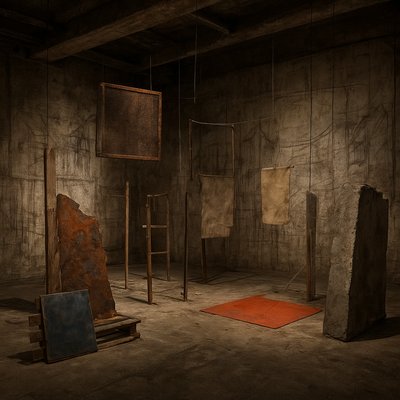
Installation Conceptual Art Style Description Style Transfer Example
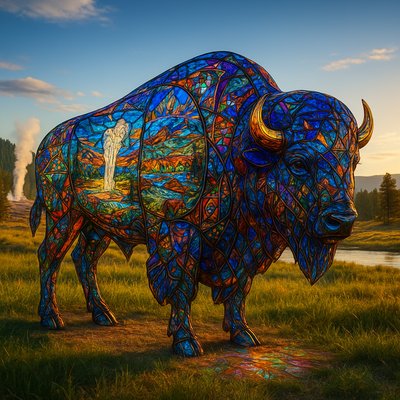
    A breathtaking, full-size artistic standing buffalo, rendered entirely in the style of intricate, luminous glass art, reminiscent of the painted buffalo installations. The buffalo's majestic form is composed of countless individual pieces of vibrant, multifaceted stained glass or fused glass, meticulously cut, arranged, and joined.

    The entire surface of this glass buffalo is adorned with various miniature, finely detailed scenes and patterns etched, painted, or embedded within the glass itself, or created by the unique coloration and texture of the glass pieces. These scenes depict:

        Iconic Yellowstone landscapes: Old Faithful erupting in miniature, the Grand Canyon of the Yellowstone, geothermal pools.

        Local wildlife: Elk, bears, wolves, eagles (all rendered in the glass medium).

        Native American art motifs: Geometric patterns, symbols, and figures (also within the glass).

    The buffalo's interior is subtly illuminated, causing the entire sculpture to glow from within, acting as a beacon of art and nature. Light catches every facet of the glass, creating a dazzling play of refracted colors that project intricate patterns onto the surrounding natural environment.

    The setting is the glory of Yellowstone National Park, specifically an expansive, iconic vista. Perhaps in a verdant meadow with distant geysers steaming, or near a crystal-clear river. The morning sun, bright and golden, backlights the buffalo, intensifying its inner glow and creating a dramatic contrast with the rugged, natural beauty of the park. The atmosphere is one of awe, harmony between art and nature, and a profound celebration of the spirit of the American West. The artistic style is hyper-realistic, emphasizing the detailed texture, transparency, and brilliant light play inherent in glass art, seamlessly integrated into a vibrant, natural landscape.
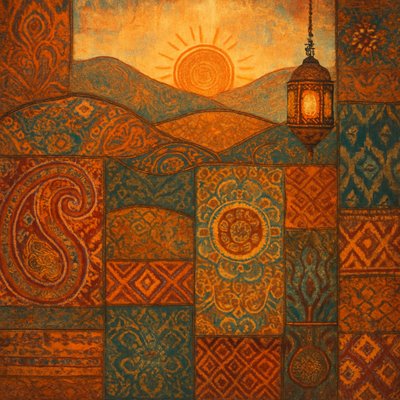
wide landscape with natural scenery
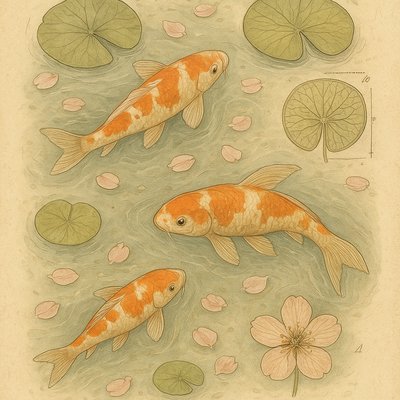
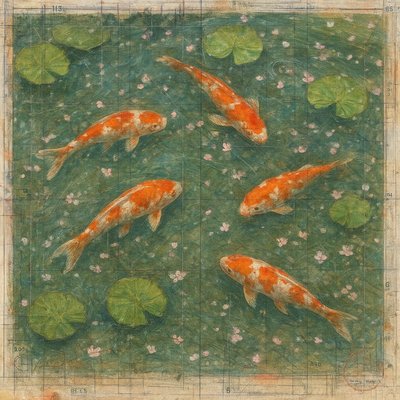
A koi pond seen from above, orange and white koi fish swimming among lily pads, clear water with subtle ripples, fallen cherry blossom petals floating on the surface, dappled sunlight
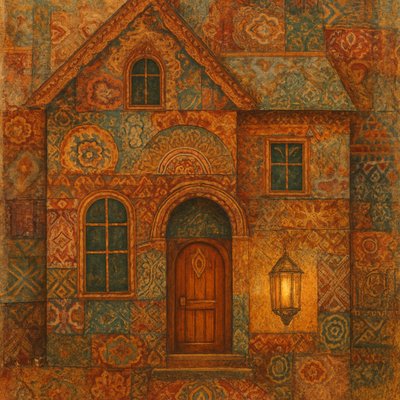
house with front view
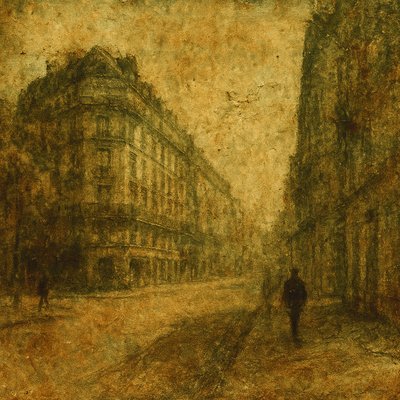
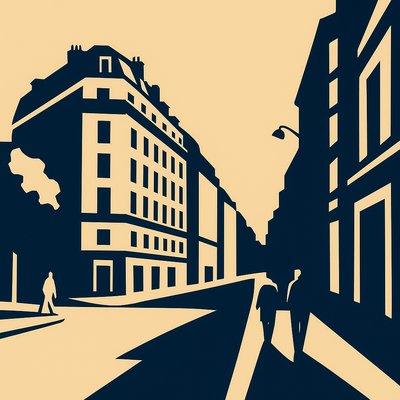
urban street with city activity
bicyle resting against a wall
house with front view
bicyle resting against a wall
wide landscape with natural scenery
Duotone Icon Design Style Transfer Example
still life with everyday objects
wide landscape with natural scenery
A koi pond seen from above, orange and white koi fish swimming among lily pads, clear water with subtle ripples, fallen cherry blossom petals floating on the surface, dappled sunlight
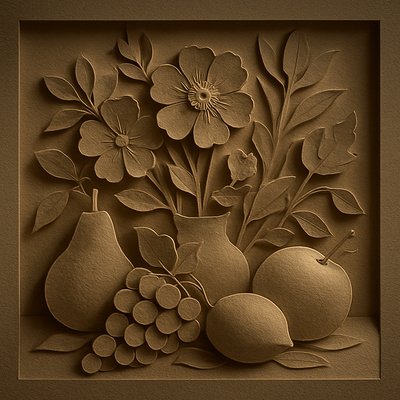
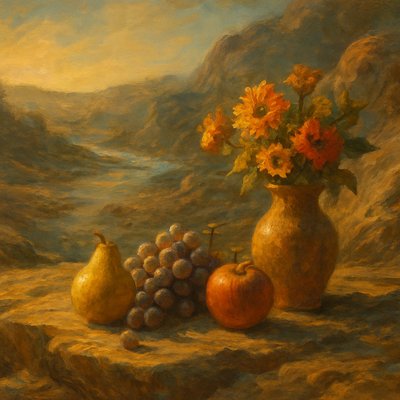
still life arrangement of fruits and flowers
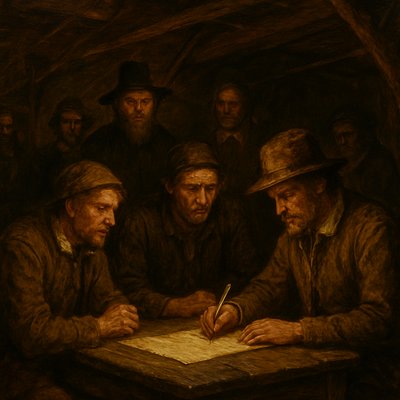
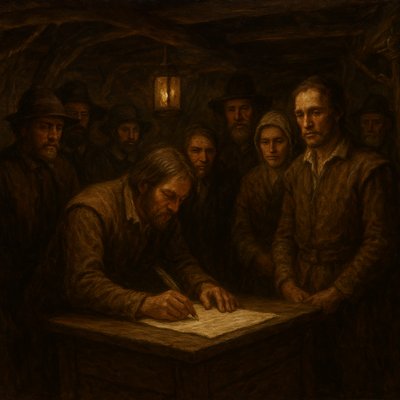
A historically accurate and atmospheric depiction of the signing of the Mayflower Compact aboard the ship in November 1620. The scene is set in the dimly lit, cramped cabin of the Mayflower, with the ship's timbers and rigging subtly visible, conveying the challenging conditions of the voyage. A simple table or chest serves as the signing surface. The primary focus is on a small group of the last individuals signing the document: specifically, the indentured servants (or 'strangers' not directly part of the Separatist congregation) approaching or at the table. Their expressions show a mix of weary determination, understanding of the necessity, and perhaps a hint of quiet apprehension or resignation to this new social contract, given their status. They are dressed in the plain, practical clothing typical of 17th-century commoners and laborers. Figures of prominent Pilgrims or 'Saints' (like William Bradford or John Carver) are visible in the background, observing the proceedings with a sense of gravity and leadership, but they are not the central focus. The lighting is low and warm, perhaps from a lantern, creating a chiaroscuro effect that highlights the faces of the signers. The atmosphere conveys the momentousness of the act under difficult circumstances, the diverse composition of the group, and the early seeds of self-governance in a new world. The artistic style is a realistic, historically detailed oil painting, capturing the solemnity and human element of this pivotal historical moment."
A koi pond seen from above, orange and white koi fish swimming among lily pads, clear water with subtle ripples, fallen cherry blossom petals floating on the surface, dappled sunlight
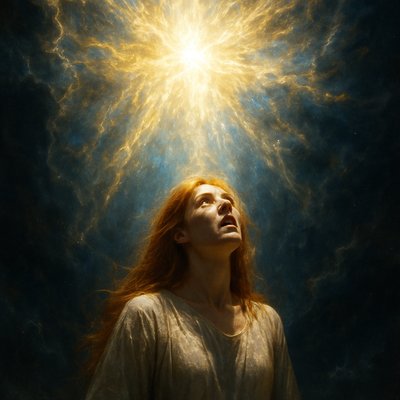
Photorealism Art Style, a profoundly dramatic and intensely luminous image depicting a vision of Heaven seen from the ground. The scene is dominated by a blazing, overwhelming celestial light that is violently breaking through the darkness of the night sky. This light is not the sun, but the pure glory of God, manifesting as swirling gold, brilliant white, and ethereal blue luminescence that seems to pull the viewer upward. A long red-haired woman, wearing simple, flowing heavenly attire, stands below, gazing upward with an expression of ecstatic awe and reverence. She is bathed in the brilliant, otherworldly light streaming down, suggesting the moment of divine revelation where the heavens are torn open. The focus is on the raw, blinding intensity of the divine light, the realistic texture of the woman's awe-struck face, and the vibrant, chaotic energy of the celestial vision, creating a powerful image of a direct, momentary glimpse into the boundless presence of Heaven.
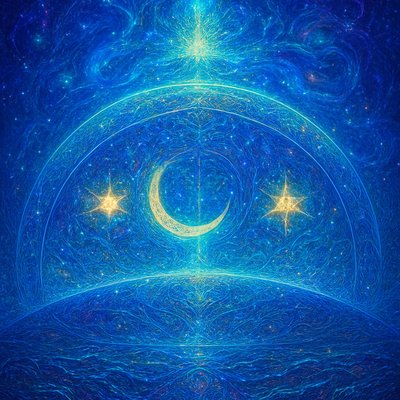
Visionary Art Style, Bioluminescence Art Style, an awe-inspiring, luminous depiction of ancient Jewish cosmology for Psalm 8:3, presented with profound depth and ethereal glow. The central feature is a vast, shimmering, domed firmament (raqia), appearing as a translucent, opalescent boundary stretching across the scene, separating realms. Above this firmament, immense, glowing celestial waters swirl with bioluminescent currents of deep blues, purples, and greens, illuminated by an unseen, brilliant divine light emanating from the highest heavens. Large, radiant stars and a luminous crescent moon are not distant objects, but rather appear as integral, internally glowing bioluminescent entities set within the shimmering surface of the firmament, their light subtly pulsing. Below, hints of foundational earth and the "waters below" are visible, also touched by soft, ethereal glows. The entire scene is alive with vibrant, jewel-toned celestial colors and a sense of boundless, mystical energy. Focus on the layered, translucent quality of the firmament, the dynamic, living glow of the bioluminescent waters and embedded celestial bodies, and an overwhelming sense of ancient, sacred wonder and divine power.
A historically accurate and atmospheric depiction of the signing of the Mayflower Compact aboard the ship in November 1620. The scene is set in the dimly lit, cramped cabin of the Mayflower, with the ship's timbers and rigging subtly visible, conveying the challenging conditions of the voyage. A simple table or chest serves as the signing surface. The primary focus is on a small group of the last individuals signing the document: specifically, the indentured servants (or 'strangers' not directly part of the Separatist congregation) approaching or at the table. Their expressions show a mix of weary determination, understanding of the necessity, and perhaps a hint of quiet apprehension or resignation to this new social contract, given their status. They are dressed in the plain, practical clothing typical of 17th-century commoners and laborers. Figures of prominent Pilgrims or 'Saints' (like William Bradford or John Carver) are visible in the background, observing the proceedings with a sense of gravity and leadership, but they are not the central focus. The lighting is low and warm, perhaps from a lantern, creating a chiaroscuro effect that highlights the faces of the signers. The atmosphere conveys the momentousness of the act under difficult circumstances, the diverse composition of the group, and the early seeds of self-governance in a new world. The artistic style is a realistic, historically detailed oil painting, capturing the solemnity and human element of this pivotal historical moment."
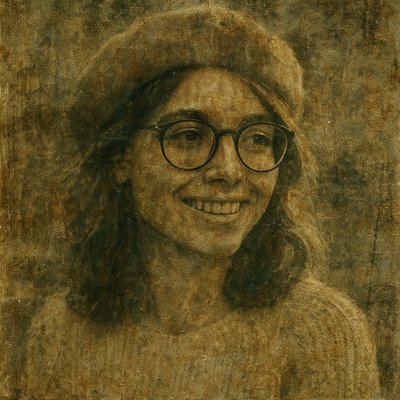
portrait of a person with expressive eyes
a man sitting on a ledge in front of a graffiti covered wall
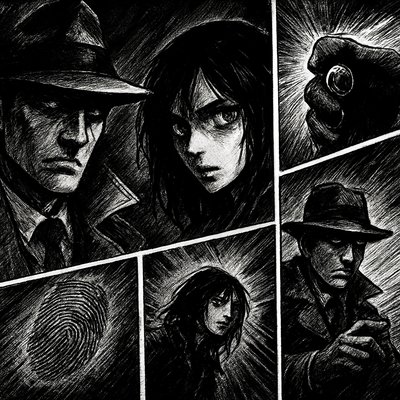
Transgressive Art Style Style Transfer Example
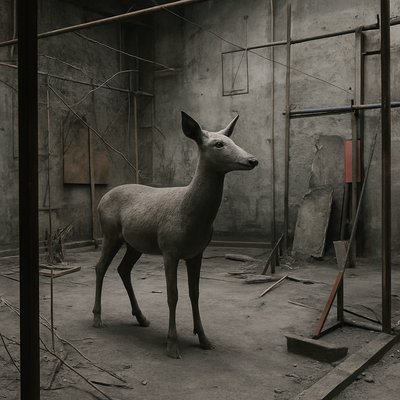
animal standing in natural pose
A koi pond seen from above, orange and white koi fish swimming among lily pads, clear water with subtle ripples, fallen cherry blossom petals floating on the surface, dappled sunlight
Low-poly geometric portrait of a cat's head facing slightly to the right, divided vertically down the center into two contrasting color halves. The left half features cool blue tones ranging from deep navy to light cyan in angular polygonal facets, with a large blue eye, black pupil, and subtle white highlight. The right half uses warm orange, brown, and golden yellow shades in similar triangular and polygonal shapes, with a vibrant green eye, black pupil, and white highlight. Thin white whiskers extend from the muzzle on both sides. Solid medium-gray background. Style: minimalist vector art, faceted like origami or crystal, high contrast, no outlines except subtle edges, symmetrical split for a duality theme.
animal standing in natural pose
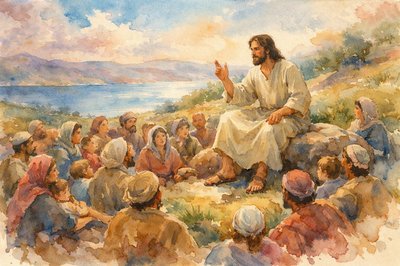
First century Palestine.  Jesus sits on a rock on a hillside teaching a large group of His disciples.  The Sermon on the Mount.  Jesus wears a plain robe like most ordinary men.  Jesus' face is kind, but intense, as He teaches. The other people are mostly peasants, farmers, and tradesmen.  There are also women present, wearing plain, everyday clothing.  Some couples have also brought their children.  The Sea of Galilee shines in the far distance.
portrait of two people together
Transgressive Art Style Style Transfer Example
A village festival