Detailed Fantasy World Background Spread In The Art Style Of Manga Niji 6 Art

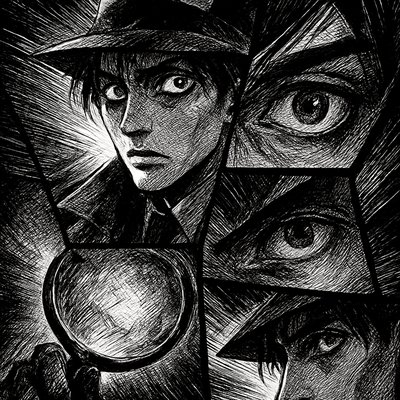
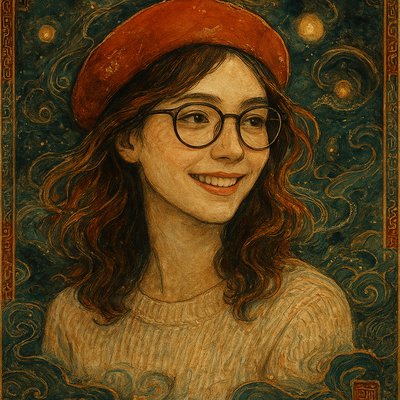
portrait of a person with expressive eyes
Express without words “(For not the hearers of the law are just before God, but the doers of the law shall be justified.” (Romans 2:13, KJV)
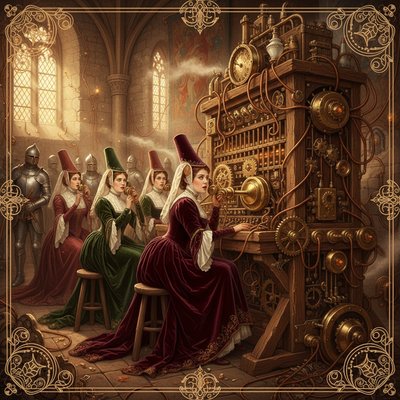
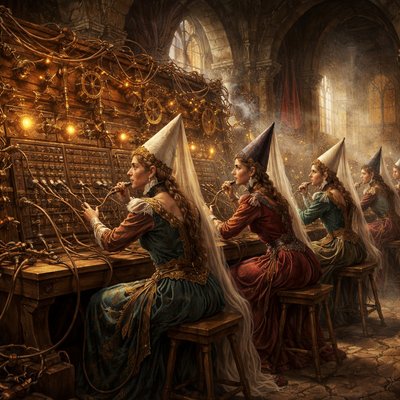
Steampunk Historical Fantasy, Satirical Illustration Style, Cinematic Lighting. A bizarre, anachronistic scene inside a drafty medieval castle great hall (Camelot). A group of noblewomen, dressed in elaborate 6th-century velvet gowns, wimples, and tall pointed hennin hats with veils, are seated on rough wooden stools. They are furiously working a massive, makeshift telephone switchboard operator station.

The Technology: The switchboard is constructed from rough-hewn oak timbers, gleaming brass gears, porcelain insulators, and hundreds of thick, chaotic copper wires that are strung haphazardly across ancient tapestries and stone walls, disappearing out narrow arrow-slit windows.

The Action: The ladies hold bulky, antique Victorian-era earpieces and large brass mouthpieces, plugging heavy cables with oversized jacks into the board with expressions of intense concentration and mild confusion. Knights in armor walk past in the background, looking bewildered. Sunlight streams through gothic windows, illuminating the dust and the clash of eras.
Steampunk Historical Fantasy, Satirical Illustration Style, Cinematic Lighting. A bizarre, anachronistic scene inside a drafty medieval castle great hall (Camelot). A group of noblewomen, dressed in elaborate 6th-century velvet gowns, wimples, and tall pointed hennin hats with veils, are seated on rough wooden stools. They are furiously working a massive, makeshift telephone switchboard operator station.

The Technology: The switchboard is constructed from rough-hewn oak timbers, gleaming brass gears, porcelain insulators, and hundreds of thick, chaotic copper wires that are strung haphazardly across ancient tapestries and stone walls, disappearing out narrow arrow-slit windows.

The Action: The ladies hold bulky, antique Victorian-era earpieces and large brass mouthpieces, plugging heavy cables with oversized jacks into the board with expressions of intense concentration and mild confusion. Knights in armor walk past in the background, looking bewildered. Sunlight streams through gothic windows, illuminating the dust and the clash of eras.
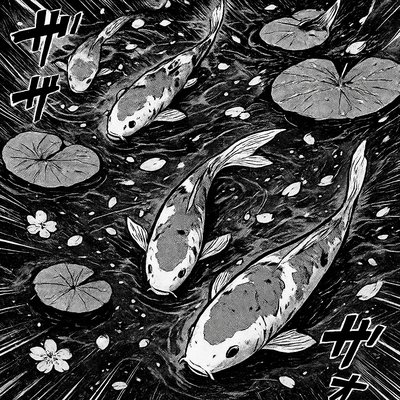
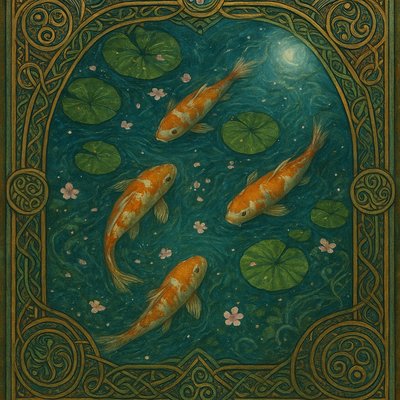
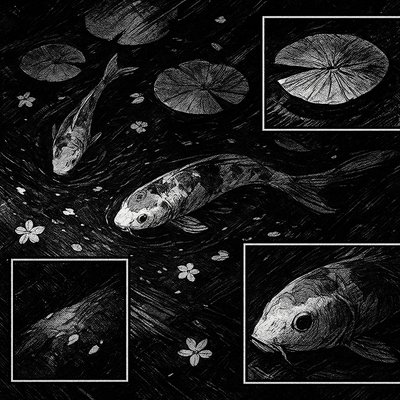
A koi pond seen from above, orange and white koi fish swimming among lily pads, clear water with subtle ripples, fallen cherry blossom petals floating on the surface, dappled sunlight
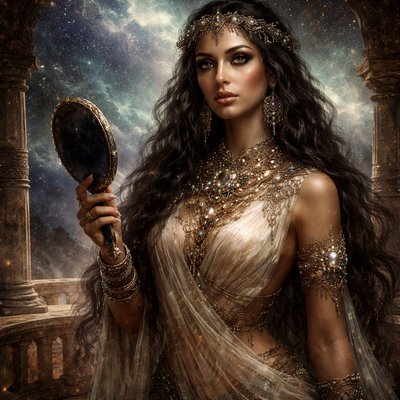
Style: Cinematic Fantasy Portrait, Ancient Near Eastern aesthetic with a mystical, ethereal overlay. The look should feel like a rediscovered fresco brought to life, rich in texture and deep color.

The Subject (Asonya): A woman of arresting, almost supernatural beauty belonging to a pre-flood civilization. She has a powerful, enigmatic presence. Her eyes are large, dark, and intensely knowing, rimmed heavily with kohl (antimony)—a cosmetic taught by the Watchers.

Attire & Adornment (The Forbidden Knowledge): She is dressed not just in fine linen, but in adornments that hint at celestial instruction.

    Jewelry: She wears elaborate, heavy bracelets and necklaces made of hammered metals that gleam with an unusual iridescence, set with uncut, glowing gems that seem almost alive.

    Headpiece: A complex circlet of woven silver and dark stones rests on her long, flowing dark hair, reflecting the starlight.

Action/Pose: She stands holding a polished obsidian mirror in one hand, gazing slightly off-camera with an expression that is both wise and burdened.

Setting: She is standing on the balcony of a megalithic stone structure meant to observe the heavens. The background is a dramatic night sky filled with unfamiliar constellations and perhaps a faint, ethereal glow of an aurora, hinting at the presence of celestial beings. The overall atmosphere is one of ancient mystery and profound beauty.
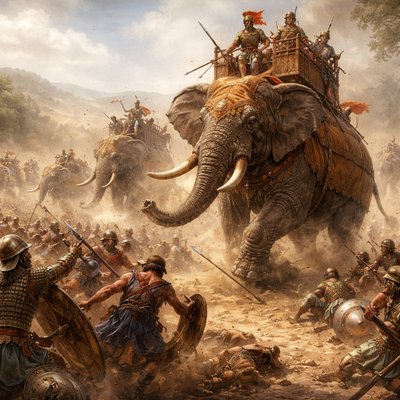
“How also Antiochus the great king of Asia, that came against them in battle, having an hundred and twenty elephants, with horsemen, and chariots, and a very great army, was discomfited by them;” (1 Maccabees 8:6, KJVA)
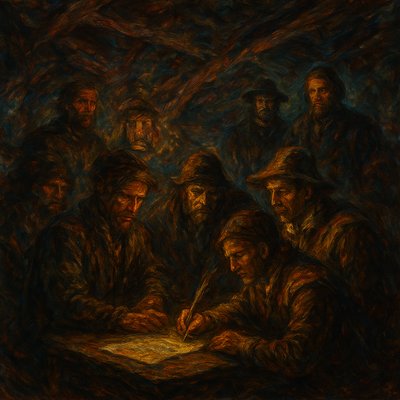
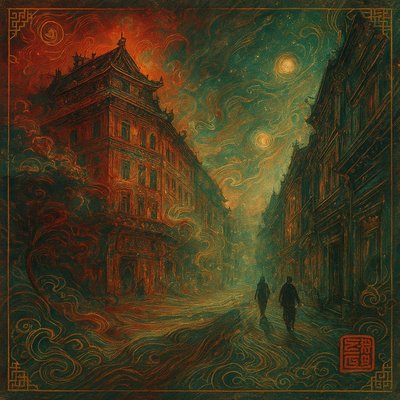
Oriental Fantasy Art Style Transfer Example
Create an adorable fantasy creature—small, round, and magical—with big expressive eyes, soft glowing fur, tiny wings, and playful energy. Pastel colors, gentle lighting, whimsical forest setting, highly detailed and irresistibly cute
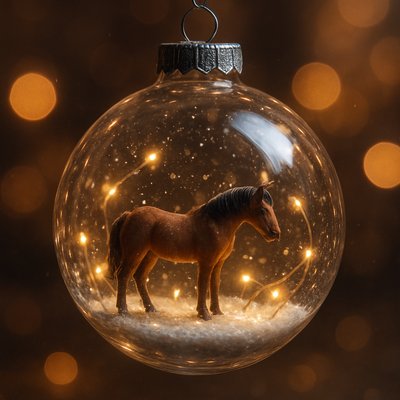
Tiny Horse Inside a Glass Ornament
a clear glass christmas ornament containing a miniature horse scene, glowing fairy lights, gentle snowfall particles inside, hyper-detailed reflections, delicate glass texture, whimsical fantasy realism, dreamy warm lighting, bokeh background
A koi pond seen from above, orange and white koi fish swimming among lily pads, clear water with subtle ripples, fallen cherry blossom petals floating on the surface, dappled sunlight
a tree in nature
urban street with city activity
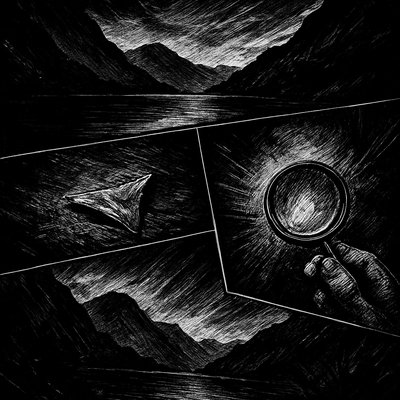
serene landscape with mountains and water
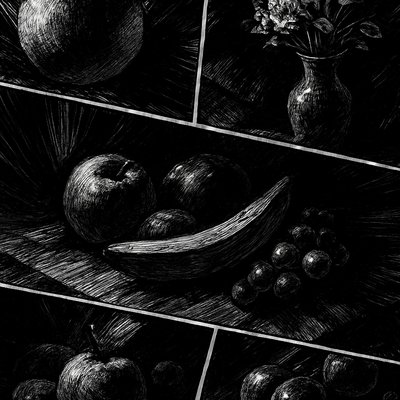
still life arrangement of fruits and flowers
Create an adorable fantasy creature—small, round, and magical—with big expressive eyes, soft glowing fur, tiny wings, and playful energy. Pastel colors, gentle lighting, whimsical forest setting, highly detailed and irresistibly cute
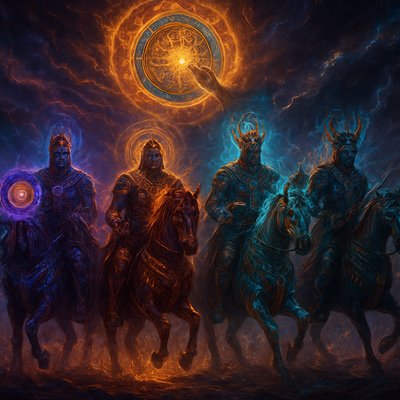
“Create an epic, dramatic depiction of the Four Horsemen of the Apocalypse from Revelation 6:1–8. Show four powerful riders emerging with force as the Lamb opens the seals in the heavens. Highlight the sacred Seals being opened—radiant, glowing, and releasing divine power. Set the scene in a storm-torn sky filled with swirling dark clouds, flashes of supernatural light, and a trembling landscape beneath their arrival. Use a dark yet vivid apocalyptic color palette with intense contrasts and dramatic, celestial lighting to emphasize the sense of unstoppable divine judgment. Style should blend high-detail fantasy realism with majestic biblical grandeur.”
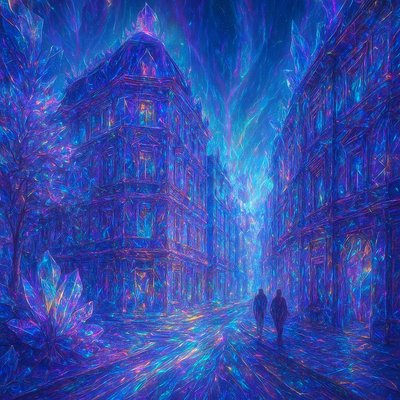
Crystal Fantasy Art Style Transfer Example
“Then the all-glorious, all-powerful, and true God, displayed his holy countenance, and opened the gates of heaven, from which two angels, dreadful of form, came down and were visible to all but the Jews.” (3 Maccabees 6:18, Brenton)
alien planet
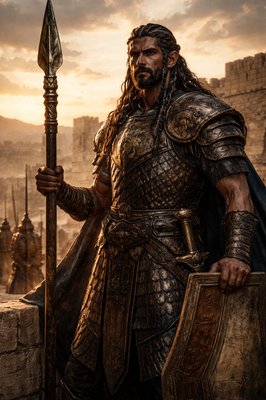
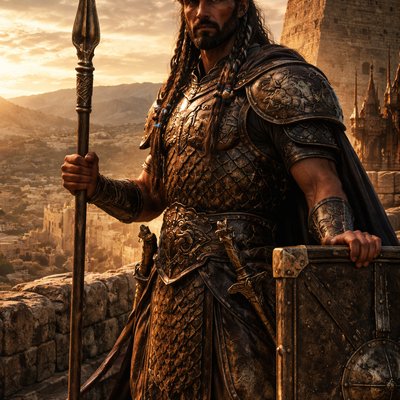
Style: Gritty, epic historical fantasy photograph with high textural detail. The aesthetic is a fusion of "Ancient Near Eastern Warrior" and the "High Elven" nobility established in previous prompts. Golden hour lighting.

The Subject: A single warrior standing guard on the fortified walls of David’s stronghold (Jerusalem or Ziklag). He is immense, standing over seven feet tall, possessing a lean, gladiatorial musculature rather than brute bulk.

Facial Features: He has the signature Gibeonite look: a long, ageless face with high, sculpted cheekbones and intense, calculating eyes that scan the horizon. His dark beard is neatly trimmed, and his long hair is intricately braided with bronze rings and threads of royal blue dyed wool.

The Armor (A Fusion of Cultures): His gear represents his unique status. He wears a heavy cuirass of overlapping bronze scales (Canaanite style) reinforced with iron plates (Israelite adoption). A stylized emblem of the Lion of Judah is subtly engraved onto a central shoulder plate, marking his allegiance to David.

The Weapons: He rests one hand on a massive tower shield made of reinforced cedar and hide. In the other, he holds a spear of immense scale, its shaft thicker than a normal man’s wrist, with a long, leaf-shaped bronze head. A curved khopesh sword is sheathed at his hip.

Atmosphere & Setting: The sun is setting behind the Judean hills, casting long shadows and catching the scars on his armor. His expression is one of silent, dangerous vigilance. In the background, other normal-sized Israelite soldiers are visible, emphasizing his towering presence.
Style: Gritty, epic historical fantasy photograph with high textural detail. The aesthetic is a fusion of "Ancient Near Eastern Warrior" and the "High Elven" nobility established in previous prompts. Golden hour lighting.

The Subject: A single warrior standing guard on the fortified walls of David’s stronghold (Jerusalem or Ziklag). He is immense, standing over seven feet tall, possessing a lean, gladiatorial musculature rather than brute bulk.

Facial Features: He has the signature Gibeonite look: a long, ageless face with high, sculpted cheekbones and intense, calculating eyes that scan the horizon. His dark beard is neatly trimmed, and his long hair is intricately braided with bronze rings and threads of royal blue dyed wool.

The Armor (A Fusion of Cultures): His gear represents his unique status. He wears a heavy cuirass of overlapping bronze scales (Canaanite style) reinforced with iron plates (Israelite adoption). A stylized emblem of the Lion of Judah is subtly engraved onto a central shoulder plate, marking his allegiance to David.

The Weapons: He rests one hand on a massive tower shield made of reinforced cedar and hide. In the other, he holds a spear of immense scale, its shaft thicker than a normal man’s wrist, with a long, leaf-shaped bronze head. A curved khopesh sword is sheathed at his hip.

Atmosphere & Setting: The sun is setting behind the Judean hills, casting long shadows and catching the scars on his armor. His expression is one of silent, dangerous vigilance. In the background, other normal-sized Israelite soldiers are visible, emphasizing his towering presence.
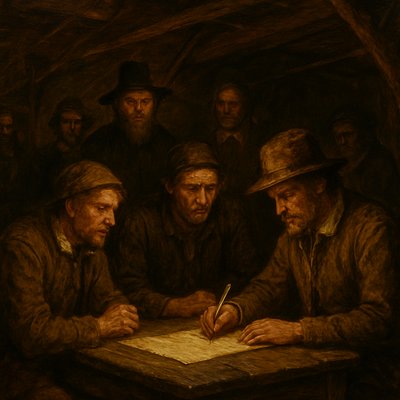
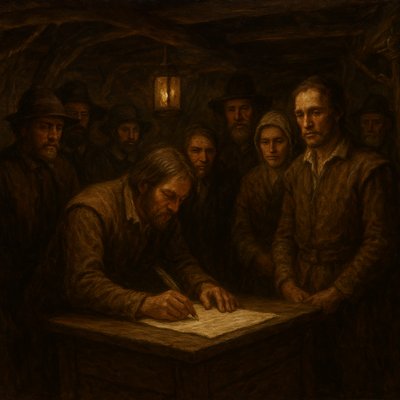
A historically accurate and atmospheric depiction of the signing of the Mayflower Compact aboard the ship in November 1620. The scene is set in the dimly lit, cramped cabin of the Mayflower, with the ship's timbers and rigging subtly visible, conveying the challenging conditions of the voyage. A simple table or chest serves as the signing surface. The primary focus is on a small group of the last individuals signing the document: specifically, the indentured servants (or 'strangers' not directly part of the Separatist congregation) approaching or at the table. Their expressions show a mix of weary determination, understanding of the necessity, and perhaps a hint of quiet apprehension or resignation to this new social contract, given their status. They are dressed in the plain, practical clothing typical of 17th-century commoners and laborers. Figures of prominent Pilgrims or 'Saints' (like William Bradford or John Carver) are visible in the background, observing the proceedings with a sense of gravity and leadership, but they are not the central focus. The lighting is low and warm, perhaps from a lantern, creating a chiaroscuro effect that highlights the faces of the signers. The atmosphere conveys the momentousness of the act under difficult circumstances, the diverse composition of the group, and the early seeds of self-governance in a new world. The artistic style is a realistic, historically detailed oil painting, capturing the solemnity and human element of this pivotal historical moment."
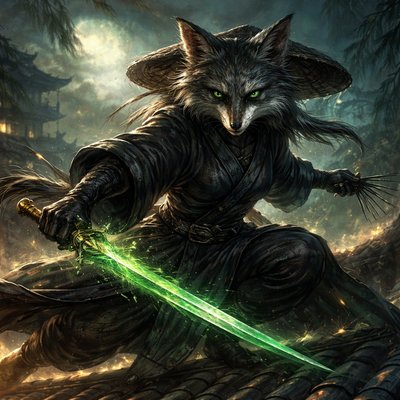
Cinematic Wuxia Art Style, Fantasy Digital Art Style, Dark Fantasy, a dynamic anthropomorphic character portrait of the villain Jade Fox from Crouching Tiger, Hidden Dragon. She is rendered as a mature, grizzled fox with fur that is a mix of deep grey and a subtle, bitter jade-green tint. Her eyes are intensely human—sharp, vengeful, and cunning. She is dressed in dark, practical Qing Dynasty assassin's robes (similar to the male disguise she wears in the film), perhaps with a wide straw hat slung across her back. She is crouched low in a masterful martial arts stance on the curved, moonlit tiled roof of an ancient Chinese building. In one clawed paw, she wields the stolen, green-glowing Green Destiny sword, while the other paw is poised, ready to throw her signature poisoned needles. The background is a misty, sprawling city at night with bamboo silhouettes. The atmosphere is tense, dangerous, and steeped in ancient secrets.
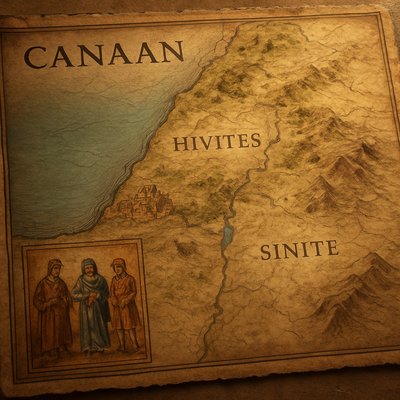
A detailed, ancient-style map of the land of Canaan, with distinct, labeled territories for the Hivites, Arkite, and Sinite people groups. Each territory should have subtle visual cues reflecting their possible historical characteristics or natural environments. For example, the Hivite territory could show some hilly or forested areas, the Arkite territory might feature a coastal city, and the Sinite territory could suggest a more inland or mountainous region. The map should have a weathered, parchment-like texture, with an elegant, old-world font for the labels. In one corner, a small, illuminated manuscript-style illustration could depict three distinct figures, each subtly representing one of the groups, perhaps dressed in period-appropriate attire and engaging in an activity typical of their region. The overall aesthetic should evoke historical scholarship and cartography."
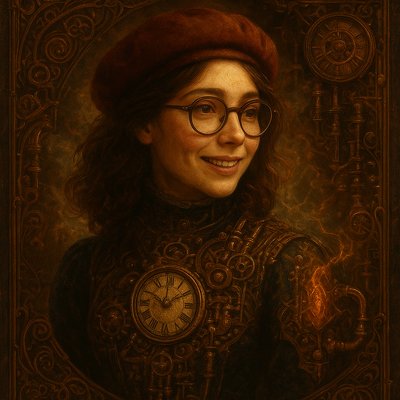
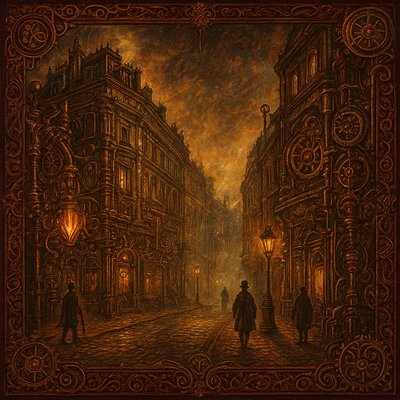
Steampunk Fantasy Art Style Transfer Example
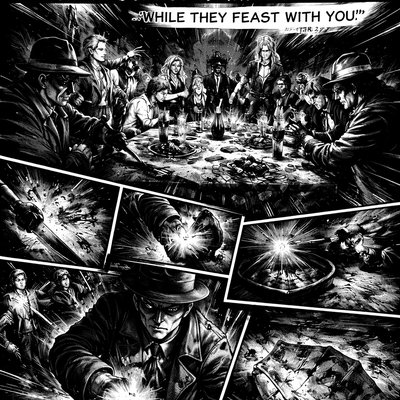
“And shall receive the reward of unrighteousness, as they that count it pleasure to riot in the day time. Spots they are and blemishes, sporting themselves with their own deceivings while they feast with you;” (2 Peter 2:13, KJV)
A koi pond seen from above, orange and white koi fish swimming among lily pads, clear water with subtle ripples, fallen cherry blossom petals floating on the surface, dappled sunlight
Steampunk Fantasy Art Style Transfer Example
Tiny Horse Inside a Glass Ornament
a clear glass christmas ornament containing a miniature horse scene, glowing fairy lights, gentle snowfall particles inside, hyper-detailed reflections, delicate glass texture, whimsical fantasy realism, dreamy warm lighting, bokeh background
A historically accurate and atmospheric depiction of the signing of the Mayflower Compact aboard the ship in November 1620. The scene is set in the dimly lit, cramped cabin of the Mayflower, with the ship's timbers and rigging subtly visible, conveying the challenging conditions of the voyage. A simple table or chest serves as the signing surface. The primary focus is on a small group of the last individuals signing the document: specifically, the indentured servants (or 'strangers' not directly part of the Separatist congregation) approaching or at the table. Their expressions show a mix of weary determination, understanding of the necessity, and perhaps a hint of quiet apprehension or resignation to this new social contract, given their status. They are dressed in the plain, practical clothing typical of 17th-century commoners and laborers. Figures of prominent Pilgrims or 'Saints' (like William Bradford or John Carver) are visible in the background, observing the proceedings with a sense of gravity and leadership, but they are not the central focus. The lighting is low and warm, perhaps from a lantern, creating a chiaroscuro effect that highlights the faces of the signers. The atmosphere conveys the momentousness of the act under difficult circumstances, the diverse composition of the group, and the early seeds of self-governance in a new world. The artistic style is a realistic, historically detailed oil painting, capturing the solemnity and human element of this pivotal historical moment."
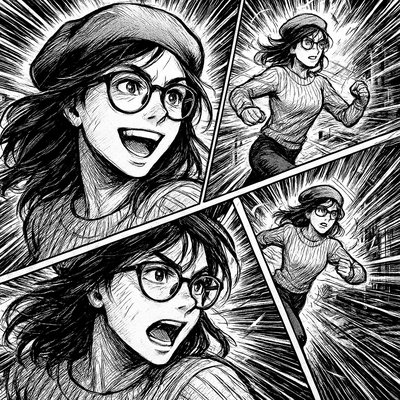
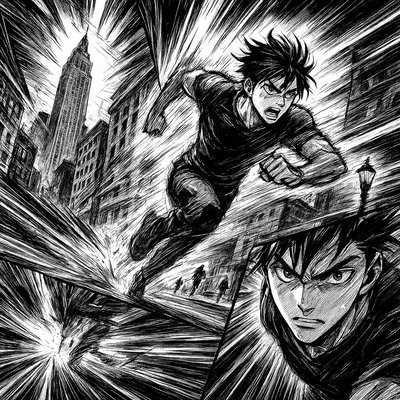
Sports Manga Art Style Style Transfer Example
A historically accurate and atmospheric depiction of the signing of the Mayflower Compact aboard the ship in November 1620. The scene is set in the dimly lit, cramped cabin of the Mayflower, with the ship's timbers and rigging subtly visible, conveying the challenging conditions of the voyage. A simple table or chest serves as the signing surface. The primary focus is on a small group of the last individuals signing the document: specifically, the indentured servants (or 'strangers' not directly part of the Separatist congregation) approaching or at the table. Their expressions show a mix of weary determination, understanding of the necessity, and perhaps a hint of quiet apprehension or resignation to this new social contract, given their status. They are dressed in the plain, practical clothing typical of 17th-century commoners and laborers. Figures of prominent Pilgrims or 'Saints' (like William Bradford or John Carver) are visible in the background, observing the proceedings with a sense of gravity and leadership, but they are not the central focus. The lighting is low and warm, perhaps from a lantern, creating a chiaroscuro effect that highlights the faces of the signers. The atmosphere conveys the momentousness of the act under difficult circumstances, the diverse composition of the group, and the early seeds of self-governance in a new world. The artistic style is a realistic, historically detailed oil painting, capturing the solemnity and human element of this pivotal historical moment."
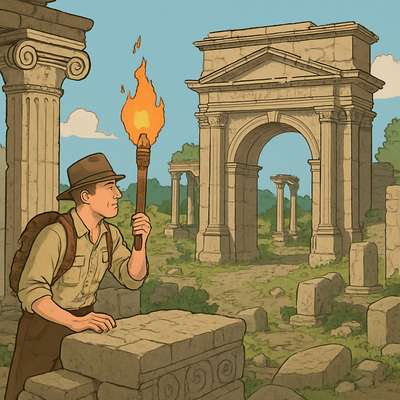
Explorer in ancient ruins
Sports Manga Art Style Style Transfer Example
A giant grouper fish, over a coral reef in the ocean, professional photography, extreme detail (
Psalms 124:1-6 KJVA  A Song of degrees of David. If it had not been the LORD who was on our side, now may Israel say;  (2)  If it had not been the LORD who was on our side, when men rose up against us:  (3)  Then they had swallowed us up quick, when their wrath was kindled against us:  (4)  Then the waters had overwhelmed us, the stream had gone over our soul:  (5)  Then the proud waters had gone over our soul.  (6)  Blessed be the LORD, who hath not given us as a prey to their teeth.
First confession under cherry blossoms