Desert With Floating Ocean Waves Art

A group of people dressed up for a ball having a balloon fight
A stunning conceptual art piece representing Colossians 2:2. Two vibrant, glowing human hearts are positioned in a dark, cosmic void. They are not touching, but are connected by hundreds of vibrating, iridescent "quantum threads" and swirling subatomic particles. When one heart pulses with golden light, the other reacts instantly with the same frequency, symbolizing quantum entanglement. The space between them is filled with glowing mathematical equations and sacred geometry representing the "treasures of wisdom and knowledge." Hyper-realistic, ethereal, neon-amber and deep violet palette, 8k resolution.
A woman with long braided hair down to the waist is holding the rudder of a keel boat right at the time between day and night. She is looking towards the sail and to The morning star..
A woman with long braided hair down to the waist is holding the helm of a keel boat right at the time between day and night. The morning star is in the sky which she is steering her ship to.
A woman with long braided hair down to the waist is holding the rudder of a keel boat right at the time between day and night. The morning star is in the sky which she is steering her ship to.
Scene: A small river with wooden docks, rowboats, and reeds evolves into an urban waterfront with canals, bridges, warehouses, and modern apartment buildings along the water.

Details: Boats, water reflections, street furniture, bridge cables, canal locks, cranes, riverside markets.

Lighting/Style: Morning mist over the water, sun reflecting on windows, subtle water movement, gentle waves.
"A historically accurate depiction of a Ghost Dance, focusing on the late 19th-century context, specifically around 1890-1891. The scene shows Lakota (Sioux) or Northern Paiute people (specify one or include elements of both, but avoid anachronisms) participating in the ceremony.

Setting: A vast, open prairie or high desert landscape, under an expansive sky. The time of day could be dusk or night, with a prominent moon or stars, or a bright, clear day. Avoid overtly spiritual or ethereal elements like floating spirits unless explicitly requested for a later, more symbolic iteration. The focus should be on the earthly ceremony.

Participants: A circle of men, women, and children, hand-in-hand, moving in a slow, rhythmic shuffle or circular motion. Their faces show a mixture of devotion, hope, and determination. Some may have expressions of trance or deep concentration.

Attire:

    Ghost Dance Shirts/Dresses: Emphasize the unique Ghost Dance shirts and dresses, which were typically made of muslin or canvas. These garments should feature painted designs such as stars, crescents, birds (especially eagles or crows), buffalo, human figures, or crosses. The designs should appear hand-painted, not mass-produced.

    Hair and Adornments: Participants should have braided hair or wear it long. Some may wear feathers (e.g., eagle or hawk feathers) in their hair. Minimal traditional adornments, as the focus was often on the Ghost Dance shirt itself. Avoid overly elaborate or Hollywood-esque depictions of war bonnets unless relevant to a specific individual and context.

    Footwear: Moccasins or bare feet.

Action/Atmosphere:

    The dancers are moving in a counter-clockwise circle, with a central figure or a small group often leading.

    The overall mood is one of earnest prayer and communal spiritual effort. The dance should convey a sense of hope for renewal and the return of the old ways, rather than aggression or despair.

    There might be a central pole or small fire as a focal point, around which the dance takes place.

    Avoid any signs of direct conflict or violence; the Ghost Dance itself was a non-violent spiritual movement.

Specific Considerations for Accuracy:

    Wovoka's Influence: The teachings of Wovoka (the Northern Paiute prophet) emphasized peace, hard work, and the return of the buffalo and deceased ancestors. The scene should subtly reflect this hopeful, redemptive spirit.

    Regional Variations: If focusing on Lakota, consider their specific interpretations, which sometimes included more imagery related to their warrior traditions on the shirts, but still within the peaceful framework of the dance.
    Respectful Portrayal: Ensure the depiction is respectful and avoids any stereotypical or caricatured representations of Indigenous people. Focus on their human dignity and spiritual sincerity.
An impressionistic oil painting in the style of Edgar Degas, depicting a busy ballet rehearsal room. In the left foreground, a young dancer is seated on the floorboards, hunched over as she adjusts the ribbons of her ballet slippers. The brushwork is loose and textured. The background is filled with a row of other dancers in tutus and practice clothes lining a long ballet barre, performing stretches and warm-ups, their forms slightly blurred by movement. The room has soft, diffused gaslight, muted pastel colors, and visible brushstrokes capturing the atmosphere of dedication and rehearsal. Focus on the subtle shades of pink.
An awe-inspiring and whimsical scene featuring Willy Wonka's Great Glass Wonkavator, soaring high above Louisiana and ascending into a fantastical sky. The Wonkavator itself is a magnificent, multi-directional glass elevator, transparent and sparkling, with Willy Wonka (in his iconic purple coat and top hat), and several anthrpomorphic cats in stylish New Orleans clothing clearly visible and enjoying the ride inside. The interior of the Wonkavator shows intricate, whimsical control panels. The Wonkavator is depicted in mid-flight, having just burst through the factory roof or rising above the clouds. Below it, the fantastical landscape of the Bayou and various whimsical buildings from the city of New Orleans. Beyond is the ocean. The lighting is bright and magical, emphasizing the glass's transparency and the vibrant colors of the world below and beyond. The overall mood is one of boundless adventure, limitless possibilities, and pure, joyful fantasy."
Gritty Historical Realism Style, Cinematic Film Photography, Natural Daylight. A powerful, candid medium shot of the infamous pirate duo, Anne Bonny and Mary Read, standing side-by-side on the weathered wooden deck of the sloop Revenge in the Caribbean Sea (circa 1720).

The Subjects: Both are dressed in practical, worn 18th-century male sailor's attire—loose canvas breeches, oversized linen shirts, heavy leather waistcoats, and bandanas—scruffy clothing that disguises their gender at a distance but reveals them as fiercely capable women upon closer inspection. Their faces are sun-weathered, dirty, and determined.

Specific Details: Anne Bonny (left) has fiery red hair escaping a dark bandana and a tricorn hat pushed back; she holds a drawn cutlass and has a defiant, volatile expression. Mary Read (right) looks sturdier, wearing a heavy wool coat, arms crossed over her chest with two flintlock pistols visible in her sash, looking steady and calculating.

The Setting: The background is a chaotic, working pirate ship deck with coils of tarred rope, rigging, barrels, and a cannon. Beyond the rail is the turquoise ocean and a hazy tropical coastline. The lighting is harsh, midday sun, with salt spray in the air. The mood is tense, rebellious, and authentic. Film grain texture.
A woman with long braided hair down to the waist is holding the helm of a keel boat right at the time between day and night. The morning star is in the sky which she is steering her ship to.
Athlete with discus in contrapposto pose
Abstract depiction of light and sound waves in the art style of Futurism --v 6.1
A thrilling and vibrant scene from the board game Candy Land, capturing the excitement of sliding down its biggest, most iconic slide. The slide itself is massive, curving, and made entirely of a glistening, colorful candy material, like a giant, rainbow-striped candy cane or smooth, translucent hard candy. A cheerful, diverse group of children (or classic Candy Land characters like Princess Lolly or Mr. Mint) are depicted in mid-descent, laughing and filled with joy, their hands in the air.

Below and around the slide, the fantastical landscape of Candy Land stretches out: rolling hills of frosting, lollipop trees, rivers of chocolate, gingerbread houses, and giant gumdrops. The colors are incredibly vivid and saturated, creating a truly fantastical and edible world. The perspective is dynamic, looking down the slide with the characters, enhancing the sense of speed and fun. The lighting is bright and cheerful, emphasizing the candy's sparkle and the overall joyful atmosphere.
Abstract depiction of light and sound waves in the art style of Futurism --v 6.1
Cinematic Film Style, Traditional Japanese Ukiyo-e Influence, a regal and incredibly poised portrait of the geisha Mameha (inspired by Michelle Yeoh). She is seated in a refined, dimly lit wooden teahouse, her posture perfectly upright and elegant. She wears a heavy silk kimono in peaceful, sophisticated colors like slate blue and silver, with delicate hand-painted motifs of plum blossoms. Her face is a "mask" of white traditional makeup, featuring sharp red lips and wise, observant eyes that convey deep intelligence. She is in the middle of a ritual, perhaps holding a delicate porcelain tea bowl with perfectly choreographed hands. The lighting is soft and atmospheric, catching the shimmer of her silk and the intricate details of her high, lacquered hairstyle adorned with a single, understated silver hairpin. Focus on the feeling of quiet power, impeccable grace, and the stillness of a master artist.
A sleeping cat
A hyper-detailed, photorealistic depiction of the High Priest of Israel performing the Feast of Weeks (Pentecost) wave offering. The High Priest is dressed in the complete set of holy vestments: a blue robe with golden bells and pomegranates on the hem, a colorful ephod, and a breastplate with twelve jewels. A golden plate engraved 'HOLINESS TO THE LORD' is tied to his linen mitre. He stands in the Tabernacle courtyard, facing the altar, holding the two leavened loaves of firstfruits and two male lambs high, performing the sacred wave offering ritual. Golden morning light, historically accurate setting, cinematic oil painting style.
Cinematic Film Style, Traditional Japanese Ukiyo-e Influence, a regal and incredibly poised portrait of the geisha Mameha (inspired by Michelle Yeoh). She is seated in a refined, dimly lit wooden teahouse, her posture perfectly upright and elegant. She wears a heavy silk kimono in peaceful, sophisticated colors like slate blue and silver, with delicate hand-painted motifs of plum blossoms. Her face is a "mask" of white traditional makeup, featuring sharp red lips and wise, observant eyes that convey deep intelligence. She is in the middle of a ritual, perhaps holding a delicate porcelain tea bowl with perfectly choreographed hands. The lighting is soft and atmospheric, catching the shimmer of her silk and the intricate details of her high, lacquered hairstyle adorned with a single, understated silver hairpin. Focus on the feeling of quiet power, impeccable grace, and the stillness of a master artist.
ASCII art version of a basic sailboat on waves in the art style of ASCII art --v 6.1
A woman with long braided hair down to the waist is holding the rudder of a keel boat right at the time between day and night. She is looking towards the sail and to The morning star.. This is A first-person or over-the-shoulder perspective from behind a woman with a long red braid steering a keelboat, looking past the sails and rigging to the bright morning star.
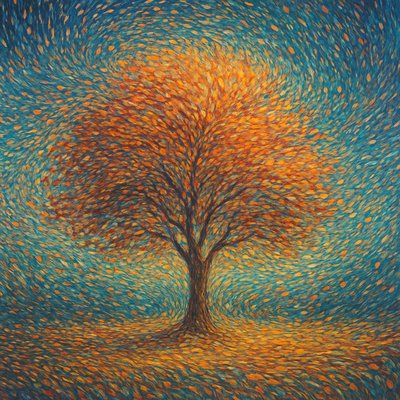
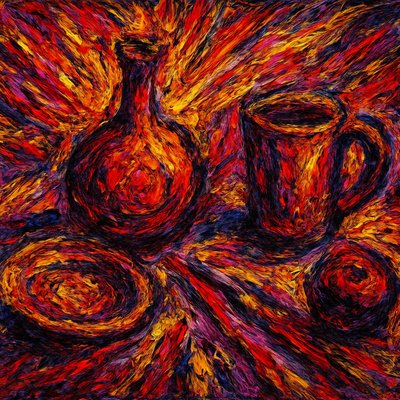
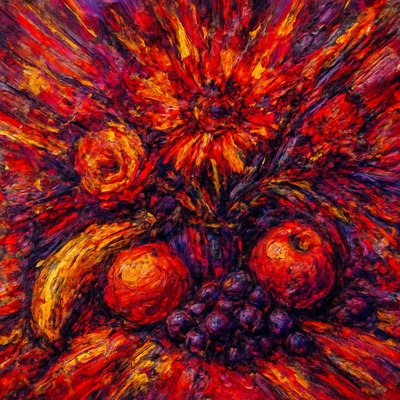
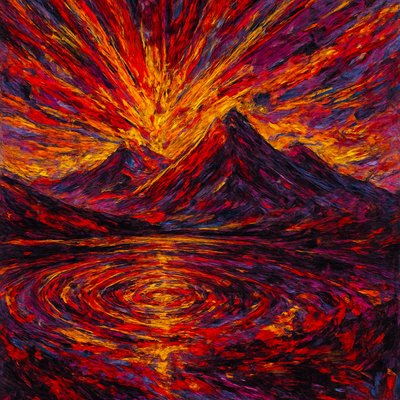
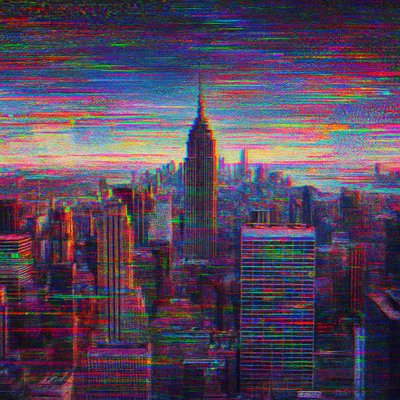
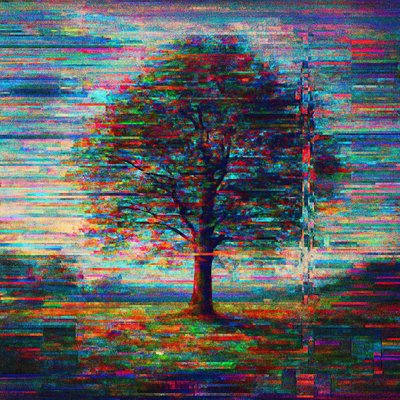
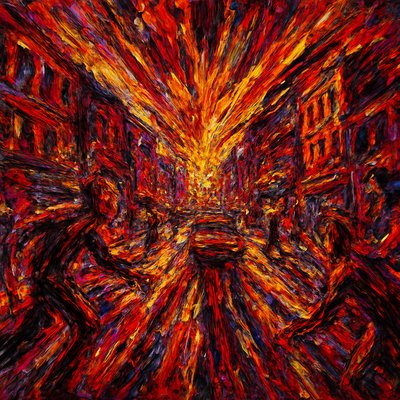
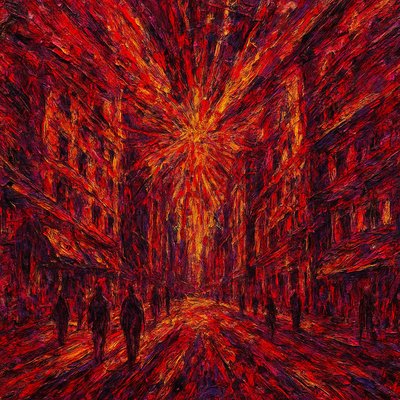
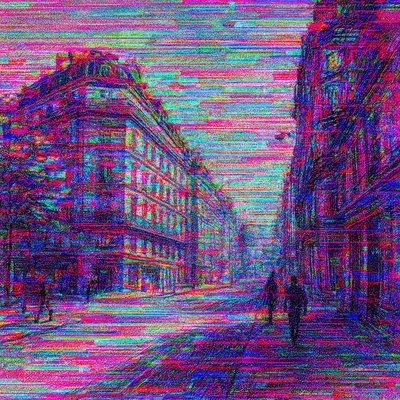
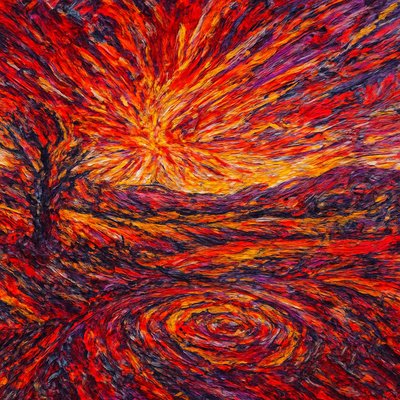
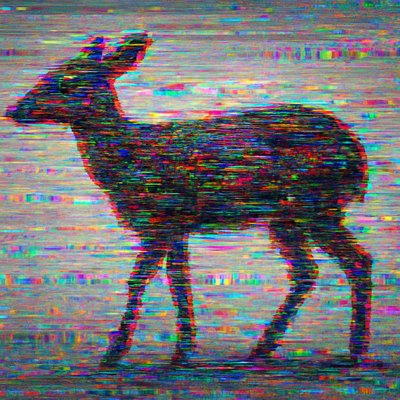
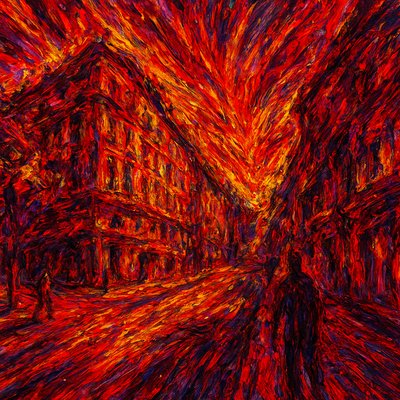
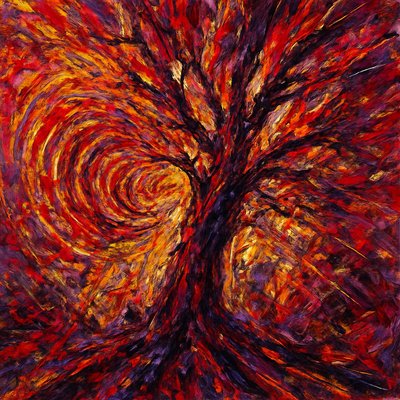
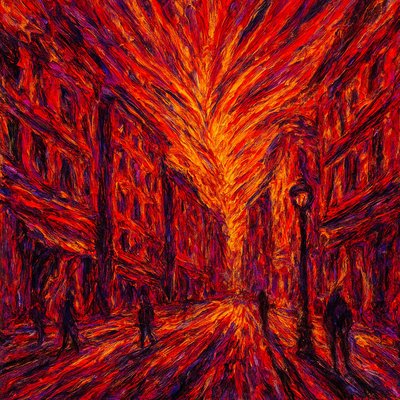
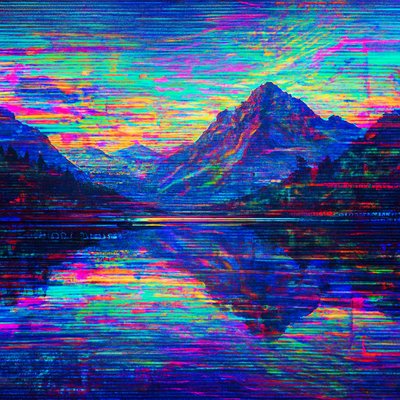
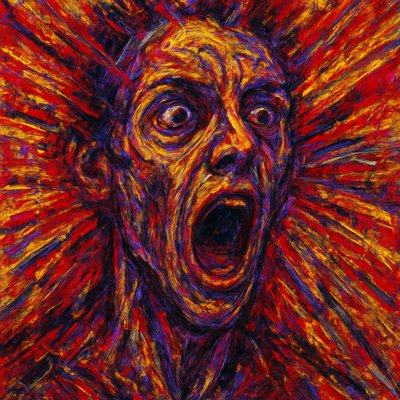
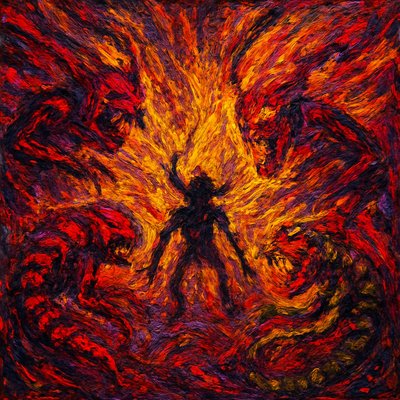
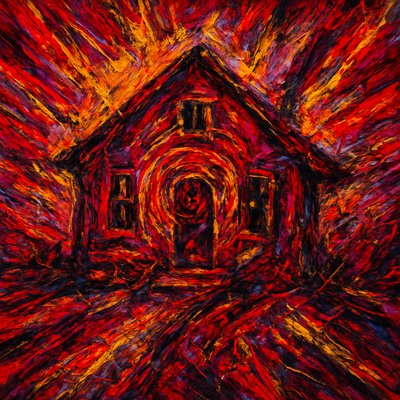
Liquid Metal Impressionism Style Transfer Example
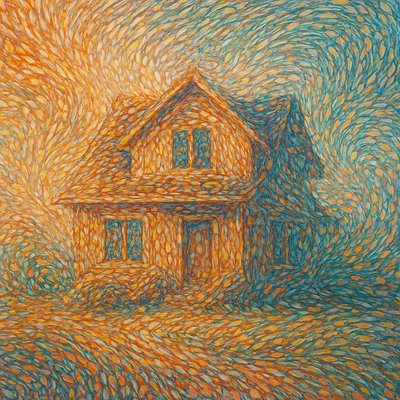
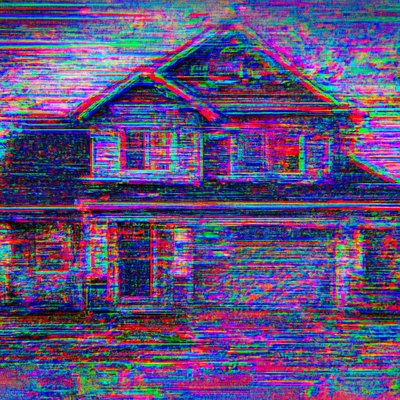
house with front view
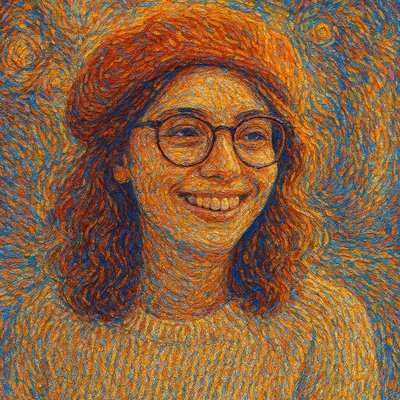
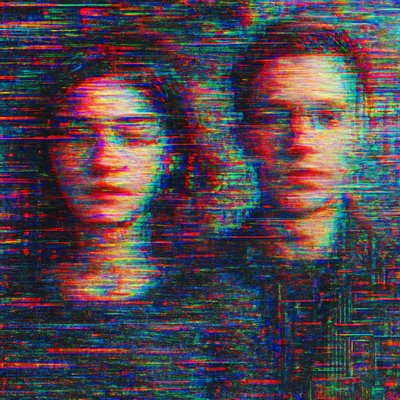
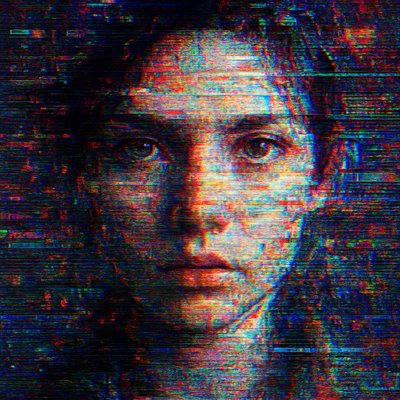
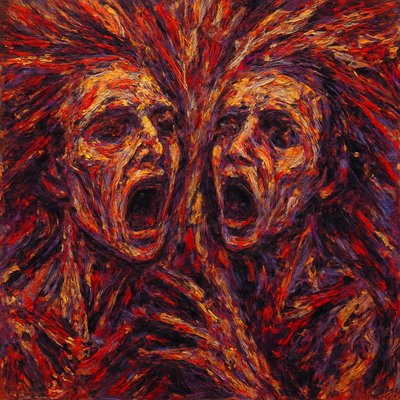
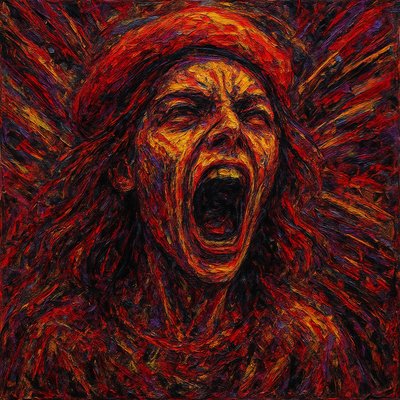
portrait of two people together
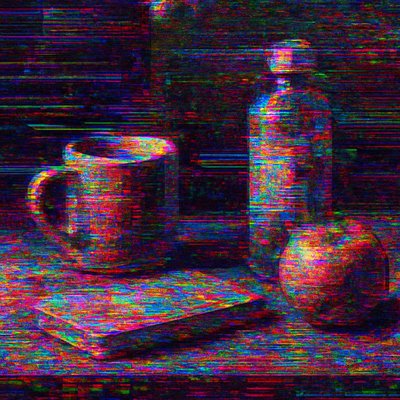
still life with everyday objects
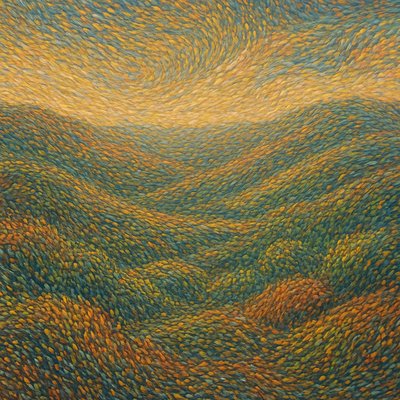
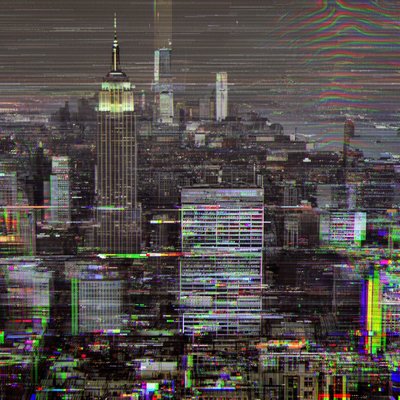
wide landscape with natural scenery
house with front view
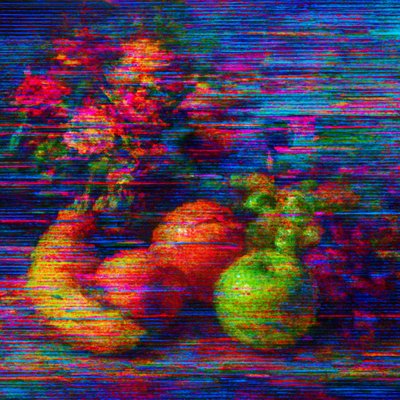
still life arrangement of fruits and flowers
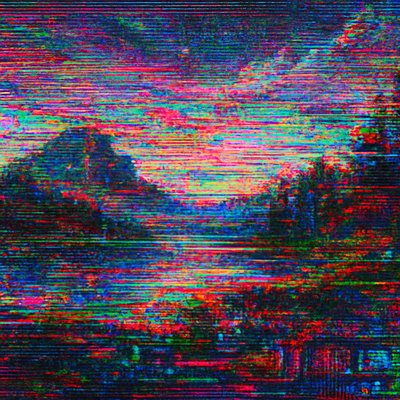
serene landscape with mountains and water
Floating white shelf unit
ASCII art version of a basic sailboat on waves in the art style of ASCII art --v 6.1
A hyper-detailed, photorealistic depiction of the High Priest of Israel performing the Feast of Weeks (Pentecost) wave offering. The High Priest is dressed in the complete set of holy vestments: a blue robe with golden bells and pomegranates on the hem, a colorful ephod, and a breastplate with twelve jewels. A golden plate engraved 'HOLINESS TO THE LORD' is tied to his linen mitre. He stands in the Tabernacle courtyard, facing the altar, holding the two leavened loaves of firstfruits and two male lambs high, performing the sacred wave offering ritual. Golden morning light, historically accurate setting, cinematic oil painting style.
A yokai spirit
Metamorphosis Loop Surrealism Art Style Style Transfer Example
house with front view