Convey Without Words: “Be Not A Wine Bibber, Neither Continue Long At Feasts, And Purchases Of Flesh: For Every Drunkard And Art
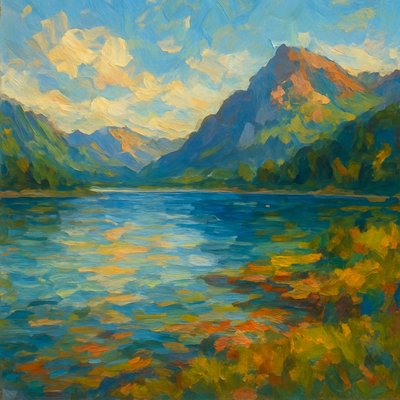
serene landscape with mountains and water
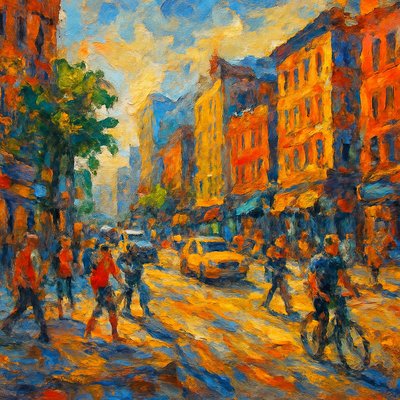
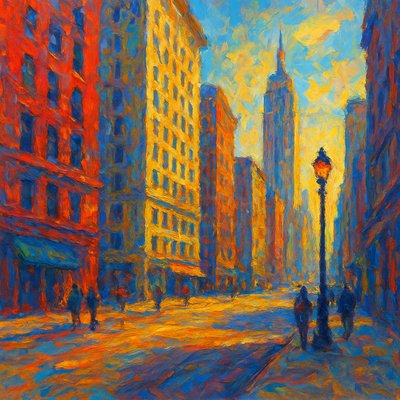
urban street with city activity
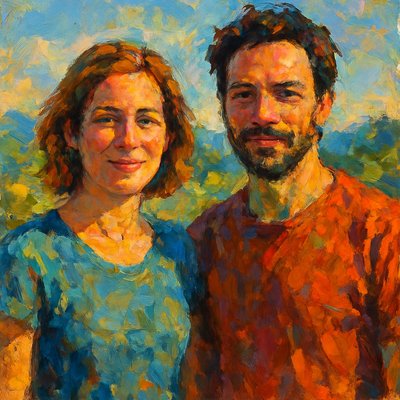
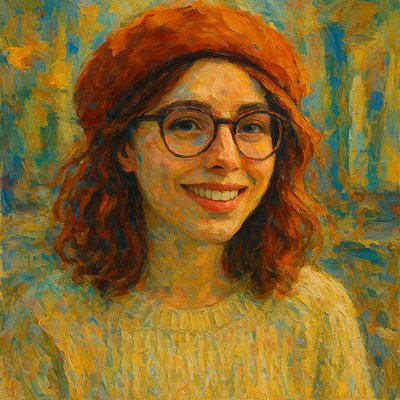
portrait of two people together
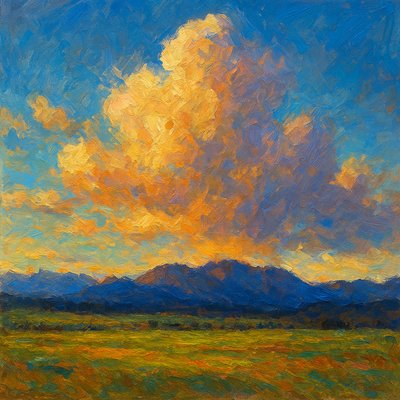
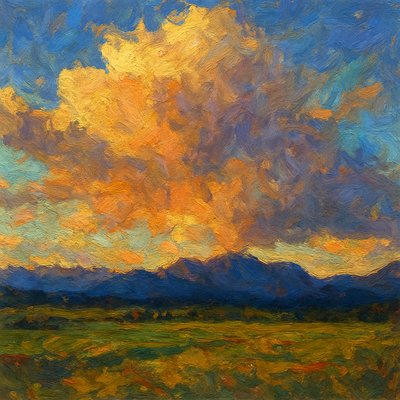
a painting of a field with mountains in the background
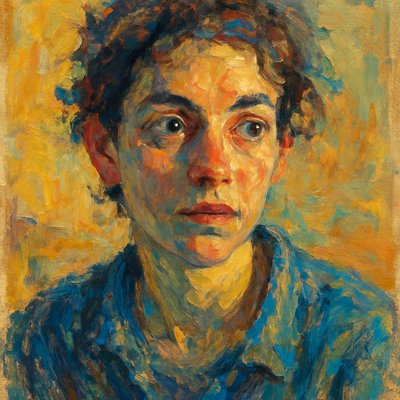
portrait of a person with expressive eyes
Plein Air Landscape Art Style Style Transfer Example
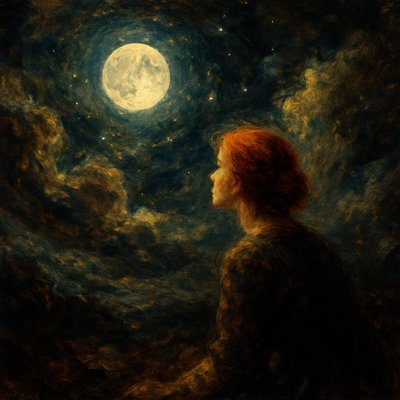
An evocative, emotive and respectful interpretation of Psalm 8:3-6 from the Christian faith. The style should take inspiration from the color pallet and brush strokes of the Romantic era. The grandeur of the night sky with its silvery moon, twinkling stars, and billowy clouds is prominently featured. A humble woman with red hair is observing these celestial wonders, symbolizing their reflection on God's creation. While there are no words or text in the image, the overall atmosphere is one of devotion and reverence.

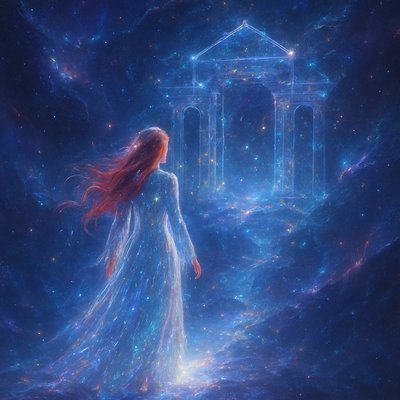
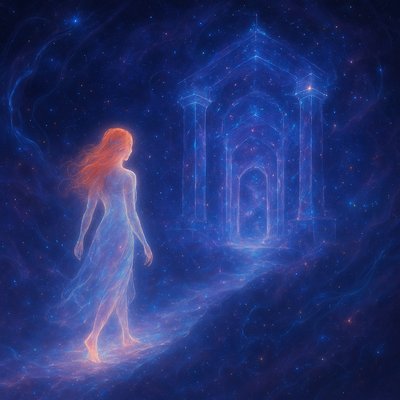
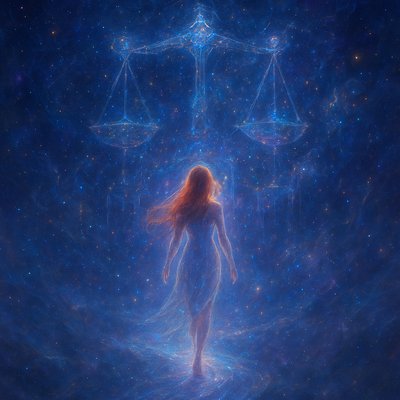
An ethereal and surreal depiction of a figure in a deep dream state, gracefully walking into the heart of the Mountain House constellation, also known as Libra. The figure is a lady with long, flowing red hair, shimmering full length robe  radiating star light. She is stepping off a softly glowing, dream-like pathway or ethereal bridge that extends from a misty, dreamscape foreground into the vastness of space.

    The Mountain House (Libra) constellation is not just stars but appears as a majestic, floating celestial architecture – perhaps as ancient, star-dusted pillars, glowing celestial doorways forming a 'mountain house' structure, built from nebulae and starlight. Within this constellation, gentle cosmic dust, shimmering gas clouds, and distant galaxies are visible, creating a sense of infinite depth.

    The dominant colors are soft blues, purples, and deep indigos of space, interwoven with golden and silver light emanating from the stars and the lady's luminous form and radiant red hair. There's a profound sense of peace, wonder, and weightlessness. The atmosphere is serene and magical, conveying the feeling of transcending physical reality and entering a realm of cosmic balance and ancient wisdom. The artistic style is highly fantastical and painterly, with a focus on glowing effects, subtle transparency, and a dreamlike composition.
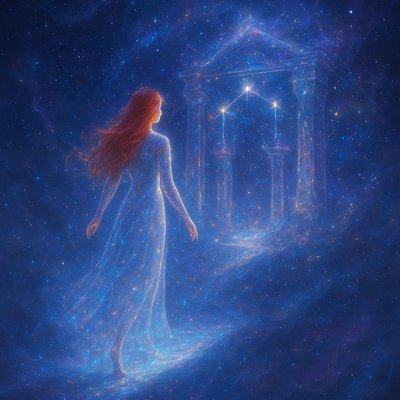
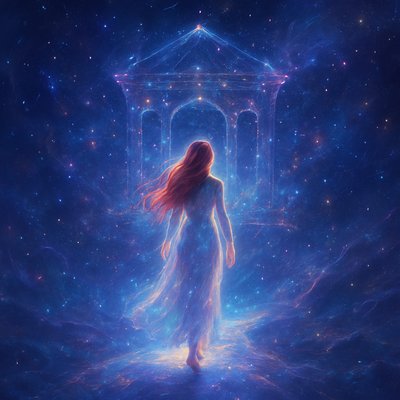
An ethereal and surreal depiction of a figure in a deep dream state, gracefully walking into the heart of the Mountain House constellation, also known as Libra. The figure is a lady with long, flowing red hair, shimmering full length dress radiating star light, suggesting her dream presence. She is stepping off a softly glowing, dream-like pathway or ethereal bridge that extends from a misty, dreamscape foreground into the vastness of space.

    The Mountain House (Libra) constellation is not just stars but appears as a majestic, floating celestial architecture – perhaps as ancient, star-dusted pillars, glowing celestial doorways forming a 'mountain house' structure, built from nebulae and starlight. Within this constellation, gentle cosmic dust, shimmering gas clouds, and distant galaxies are visible, creating a sense of infinite depth.

    The dominant colors are soft blues, purples, and deep indigos of space, interwoven with golden and silver light emanating from the stars and the lady's luminous form and radiant red hair. There's a profound sense of peace, wonder, and weightlessness. The atmosphere is serene and magical, conveying the feeling of transcending physical reality and entering a realm of cosmic balance and ancient wisdom. The artistic style is highly fantastical and painterly, with a focus on glowing effects, subtle transparency, and a dreamlike composition.
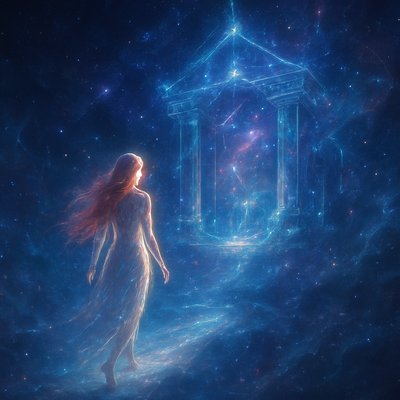
An ethereal and surreal depiction of a figure in a deep dream state, gracefully walking into the heart of the Mountain House constellation, also known as Libra. The figure is a lady with long, flowing red hair, luminous, radiating a soft inner light, suggesting her non-physical dream presence. She is stepping off a softly glowing, dream-like pathway or ethereal bridge that extends from a misty, dreamscape foreground into the vastness of space.

    The Mountain House (Libra) constellation is not just stars but appears as a majestic, floating celestial architecture – perhaps as ancient, star-dusted pillars, glowing celestial doorways forming a 'mountain house' structure, built from nebulae and starlight. Within this constellation, gentle cosmic dust, shimmering gas clouds, and distant galaxies are visible, creating a sense of infinite depth.

    The dominant colors are soft blues, purples, and deep indigos of space, interwoven with golden and silver light emanating from the stars and the lady's luminous form and radiant red hair. There's a profound sense of peace, wonder, and weightlessness. The atmosphere is serene and magical, conveying the feeling of transcending physical reality and entering a realm of cosmic balance and ancient wisdom. The artistic style is highly fantastical and painterly, with a focus on glowing effects, subtle transparency, and a dreamlike composition.
An ethereal and surreal depiction of a figure in a deep dream state, gracefully walking into the heart of the Mountain House constellation, also known as Libra. The figure is a lady with long, flowing red hair, translucent and luminous, radiating a soft inner light, suggesting her non-physical dream presence. She is stepping off a softly glowing, dream-like pathway or ethereal bridge that extends from a misty, dreamscape foreground into the vastness of space.

    The Mountain House (Libra) constellation is not just stars but appears as a majestic, floating celestial architecture – perhaps as ancient, star-dusted pillars, glowing celestial doorways forming a 'mountain house' structure, built from nebulae and starlight. Within this constellation, gentle cosmic dust, shimmering gas clouds, and distant galaxies are visible, creating a sense of infinite depth.

    The dominant colors are soft blues, purples, and deep indigos of space, interwoven with golden and silver light emanating from the stars and the lady's luminous form and radiant red hair. There's a profound sense of peace, wonder, and weightlessness. The atmosphere is serene and magical, conveying the feeling of transcending physical reality and entering a realm of cosmic balance and ancient wisdom. The artistic style is highly fantastical and painterly, with a focus on glowing effects, subtle transparency, and a dreamlike composition.
An ethereal and surreal depiction of a figure in a deep dream state, gracefully walking into the heart of the Mountain House constellation, also known as Libra. The figure is a lady with long, flowing red hair, luminous shimmering full length dress radiating a soft inner light, suggesting her non-physical dream presence. She is stepping off a softly glowing, dream-like pathway or ethereal bridge that extends from a misty, dreamscape foreground into the vastness of space.

    The Mountain House (Libra) constellation is not just stars but appears as a majestic, floating celestial architecture – perhaps as ancient, star-dusted pillars, glowing celestial doorways forming a 'mountain house' structure, built from nebulae and starlight. Within this constellation, gentle cosmic dust, shimmering gas clouds, and distant galaxies are visible, creating a sense of infinite depth.

    The dominant colors are soft blues, purples, and deep indigos of space, interwoven with golden and silver light emanating from the stars and the lady's luminous form and radiant red hair. There's a profound sense of peace, wonder, and weightlessness. The atmosphere is serene and magical, conveying the feeling of transcending physical reality and entering a realm of cosmic balance and ancient wisdom. The artistic style is highly fantastical and painterly, with a focus on glowing effects, subtle transparency, and a dreamlike composition.
An ethereal and surreal depiction of a figure in a deep dream state, gracefully walking into the heart of the Mountain House constellation, also known as Libra. The figure is a lady with long, flowing red hair, luminous shimmering full length dress radiating a soft inner light, suggesting her non-physical dream presence. She is stepping off a softly glowing, dream-like pathway or ethereal bridge that extends from a misty, dreamscape foreground into the vastness of space.

    The Mountain House (Libra) constellation is not just stars but appears as a majestic, floating celestial architecture – perhaps as ancient, star-dusted pillars, glowing celestial doorways forming a 'mountain house' structure, built from nebulae and starlight. Within this constellation, gentle cosmic dust, shimmering gas clouds, and distant galaxies are visible, creating a sense of infinite depth.

    The dominant colors are soft blues, purples, and deep indigos of space, interwoven with golden and silver light emanating from the stars and the lady's luminous form and radiant red hair. There's a profound sense of peace, wonder, and weightlessness. The atmosphere is serene and magical, conveying the feeling of transcending physical reality and entering a realm of cosmic balance and ancient wisdom. The artistic style is highly fantastical and painterly, with a focus on glowing effects, subtle transparency, and a dreamlike composition.
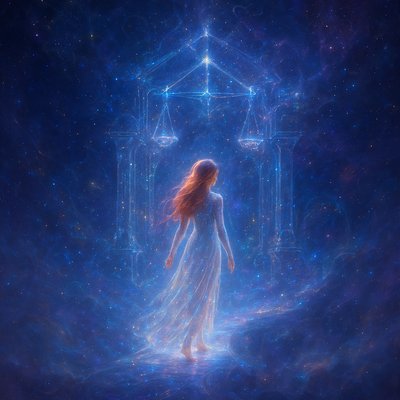
An ethereal and surreal depiction of a figure in a deep dream state, gracefully walking into the heart of the Mountain House constellation, also known as Libra. The figure is a lady with long, flowing red hair, translucent and luminous, radiating a soft inner light, suggesting her non-physical dream presence. She is stepping off a softly glowing, dream-like pathway or ethereal bridge that extends from a misty, dreamscape foreground into the vastness of space.

    The Mountain House (Libra) constellation is not just stars but appears as a majestic, floating celestial architecture – perhaps as ancient, star-dusted pillars, balanced cosmic scales, or glowing celestial doorways forming a 'mountain house' structure, built from nebulae and starlight. Within this constellation, gentle cosmic dust, shimmering gas clouds, and distant galaxies are visible, creating a sense of infinite depth.

    The dominant colors are soft blues, purples, and deep indigos of space, interwoven with golden and silver light emanating from the stars and the lady's luminous form and radiant red hair. There's a profound sense of peace, wonder, and weightlessness. The atmosphere is serene and magical, conveying the feeling of transcending physical reality and entering a realm of cosmic balance and ancient wisdom. The artistic style is highly fantastical and painterly, with a focus on glowing effects, subtle transparency, and a dreamlike composition.
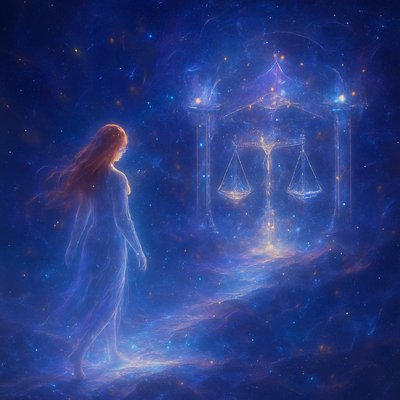
An ethereal and surreal depiction of a figure in a deep dream state, gracefully walking into the heart of the Mountain House constellation, also known as Libra. The figure is a lady with long, flowing red hair, translucent and luminous, radiating a soft inner light, suggesting her non-physical dream presence. She is stepping off a softly glowing, dream-like pathway or ethereal bridge that extends from a misty, dreamscape foreground into the vastness of space.

    The Mountain House (Libra) constellation is not just stars but appears as a majestic, floating celestial architecture – perhaps as ancient, star-dusted pillars, balanced cosmic scales, or glowing celestial doorways forming a 'mountain house' structure, built from nebulae and starlight. Within this constellation, gentle cosmic dust, shimmering gas clouds, and distant galaxies are visible, creating a sense of infinite depth.

    The dominant colors are soft blues, purples, and deep indigos of space, interwoven with golden and silver light emanating from the stars and the lady's luminous form and radiant red hair. There's a profound sense of peace, wonder, and weightlessness. The atmosphere is serene and magical, conveying the feeling of transcending physical reality and entering a realm of cosmic balance and ancient wisdom. The artistic style is highly fantastical and painterly, with a focus on glowing effects, subtle transparency, and a dreamlike composition.
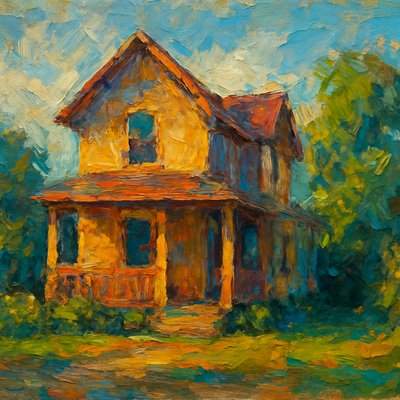
house with front view
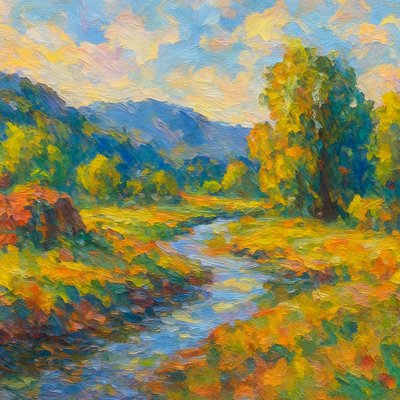
wide landscape with natural scenery
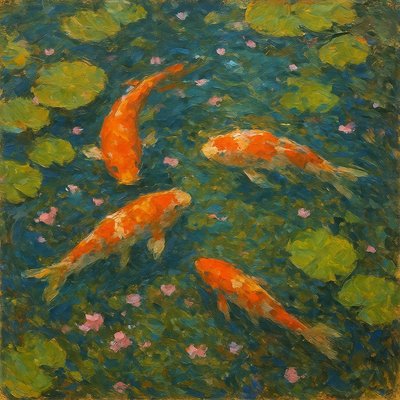
A koi pond seen from above, orange and white koi fish swimming among lily pads, clear water with subtle ripples, fallen cherry blossom petals floating on the surface, dappled sunlight
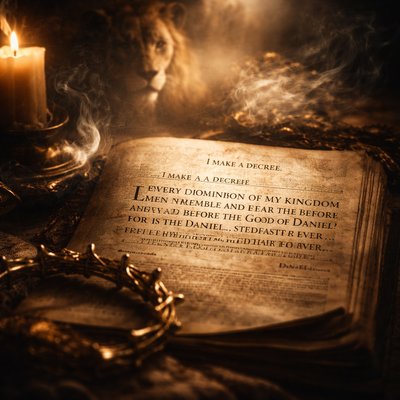
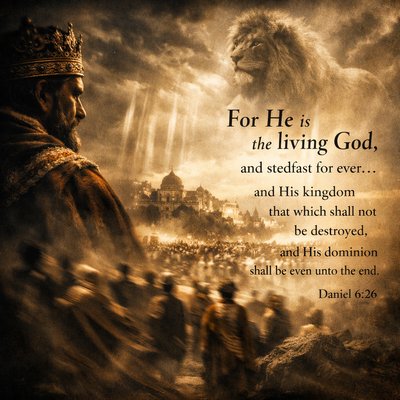
“I make a decree, That in every dominion of my kingdom men tremble and fear before the God of Daniel: for he is the living God, and stedfast for ever, and his kingdom that which shall not be destroyed, and his dominion shall be even unto the end.” (Daniel 6:26, KJV)
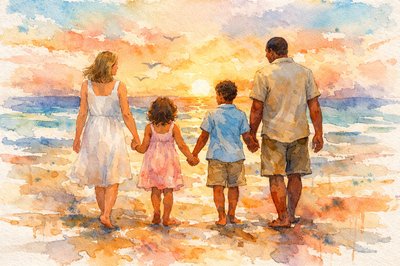
An outdoor scene in at the beach.  A White Mom and African-American Dad walk away from the camera with their two kids, all holding hands.  The mood is warm and safe.  The sun is setting in the distance.  Everyone is wearing beach-style clothes, not bathing suits.  It's a pretty happy family.
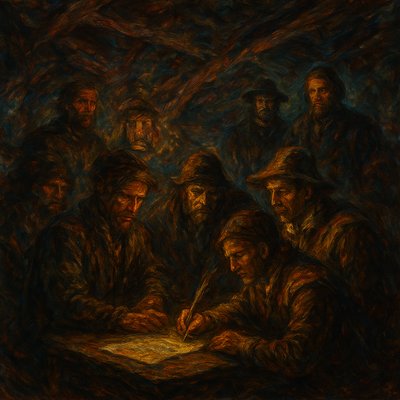
A historically accurate and atmospheric depiction of the signing of the Mayflower Compact aboard the ship in November 1620. The scene is set in the dimly lit, cramped cabin of the Mayflower, with the ship's timbers and rigging subtly visible, conveying the challenging conditions of the voyage. A simple table or chest serves as the signing surface. The primary focus is on a small group of the last individuals signing the document: specifically, the indentured servants (or 'strangers' not directly part of the Separatist congregation) approaching or at the table. Their expressions show a mix of weary determination, understanding of the necessity, and perhaps a hint of quiet apprehension or resignation to this new social contract, given their status. They are dressed in the plain, practical clothing typical of 17th-century commoners and laborers. Figures of prominent Pilgrims or 'Saints' (like William Bradford or John Carver) are visible in the background, observing the proceedings with a sense of gravity and leadership, but they are not the central focus. The lighting is low and warm, perhaps from a lantern, creating a chiaroscuro effect that highlights the faces of the signers. The atmosphere conveys the momentousness of the act under difficult circumstances, the diverse composition of the group, and the early seeds of self-governance in a new world. The artistic style is a realistic, historically detailed oil painting, capturing the solemnity and human element of this pivotal historical moment."
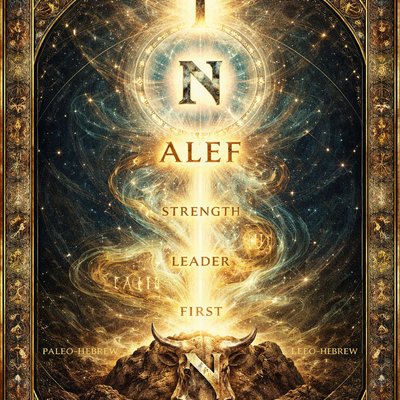
Art Style: A complex, symbolic conceptual illustration blending ancient mysticism with modern schematic design. The aesthetic should feel like an illuminated alchemical manuscript crossed with a celestial blueprint. Textures of aged vellum, carved stone, and glowing divine energy.

Central Composition: A vertical evolutionary flow. At the grounding base, emerging from rough, ancient rock, is the Paleo-Hebrew Aleph symbol (the stylized ox head with horns, looking like an 'A' lying on its side). It is carved deeply, looking primal and strong.

Transition & Meanings: Rising from the Paleo symbol is a swirling vortex of golden and blue light, forming a "pillar of meaning." Within this energy stream, ethereal visual metaphors and text are embedded: ghostly outlines of a powerful ox plowing, a stylized crown representing leadership, and a single radiant beam of light connecting heaven and earth. The English words "STRENGTH," "LEADER," and "FIRST" are written in archaic, glowing script along this rising path.

The Modern Form: At the apex, floating suspended in a sphere of brilliant white light, is the Modern Hebrew letter א (Aleph). It is rendered not just as ink, but as three distinct components of energy (the upper yod, lower yod, and connecting vav) held together in perfect balance, symbolizing divine unity.

Textual Integration:

Floating prominently above the entire composition is the large, glowing number "1".

Bridging the gap between the ancient and modern forms in the center of the image is the word "ALEF" in a bold, timeless font.

Small labels "PALEO-HEBREW" and "MODERN HEBREW" are discreetly placed near their respective symbols.

Overall Mood: Profound, sacred, interconnected, and powerful. The background is a subtle star map with faint sacred geometry lines.
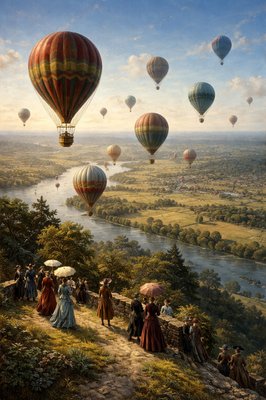
in the style of John Atkinson Grimshaw,
bird’s‑eye view, camera looking downward from a moderate height over hot air balloons rising steadily and moving with the wind through clear blue skies,
subtle curvature of the landscape visible below,
rich jewel‑tone reds, teals, and golds catching warm natural sunlight, realistic wind‑driven motion, natural directional flow, a hillside overlook below with small groups of people watching the balloons, holding umbrellas for shade, wearing Victorian‑style clothing,
long tailored coats, layered skirts, high collars,
grounded composition, realistic atmospheric depth, cinematic painterly
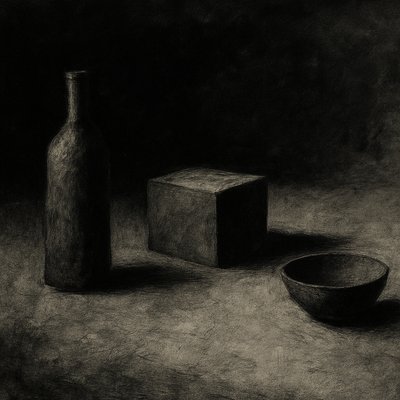
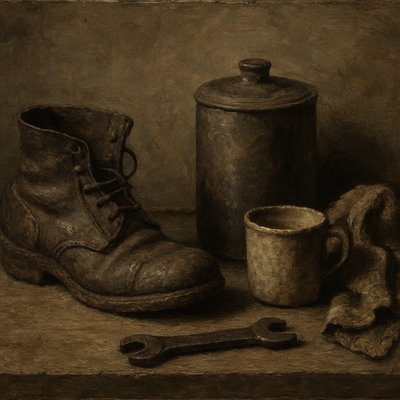
still life with everyday objects
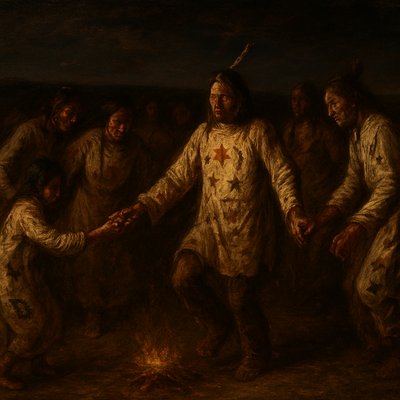
"A historically accurate depiction of a Ghost Dance, focusing on the late 19th-century context, specifically around 1890-1891. The scene shows Lakota (Sioux) or Northern Paiute people (specify one or include elements of both, but avoid anachronisms) participating in the ceremony.

Setting: A vast, open prairie or high desert landscape, under an expansive sky. The time of day could be dusk or night, with a prominent moon or stars, or a bright, clear day. Avoid overtly spiritual or ethereal elements like floating spirits unless explicitly requested for a later, more symbolic iteration. The focus should be on the earthly ceremony.

Participants: A circle of men, women, and children, hand-in-hand, moving in a slow, rhythmic shuffle or circular motion. Their faces show a mixture of devotion, hope, and determination. Some may have expressions of trance or deep concentration.

Attire:

    Ghost Dance Shirts/Dresses: Emphasize the unique Ghost Dance shirts and dresses, which were typically made of muslin or canvas. These garments should feature painted designs such as stars, crescents, birds (especially eagles or crows), buffalo, human figures, or crosses. The designs should appear hand-painted, not mass-produced.

    Hair and Adornments: Participants should have braided hair or wear it long. Some may wear feathers (e.g., eagle or hawk feathers) in their hair. Minimal traditional adornments, as the focus was often on the Ghost Dance shirt itself. Avoid overly elaborate or Hollywood-esque depictions of war bonnets unless relevant to a specific individual and context.

    Footwear: Moccasins or bare feet.

Action/Atmosphere:

    The dancers are moving in a counter-clockwise circle, with a central figure or a small group often leading.

    The overall mood is one of earnest prayer and communal spiritual effort. The dance should convey a sense of hope for renewal and the return of the old ways, rather than aggression or despair.

    There might be a central pole or small fire as a focal point, around which the dance takes place.

    Avoid any signs of direct conflict or violence; the Ghost Dance itself was a non-violent spiritual movement.

Specific Considerations for Accuracy:

    Wovoka's Influence: The teachings of Wovoka (the Northern Paiute prophet) emphasized peace, hard work, and the return of the buffalo and deceased ancestors. The scene should subtly reflect this hopeful, redemptive spirit.

    Regional Variations: If focusing on Lakota, consider their specific interpretations, which sometimes included more imagery related to their warrior traditions on the shirts, but still within the peaceful framework of the dance.

    Respectful Portrayal: Ensure the depiction is respectful and avoids any stereotypical or caricatured representations of Indigenous people. Focus on their human dignity and spiritual sincerity.
still life with everyday objects
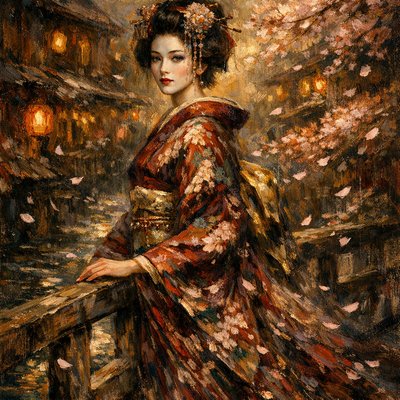
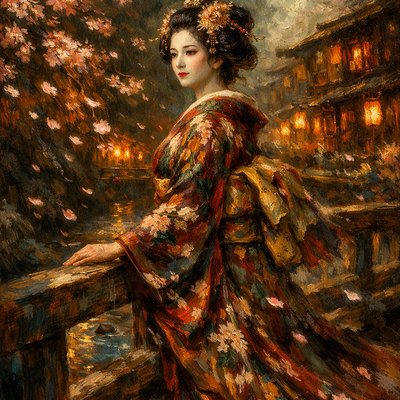
Cinematic Film Style, Romanticism Art Style, a stunningly beautiful and atmospheric portrait of a Geisha in 1930s Kyoto. She is dressed in an exquisite, flowing silk kimono with intricate floral patterns and a wide obi sash. Her face is painted in traditional white makeup with striking red lips and piercing blue-gray eyes. She is standing on a traditional wooden bridge over a stream in Gion, with soft pink cherry blossoms falling around her like snow. The lighting is a warm, golden-hour glow that creates a soft-focus, ethereal background of old wooden teahouses and paper lanterns. Focus on the shimmering texture of the silk, the delicate movement of the blossoms, and a sense of quiet, longing beauty.
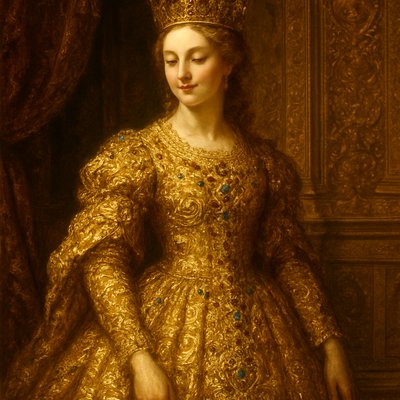
My sincerest apologies that the Queen appeared angry! That's completely contrary to the "serene and noble expression" we aimed for and the dignity implied by Psalm 45. We need to explicitly reinforce a gentler, more gracious demeanor.

You're also right to focus on the gold's shine. We can definitely enhance that.

To address both issues—the expression and the gold's luminosity—we'll make two key adjustments:

    Refine Expression: Use stronger words for a gentle, majestic, and perhaps beatific expression.

    Enhance Gold's Shine: Introduce Baroque Art Style as a secondary influence. Baroque is famous for its dramatic light, intense gleam on metals and jewels, and dynamic richness, which will make the gold truly radiant. It pairs beautifully with Oil Painting for opulence.

Revised Prompt for "Queen in Gold of Ophir - Gentle Expression & Shining Gold"

    Oil Painting Art Style, Baroque Art Style, a breathtakingly majestic and regal portrait of "The Queen in Gold of Ophir," inspired by Psalm 45. The Queen stands with impeccable grace and royal dignity, her posture radiating quiet power. Her expression is serene, gentle, and profoundly gracious, with a subtle, knowing smile, reflecting noble peace. She is adorned in an exquisitely elaborate gown woven entirely from the finest, purest gold of Ophir, which shimmers and gleams with unparalleled brilliance, catching every ray of light. Her attire is intricately embellished with countless precious jewels—sapphires, rubies, and emeralds—each sparkling intensely with Baroque dynamism. A delicate yet regal golden crown, also ablaze with light, rests upon her head. The setting is a grand, opulent royal palace chamber, with rich tapestries and polished marble, bathed in dramatic, warm, golden ambient light that creates striking highlights and deep, luxurious shadows, making her and her lavish garments glow. Focus on the unparalleled brilliance, texture, and radiant shine of her golden gown, the intense sparkle of her jewels, her majestic yet gentle presence, and the luxurious, sacred atmosphere befitting a queen in God's presence.
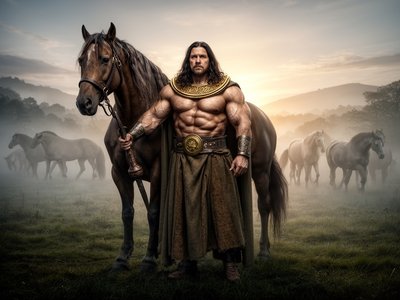
The Dagda, powerful Celtic god, standing with a massive, muscular horse at his side. Earthy robes, bronze and gold torc, long dark hair, commanding presence. Horses moving in the background like living wealth of the land. Misty forest or rolling hills, dawn light piercing fog, mythic realism, cinematic Celtic fantasy, raw authority, natural textures.
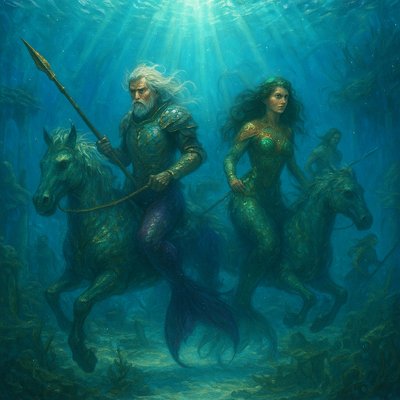
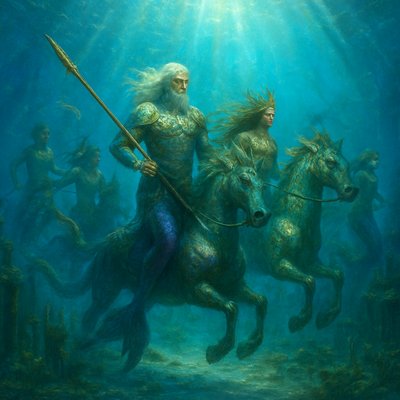
Golden Age Fantasy Illustration Style, Painterly Realism, Crystalline Underwater Photography Aesthetic. A stunning view looking straight down through impossibly clear, glassy ocean water, as if peering over the edge of a ship. Below, on the white sand seabed, are the seaweed-covered ruins of a sunken, ancient civilization.

The Merpeople: A royal hunting party of Narnian Mermen and Mermaids are riding through the submerged streets. They are not gentle, fairy-tale creatures, but possess a wild, fierce majesty. They ride side saddle tails aside their large, powerful, scaled hippocamps (mythical sea-horses). 

Key Figures & Details: The Mer-King, with flowing white hair and a stern expression, wears armor crafted from iridescent pearl and abalone shells, brandishing a long spear tipped with gold. His powerful tail is deep amethyst. A fierce Mer-Queen rides beside him, her colors shimmering emerald and gold. Smaller merfolk follow, shaking spears.

Lighting & Atmosphere: Bright shafts of sunlight pierce the deep water, illuminating the underwater dust motes and making the scales of the merfolk and their mounts sparkle intensely. The mood is silent, ancient, and awe-inspiring.
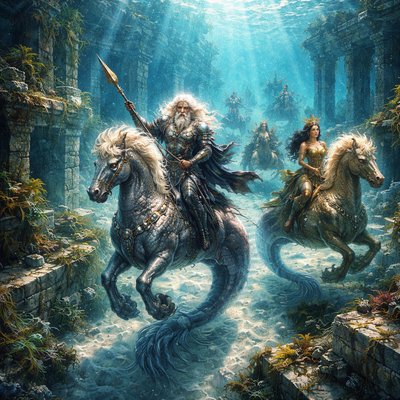
Golden Age Fantasy Illustration Style, Painterly Realism, Crystalline Underwater Photography Aesthetic. A stunning view looking straight down through impossibly clear, glassy ocean water, as if peering over the edge of a ship. Below, on the white sand seabed, are the seaweed-covered ruins of a sunken, ancient civilization.

The Merpeople: A royal hunting party of Narnian Mermen and Mermaids are riding through the submerged streets. They are not gentle, fairy-tale creatures, but possess a wild, fierce majesty. They ride side saddle tails aside their large, powerful, scaled hippocamps (mythical sea-horses). 

Key Figures & Details: The Mer-King, with flowing white hair and a stern expression, wears armor crafted from iridescent pearl and abalone shells, brandishing a long spear tipped with gold. His powerful tail is deep amethyst. A fierce Mer-Queen rides beside him, her colors shimmering emerald and gold. Smaller merfolk follow, shaking spears.

Lighting & Atmosphere: Bright shafts of sunlight pierce the deep water, illuminating the underwater dust motes and making the scales of the merfolk and their mounts sparkle intensely. The mood is silent, ancient, and awe-inspiring.
Cinematic Film Style, Romanticism Art Style, a stunningly beautiful and atmospheric portrait of a Geisha in 1930s Kyoto. She is dressed in an exquisite, flowing silk kimono with intricate floral patterns and a wide obi sash. Her face is painted in traditional white makeup with striking red lips and piercing blue-gray eyes. She is standing on a traditional wooden bridge over a stream in Gion, with soft pink cherry blossoms falling around her like snow. The lighting is a warm, golden-hour glow that creates a soft-focus, ethereal background of old wooden teahouses and paper lanterns. Focus on the shimmering texture of the silk, the delicate movement of the blossoms, and a sense of quiet, longing beauty.
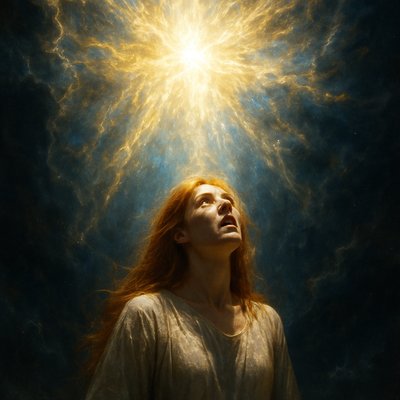
Photorealism Art Style, a profoundly dramatic and intensely luminous image depicting a vision of Heaven seen from the ground. The scene is dominated by a blazing, overwhelming celestial light that is violently breaking through the darkness of the night sky. This light is not the sun, but the pure glory of God, manifesting as swirling gold, brilliant white, and ethereal blue luminescence that seems to pull the viewer upward. A long red-haired woman, wearing simple, flowing heavenly attire, stands below, gazing upward with an expression of ecstatic awe and reverence. She is bathed in the brilliant, otherworldly light streaming down, suggesting the moment of divine revelation where the heavens are torn open. The focus is on the raw, blinding intensity of the divine light, the realistic texture of the woman's awe-struck face, and the vibrant, chaotic energy of the celestial vision, creating a powerful image of a direct, momentary glimpse into the boundless presence of Heaven.
Golden Age Fantasy Illustration Style, Painterly Realism, Crystalline Underwater Photography Aesthetic. A stunning view looking straight down through impossibly clear, glassy ocean water, as if peering over the edge of a ship. Below, on the white sand seabed, are the seaweed-covered ruins of a sunken, ancient civilization.

The Merpeople: A royal hunting party of Narnian Mermen and Mermaids are riding through the submerged streets. They are not gentle, fairy-tale creatures, but possess a wild, fierce majesty. They ride side saddle tails aside their large, powerful, scaled hippocamps (mythical sea-horses). 

Key Figures & Details: The Mer-King, with flowing white hair and a stern expression, wears armor crafted from iridescent pearl and abalone shells, brandishing a long spear tipped with gold. His powerful tail is deep amethyst. A fierce Mer-Queen rides beside him, her colors shimmering emerald and gold. Smaller merfolk follow, shaking spears.

Lighting & Atmosphere: Bright shafts of sunlight pierce the deep water, illuminating the underwater dust motes and making the scales of the merfolk and their mounts sparkle intensely. The mood is silent, ancient, and awe-inspiring.
Golden Age Fantasy Illustration Style, Painterly Realism, Crystalline Underwater Photography Aesthetic. A stunning view looking straight down through impossibly clear, glassy ocean water, as if peering over the edge of a ship. Below, on the white sand seabed, are the seaweed-covered ruins of a sunken, ancient civilization.

The Merpeople: A royal hunting party of Narnian Mermen and Mermaids are riding through the submerged streets. They are not gentle, fairy-tale creatures, but possess a wild, fierce majesty. They ride side saddle tails aside their large, powerful, scaled hippocamps (mythical sea-horses). 

Key Figures & Details: The Mer-King, with flowing white hair and a stern expression, wears armor crafted from iridescent pearl and abalone shells, brandishing a long spear tipped with gold. His powerful tail is deep amethyst. A fierce Mer-Queen rides beside him, her colors shimmering emerald and gold. Smaller merfolk follow, shaking spears.

Lighting & Atmosphere: Bright shafts of sunlight pierce the deep water, illuminating the underwater dust motes and making the scales of the merfolk and their mounts sparkle intensely. The mood is silent, ancient, and awe-inspiring.
Golden Age Fantasy Illustration Style, Painterly Realism, Crystalline Underwater Photography Aesthetic. A stunning view looking straight down through impossibly clear, glassy ocean water, as if peering over the edge of a ship. Below, on the white sand seabed, are the seaweed-covered ruins of a sunken, ancient civilization.

The Merpeople: A royal hunting party of Narnian Mermen and Mermaids are riding through the submerged streets. They are not gentle, fairy-tale creatures, but possess a wild, fierce majesty. They ride side saddle tails aside their large, powerful, scaled hippocamps (mythical sea-horses). 

Key Figures & Details: The Mer-King, with flowing white hair and a stern expression, wears armor crafted from iridescent pearl and abalone shells, brandishing a long spear tipped with gold. His powerful tail is deep amethyst. A fierce Mer-Queen rides beside him, her colors shimmering emerald and gold. Smaller merfolk follow, shaking spears.

Lighting & Atmosphere: Bright shafts of sunlight pierce the deep water, illuminating the underwater dust motes and making the scales of the merfolk and their mounts sparkle intensely. The mood is silent, ancient, and awe-inspiring.
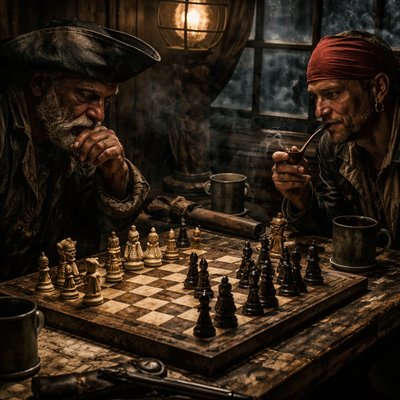
Cinematic Historical Photograph, Gritty Realism, Chiaroscuro Lighting. A tense, high-stakes chess match taking place between two seasoned pirates inside the cramped, dimly lit stern cabin of a rocking galleon at sea during the night.

The Players: On one side sits a grizzled, older Pirate Captain with a heavy grey beard and a scarred face, leaning over the board, his hand rubbing his chin in deep concentration. Opposite him is a younger, cunning Quartermaster with a gold tooth and a confident smirk, holding a clay pipe.

The Board & Pieces: Between them is a heavy wooden table stained with grog. The chessboard is carved directly into the tabletop, with squares made of inlaid mother-of-pearl and burned wood. They are playing with the custom pirate-themed chess set (previously designed): The Captain's side uses pieces carved from yellowed whalebone (King with tricorn, Ship Rooks), and the Quartermaster's side uses pieces cast from dark, tarnished iron. A bone "Knight" piece is currently threatening an iron "Queen."

The Atmosphere: The cabin is lit by a single, swaying oil lantern hanging overhead, casting long, moving shadows and illuminating the smoke in the air. Mugs of rum, a flintlock pistol, and rolled charts are cluttered around the board. Outside a stern window, a dark, stormy ocean is visible. The photo has a film grain texture.
A stunning and spiritually evocative depiction of the traditional Lakota Hoop Dance (or Intertribal Hoop Dance). The central figure is a single, male Hoop Dancer, captured mid-motion, demonstrating incredible agility and grace. He is adorned in vibrant, traditional regalia with intricate beadwork, feathers, and fringes, and is surrounded by a mesmerizing array of hoops, dynamically formed into various shapes and symbols, representing animals, stories, or the sacred circle of life. His face reflects intense focus, reverence, and the deep storytelling inherent in the dance. In the background, partially obscured by a light morning mist or soft haze, the monumental carving of the Crazy Horse Memorial is visible, lending a profound sense of historical continuity, honor, and enduring spirit to the scene. The setting is an open, natural area, perhaps a grassy plain or red rock outcropping, under a clear, early morning sky with the sun just beginning to illuminate the landscape, casting a soft, golden light. The atmosphere is one of dynamic energy, profound cultural pride, and deep spiritual connection to both tradition and the ancestral land. The artistic style is a vivid, realistic painting with a strong sense of movement, capturing the intricate details of the hoops and regalia, against the majestic, stoic presence of the memorial."

Key Considerations Reflected in This Prompt:

    Corrected Dance Name: Clearly states "Lakota Hoop Dance (or Intertribal Hoop Dance)."

    Central Figure: Focuses on a "single, male Hoop Dancer" to highlight the individual skill and artistry.

    Hoops & Symbolism: Emphasizes the "mesmerizing array of hoops, dynamically formed into various shapes and symbols" and their meaning.

    Crazy Horse Memorial Background: Explicitly places the "monumental carving of the Crazy Horse Memorial" in the background, noting its symbolic significance ("historical continuity, honor, and enduring spirit").

    Setting & Lighting: Suggests "early morning mist or soft haze" for the background to give the memorial an ethereal quality, and "soft, golden light" for the dancer.

    Mood: Conveys "dynamic energy, profound cultural pride, and deep spiritual connection."

    Artistic Style: "Vivid, realistic painting with a strong sense of movement.