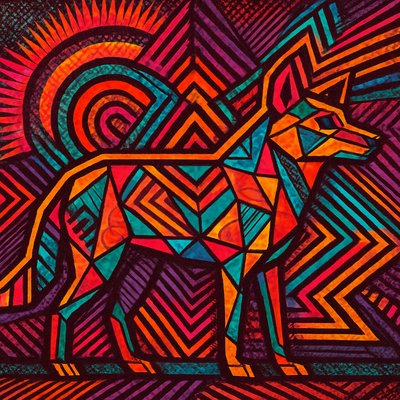
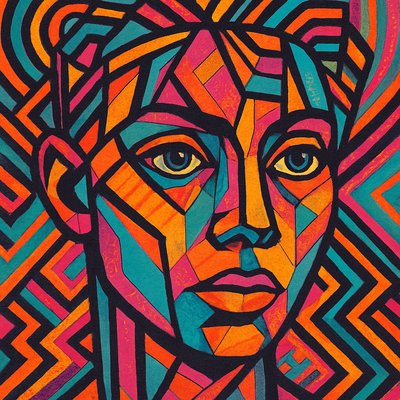
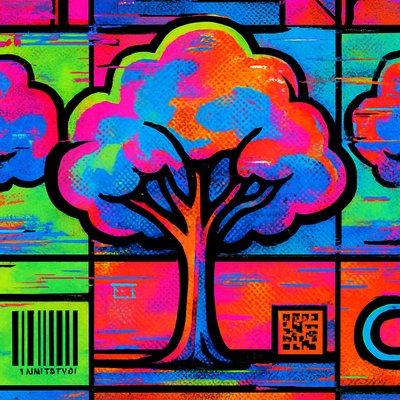
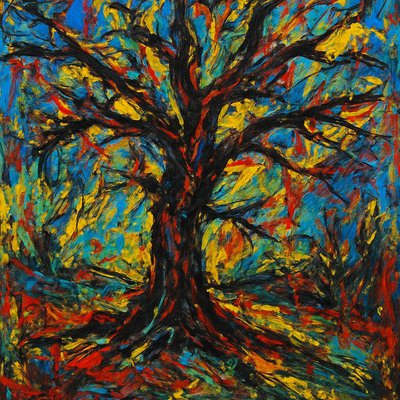
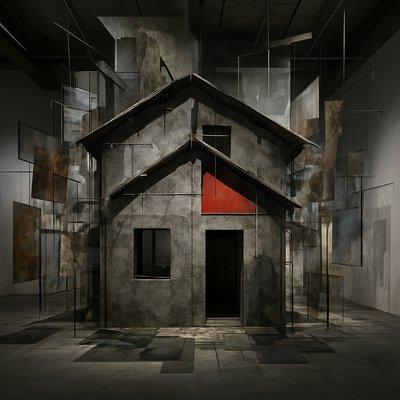
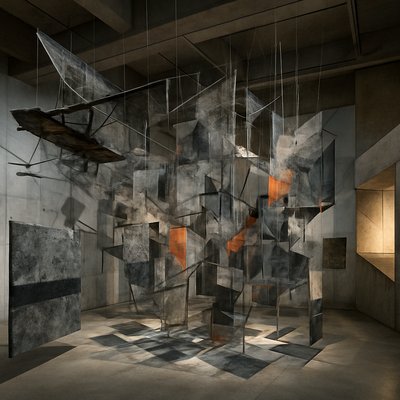
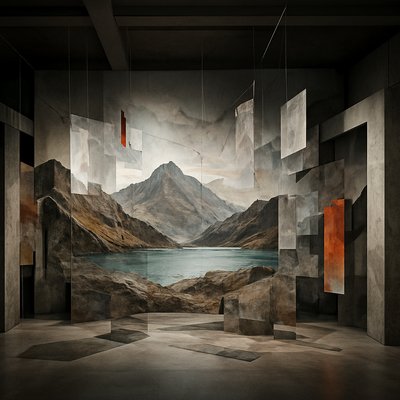
Contemporary Wire Sculpture Art Style Style Transfer Example Art

My sincerest apologies that the Queen appeared angry! That's completely contrary to the "serene and noble expression" we aimed for and the dignity implied by Psalm 45. We need to explicitly reinforce a gentler, more gracious demeanor.

You're also right to focus on the gold's shine. We can definitely enhance that.

To address both issues—the expression and the gold's luminosity—we'll make two key adjustments:

    Refine Expression: Use stronger words for a gentle, majestic, and perhaps beatific expression.

    Enhance Gold's Shine: Introduce Baroque Art Style as a secondary influence. Baroque is famous for its dramatic light, intense gleam on metals and jewels, and dynamic richness, which will make the gold truly radiant. It pairs beautifully with Oil Painting for opulence.

Revised Prompt for "Queen in Gold of Ophir - Gentle Expression & Shining Gold"

    Oil Painting Art Style, Baroque Art Style, a breathtakingly majestic and regal portrait of "The Queen in Gold of Ophir," inspired by Psalm 45. The Queen stands with impeccable grace and royal dignity, her posture radiating quiet power. Her expression is serene, gentle, and profoundly gracious, with a subtle, knowing smile, reflecting noble peace. She is adorned in an exquisitely elaborate gown woven entirely from the finest, purest gold of Ophir, which shimmers and gleams with unparalleled brilliance, catching every ray of light. Her attire is intricately embellished with countless precious jewels—sapphires, rubies, and emeralds—each sparkling intensely with Baroque dynamism. A delicate yet regal golden crown, also ablaze with light, rests upon her head. The setting is a grand, opulent royal palace chamber, with rich tapestries and polished marble, bathed in dramatic, warm, golden ambient light that creates striking highlights and deep, luxurious shadows, making her and her lavish garments glow. Focus on the unparalleled brilliance, texture, and radiant shine of her golden gown, the intense sparkle of her jewels, her majestic yet gentle presence, and the luxurious, sacred atmosphere befitting a queen in God's presence.

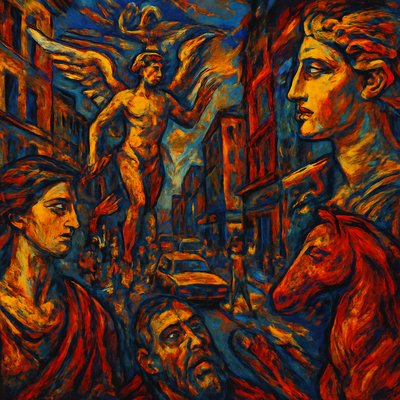
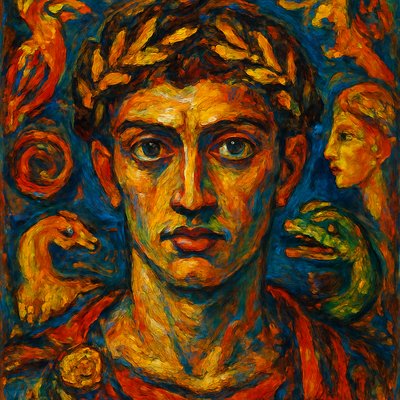
Mythological scene reinterpreted with contemporary resonance in the art style of Neo-Romanticism --v 6.1

A historically accurate and atmospheric depiction of the signing of the Mayflower Compact aboard the ship in November 1620. The scene is set in the dimly lit, cramped cabin of the Mayflower, with the ship's timbers and rigging subtly visible, conveying the challenging conditions of the voyage. A simple table or chest serves as the signing surface. The primary focus is on a small group of the last individuals signing the document: specifically, the indentured servants (or 'strangers' not directly part of the Separatist congregation) approaching or at the table. Their expressions show a mix of weary determination, understanding of the necessity, and perhaps a hint of quiet apprehension or resignation to this new social contract, given their status. They are dressed in the plain, practical clothing typical of 17th-century commoners and laborers. Figures of prominent Pilgrims or 'Saints' (like William Bradford or John Carver) are visible in the background, observing the proceedings with a sense of gravity and leadership, but they are not the central focus. The lighting is low and warm, perhaps from a lantern, creating a chiaroscuro effect that highlights the faces of the signers. The atmosphere conveys the momentousness of the act under difficult circumstances, the diverse composition of the group, and the early seeds of self-governance in a new world. The artistic style is a realistic, historically detailed oil painting, capturing the solemnity and human element of this pivotal historical moment."
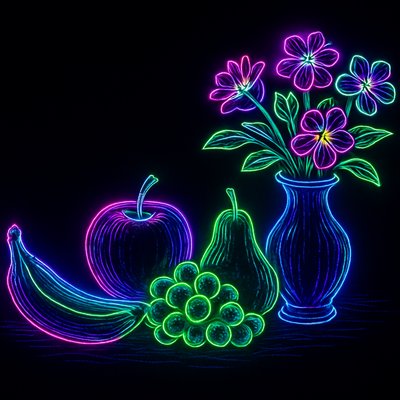
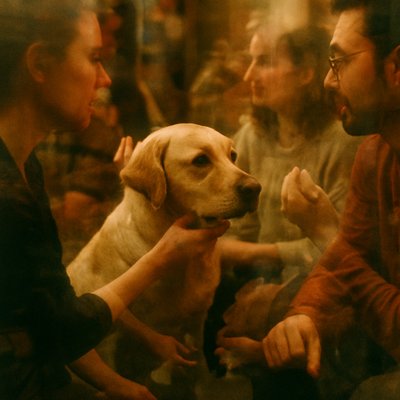
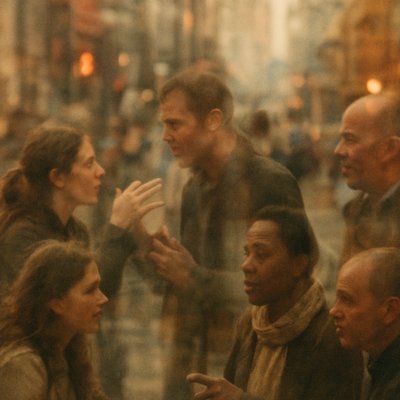
Meme-inspired fine art piece in the art style of Post-Internet Art --v 6.1
Mythological scene reinterpreted with contemporary resonance in the art style of Neo-Romanticism --v 6.1
wide landscape with natural scenery
Meme-inspired fine art piece in the art style of Post-Internet Art --v 6.1
Readymade object presented as art in the art style of Dada --v 6.1
physical car concept in the art style of lowbrow art --v 6.1
A historically accurate and atmospheric depiction of the signing of the Mayflower Compact aboard the ship in November 1620. The scene is set in the dimly lit, cramped cabin of the Mayflower, with the ship's timbers and rigging subtly visible, conveying the challenging conditions of the voyage. A simple table or chest serves as the signing surface. The primary focus is on a small group of the last individuals signing the document: specifically, the indentured servants (or 'strangers' not directly part of the Separatist congregation) approaching or at the table. Their expressions show a mix of weary determination, understanding of the necessity, and perhaps a hint of quiet apprehension or resignation to this new social contract, given their status. They are dressed in the plain, practical clothing typical of 17th-century commoners and laborers. Figures of prominent Pilgrims or 'Saints' (like William Bradford or John Carver) are visible in the background, observing the proceedings with a sense of gravity and leadership, but they are not the central focus. The lighting is low and warm, perhaps from a lantern, creating a chiaroscuro effect that highlights the faces of the signers. The atmosphere conveys the momentousness of the act under difficult circumstances, the diverse composition of the group, and the early seeds of self-governance in a new world. The artistic style is a realistic, historically detailed oil painting, capturing the solemnity and human element of this pivotal historical moment."
physical car concept in the art style of lowbrow art --v 6.1
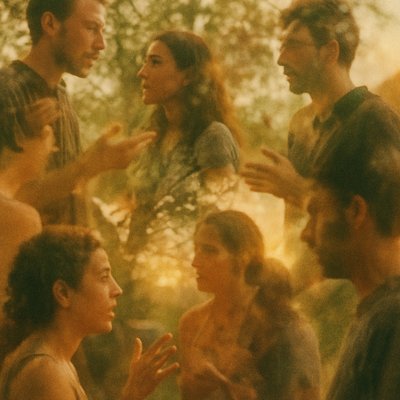
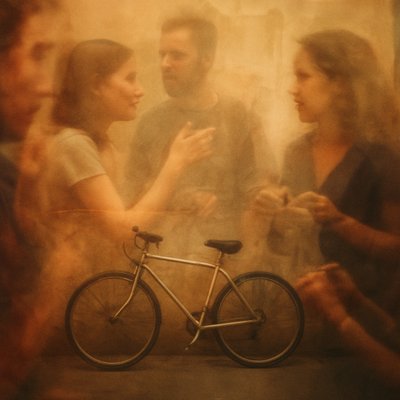
Conceptual restaurant as an artwork in the art style of Relational Art --v 6.1
Backstage at a vaudeville theater in the art style of Ashcan School --v 6.1
Baroque-inspired painting with contemporary twists in the art style of Maximalism --v 6.1
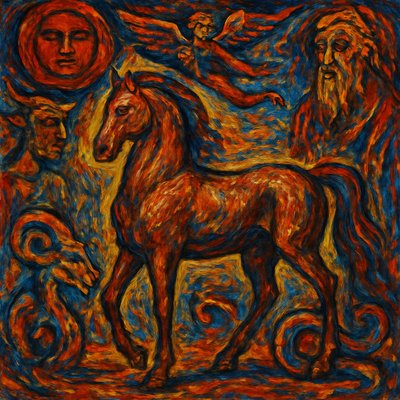
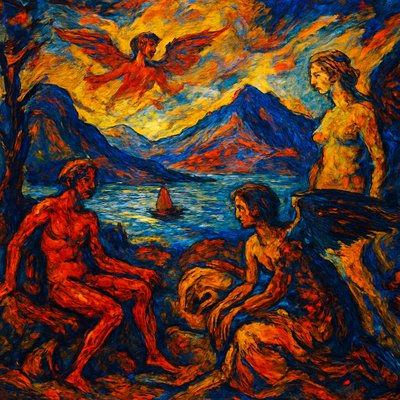
Mythological scene reinterpreted with contemporary symbols in the art style of Transavantgarde --v 6.1
Digital Art Style, Romanticism Art Style, a tender and intimate painting depicting a monogamous pair of Red-lored Amazon parrots in their natural habitat. The scene focuses on the vibrant pair, with their striking bright green plumage, distinctive red forehead and lores (area between eye and beak), and splashes of yellow on their cheeks and crown, rendered with exquisite detail and luminous digital color. One parrot is gracefully perched near the entrance of a natural tree cavity, which serves as their nest, while its mate is close by, perhaps peeking from within the cavity or perched affectionately beside it. Their interaction conveys a deep sense of affection, mutual care, and secure bonding. The surrounding environment is a lush, vibrant tropical forest, with sunlight dappling through dense foliage, creating a warm, inviting atmosphere. Focus on the fine feather details and expressive eyes of the parrots, the tender intimacy of their pair bond, and the secure, natural beauty of their tree cavity nest within the verdant jungle.
Digital Art Style, Romanticism Art Style, a profoundly joyful and beautifully vibrant painting inspired by Psalm 16:11, "You make known to me the path of life; you will fill me with joy in your presence, with eternal pleasures at your right hand." The scene features a pair of exquisitely detailed Peach-faced Lovebirds, with their iconic bright peach faces, vivid green bodies, and touches of blue on their rumps. They are perched affectionately close together on a blossoming branch, their expressions conveying deep contentment and joy. Behind them, a softly glowing, ethereal 'path' of light winds gently through a lush, vibrant, and abundant natural landscape, illuminated by a warm, radiant, divine light that bathes the entire scene. The environment is rich with blooming flowers and verdant foliage, suggesting a place of eternal pleasure and divine presence. Focus intently on the vibrant, luminous colors of the Lovebirds, their tender, joyful interaction, and the glowing, symbolic 'path of life' that permeates the harmonious and blissful atmosphere
Visionary Art Style, Bioluminescence Art Style, an awe-inspiring, luminous depiction of ancient Jewish cosmology for Psalm 8:3, presented with profound depth and ethereal glow. The central feature is a vast, shimmering, domed firmament (raqia), appearing as a translucent, opalescent boundary stretching across the scene, separating realms. Above this firmament, immense, glowing celestial waters swirl with bioluminescent currents of deep blues, purples, and greens, illuminated by an unseen, brilliant divine light emanating from the highest heavens. Large, radiant stars and a luminous crescent moon are not distant objects, but rather appear as integral, internally glowing bioluminescent entities set within the shimmering surface of the firmament, their light subtly pulsing. Below, hints of foundational earth and the "waters below" are visible, also touched by soft, ethereal glows. The entire scene is alive with vibrant, jewel-toned celestial colors and a sense of boundless, mystical energy. Focus on the layered, translucent quality of the firmament, the dynamic, living glow of the bioluminescent waters and embedded celestial bodies, and an overwhelming sense of ancient, sacred wonder and divine power.
Wearable art piece blurring lines between fashion and sculpture in the art style of Body Art --v 6.1
wide landscape with natural scenery
Reimagined classical painting with contemporary elements in the art style of Appropriation Art --v 6.1
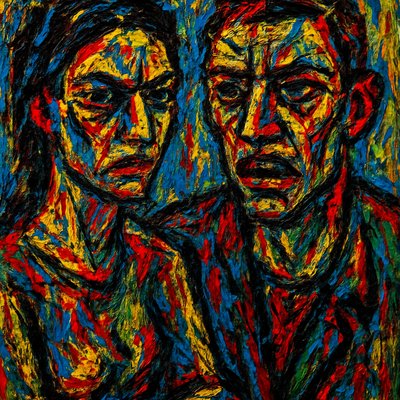
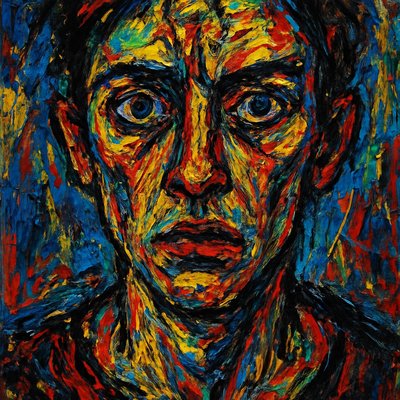
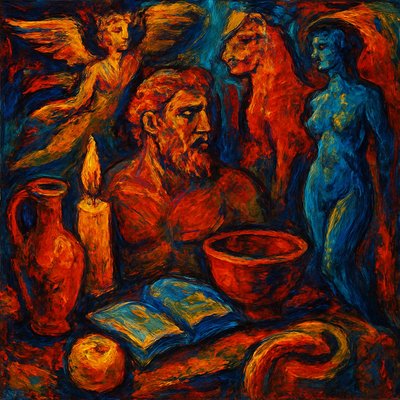
Mythological scene reinterpreted with contemporary urgency in the art style of Neo-Expressionism --v 6.1
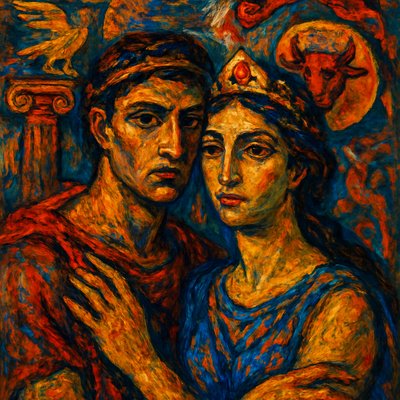
Painting combining classical themes with contemporary imagery in the art style of Transavantgarde --v 6.1
Baroque-inspired painting with contemporary twists in the art style of Maximalism --v 6.1
Mythological scene reinterpreted with contemporary symbols in the art style of Transavantgarde --v 6.1
Digital Art Style, Romanticism Art Style, a tender and intimate painting inspired by Psalm 31:20, emphasizing the security of a divine dwelling place. The scene focuses on a monogamous pair of Red-lored Amazon parrots with their vibrant green plumage, distinct red and yellow markings, rendered with luminous digital detail. They are positioned at the dark, secluded entrance of a natural tree cavity, their posture conveying mutual protection and absolute contentment within their refuge. The surrounding forest is lush, with sunlight subtly illuminating the exterior, while the area immediately around the cavity entrance is bathed in a soft, ethereal glow, representing the shelter of God's presence and symbolizing the divine security of their dwelling. The overall atmosphere is one of profound safety, peace, and intimate privacy, as if they are hidden away from the world. Focus on the detailed expressions of peace on the parrots' faces, the tender intimacy of their pair bond, and the dramatic contrast between the bright forest and the secure, glowing darkness of their hidden dwelling.
Digital Art Style, Romanticism Art Style, a profoundly joyful and beautifully vibrant painting inspired by Psalm 16:11, "You make known to me the path of life; you will fill me with joy in your presence, with eternal pleasures at your right hand." The scene features a pair of exquisitely detailed Peach-faced Lovebirds, with their iconic bright peach faces, vivid green bodies, and touches of blue on their rumps. They are perched affectionately close together on a blossoming branch, their expressions conveying deep contentment and joy. Behind them, a softly glowing, ethereal 'path' of light winds gently through a lush, vibrant, and abundant natural landscape, illuminated by a warm, radiant, divine light that bathes the entire scene. The environment is rich with blooming flowers and verdant foliage, suggesting a place of eternal pleasure and divine presence. Focus intently on the vibrant, luminous colors of the Lovebirds, their tender, joyful interaction, and the glowing, symbolic 'path of life' that permeates the harmonious and blissful atmosphere